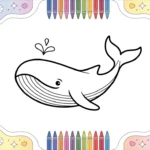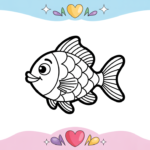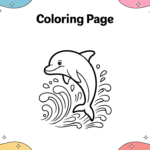
We offer a wide collection of free, high-quality printable coloring pages for kids and adults. From cute animals to intricate mandalas, our designs bring creativity and relaxation to everyone. Download, print, and start coloring today!

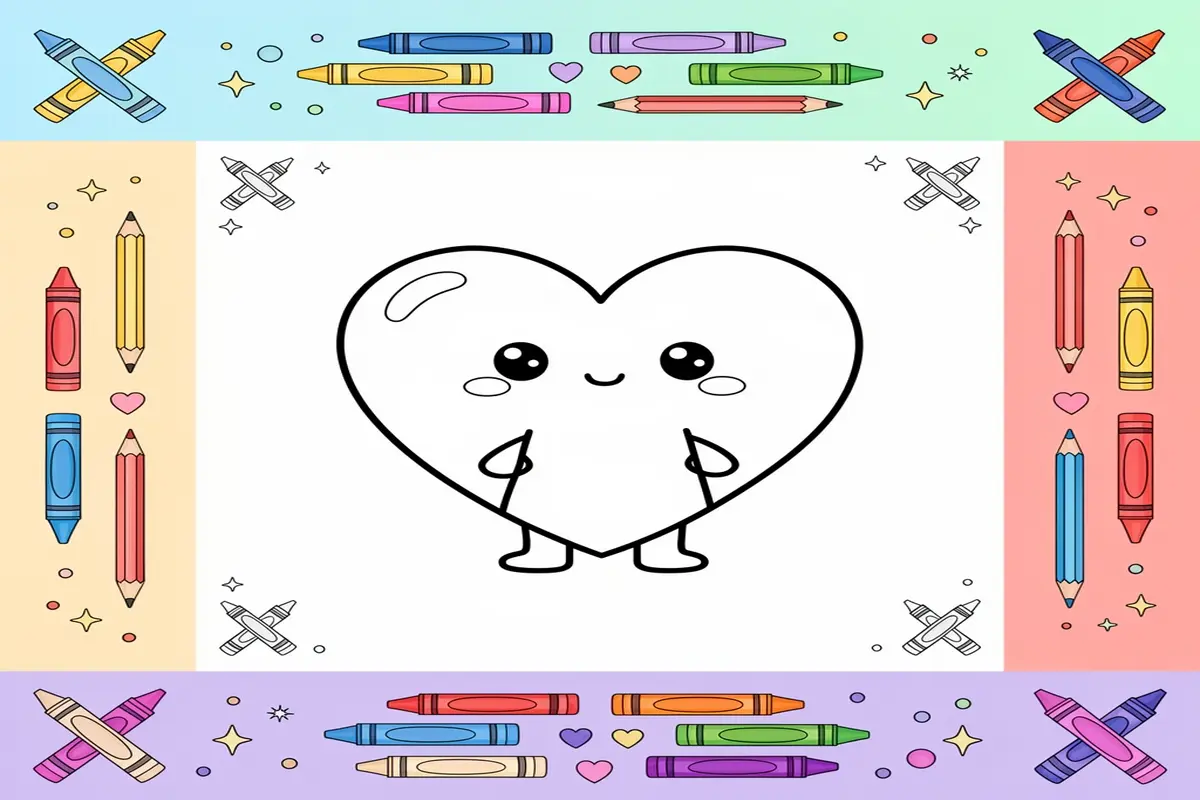
In a world saturated with digital noise, the simple, tactile joy of coloring offers a profound sanctuary for young minds. It’s a quiet space where imagination takes the lead, fine motor skills are honed, and emotional expression finds a safe, vibrant outlet. At the heart of this creative universe lies a particularly powerful symbol: the heart. More than just a shape, it’s a universal language of love, kindness, and connection. This is where heart coloring pages for kids truly shine, transforming a basic activity into a meaningful exploration of feelings and artistry. These pages provide a unique, accessible gateway for children to engage with complex emotions in a playful, stress-free environment. Whether crafting a valentine, expressing gratitude, or simply enjoying the rhythm of filling a page with color, this activity nurtures both the heart and the hand. For parents and educators seeking to diversify a child’s creative portfolio, pairing these heartfelt designs with the majestic wonders of the sea, like our collection of free dolphin coloring pages, can create a beautifully balanced artistic journey from the depths of emotion to the wonders of the natural world.
The Enduring Allure: More Than Just a Shape
Why does the simple heart shape hold such timeless appeal for young artists? The answer lies at the intersection of developmental psychology, cultural symbolism, and pure creative freedom. Heart coloring pages for kids are uniquely positioned to support emotional literacy, offering a non-verbal medium for children to explore and represent feelings of love, friendship, happiness, and even compassion.
The Psychology of Color: Emotional Alchemy on the Page
Coloring is a well-documented mindfulness practice, and when focused on a symbol as emotionally charged as a heart, its benefits are amplified. The act of selecting colors—whether choosing fiery reds for passion, calming blues for peace, or a rainbow spectrum for joy—allows children to engage in emotional alchemy. They aren’t just filling space; they are assigning feeling to form. This process can be incredibly soothing, helping to regulate emotions, improve focus, and build confidence as they make independent creative choices. It’s a foundational exercise in self-expression that builds emotional intelligence one stroke at a time.
A Symbol Through Time: From Ancient Vessels to Modern Love
While children see a familiar icon of affection, the heart’s journey is rich with history. Its stylized shape has been traced back to ancient ivy leaves, silphium seed pods, and even philosophical drawings of the soul. This deep cultural lineage, simplified into a child-friendly form, provides a subtle connection to art history and human expression across millennia. Coloring a heart is, in a small way, participating in a tradition of symbolism that spans continents and centuries, making heart coloring pages for kids a wonderfully simple introduction to iconography and cultural storytelling.
Designed for Every Young Artist: From Toddler to Tween
The true genius of these resources is their inherent scalability. For a toddler, a large, simple heart outline is a perfect canvas for practicing grip and recognizing basic shapes. For preschoolers, hearts adorned with patterns or simple motifs challenge their growing precision. Older children and tweens can tackle intricate mandala-style hearts, geometric patterns, or scenes where hearts are integrated into larger narratives, fostering advanced planning and color theory skills. This versatility ensures that heart coloring pages for kids remain a relevant and engaging tool throughout a child’s creative development, always meeting them at their current skill level with an appropriate and rewarding challenge.
Part 2: Essential Materials for Stunning heart coloring pages for kids
To transform your heart coloring pages for kids from simple outlines into vibrant masterpieces, the right materials are crucial. Proper tools not only enhance the final artwork but also improve the child’s comfort, control, and overall creative experience. This guide details the professional-grade supplies that will make coloring these heartfelt designs a more enjoyable and successful activity for both beginners and advanced young artists.
The Foundation: Selecting Premium Paper for heart coloring pages for kids
The paper is the canvas for creativity and often the most overlooked element. For standard crayon or colored pencil work on heart coloring pages for kids, a good-quality printer paper (90-100 GSM) suffices. However, for projects using markers, wet mediums, or for display, upgrading your paper is key. Marker paper (around 70 GSM) is thin and bleed-resistant, protecting your workspace. For mixed media or heavy layering with pencils, a smooth Bristol board (250+ GSM) provides a sturdy, non-textured surface that allows for seamless blending. If you’re printing intricate heart designs, a bright white, slightly heavier paper (120-140 GSM) will make colors appear more vivid and prevent frustrating tears.
The Artist’s Palette: Comparing Coloring Mediums
The choice between markers, colored pencils, and crayons defines the artwork’s texture and depth.
Colored Pencils: Ideal for developing fine motor skills and achieving detailed work on smaller heart shapes. Wax-based pencils (like Crayola) offer smooth application, while oil-based (like Faber-Castell) allow for superior layering and blending. They are less messy and perfect for intricate patterns within a heart design.
Markers: Brilliant for bold, solid areas of color. Alcohol-based markers (e.g., Copic, Ohuhu) provide streakless, blendable coverage but require bleed-proof paper. Water-based markers (like Stabilo or Crayola) are more child-friendly and easier to clean, though they can streak on larger areas. They are excellent for making vibrant heart coloring pages for kids truly pop.
Crayons: The classic tool offers a unique, tactile experience and a soft, textured finish. They encourage broad, expressive strokes and are excellent for younger children working on larger heart outlines. For a richer effect, consider high-pigment crayons that offer better coverage.
Precision and Shine: Gel Pens & Highlighting Tools
The magic is in the details. Gel pens, with their opaque and often metallic or glittery ink, are perfect for adding dazzling accents to heart motifs. They can outline designs, create patterns within the hearts, or add tiny dots and highlights. White gel pens are particularly useful for adding highlights on top of darker colored areas, creating a professional pop. For a softer highlight or to create smooth gradients, consider a set of blending stumps or a colorless blender pencil, which can seamlessly merge pencil colors together for a more realistic or artistic effect on your heart-themed pages.
Crafting the Ideal Creative Workspace
A proper setup prevents fatigue and fosters focus. Ensure the workspace is well-lit with natural or bright, white LED light to reduce eye strain and allow for accurate color perception. The seating should support good posture—feet flat on the floor and the table at elbow height. A clean, hard surface is best. Protect the table with a large backing board or a dedicated craft mat, which also provides a smooth, cut-resistant surface. Keep supplies organized within reach; a simple caddy with compartments for pencils, markers, and pens prevents creative flow from being interrupted by searching for tools. For inspiration and a thematic connection, consider having other nature-themed pages, like our beautiful flower coloring pages for kids, on hand to explore complementary color palettes and patterns.
Part 3: Elevating Your Art: Pro Techniques for Heart Coloring Pages for Kids
Ready to transform those simple outlines into stunning works of art? Moving beyond basic filling, these professional techniques will help kids (and adults!) add depth, dimension, and personality to their heart coloring pages for kids. This section focuses on actionable methods to develop fine motor skills and artistic understanding, turning a fun activity into a true creative lesson.
Harmonious Palettes: Color Theory for Heart-Themed Art
Understanding basic color relationships can make any project pop. For heart coloring pages for kids, try these easy concepts:
Complementary Colors: Colors opposite each other on the color wheel (like red & green, or purple & yellow). Using these in a heart design creates vibrant, eye-catching contrast. Imagine a purple heart with a bright yellow pattern inside!
Analogous Colors: Colors that sit next to each other on the wheel (like pink, red, and orange). This scheme creates a harmonious, soothing look, perfect for a calming art session. It’s an excellent technique to pair with our cute calming coloring pages for a relaxing afternoon.
Start by choosing a “color mood” before picking up the first crayon.
From Flat to 3D: Mastering Shading and Depth
The secret to making a shape look solid is shading. Teach young artists this simple step-by-step approach:
1. Identify Your Light Source: Decide where the “sun” is (e.g., top left corner). All highlights and shadows will follow this.
2. Apply Base Color: Color the entire heart evenly with your main color.
3. Add Shadow: Using a slightly darker shade of your base color (or pressing harder), color along the side opposite the light source. For a heart, this is often along the right edge and in the dip at the top.
4. Add Highlight: Leave a small area untouched or use a lighter color on the side closest to the light source. This makes the heart look rounded.
Adding Realism and Whimsy: Texture Techniques
Textures bring illustrations to life. Here’s how to create different feels:
Smooth & Shiny: Use even, heavy pressure with colored pencils or wax crayons, then add a small white dot of highlight for a glossy look.
Patterned: Fill the heart with stripes, polka dots, or zigzags. This is a fantastic way to practice control and pattern recognition.
Natural: For a “grassy” or “furry” texture, use very short, quick, overlapping strokes with the tip of your pencil or marker. This technique is also fantastic for other nature projects, like our detailed forest coloring pages for kids.
The Art of Correction: Gracefully Fixing Coloring Mistakes
Mistakes are part of the process! Here’s how to manage them without frustration:
Embrace It: Turn a stray mark outside the line into a tiny star, sparkle, or small flower. This encourages creative problem-solving.
Layer Over It: With colored pencils, lightly coloring over a small mistake with a darker color can often blend it away.
Use the Paper: If using markers, quickly dab the mistake with a dry paper towel to lift some ink before it dries. For pencil, a good eraser is your best friend.
Change the Plan: If a color doesn’t look right, frame it! Use a different color to outline the heart, making the “mistake” look intentional.
By integrating these techniques, coloring becomes more than just an activity—it’s a foundational art lesson. The key is to encourage experimentation and celebrate the unique results on every page.
Showcasing Your Heart Coloring Pages for Kids: Creative Display Ideas
Once your child has filled their heart coloring pages for kids with vibrant color, the fun doesn’t have to stop! Transforming their artwork into cherished displays or gifts adds a wonderful sense of accomplishment and pride.
Preserving Your Masterpiece: Archival Tips
To protect and showcase your child’s artwork, consider simple preservation methods. For a classic look, place the finished page in a standard frame, perhaps with a colorful mat board. For a gallery wall, use inexpensive clip frames or washi tape for a playful border. To prevent crayon or marker from smudging over time, you can lightly spray the artwork with a fixative spray (used in a well-ventilated area) or simply laminate it. This makes pieces durable enough to become placemats or even reusable “art cards.”
Beyond Display: Creative DIY Projects
Turn colored pages into meaningful gifts and keepsakes. Cut out individual hearts to create handmade greeting cards, gift tags, or decorative bookmarks (laminate for durability). You can decoupage them onto a wooden box or picture frame for a personalized touch. For a collaborative family project, combine several colored hearts to create a beautiful, unique garland to hang in a bedroom or playroom. These projects extend the creative joy and teach kids that their art has value beyond the page.
Your Heart Coloring Pages for Kids Questions Answered
How do you draw a heart step by step?
Start by drawing two identical, rounded bumps next to each other to form the top curves. Then, from the center point at the bottom of these bumps, draw a sharp “V” shape pointing downward. Connect the ends of the “V” back out to the bottom of each rounded bump, creating a smooth, symmetrical shape. It’s a simple, rewarding shape for kids to master and personalize on their heart coloring pages for kids.
What are the benefits of coloring for kids?
Coloring boosts fine motor skills and hand-eye coordination as children learn to control their strokes. It fosters creativity, color recognition, and focus. Themed pages, like heart coloring pages for kids, can also be a springboard for conversations about emotions, love, and kindness, supporting emotional development in a calm, screen-free activity.
How to print coloring pages for free?
Many websites, including ours, offer free, high-quality printable coloring pages. Simply find a design you like, such as our heart coloring pages for kids, click the download or print button, and ensure your printer has paper and ink. For best results, select “fit to page” in your printer settings to avoid any edges being cut off.
What does the heart shape symbolize?
The heart shape is a universal symbol of love, affection, friendship, and care. It represents compassion and kindness. When children color heart shapes, it’s a wonderful opportunity to discuss these positive values and who they love in their lives, adding deeper meaning to their artistic activity.
Does coloring help fine motor skills?
Absolutely. Coloring requires children to grip writing tools, apply varying pressure, and make controlled movements within lines. These actions strengthen the small muscles in their hands and fingers, which is crucial for developing the dexterity needed for writing, buttoning clothes, and other precise tasks.
Final Thoughts: Your Heart Coloring Pages for Kids Journey Begins
The simple act of coloring a heart is more than just a way to pass the time; it’s a gateway to developing essential skills, expressing creativity, and exploring big emotions like love and kindness. By displaying their finished heart coloring pages for kids or transforming them into gifts, you validate their effort and nurture their growing confidence. This journey is one of joyful discovery, connection, and quiet pride in creating something uniquely theirs.
We hope these ideas inspire many colorful, heart-filled afternoons. Remember, every stroke of color is a step in your child’s creative growth.
Ready for your next adventure? Explore our cute butterfly coloring pages for another delightful coloring theme!