We offer a wide collection of free, high-quality printable coloring pages for kids and adults. From cute animals to intricate mandalas, our designs bring creativity and relaxation to everyone. Download, print, and start coloring today!

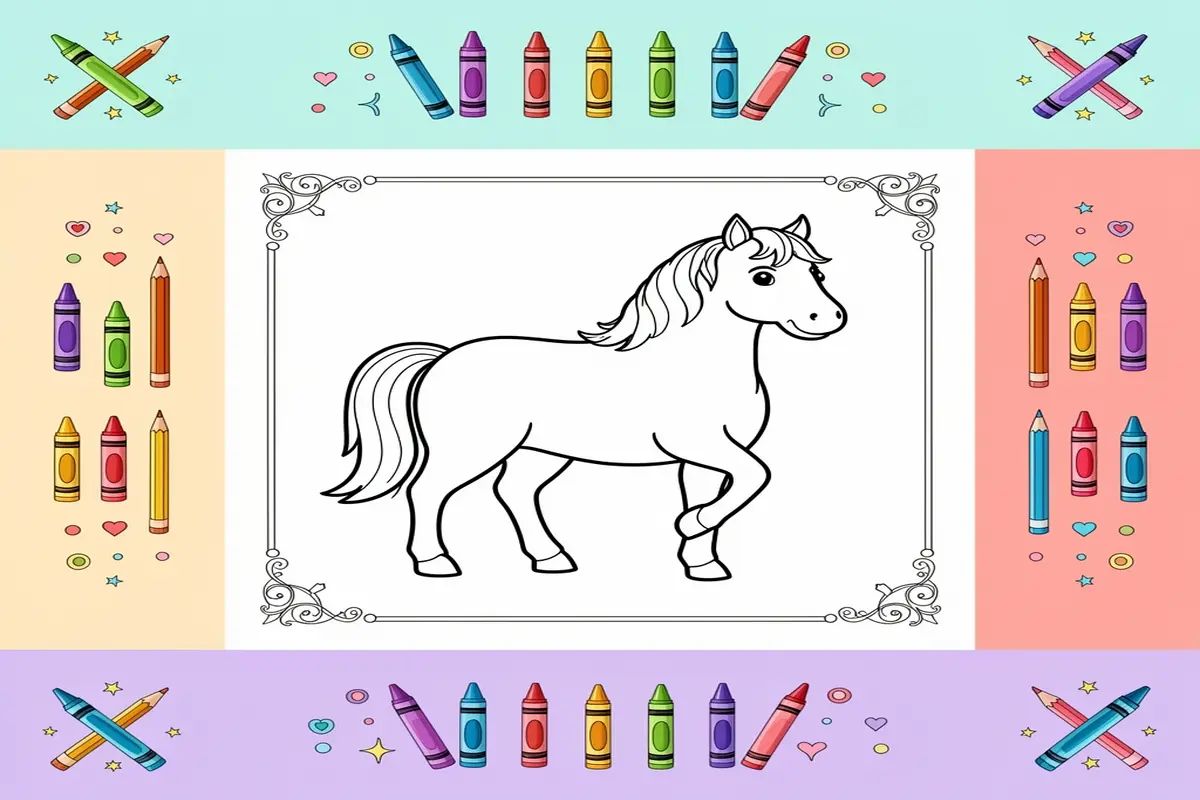
In a world saturated with digital noise, the simple act of coloring offers a sanctuary of calm and a powerful spark for imagination. For generations, children have been captivated by the majesty of horses, creatures that symbolize freedom, grace, and friendship. Combining this timeless fascination with the therapeutic benefits of art, horse coloring pages for kids provide a unique and enriching creative outlet. These pages are more than just outlines; they are gateways to storytelling, where a child can decide if their steed is a dappled grey pony in a meadow or a fiery chestnut stallion racing across the plains. The journey of selecting colors, staying within the lines, and bringing a static image to life fosters not only artistic confidence but also fine motor skills and concentration. As a foundational activity, it beautifully complements other artistic explorations, such as the fluid beauty found in our collection of free dolphin coloring pages. Whether your young artist is a budding equestrian or simply loves animals, horse coloring pages for kids offer an endlessly engaging canvas for expression and joy.
The Gentle Power of Equine Art: More Than Just a Pastime
The Psychology of the Palette: Focus, Calm, and Creative Flow
Engaging with horse coloring pages for kids is a deceptively simple activity with profound cognitive benefits. The focused attention required to color a horse’s flowing mane or intricate saddle patterns acts as a form of active meditation, quieting a busy mind and reducing anxiety. This mindful state, often referred to as ‘flow,’ allows children to practice sustained concentration in a joyful, pressure-free environment. The act of making deliberate color choices—will this horse be a realistic bay or a fantastical rainbow hue?—empowers decision-making and boosts self-esteem as they see their vision materialize on the page. It’s a creative exercise that builds patience and provides a tangible sense of accomplishment, one finished masterpiece at a time.
A Legacy in Lines: The Horse Through History and Myth
Horses have galloped through human history and mythology, from the battlefields of ancient empires to the fairy tales of magical unicorns. When children engage with horse coloring pages for kids, they are unconsciously connecting to this vast cultural tapestry. A page featuring a sturdy farm horse can lead to conversations about agriculture and history, while one depicting a sleek Arabian can inspire stories of desert journeys. This thematic depth enriches the coloring experience, transforming it from a simple activity into an educational springboard. It allows parents and educators to discuss different breeds, roles horses have played in society, and their enduring symbolism of strength and companionship across cultures.
Designed for Every Young Equestrian: From Foals to Thoroughbreds
The true beauty of horse coloring pages for kids lies in their universal appeal and scalability. For tiny hands just learning to grip a crayon, large, simple outlines of a horse’s profile provide the perfect practice ground. For older children seeking a challenge, intricate scenes of a horse in a detailed forest or adorned with complex tribal patterns offer hours of immersive engagement. This range ensures that every child, regardless of age or skill level, can find a page that feels just right—neither too frustrating nor too simplistic. It makes this activity a perfect shared family pastime, where siblings of different ages can all participate in their own way, celebrating the universal allure of these magnificent animals through personal artistic expression.
Professional Materials & Preparation for horse coloring pages for kids
To ensure a successful and enjoyable coloring session, having the right tools and a prepared environment is key. This guide details the essential materials and setup needed to get the most out of your horse coloring pages for kids, transforming a simple activity into a high-quality artistic experience that builds fine motor skills and color theory understanding.
The Foundation: Selecting Premium Paper for horse coloring pages for kids
The paper you choose directly impacts the final result of your horse coloring pages for kids. For standard printing, opt for a bright white, smooth cardstock with a weight of 120-160 GSM (grams per square meter). This thickness prevents bleed-through from markers and allows for layering and blending of colored pencils without the paper buckling. For a more artistic approach, consider mixed-media paper, which has a slight tooth to hold pencil pigment beautifully, ideal for capturing the texture of a horse’s mane. If your young artist is eager to explore other magnificent creatures, our detailed zebra coloring pages free printable are also perfect for testing paper quality with their striking patterns.
Advanced Coloring Mediums: Markers, Pencils, and Crayons Compared
The choice of coloring medium defines the artistic outcome.
Colored Pencils: Ideal for detail and realism. Wax-based pencils offer vibrant colors and smooth application, while oil-based pencils (e.g., Faber-Castell Polychromos) excel at blending and layering, perfect for shading a horse’s muscular form. Look for pencils with high pigment concentration for rich color payoff.
Markers: Provide bold, uniform color. Alcohol-based markers (like Copic or Ohuhu) are blendable and bleed-resistant on marker paper, allowing for seamless gradients on large areas like a horse’s coat. Water-based markers are more affordable and suitable for younger children, but use them on thicker paper to prevent bleed-through.
Crayons & Gel Crayons: Modern gel crayons offer intense, blendable color with a buttery texture, a fantastic upgrade from traditional wax crayons for filling large backgrounds like pastures or skies.
Precision Tools for Detailing and Special Effects
Beyond base colors, specialized tools add dimension and brilliance.
Fine Liners & Gel Pens: Use black or dark brown fine-liner pens (0.05mm to 0.3mm) to redefine outlines lost under heavy coloring or to add intricate details like harnesses or facial features. Metallic and white gel pens are indispensable for adding highlights to a horse’s eye, creating a glossy nose effect, or drawing flowing manes and tails with a pop of shine.
Blending Tools: A colorless blender marker is essential for alcohol-based marker work. For pencils, paper blending stumps or a touch of odorless mineral spirits (used with care by adults) can create photorealistic, smooth transitions in the horse’s shading.
Creating the Optimal Coloring Workspace and Environment
A proper setup enhances focus, comfort, and creativity.
Ergonomics & Surface: Ensure the coloring surface is flat, stable, and at a comfortable height. A portable drawing board or a simple hardback book under the paper provides an ideal firm surface. Good posture prevents fatigue, allowing for longer, more engaged sessions.
Lighting: Natural daylight is best for accurate color perception. If using artificial light, a high-CRI (Color Rendering Index) LED desk lamp that mimics daylight will reduce eye strain and help artists see true colors, which is crucial when selecting multiple browns and grays for horse coloring pages for kids.
Organization & Preparation: Organize materials within easy reach using cups for pencils and markers. Before starting, briefly review the page with your child—discuss the horse’s pose, potential color schemes (like a chestnut, palomino, or appaloosa), and background ideas. Having a damp cloth for sticky fingers and a scrap paper for testing colors completes the prepared workspace.
Part 3: Elevating Your Art: Advanced Techniques for horse coloring pages for kids
Ready to transform those simple outlines into stunning works of art? Moving beyond basic filling, these advanced techniques will help kids (and adults!) add depth, realism, and professional flair to their horse coloring pages for kids. This section is your guide to turning a flat image into a dynamic masterpiece.
* Link: For more animal-themed fun, explore our collection of farm animal coloring pages and majestic zebra coloring pages free printable.
Harmonious Palettes: Color Theory for Equestrian Art
Choosing colors isn’t just about preference; it’s about creating mood and harmony. For horse coloring pages for kids, understanding a few basics can make a huge difference. Teach young artists about complementary colors (opposites on the color wheel, like blue and orange), which make each other pop—perfect for a bright saddle blanket on a chestnut horse. Analogous colors (neighbors on the wheel, like yellows, oranges, and browns) create a serene, natural look, ideal for a sunset scene with a grazing horse. Encourage experimenting with a “color test” on a scrap paper first to build confidence before committing to the main page.
From Flat to 3D: Mastering Shading and Depth
The secret to making a horse look rounded and real is shading. Start by deciding where your light source is (e.g., the top left corner). Then, follow this simple step-by-step approach: 1) Base Layer: Color the entire area evenly with your main color. 2) Shadow Layer: Apply a slightly darker shade of the same color (or gently press harder with your pencil) on the side opposite the light, like under the horse’s neck, belly, and on the far side of its legs. 3) Highlight: Leave the areas closest to the light source the lightest, or gently add a touch of white crayon or colored pencil on top. This three-step method instantly adds volume.
Adding Realism: Texturing Fur, Manes, and Environments
Texture brings your scene to life. For a horse’s coat, use short, directional strokes that follow the muscle contours of the animal, not long, random scribbles. For a fluffy mane and tail, try tiny circular motions or quick, flicking strokes outward from the body. Don’t forget the environment! Use smooth, blended strokes for a sky (check out our abstract coloring pages for kids for sky inspiration) and rough, dotted, or cross-hatched marks for a dirt path or grassy field. These intentional marks tell a story about what each surface feels like.
The Art of Correction: Gracefully Fixing Coloring Mistakes
Mistakes are part of the creative process. First, prevent smudges by placing a scrap paper under the coloring hand. For small slips outside the lines, a white gel pen or a carefully used eraser can clean up edges. If a color turns out too dark, try lifting color by gently dabbing with a kneaded eraser or lightly going over it with a white colored pencil to blend and lighten. The most important lesson? Embrace “happy accidents.” A stray mark can become a butterfly, a wildflower, or a pebble on the path. The goal is joyful creation, not perfection.
Showcasing Your Horse Coloring Pages for Kids: Creative Display Ideas
Once your young artist has completed their beautiful horse coloring pages for kids, it’s time to celebrate their work! Moving beyond the coloring book, displaying their art boosts confidence and transforms their effort into a source of daily pride. Here are some inspiring ways to honor their creativity.
Preserving Your Masterpiece: Archival Tips
Before displaying, consider protecting the artwork. For pieces you want to last, use acid-free spray fixative to prevent crayon or pencil smudging. Simple, inexpensive frames with a mat can make any page look gallery-worthy. For a rotating gallery, use clipboards or a string with decorative clothespins on the wall. Laminating pages is a fantastic, durable option for artwork that will be handled often, turning them into placemats or even DIY bookmarks.
Beyond Display: Creative DIY Projects
Turn colored pages into meaningful gifts and keepsakes. Create custom greeting cards by folding cardstock and gluing the colored horse scene on the front. For a fun bedroom accessory, decoupage several pages onto a plain lampshade. You can also make a personalized calendar by scanning twelve different colored pages and using online templates. For more farmyard fun to color and craft, check out our delightful free donkey coloring pages for kids.
Your Horse Coloring Pages for Kids Questions Answered
How do you color a realistic horse?
Start with a light base layer using browns, blacks, or grays. Observe reference photos to see how muscle structure affects shadows. Use directional strokes that follow the horse’s body contours. Layer different shades to add depth, using darker tones in shadowed areas like under the mane and belly, and lighter tones on highlights like the muzzle and shoulder.
What are the benefits of coloring for kids?
Coloring enhances fine motor skills and hand-eye coordination. It serves as a calming, screen-free activity that boosts focus and patience. It’s also a wonderful outlet for creative expression and color recognition. For many children, completing a page, like a detailed horse coloring pages for kids project, builds a strong sense of accomplishment and pride.
Where can I find free horse coloring pages?
You can find high-quality, free printable horse coloring pages for kids on dedicated educational and activity websites like Safari Coloring. These sites often offer a wide variety of styles, from simple outlines for toddlers to intricate designs for older children, all available for instant download and printing at home.
What are the most common colors for horses?
The most common horse colors are bay (brown body with black mane/tail), chestnut (reddish-brown all over), black, and gray. Many horse coloring pages for kids feature these realistic colors, but don’t forget fun variations like palomino (gold with white mane) or pinto (spotted), allowing for creative freedom.
How do you teach a child to color inside the lines?
Start with large, simple shapes and use broken crayons that encourage a proper grip. Teach them to slow down and outline the border first with a light color before filling in. Praise effort over perfection, and remember that developing this control takes time and practice.
Final Thoughts: Your Horse Coloring Pages for Kids Journey Begins
The journey with horse coloring pages for kids is about so much more than just staying within the lines. It’s a peaceful activity that nurtures creativity, develops essential skills, and can spark a lifelong love for art and animals. Each finished page is a testament to your child’s growing abilities and imagination. We hope these ideas for display and DIY projects help you celebrate their artistic achievements and create lasting memories.
Ready for your next adventure? Explore our farm animal coloring pages to continue the creative fun!