We offer a wide collection of free, high-quality printable coloring pages for kids and adults. From cute animals to intricate mandalas, our designs bring creativity and relaxation to everyone. Download, print, and start coloring today!

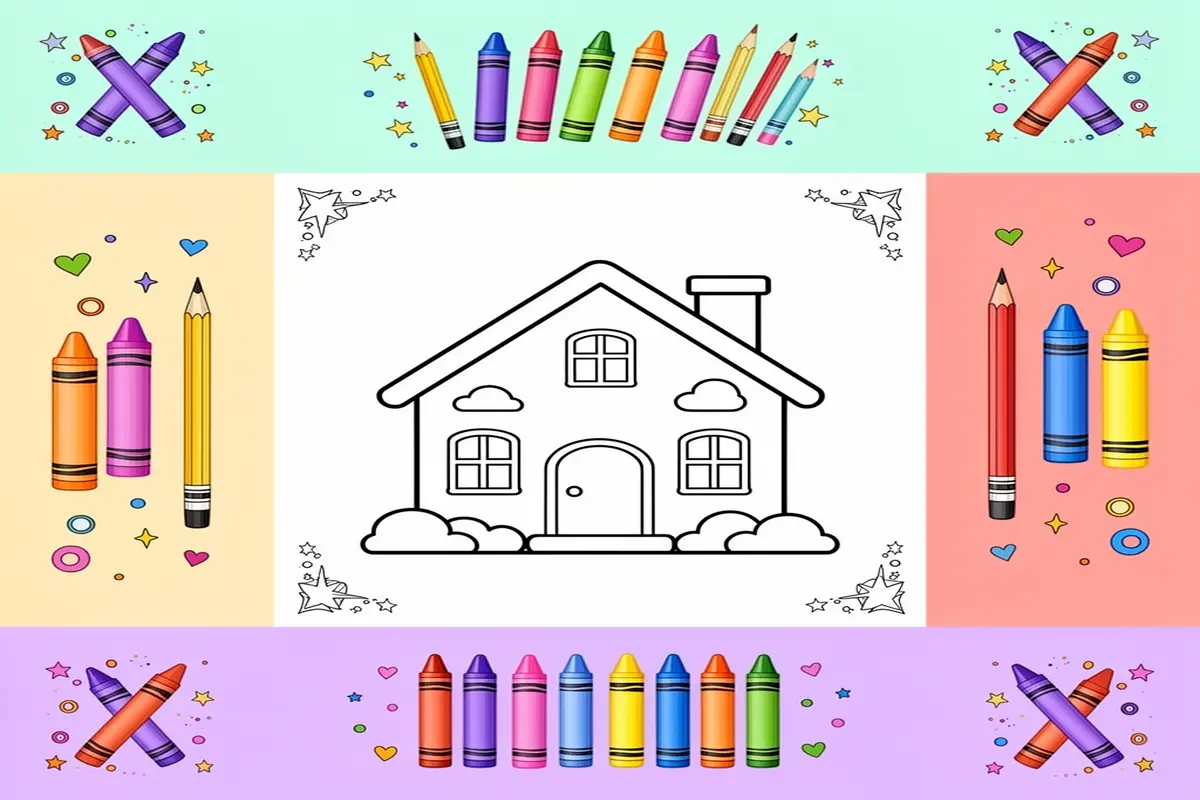
In a world of flashing screens and digital noise, the simple act of coloring offers a profound sanctuary for young minds. It’s a tactile, imaginative journey where creativity knows no bounds. Among the vast universe of themes, house coloring pages for kids hold a unique and powerful appeal.
They are more than just outlines on a page they are blank canvases for storytelling, emotional expression, and architectural wonder. A child coloring a home is not merely filling in shapes—they are defining concepts of safety, family, and belonging, or perhaps imagining fantastical dwellings straight from a storybook.
This foundational theme complements other popular categories, like the aquatic adventures found in our free dolphin coloring pages, by grounding creativity in a familiar, yet endlessly variable, subject. Engaging with house coloring pages for kids fosters fine motor skills, color recognition, and provides a wonderful, screen-free opportunity for parents and children to connect over shared artistic exploration.
The Hearth of Imagination: Why Homes Captivate Young Artists
The Psychology of Place: Coloring Comfort and Security
At its core, the image of a house is deeply symbolic. For a child, it represents their world—a place of comfort, security, and memory. When they engage with house coloring pages for kids, they are subconsciously exploring these themes. Choosing warm yellows for a sunny kitchen or a cool blue for a tranquil bedroom allows them to project their feelings and experiences onto the page. This process is not just artistic; it’s therapeutic. It provides a safe outlet for expressing emotions and crafting narratives about family life, pets, and personal space, reinforcing their sense of self and environment in a calming, focused activity.
Architectural Playground: From Cottage to Castle
Unlike a single animal or object, a house is a complex assemblage of shapes and stories. This makes house coloring pages for kids a fantastic educational tool in disguise. A simple cottage introduces geometric shapes—squares, triangles, rectangles. A detailed Victorian mansion encourages attention to intricate patterns and textures.
A whimsical gingerbread house or a futuristic space dome unleashes pure fantasy. This range allows the activity to grow with the child, moving from basic color blocking to sophisticated design thinking. They learn about perspective, structure, and environment, perhaps adding gardens, chimneys with smoke, or even a family in the window, building a holistic scene from the ground up.
Curated for Every Age and Stage
One of the greatest strengths of this theme is its universal accessibility. For toddlers and preschoolers, large, simple outlines with bold lines are perfect for practicing grip and staying within (or gloriously outside!) the lines. School-aged children can tackle more detailed pages with fences, flower boxes, and shingled roofs, which challenge their dexterity and patience.
For the advanced young artist, intricate mansions, cross-sections, or neighborhood scenes offer hours of engrossing detail. This scalability ensures that house coloring pages for kids remain a rewarding pastime for years, continually offering new levels of creative challenge and satisfaction.
Part 2: Essential Materials & Setup for House Coloring Pages for Kids
To ensure a smooth and enjoyable coloring session with house coloring pages for kids, having the right materials and a prepared workspace is key. This section details the professional-grade supplies and setup considerations that will elevate the experience from a simple activity to a rich, creative endeavor, allowing children to bring their dream homes and architectural fantasies to life with precision and joy.
The Foundation: Selecting Premium Paper for House Coloring Pages for Kids
The paper you choose is the literal canvas for your child’s creativity. For standard printing of house coloring pages for kids, a bright white, smooth, 98-110 GSM (grams per square meter) paper is ideal. This weight is thick enough to prevent bleed-through from markers while providing a smooth surface for colored pencils to layer effectively.
For a more artistic project, consider cardstock (160-200 GSM), which is excellent for mixed media and can handle water-based markers or light watercolor washes to create beautiful skies or gardens around a house. If your chosen design has intricate details like brickwork or shingles, a smoother finish will allow for finer control.
For a fun seasonal twist, you might start with a classic house before exploring more whimsical structures like our gingerbread house coloring pages, which benefit from the same paper principles.
Best Coloring Tools: A Detailed Medium Comparison
The choice of coloring medium dramatically affects the final outcome of a house coloring page.
Colored Pencils: The most versatile and controllable tool for house coloring pages for kids. Look for pencils with soft, pigmented cores (like wax- or oil-based). They are perfect for teaching shading techniques on roofs, blending colors for gardens, and adding fine details to windows and doors. They encourage patience and precision, making them excellent for developing fine motor skills.
Markers: Brilliant for bold, vibrant fills. For children, alcohol-based markers are generally not recommended due to strong odor and high bleed. Instead, opt for high-quality, water-based markers with fine and broad tips. These allow kids to quickly color large areas like walls and lawns with the fine tip reserved for outlines. Always test for bleed-through on your chosen paper.
* Crayons: Fantastic for younger artists for their durability and ease of use. They create a distinctive, textured look that can be great for stone pathways or rustic wooden doors. While less blendable, they build confidence and are perfect for broad, expressive strokes.
Finishing Touches: Gel Pens, Highlighters, and Erasers
This is where a house illustration truly comes to life. Gel pens, especially in metallic silver, gold, or white, are perfect for adding doorknobs, window reflections, or decorative trim. A white gel pen can create stunning clouds or highlights on a colored roof. Keep a good quality vinyl eraser on hand for cleaning up stray pencil marks, and a kneaded eraser is excellent for lifting color to create subtle light effects. For a glowing effect in windows or lanterns, consider using a light yellow or orange highlighter underneath colored pencil layers.
Perfect Workspace: Optimizing Lighting and Ergonomics
A proper workspace prevents fatigue and keeps the focus on fun. Ensure the coloring area is well-lit with natural light or a bright, white LED lamp to reduce eye strain and allow for accurate color perception. The table and chair should be height-appropriate so the child’s feet rest flat and their forearms can comfortably reach the paper.
For longer sessions, a slanted drawing board can improve posture and provide a better viewing angle. Keep supplies organized in cups or trays, and always protect the work surface with a large piece of cardboard or a dedicated craft mat, especially when using markers or pens.
Part 3: Elevating Your Art: Advanced Techniques for House Coloring Pages for Kids
Now that you have the perfect tools and a beautiful page ready, let’s explore how to transform your child’s coloring from simple to spectacular. Mastering a few key techniques can turn any house coloring pages for kids into a masterpiece of depth and creativity. These methods are perfect for older kids ready for a challenge or for parents and teachers looking to guide young artists toward more professional-looking results. For foundational practice with simpler shapes, consider starting with our castle coloring pages for kids or gingerbread house coloring pages.
Harmonious Palettes: Color Theory for Dream Homes
Choosing colors isn’t just about picking favorites; it’s about creating a mood. Teach young artists the basics of color harmony. For a cozy, unified look, use an analogous palette—colors next to each other on the wheel, like blues, blue-greens, and greens for a serene seaside cottage. For vibrant, eye-catching energy, a complementary scheme works wonders: think a red brick house against a lush green garden. Encourage thinking about the house’s story. Is it a sunny, cheerful home? Warm yellows and oranges will convey that feeling perfectly.
From Flat to 3D: Mastering Light and Shadow
This is the magic trick that brings a house to life. First, decide where your light source is (e.g., the sun in the top-right corner). Then, apply this simple rule: sides facing the light are lighter, sides facing away are darker. For a chimney or a windowsill, add a thin dark line along the bottom edge to make it “pop” out from the wall. Use gentle, layered pressure with colored pencils: light strokes for sunlit walls, gradually increasing pressure for shadowed sides. This technique instantly adds volume and makes the house look solid and real.
Adding Realism: Creating Texture on Every Surface
A house is made of many materials, and coloring each differently adds incredible interest. Show how to create woodgrain on a barn door by drawing slightly wavy, parallel lines with a brown pencil. For stone or brickwork, use small, irregular shapes in slightly varying shades of gray or red, leaving a hint of mortar color between them. Roof shingles can be drawn with overlapping “U” shapes in alternating dark and light tones. For a lush garden around the house, use small, circular scribbles or dots to mimic leafy textures, a skill they can expand on with our garden coloring pages for kids.
The Art of Correction: Graceful Fixes for Coloring Mistakes
Even professional artists make “happy little accidents.” The key is knowing how to adapt. If color goes outside the line, don’t panic! Often, it can be incorporated—a stray green stroke can become a small bush. For small, unwanted marks, a good white eraser can lighten it enough to layer the correct color on top. Teach the concept of “covering” with opaque media; a layer of white crayon or gouache paint under a new color can block a dark mistake. Most importantly, encourage a mindset where mistakes are just opportunities to get more creative, building confidence with every page they complete.
Showcasing Your House Coloring Pages for Kids: Creative Display Ideas
Once your young artist has filled their house coloring pages for kids with vibrant life, it’s time to celebrate their work! Moving beyond the coloring book, displaying their art builds confidence and turns their creativity into a cherished part of your home.
Preserving Your Masterpiece: Archival Tips
Protect those colorful creations from fading and wear. For long-term display, consider using acid-free photo albums or clear sheet protectors in a binder. Laminating favorite pages makes them durable for placemats or fridge magnets. For a framed piece, use UV-protective glass to prevent sunlight from bleaching the colors, ensuring their dream house remains bright.
Beyond Display: Creative DIY Projects
Transform completed pages into meaningful gifts and keepsakes. A colored page can be carefully mod-podged onto a wooden box or a simple picture frame for a personalized gift. Cut out individual houses to create unique greeting cards or bookmarks. You can even compile the best pages into a custom family coloring book, perhaps alongside their other favorite scenes like our charming farm animal coloring pages.
Your House Coloring Pages for Kids Questions Answered
How to draw a simple house for kids?
Start with a square for the main structure and a triangle on top for the roof. Add a rectangle for a door and squares for windows. Encourage kids to add details like a chimney, stepping stones, or a smiling sun. This simple framework is the perfect first step before they dive into more detailed house coloring pages for kids.
What are the benefits of coloring for child development?
Coloring enhances fine motor skills and hand-eye coordination as children learn to grip crayons and color within lines. It fosters creativity, color recognition, and focus. It’s also a wonderful, calming activity that helps children express emotions and build patience.
How do I print coloring pages for free?
Many websites, including ours, offer free, printable PDF coloring pages. Simply find a design you like, such as our house coloring pages for kids, click the download or print button, and ensure your printer has paper. For best results, use “Fit to Page” in your printer settings.
How to teach a child to color inside the lines?
Begin with larger, simpler shapes and use broken crayons that promote a proper grip. Demonstrate slow, careful strokes and praise effort over perfection. You can also lightly shade the border of the area to give a visual guide. Most importantly, keep it fun and pressure-free.
What does drawing a house represent for a child?
A house often represents a child’s sense of security, family, and self. The details they include—a smoking chimney, big windows, a welcoming door—can reflect their feelings about home, safety, and their inner world. It’s a wonderful prompt for storytelling and emotional expression.
Final Thoughts: Your House Coloring Pages for Kids Journey Begins
The simple act of coloring a house opens a door to a world of developmental benefits and shared creative joy. From mastering those first strokes within the lines to proudly displaying their artwork, children gain confidence, skills, and a beautiful outlet for self-expression. These activities create lasting memories and tangible proof of their growing abilities.
We hope this guide inspires you to fill your home with color, creativity, and the wonderful results of your child’s imagination. Remember, every colored page is a story, a moment of calm, and a step in their creative journey. Ready for your next adventure? Explore our castle coloring pages for kids and build a whole kingdom together!