We offer a wide collection of free, high-quality printable coloring pages for kids and adults. From cute animals to intricate mandalas, our designs bring creativity and relaxation to everyone. Download, print, and start coloring today!

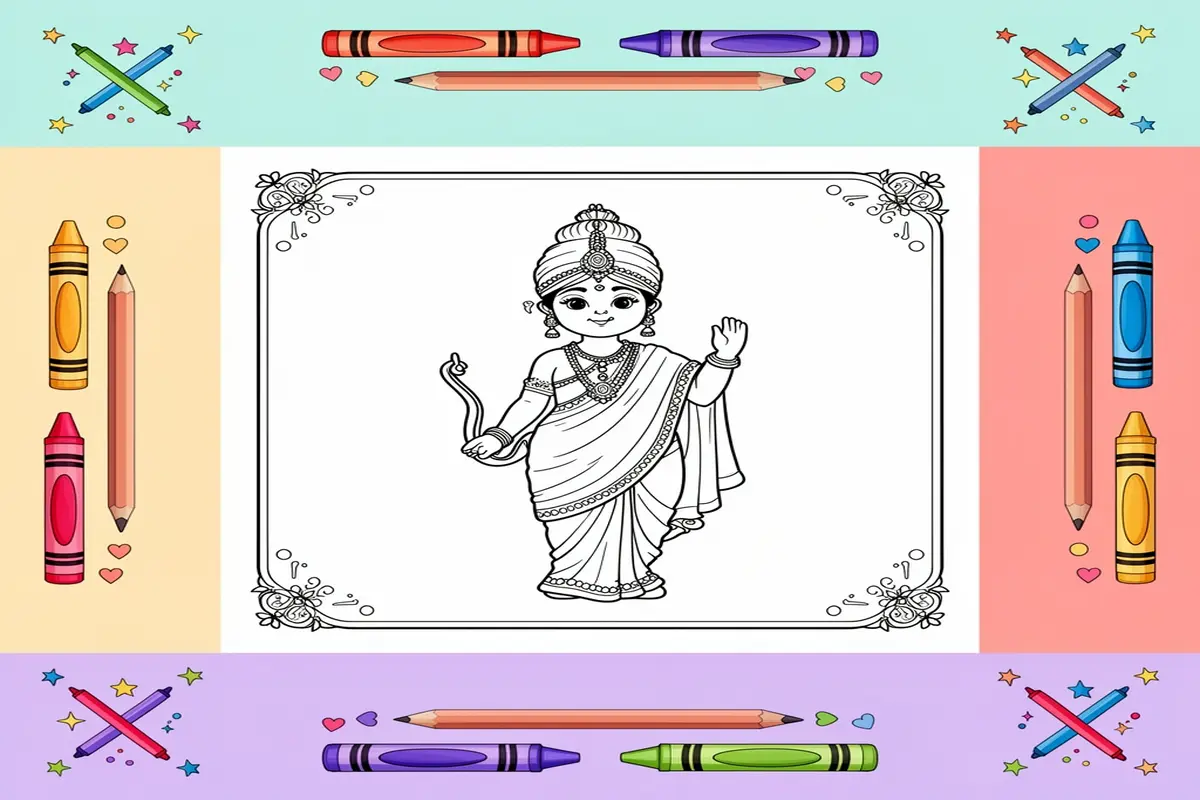
In a world of digital noise, the simple act of coloring offers a profound sanctuary for young minds. It’s a tactile, imaginative escape where focus is honed, creativity blossoms, and a quiet sense of accomplishment takes root. When these activities are centered on a theme as vibrant and diverse as India, the experience transforms into a captivating cultural voyage. India coloring pages for kids are not merely outlines to be filled; they are gateways to a land of majestic elephants, intricate henna patterns, colorful festivals like Holi and Diwali, and iconic monuments like the Taj Mahal. Through each stroke of color, children embark on an educational adventure, learning about geography, traditions, and wildlife in the most engaging way possible. This journey of discovery complements other thematic explorations, such as the aquatic wonders found in our free dolphin coloring pages, broadening a child’s artistic and worldly horizons. By introducing india coloring pages for kids into your home or classroom, you provide more than just an art project—you offer a passport to global awareness and artistic expression.
Part 1: The Allure of the Subcontinent: More Than Just Art
What is it about india coloring pages for kids that captures the imagination so completely? The answer lies in the rich tapestry of subjects they present. Unlike generic themes, these pages are a feast for curious eyes, offering a stunning array of patterns, stories, and scenes that are inherently educational and visually stimulating.
The Psychology of Pattern & Color: Building Focus Through Complexity
The intricate designs common in Indian art—from mandalas and paisleys to detailed depictions of traditional dress—are uniquely suited to developing a child’s concentration and fine motor skills. The act of navigating complex patterns with a crayon or marker requires patience and precision, fostering mindfulness and a state of flow. This focused engagement is a powerful antidote to distraction, teaching children the joy of immersing themselves in a detailed, rewarding task.
A Living Cultural Canvas: Stories in Every Line
Every element in a well-crafted India-themed coloring page tells a story. A child coloring a peacock isn’t just coloring a bird; they’re engaging with India’s national bird, a symbol of grace and beauty. Coloring a rangoli pattern introduces them to a traditional art form of welcome and good luck. This contextual learning turns a simple activity into a dynamic conversation about world cultures, history, and symbolism, making the artistic process deeply enriching.
Curated for Every Young Explorer: From Toddlers to Tweens
The beauty of india coloring pages for kids is their incredible versatility. For younger children, simpler outlines of animals like elephants or basic shapes of kites and sweets provide a perfect entry point. Older kids and even pre-teens can be challenged by pages featuring elaborate architectural details of forts and temples or scenes from epic mythological tales. This scalability ensures that every child, regardless of skill level, can find a page that inspires them, fostering a sense of achievement and a growing appreciation for a complex and beautiful culture.
Professional Materials & Preparation for india coloring pages for kids: Your Complete Toolkit
To ensure a vibrant and educational coloring experience with india coloring pages for kids, proper preparation is key. The right materials not only enhance the final artwork but also make the process more enjoyable and skill-building for children. This guide details the essential supplies and setup needed to bring the rich tapestry of Indian culture—from intricate mandalas and majestic elephants to festive Diwali scenes—to life with color and creativity.
The Foundation: Selecting Premium Paper for india coloring pages for kids
The paper you choose is the canvas for your child’s exploration of India. For standard coloring, a smooth, bright white paper around 100-120 GSM (grams per square meter) prevents bleed-through from markers and allows for smooth pencil layering. If you plan to use wet mediums like watercolor pencils or markers, opt for a heavier mixed-media or cardstock (160+ GSM). For a truly special project, consider printing your chosen india coloring pages for kids on slightly textured paper to mimic the feel of traditional art surfaces, adding an authentic tactile dimension to depictions of forts like the Taj Mahal or detailed rangoli patterns.
Best Coloring Tools: Markers vs. Colored Pencils
The choice between markers and pencils significantly impacts the final look of your india coloring pages for kids.
Colored Pencils: Ideal for detail and control, especially for the fine lines found in henna designs or architectural details. Wax-based pencils offer vibrant blending, while oil-based provide a softer laydown. They encourage fine motor skills and are less messy, making them perfect for younger artists. For blending skies over Indian landscapes or shading fabrics, pencils are unparalleled.
Markers: Alcohol-based markers deliver brilliant, bleed-free color saturation perfect for bold festival scenes like Holi or vibrant saris. However, they require bleed-proof paper. Water-based markers are a safer, more affordable option for younger children. Markers excel at filling large areas quickly, such as coloring the Indian flag or lush jungle backgrounds for tiger-themed pages. For a diverse animal-themed session that complements an Indian safari, consider our detailed elephant coloring pages free printable.
Finishing Touches: Gel Pens, Highlights, and Outliners
Elevate the artwork with specialty tools. Metallic gel pens in gold and silver are perfect for adding jewelry details to figures, highlights on peacock feathers, or Diwali firework sparks. White gel pens can create patterns on dark-colored areas or add dew to lotus flowers. Fine-line black markers or archival ink pens can be used to redefine any lines that may have become obscured during coloring, ensuring the intricate details of a detailed map of India or a complex mandala remain crisp and clear.
Perfect Workspace: Ergonomic Setup and Lighting
A well-prepared space maximizes focus and comfort. Ensure the coloring surface is stable and at an appropriate height to prevent hunching. Natural daylight is the best lighting to reveal true color accuracy, but a high-CRI (Color Rendering Index) LED desk lamp is an excellent alternative for evening sessions. Keep supplies organized in cups or trays, and always protect the work surface with a backing sheet of scrap paper. Having a dedicated, clutter-free area encourages children to immerse themselves fully in the cultural journey that india coloring pages for kids provide, turning a simple activity into an engaging educational session.
Part 3: Elevating Your Craft: Professional Techniques for india coloring pages for kids
Moving beyond simple filling-in, this section transforms coloring from a pastime into an artistic journey. By applying a few key techniques, the intricate details of india coloring pages for kids—from the ornate patterns of a peacock’s feathers to the vibrant textiles of traditional dance—can be brought to stunning, realistic life. Let’s unlock the skills that turn a flat page into a masterpiece.
Harmonious Palettes: Color Theory for Indian Themes
Understanding basic color theory is the secret to making your india coloring pages for kids visually captivating. For the rich subject matter, consider these approaches:
Complementary Colors: Use opposites on the color wheel for high contrast and vibrancy. Think orange marigolds against a blue sky during Diwali, or a green parrot perched on a red fort wall. This makes elements “pop.”
Analogous Colors: Choose colors next to each other on the wheel for harmony and serenity. This is perfect for creating a sunset over the Taj Mahal (yellows, oranges, reds) or the lush layers of a rainforest scene. For more nature-inspired palettes, explore our forest coloring pages for kids.
Cultural Authenticity: Research traditional colors: saffron, emerald green, royal blue, and vibrant magenta are staples in Indian art and festivals, adding an educational layer to the fun.
From Flat to 3D: Mastering Light and Shadow
Shading adds dimension, making an elephant look rounded or a sari look silky. Follow this simple step-by-step method:
1. Identify Your Light Source: Decide where the light is coming from (e.g., the top left corner). Be consistent across the entire page.
2. Layer Your Colors: Start with a base color. Apply medium pressure.
3. Add Shadows: On the sides opposite the light source, apply the same color with heavier pressure or use a slightly darker shade (e.g., use dark green where the base is light green).
4. Create Highlights: Leave small areas directly facing the light source the whitest or color them with a very light touch or a lighter shade.
Adding Realism: Texture Techniques for Every Surface
Texture brings tactile realism to your india coloring pages for kids. Here’s how to render common elements:
Fur and Feathers: For a peacock or a Bengal tiger, use short, quick strokes following the direction of the hair/feather growth, leaving tiny gaps. Layer different shades for depth. Our leopard coloring pages free printables offer great practice for spotted fur textures.
Stone and Architecture: For the Taj Mahal or temple carvings, use small, circular scribbles with a grey or tan pencil to mimic rough stone. Keep pressure uneven.
Fabric and Silk: For flowing saris or drapes, use long, smooth, continuous strokes in one direction to create a silky appearance. Add patterns with a sharp pencil on top.
Foliage and Skies: For leaves, use a dabbing or stippling motion. For skies, use very light, horizontal pressure to create a smooth gradient from dark blue at the top to light near the horizon.
The Art of Correction: Gracefully Fixing Coloring Errors
Mistakes are part of the process. Here’s how to handle them like a pro:
Over-Coloring: Accidentally colored outside the lines? Use the correct color to carefully redefine the border. A sharp pencil tip can cover a stray mark.
Color Bleed: If wax from a crayon has built up, gently scrape it away with a toothpick or the edge of a paperclip before trying to color over it.
Embrace the “Happy Accident”: A stray mark can become a new design element—a jewel in a headpiece, a leaf on a tree, or a pattern in a border.
* Strategic Cover-Ups: Use darker colors or patterns to cover small areas you’re unhappy with. A dark border or an added floral motif can save a section beautifully.
Showcasing Your India Coloring Pages for Kids: Creative Display Ideas
The fun doesn’t stop when the coloring is finished! Transforming your child’s completed India coloring pages for kids into beautiful displays and projects extends the learning and celebrates their creativity. Here are inspiring ways to give their artwork a second life.
Preserving Your Masterpiece: Archival Tips
Before displaying, consider protecting the artwork. For flat displays like framing, use acid-free backing boards to prevent yellowing. A simple, clear sheet protector in a binder creates an instant gallery that’s easy to flip through. For a more durable finish, consider a light spray of clear, non-yellowing fixative (used in a well-ventilated area) to prevent crayon or pastel smudging. This allows you to proudly hang their detailed elephant coloring pages or vibrant flag without worry.
Beyond Display: Creative DIY Projects
Turn colored pages into meaningful gifts and keepsakes. Laminate a beautifully colored rangoli design to create a unique placemat or coaster. Cut out elements like the national bird or animal to decorate homemade greeting cards for Diwali or Republic Day. For a beautiful collection, bind several finished pages together with ribbon to create a custom “Art of India” storybook that your child can share with family and friends.
Your India Coloring Pages for Kids Questions Answered
What do the colors of the Indian flag mean?
The Indian flag, or Tiranga, has three horizontal stripes. The top saffron (orange) stands for courage and sacrifice. The middle white represents peace, truth, and the Dharma Chakra (wheel). The bottom green symbolizes faith, fertility, and chivalry. The navy blue Ashoka Chakra in the center has 24 spokes, representing the wheel of law and eternal motion. Coloring this flag is a perfect start to exploring India coloring pages for kids.
What are the national symbols of India for kids?
India’s key national symbols are fantastic subjects for coloring pages! They include the Bengal Tiger (national animal), the Indian Peacock (national bird), the Lotus (national flower), and the Banyan Tree (national tree). The national fruit is the Mango, and the national aquatic animal is the River Dolphin. Exploring these through India coloring pages for kids is a wonderful, engaging way for children to learn about the country’s identity.
How to draw a simple Rangoli design?
Start with a simple dot grid (like 3×3 or 5×5 dots). Connect the dots with straight or curved lines to form symmetrical patterns like flowers, stars, or geometric shapes. Keep the design balanced around the center. Outline with chalk or pencil first, then fill in sections with bright, vibrant colors. This traditional art form is a joyful and creative activity that complements other India coloring pages for kids.
What are the benefits of Mandala coloring?
Mandala coloring promotes relaxation and focus, acting as a meditative activity for children. It enhances fine motor skills and hand-eye coordination. The repetitive, symmetrical patterns encourage patience and creativity while reducing stress. It’s a fantastic way to introduce mindfulness and cultural art forms found in many India coloring pages for kids.
How to draw a map of India easily?
Use a simple outline as a guide. Start by drawing a large triangle for the southern peninsula. The top has a curved, mountainous line for the Himalayas. The western side is fairly straight, while the eastern side has a gentle inward curve. Focus on the recognizable shape rather than intricate details. Kids can then color the states in different hues or label major rivers and cities.
Final Thoughts: Your India Coloring Pages for Kids Journey Begins
Embarking on a journey with India coloring pages for kids opens a vibrant world of cultural discovery, creativity, and calm. From understanding the deep meaning behind the flag’s colors to designing joyful rangoli patterns, each page is an opportunity for connection and learning. These activities do more than fill time; they build skills, foster pride in global heritage, and create cherished moments of focused, screen-free joy.
We hope this guide inspires you to display, share, and celebrate every masterpiece. Remember, each colored page is a story told in hue and line, a testament to your child’s growing curiosity about the world. Ready for your next adventure? Explore our elephant coloring pages for kids to continue the creative safari!