We offer a wide collection of free, high-quality printable coloring pages for kids and adults. From cute animals to intricate mandalas, our designs bring creativity and relaxation to everyone. Download, print, and start coloring today!

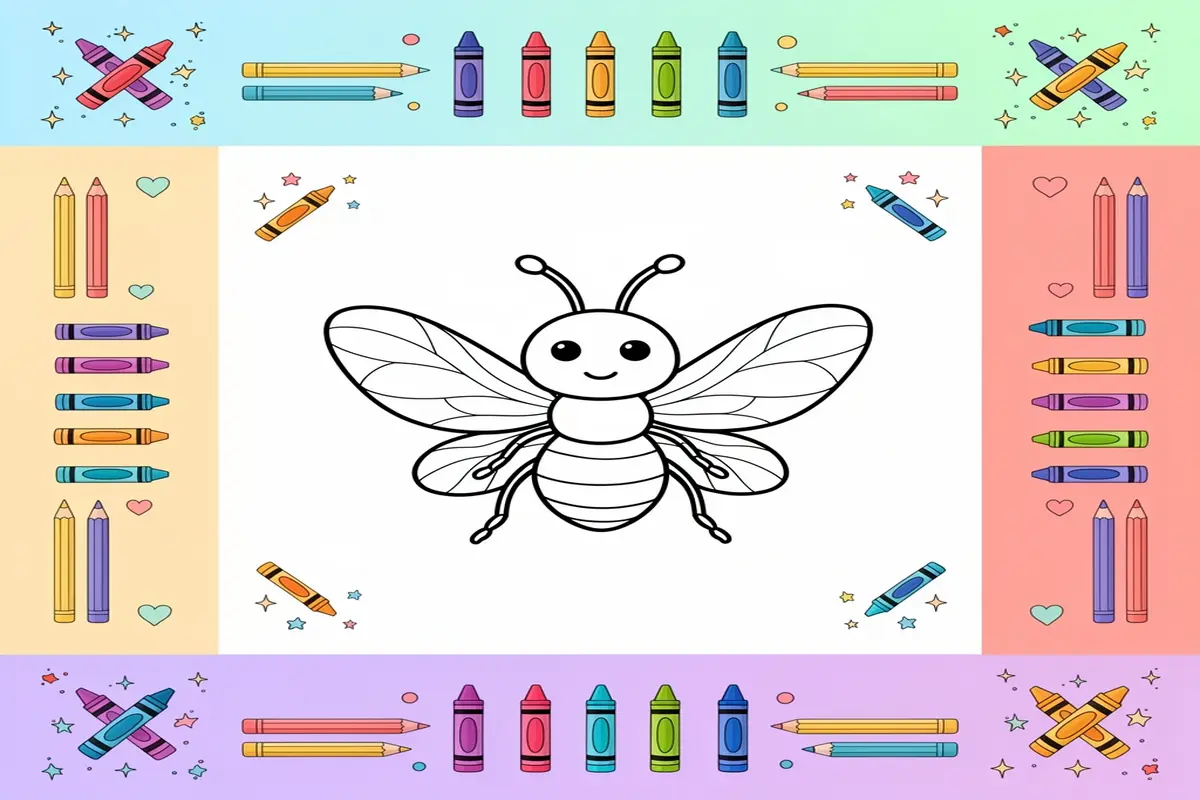
In a world of screens and digital noise, the simple act of coloring offers a precious portal to calm, creativity, and connection. It’s a tactile journey where focus is found at the tip of a crayon and wonder blooms with every chosen hue. For young explorers, few subjects ignite curiosity quite like the intricate, bustling universe of insects. From the delicate filigree of a butterfly’s wing to the bold armor of a beetle, insect coloring pages for kids transform a child’s table into a vibrant entomological expedition. These activities are far more than just a quiet pastime; they are a foundational tool for developing fine motor skills, learning about biodiversity, and fostering an appreciation for nature’s smallest architects. While our collection includes majestic creatures from the deep, like these captivating free dolphin coloring pages, there is a unique magic in magnifying the miniature world. Diving into insect coloring pages for kids invites a shift in perspective, encouraging patience, attention to detail, and a burst of artistic freedom as children decide if a ladybug should be classic red or fantastical purple.
Part 1: The Miniature Canvas: Psychology & Enduring Appeal
The Focus Formula: How Coloring Cultivates Calm
The psychological benefits of coloring are well-documented for all ages, but for children, they are particularly potent. Engaging with insect coloring pages for kids creates a state of flow, where the mind is fully immersed in the present task. The structured yet open-ended nature of filling in complex insect shapes—like the segmented body of a caterpillar or the hexagonal cells of a honeycomb—requires concentration that naturally crowds out anxiety and distraction. This mindful practice helps regulate emotions, builds patience, and provides a satisfying sense of accomplishment. The very act of choosing colors becomes an exercise in decision-making and emotional expression, making these pages a powerful, screen-free tool for mental wellness.
A Legacy in Lines: From Scientific Illustrations to Playful Pages
The fascination with illustrating insects is not new; it has deep roots in the history of science and art. For centuries, detailed engravings and paintings of insects were crucial for botanical and zoological studies, admired for their precision and beauty. Today’s insect coloring pages for kids are the joyful, accessible descendants of those scientific plates. They democratize the awe-inspiring details of entomology, transforming them into engaging play. This historical thread connects modern children to a long tradition of observation and appreciation, turning a simple activity into a subtle lesson in natural history and the artistic impulse to document the world.
Designed for All: Curated Pages for Every Young Artist
The beauty of this genre lies in its incredible range. Whether your child is a toddler just learning to hold a pencil or a pre-teen seeking a detailed challenge, there is an insect page perfectly suited to their skill level. Simple, bold outlines of friendly butterflies or ants are ideal for developing hand-eye coordination. More intricate scenes featuring a dragonfly hovering over a pond or a beetle amidst foliage offer older children a chance to experiment with shading, texture, and complex color palettes. This inclusivity ensures that insect coloring pages for kids are a lifelong resource for creative growth, continually offering new opportunities to explore, learn, and create.
Part 2: Essential Materials & Professional Preparation for insect coloring pages for kids
To transform your insect coloring pages for kids from a simple activity into an enriching educational and artistic experience, the right materials and setup are crucial. Proper preparation not only enhances the final artwork but also builds good habits, improves fine motor skills, and prolongs engagement. This guide details the professional-grade supplies and ergonomic considerations that parents and educators should invest in for optimal results.
The Foundation: Selecting Premium Paper for insect coloring pages for kids
The choice of paper is the single most important factor in determining coloring success. Standard printer paper (20-24 lb/75-90 GSM) is prone to bleeding, buckling, and tearing, especially with wet media. For insect coloring pages for kids, which often feature intricate antennae, delicate wings, and fine leg details, a heavier weight paper is non-negotiable. Opt for cardstock (65-80 lb/176-216 GSM) or dedicated marker paper. Cardstock provides a sturdy, non-porous surface that prevents bleed-through, allowing for crisp lines and vibrant layering. Marker paper is specifically designed with a smooth, bleed-resistant coating, making it ideal for detailed work on tiny insect eyes and patterned exoskeletons. For a mixed-media approach, consider a smooth-finish bristol board (100+ GSM), which handles pencils, markers, and even light watercolor beautifully.
Advanced Coloring Tools: A Detailed Medium Comparison
The coloring medium defines the artistic outcome and should be matched to the child’s skill level and the page’s detail.
Colored Pencils: The premier choice for detail and control. Look for soft-core, pigment-rich pencils (e.g., Prismacolor Premier, Faber-Castell Polychromos) that blend smoothly and layer without waxy buildup. They are perfect for shading the rounded body of a ladybug or adding texture to a butterfly’s wings. For younger children, ergonomic triangular pencils or high-quality school-grade sets provide excellent color payoff and durability.
Markers: Offer vibrant, saturated color ideal for bold, graphic insects. Alcohol-based markers (e.g., Copic, Ohuhu) provide seamless blending and no paper warping but are an investment. For most families, high-quality water-based markers with fine tips (like Stabilo Power or Crayola Super Tips) are superb. Always test for bleed-through. Markers excel for filling larger areas like a beetle’s shell or a moth’s wings.
Crayons & Gel Sticks: Excellent for toddlers and preschoolers for their bold, forgiving application. Modern gel crayons offer intense color with less pressure required, making them great for early exploration of insect coloring pages for kids.
Precision Detailing: Gel Pens, Liners, and Highlights
The secret to making insect illustrations pop lies in the finishing touches. A set of fine-line pigment liners (sizes 0.3, 0.5, and 0.8 mm) is indispensable for redefining outlines that may have been colored over, adding tiny hairs on a caterpillar, or detailing intricate wing venation. Metallic and opaque white gel pens are transformative tools. Use them to add dewdrops on a leaf, create highlights on a glossy beetle’s back, or draw delicate patterns on a butterfly’s wing that appear to sit on top of the base color. These tools encourage focus on minute details, significantly enhancing the educational and artistic value of the activity.
Ergonomic Workspace Setup: Lighting, Posture, and Organization
A proper workspace prevents fatigue and fosters concentration. Ensure the coloring surface is well-lit with natural or full-spectrum LED light to reduce eye strain and allow for accurate color perception. Chair and table height should allow the child’s feet to rest flat on the floor (or a stool) with forearms parallel to the tabletop. Organize supplies within easy reach using cups for tools and a flat palette for testing colors. For extended projects, such as working through a series of detailed butterfly coloring pages, consider a portable art board or a slanted desk to improve posture. Keeping a clean cloth for wiping hands and a scrap paper for testing strokes completes a professional setup, ready for any creative entomological exploration.
Mastering insect coloring pages for kids: Advanced Techniques for Stunning Results
Moving beyond simple fill-ins, these advanced techniques will transform your child’s insect coloring pages for kids from flat drawings into vibrant, textured masterpieces. This guide empowers parents and teachers to coach young artists in professional methods, building confidence and artistic skill with every page. For foundational practice with simpler subjects, explore our farm animal coloring pages or cute bug coloring pages.
Harmonious Palettes: Color Theory for Insect Art
Understanding basic color relationships makes insect coloring pages for kids pop. Teach children about complementary colors (opposites on the wheel) to create exciting contrast—think a green caterpillar on a red leaf. For a more natural, calming look, introduce analogous colors (neighbors on the wheel), perfect for a butterfly wing transitioning from yellow to orange to red. Encourage them to plan a palette before starting: will their ladybug be classic red, or perhaps a surprising violet? This pre-planning step turns coloring into thoughtful design.
From Flat to 3D: Mastering Light and Shadow
The secret to lifelike insects is shading. Guide your artist to imagine a light source, like the sun, in one corner of the page. The sides of the insect’s body farthest from this light should be colored slightly darker. Practice this on a simple shape like a bee’s thorax: color it solidly first, then use more pressure or a darker shade (like dark brown over yellow) on the “shadow” side. For rounded beetle shells, demonstrate how to leave a thin, white highlight streak where the light hits directly, coloring darkest around its edges to create a convincing, glossy dome.
Adding Realism: Texture Techniques for Wings and Shells
Each insect has a unique surface. Show how to create:
Translucent Wings: For dragonflies or butterflies, use very light, feathery strokes and leave plenty of white space. Lightly blending two colors at the wing’s edge can suggest iridescence.
Fuzzy Bodies: A bumblebee’s fuzz is achieved with tiny, quick strokes going in one direction, just outside the body’s outline. Use a sharp colored pencil for best results.
Bumpy Shells: For beetles, try stippling—using the pencil tip to make countless tiny dots, denser in shadowed areas. This creates a convincing, textured exoskeleton. For more creatures perfect for texture practice, our realistic lion coloring pages offer great fur-rendering challenges.
The Art of Correction: Graceful Fixes for Coloring Errors
Mistakes are part of the process! If color goes outside the lines, don’t panic. Turn the error into a feature: that stray green mark can become a tiny leaf. For heavy pencil wax bleed, carefully use a white eraser to lift excess pigment, then redraw the line with a fine black marker. Teach the power of layering—a color that’s too bright can be toned down by lightly layering a complementary color over it (a light blue over orange will mute it). Most importantly, encourage a mindset where “happy accidents” are opportunities for creativity, not failures.
Showcasing Your Insect Coloring Pages for Kids: Creative Display Ideas
The fun doesn’t stop when the last spot is colored! Turning your child’s artwork into a display boosts their confidence and adds a personal touch to your home. Here are inspiring ways to celebrate their tiny masterpieces.
Preserving Your Masterpiece: Archival Tips
To ensure those vibrant butterflies and beetles last, consider simple preservation. For special pieces, use acid-free paper when printing. Display artwork away from direct sunlight to prevent fading. A quick, light spray of clear, non-toxic art sealant (used in a well-ventilated area) can protect against smudges. For a classic look, slide pages into inexpensive frames or laminate them to create durable placemats or wall art for a child’s room.
Beyond Display: Creative DIY Projects
Transform finished pages into keepsakes and gifts. Cut out colored insects and glue them onto blank greeting cards, bookmarks, or gift tags. Create a mobile by hanging different bugs from a branch or embroidery hoop. For a learning extension, compile pages into a personalized “Bug Book,” adding fun facts. These projects extend the creative journey, just like our cute butterfly coloring pages can inspire a fluttery masterpiece.
Your Insect Coloring Pages for Kids Questions Answered
What are the benefits of coloring for kids?
Coloring is a powerhouse activity for development. It strengthens fine motor skills and hand-eye coordination, laying the groundwork for writing. It fosters creativity and color recognition while also serving as a fantastic tool for emotional regulation, providing a calm, focused outlet for self-expression and stress relief.
Where can I find free insect coloring pages?
You can find a wonderful variety of free, high-quality insect coloring pages for kids right here on our site! We offer everything from cute ladybugs to detailed beetles, all designed to be easily downloadable and printable for instant creative fun.
How do you color a realistic butterfly?
Start by observing real butterfly photos. Use light layers of color, blending shades on the wings for a gradient effect. Pay close attention to patterns—use fine-tipped markers or colored pencils for small dots and lines. Don’t forget the body; using browns and blacks with a little highlight adds dimension and life to your insect coloring pages for kids.
What are the parts of an insect for kids?
Teach kids that most insects have three main body parts: the head (with eyes and antennae), the thorax (where wings and legs are attached), and the abdomen. They have six legs and often two antennae. Coloring is a perfect way to reinforce this anatomy as children fill in each distinct section.
What is the best paper for printing coloring pages?
For best results, use standard printer paper (24 lb. or higher) for everyday coloring. If using markers or wanting to blend pencils, upgrade to smoother cardstock (65-80 lb.). This prevents bleed-through and provides a sturdier surface for detailed work on all your printable insect coloring pages for kids.
Final Thoughts: Your Insect Coloring Pages for Kids Journey Begins
Embarking on a journey with insect coloring pages for kids opens a world of tiny wonders and big developmental benefits. From the first stroke of color on a ladybug’s shell to the proud display of a finished monarch butterfly, this simple activity nurtures creativity, learning, and precious moments of calm. It’s more than just coloring—it’s an adventure into nature’s smallest details, fostering a love for science and art that can grow with your child.
We hope these ideas and answers inspire countless hours of colorful exploration. Remember, every page completed is a step toward greater creativity and knowledge. Ready for your next adventure? Explore our cute bug coloring pages for even more tiny creatures to bring to life!