We offer a wide collection of free, high-quality printable coloring pages for kids and adults. From cute animals to intricate mandalas, our designs bring creativity and relaxation to everyone. Download, print, and start coloring today!

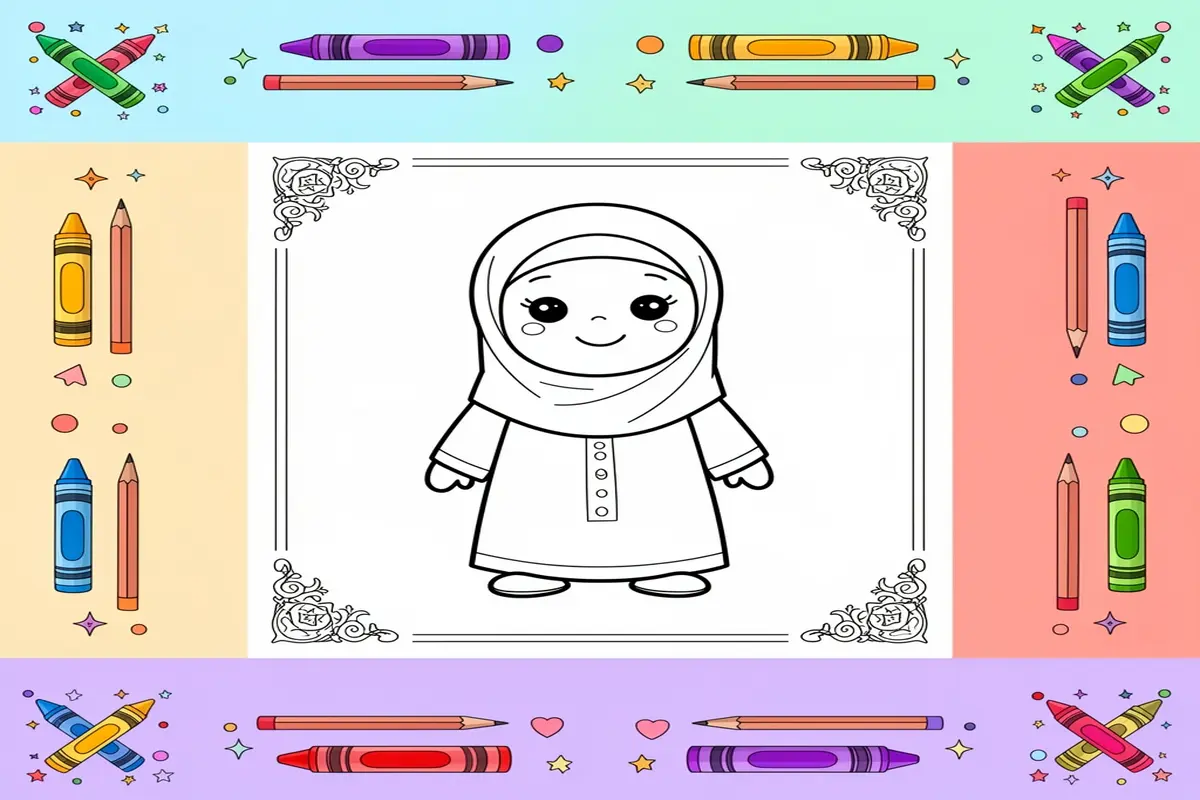
In a world of digital noise, the simple act of coloring offers a precious sanctuary for young minds. It’s a tactile, screen-free journey where creativity blossoms and focus deepens. For Muslim families, this universal joy takes on a beautiful new dimension with islamic coloring pages for kids. These aren’t just ordinary drawings; they are vibrant gateways to understanding faith, culture, and the magnificent creation of Allah. From intricate geometric patterns echoing architectural wonders to serene scenes of mosques and beloved animals mentioned in the Quran, each page becomes a canvas for spiritual connection. This creative practice fosters a gentle, engaging introduction to Islamic values, making learning personal and memorable. As children color a majestic whale, they can recall the story of Prophet Yunus, or as they bring a farm scene to life, they reflect on the blessings of the creatures around us. Explore our collection of free whale coloring pages to begin this artistic exploration of creation.
The Artful Bridge: Where Creativity Meets Islamic Learning
The Mindful Stroke: Cultivating Calm and Concentration
Beyond mere entertainment, engaging with islamic coloring pages for kids is an exercise in mindfulness. The focused attention required to color within lines and choose harmonious hues naturally quietens the mind, reducing anxiety and promoting a state of calm. This meditative process is perfectly aligned with Islamic teachings on remembrance (dhikr) and presence of heart. For a child, the quiet time spent coloring a beautiful “Allah” or “Masha’Allah” design can become a moment of peaceful reflection, embedding positive affirmations and core concepts in a deeply personal way.
A Tapestry of Symbols: Understanding Heritage Through Art
Each element in these pages tells a story. The crescent moon and star, the elegant Arabic calligraphy, the depiction of the Ka’aba or a smiling family preparing for Eid—all serve as gentle educational tools. As children color, parents and educators have a natural opportunity to discuss the significance behind the images. This transforms art time into an immersive cultural lesson, helping young Muslims visually connect with their identity and heritage. It’s a hands-on method to learn about pillars of Islam, important prophets, and the etiquette of daily life in a format that resonates with their imaginative world.
Designed for All: From Tiny Hands to Growing Artists
The beauty of islamic coloring pages for kids lies in their incredible versatility. For toddlers and preschoolers, simple outlines of mosques, stars, and basic shapes build motor skills and color recognition. Older children can tackle more complex scenes filled with geometric arabesque patterns or detailed nature landscapes that teach about Allah’s creation. This scalability ensures that every child, regardless of age or skill level, can participate, feel successful, and grow in their understanding. It makes Islamic learning inclusive, accessible, and, most importantly, a source of joy and pride for the entire family.
Professional Materials & Preparation for islamic coloring pages for kids
To ensure a successful and enriching coloring session, having the right materials and a prepared environment is key. This guide outlines the professional-grade supplies and setup that will help children get the most out of their islamic coloring pages for kids, transforming a simple activity into a lasting, meaningful project. Proper tools not only enhance the final artwork but also make the process more enjoyable and comfortable for young artists.
The Foundation: Selecting Premium Paper for islamic coloring pages for kids
The quality of your paper directly impacts the final result. For printable islamic coloring pages for kids, standard printer paper (20-24 lb/75-90 GSM) is sufficient for dry mediums like colored pencils or crayons. However, for markers, water-based paints, or heavy blending, upgrading to a heavier cardstock (65-80 lb/176-216 GSM) is essential to prevent bleeding, buckling, and tearing. A smooth surface (hot-press) is ideal for fine details and marker application, while a slightly textured paper (cold-press) adds depth and character to colored pencil work. For projects you wish to display, consider archival-quality, acid-free paper to prevent yellowing over time. This careful selection ensures that intricate designs, such as those found in our alphabet coloring pages for kids which often feature Islamic motifs, remain crisp and vibrant.
Best Coloring Tools: A Detailed Medium Comparison
Choosing the right coloring tool depends on the desired outcome and the child’s skill level.
Colored Pencils: The most versatile and recommended tool for detailed work. Look for pencils with soft, pigmented cores (oil- or wax-based) that blend easily. A set of 24-48 colors provides ample range for shading intricate geometric patterns or mosque architecture. They offer excellent control for small areas and are mess-free.
Markers: Provide vibrant, solid blocks of color. For islamic coloring pages for kids, fine-tip or brush-tip alcohol-based markers are superior as they blend seamlessly and do not bleed through heavier paper. Water-based markers are a more affordable and child-friendly option but are best used on cardstock. Markers are excellent for larger areas and creating bold, eye-catching artwork.
Crayons & Gel Crayons: Traditional wax crayons are great for younger children, offering durability and ease of use. Gel crayons are a modern alternative that glide smoothly and can be blended with a finger for a painterly effect, adding a unique texture to designs.
Finishing Touches: Gel Pens, Highlights, and Outliners
Elevate the artwork with specialized detailing tools. Metallic or opaque white gel pens are indispensable for adding highlights to stars and moons, tracing Arabic calligraphy, or creating decorative dots on borders. They bring a luminous quality to the page. Fine-line ink pens (e.g., 0.1-0.5 mm) are perfect for reinforcing outlines or adding intricate patterns within larger shapes. A colorless blender marker (for alcohol-based sets) can be used to smooth gradients and create soft shadows, adding professional polish to the finished piece.
Perfect Workspace: Optimizing Lighting and Ergonomics
A well-prepared workspace fosters focus and comfort. Ensure the coloring area is illuminated by bright, natural light or a high-quality daylight LED lamp to reduce eye strain and allow for accurate color perception. The seating should support good posture; the child’s feet should rest flat on the floor or a stool, with the table at elbow height. Keep supplies organized in cups or trays for easy access. Laying down a protective mat or newspaper safeguards the table surface, and having a scrap paper sheet underneath the coloring page prevents smudging and provides a testing area for colors. This thoughtful setup encourages longer, more engaged sessions.
Mastering Islamic Coloring Pages for Kids: Advanced Artistic Techniques
Ready to transform your child’s coloring from simple fills to stunning, gallery-worthy art? This guide moves beyond basic crayons to explore professional techniques that bring depth, emotion, and realism to Islamic coloring pages for kids. By mastering these skills, children don’t just color—they create meaningful, beautiful representations of their faith.
Harmonious Palets: Color Theory for Spiritual Art
Understanding basic color theory can elevate a coloring page from chaotic to cohesive. For Islamic coloring pages for kids, certain palettes can evoke specific feelings. Teach your child about analogous colors (those next to each other on the wheel, like blues and greens) to create serene mosque domes or peaceful garden scenes from our garden coloring pages for kids. Complementary colors* (opposites, like blue and orange) can make Arabic calligraphy or geometric patterns truly pop. Encourage them to choose a limited, intentional palette before starting to unify their artwork and reflect the harmony found in Islamic designs.
From Flat to 3D: Mastering Light and Shadow
Shading is the magic that turns a flat circle into a glowing moon for Ramadan or a simple arch into a majestic mosque dome. Guide your child to imagine a single light source. What side is the light coming from? The areas farthest from that light should be darker. Start with a base color, then apply gentle, layered pressure to add a medium tone in shadow areas, and a deep tone in the darkest creases. Use a blending tool or a lighter touch to soften harsh lines. This step-by-step approach to depth makes elements in their Islamic coloring pages for kids appear to lift right off the page.
Adding Realism: Rendering Diverse Textures
Is it the rough stone of the Kaaba, the flowing silk of a hijab, or the intricate metalwork of a lantern? Texture brings storytelling to life. For fluffy clouds or sheep (often featured in stories of the prophets), use small, tight circular scribbles. For shiny surfaces like a star or crescent, leave strategic white spots as highlights and use smooth, solid coloring around them. To create the look of intricate tile work, suggest they color each tiny tile separately with slight variations in hue. Exploring our geometric coloring pages for kids is excellent practice for the precise patterns found in Islamic art.
The Art of Correction: Graceful Fixes for Common Mistakes
Even professional artists make mistakes—the key is knowing how to fix them. If color bleeds outside the lines, don’t panic. Use a fine-tipped white gel pen or a sharpened white colored pencil to carefully redefine the border. For a waxy crayon build-up, gently scrape excess wax away with a toothpick before layering a new color on top. If a chosen color simply doesn’t work, turn it into an opportunity for layered blending by going over it with a darker or more harmonious shade. Remind your child that in art, as in other pursuits, patience and a calm, problem-solving mindset—much like the mindfulness found in our calm coloring pages for kids—can transform an “error” into a unique feature of their masterpiece.
Showcasing Your Islamic Coloring Pages for Kids: Creative Display Ideas
Once your child has completed their beautiful Islamic coloring pages for kids, it’s time to celebrate their creativity! Moving beyond the coloring book, these artworks can become meaningful decor and cherished gifts that reinforce their learning.
Preserving Your Masterpiece: Archival Tips
To ensure these special creations last, consider simple preservation methods. For truly beloved pieces, use acid-free sheet protectors in a binder to create a personal Islamic art portfolio. You can also laminate pages to make them durable for play or as placemats. For a more formal display, mount the artwork on colored cardstock that complements the design, creating a beautiful, ready-to-frame piece that honors their effort.
Beyond Display: Creative DIY Projects
Transform completed pages into meaningful gifts and keepsakes. Create personalized greeting cards for Eid or Ramadan by cutting out the colored design and gluing it onto folded cardstock. Laminate smaller sections to make bookmarks featuring Arabic letters or mosque silhouettes. You can even decoupage them onto a plain wooden box to create a special treasure chest for Islamic keepsakes. For a collaborative project, combine several colored pages to craft a unique “Family Values” banner for your home. For more creative inspiration with animal themes, our free dolphin coloring pages offer wonderful artistic opportunities.
Your Islamic Coloring Pages for Kids Questions Answered
We know parents and educators have questions about integrating faith-based art into learning. Here are answers to some of the most common queries.
What are the benefits of Islamic coloring pages for kids?
These coloring pages offer multifaceted benefits. They provide a calming, screen-free activity while subtly teaching Islamic themes, stories, and values. The act of coloring enhances fine motor skills and focus. Most importantly, they open natural dialogues about faith, helping children connect visually with concepts like the beauty of Allah’s creation, making Islamic coloring pages for kids a powerful, gentle educational tool.
Is drawing and coloring allowed in Islam?
Yes, drawing and coloring are generally permitted and encouraged in Islam, especially for educational purposes. The primary Islamic consideration involves avoiding the depiction of animate beings (like humans and animals) with full detail in a manner that could be seen as idolatrous. Islamic coloring pages for kids often wisely focus on geometric patterns, Arabic calligraphy, natural scenery, and inanimate objects like mosques or the Ka’aba, making them a wonderful and Islamically appropriate creative outlet.
How to teach the Arabic alphabet using coloring pages?
Use coloring pages that feature large, decorative Arabic letters. As your child colors each letter, clearly pronounce its sound (e.g., “Alif” for ا). Incorporate the letter into a simple, related word they can learn, like “أرنب” (Arnab – rabbit) for ‘Alif’. This multi-sensory approach—seeing, coloring, hearing, and repeating—makes memorization engaging and effective, building a fun foundation for Quranic reading.
What are suitable themes for Islamic coloring books?
Suitable themes include Arabic alphabet letters, geometric arabesque patterns, mosque architecture, natural creations like stars, moons, and planets, Islamic holiday scenes (Eid, Ramadan), items like prayer mats and dates, and landmarks such as the Ka’aba. These themes are culturally rich, educationally valuable, and align with Islamic artistic traditions, providing a wholesome focus for creativity.
How does coloring help children learn Islamic values?
Coloring provides a quiet, reflective time where lessons can be gently discussed. As a child colors a page about sharing, a parent can talk about the importance of charity (Zakat). Coloring a scene of nature reinforces the value of caring for Allah’s creation. This shared activity embeds values like patience, gratitude, and unity through positive association and conversation, making the learning personal and memorable.
Final Thoughts: Your Islamic Coloring Pages for Kids Journey Begins
Embarking on the journey with Islamic coloring pages for kids is about so much more than staying within the lines. It’s a pathway to bonding, peaceful reflection, and instilling a love for faith through the universal language of creativity. Each page completed is not just a piece of art; it’s a building block for identity, a moment of mindful calm, and a tangible connection to beautiful Islamic concepts. The benefits—from enhanced motor skills to spiritual conversations—unfold naturally with every color chosen and every story shared.
We encourage you to embrace this simple yet profound tool. Let it spark curiosity, celebrate your child’s unique expression, and fill your home with creations that reflect the beauty of your faith. Ready for your next creative adventure? Explore our vast collection of animal-themed pages, starting with majestic lion coloring pages to continue celebrating the wonders of creation!