We offer a wide collection of free, high-quality printable coloring pages for kids and adults. From cute animals to intricate mandalas, our designs bring creativity and relaxation to everyone. Download, print, and start coloring today!

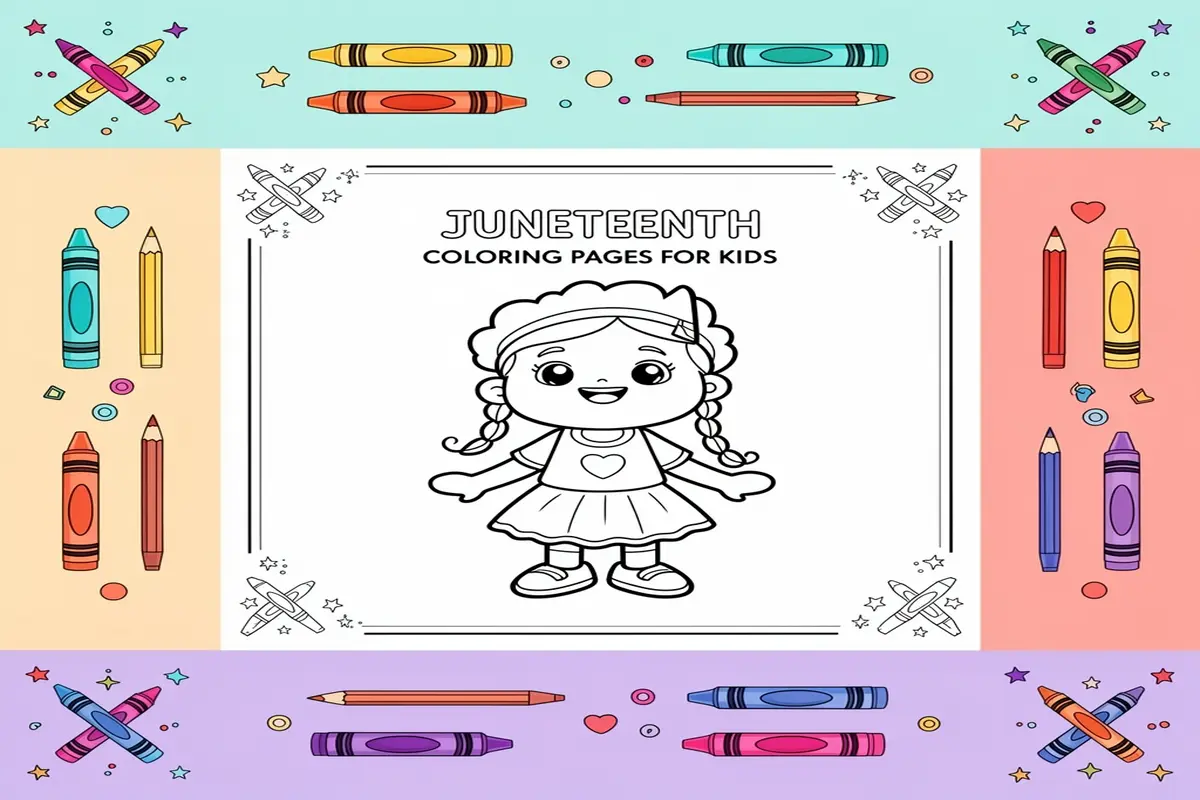
In a world where screens often dominate, the simple, tactile joy of coloring offers a profound return to creativity and connection. It’s more than just an activity; it’s a gateway to mindfulness, a tool for education, and a canvas for personal expression. This is especially true when the pages themselves tell a story of resilience, freedom, and cultural pride. Introducing juneteenth coloring pages for kids—a unique and meaningful way to engage young minds with a pivotal chapter in American history. These aren’t just any printables; they are conversation starters, artistic explorations, and celebratory tributes all rolled into one. As families seek activities that combine fun with substance, these themed pages provide the perfect opportunity to discuss the significance of June 19th, 1865, in an accessible, hands-on manner. Much like exploring the wonders of the ocean with our free dolphin coloring pages, engaging with Juneteenth coloring pages for kids opens up a world of learning through art. They transform abstract historical concepts into tangible images of parades, community gatherings, symbolic foods, and the iconic Juneteenth flag, making freedom and jubilation something a child can literally hold in their hands and color with their own palette.
The Palette of Progress: More Than Just Crayons and Paper
At first glance, coloring is a simple pastime. Yet, when applied to a theme as rich as Juneteenth, it becomes a multidisciplinary tool for development and understanding. These specific pages do the heavy lifting of translating complex historical narratives into age-appropriate visual stories, fostering a deeper connection than words alone might achieve.
The Mindful Stroke: Cultivating Focus and Emotional Awareness
Coloring is a known mindfulness practice, even for children. The focused attention required to stay within lines and choose colors engages the brain’s frontal lobe, enhancing concentration and pushing aside distracting thoughts. When a child colors a scene of a Juneteenth celebration, they are not just filling space; they are quietly processing themes of unity, achievement, and joy. This meditative act can help ground emotions, making it an excellent activity for discussing feelings related to fairness, community, and history in a calm, creative setting.
A Living History Lesson: Coloring as an Educational Dialogue
Every symbol on a Juneteenth coloring page for kids is a teachable moment. The bursting star in the center of the Juneteenth flag, the surrounding arc, the red, white, and blue—each element holds meaning. As children ask, “Why is this red?” or “What does this star mean?,” a natural, organic dialogue about emancipation, hope, and a new dawn begins. This interactive learning is far more impactful than passive listening, allowing history to be absorbed through the engaging process of creation. It makes the past personal and relevant.
Designed for All Hands: Accessibility Across Ages and Skills
The beauty of juneteenth coloring pages for kids lies in their versatility. For younger artists, pages with larger, simpler designs featuring hands clasped in unity or a bold flag ensure success and build confidence. For older children and even adults joining in, more intricate scenes depicting historical moments, detailed patterns inspired by African textiles, or community feast tables offer a satisfying challenge. This inclusivity means the entire family can participate, each at their own level, turning the activity into a shared experience of learning and remembrance. It’s art that meets every learner where they are.
Part 2: Essential Materials for Exceptional juneteenth coloring pages for kids
To transform your juneteenth coloring pages for kids from a simple activity into a meaningful and vibrant learning experience, having the right materials is key. The proper tools not only enhance the final artwork but also make the process more enjoyable and accessible for children of all skill levels. This guide details the professional-grade supplies that will help young artists honor the themes of freedom and history with color and creativity. For projects that celebrate heritage and culture, pairing these materials with our Black History Month coloring pages can create a powerful and educational art series.
The Foundation: Selecting Premium Paper for juneteenth coloring pages for kids
The paper you choose is the literal canvas for your child’s creativity and directly impacts the performance of coloring mediums. For standard use with crayons and colored pencils, a smooth, bright white paper with a weight of around 100-120 GSM (grams per square meter) is ideal. It provides enough tooth for pencil layering without causing excessive wear on tips. For markers, especially alcohol-based ones, it is imperative to use heavyweight, marker-specific paper (often 160 GSM or higher) or bleed-proof paper to prevent colors from soaking through to the other side. This is crucial when printing double-sided juneteenth coloring pages for kids. A slightly textured paper can add depth to pencil work, allowing for better blending when depicting symbolic elements like the Juneteenth flag or intricate patterns.
Artistic Mediums: A Detailed Comparison for Lasting Color
The choice between markers, colored pencils, and crayons defines the artwork’s texture and vibrancy.
Colored Pencils (Wax vs. Oil-Based): Wax-based pencils (e.g., Crayola) are excellent for beginners, offering smooth application and easy blending. For more advanced work on juneteenth coloring pages for kids, consider oil-based pencils. They have harder leads that allow for sharper details and finer layering without the wax bloom that can create a hazy finish. Look for pencils with high pigment concentration for rich, opaque colors.
Markers (Alcohol vs. Water-Based): Water-based markers are child-friendly, washable, and perfect for broad areas of color. For professional, blendable results with no streaks, alcohol-based markers are superior. They dry quickly and allow for seamless color transitions, ideal for creating gradients in sunsets or flags. However, they require bleed-proof paper and good ventilation.
* Crayons: Modern crayons offer improved pigment load and smoother application. They are excellent for creating textured, expressive areas and are a tactile favorite for younger children.
Finishing Touches: Gel Pens, Highlights, and Outlining
Elevate the completed page with detailing tools. Gel pens, especially in metallic gold, silver, and white, are perfect for adding highlights to stars, outlining key symbols, or writing empowering words like “Freedom” or “Hope” on the artwork. Fine-line permanent markers (e.g., 0.3mm tip) in black or dark colors are essential for redefining outlines that may have become obscured during coloring, ensuring each element of the Juneteenth design remains crisp and clear. A white colored pencil or a white gouache paint pen can be used to add light effects and correct small mistakes, adding a final layer of polish.
Creating the Ideal Workspace: Ergonomics and Lighting
A proper workspace fosters focus and comfort. Ensure the coloring surface is stable and at an appropriate height to prevent hunching. Natural daylight is the best lighting for accurate color perception; if unavailable, a high-CRI (Color Rendering Index) LED desk lamp that mimics daylight will reduce eye strain and show true colors. Keep supplies organized in cups or trays, and always protect the work surface with a scrap piece of cardboard or a dedicated craft mat, especially when using permanent markers or pens. This prepared environment allows children to fully engage with the history and artistry of their Juneteenth creations.
Mastering Juneteenth Coloring Pages for Kids: Advanced Artistic Techniques
Moving beyond simple filling-in, these advanced techniques will transform your child’s Juneteenth coloring pages for kids from flat images into vibrant, textured works of art. This guide empowers parents and teachers to mentor young artists in developing real artistic skills while honoring the holiday’s significance.
Harmonious Palets: Color Theory for Juneteenth Pages
Understanding basic color theory elevates any project. For Juneteenth coloring pages for kids, discuss the meaning behind the traditional Pan-African colors—red for blood and resilience, green for land and prosperity, and black for the people. Teach children about complementary colors (opposites on the wheel, like red and green) to make elements pop, and analogous colors (neighbors on the wheel, like various reds and oranges) for harmonious backgrounds. For example, a vibrant sun in a Juneteenth coloring page could use analogous yellows and oranges, making the central flag’s complementary reds and greens stand out powerfully. Explore more thematic palettes with our Black History Month coloring pages.
From Flat to 3D: Mastering Shading and Depth
Shading adds dimension and drama. Guide kids to imagine a light source on their page (e.g., the sun in the top corner). The sides of shapes opposite that light will be darker. Start with a base color, then apply gentle, additional layers of the same hue to shadowed areas. For a 3D effect on symbols like a dove or a curled flag, use the side of a colored pencil to create soft gradients. A simple trick: color more heavily along the edges of a shape and lighten pressure toward the imagined light. This technique can make the stars on a Juneteenth coloring page look rounded and real.
Adding Realism: Creative Texture Techniques
Texture brings illustrations to life. For the rough bark of a “Tree of Liberty,” use small, sharp, circular scribbles. For the soft fabric of traditional Kente cloth patterns often featured, try smooth, parallel strokes. To create a fiery texture for a “celebration sparkler,” use short, sharp dashes radiating outward. Clouds in the sky can be rendered with soft, blending strokes. For animal textures that might appear in scenes of freedom, such as birds, our bird coloring pages offer excellent practice. Encourage kids to think about how an object feels, then translate that feeling into a mark-making pattern.
The Art of Correction: Gracefully Fixing Coloring Errors
Mistakes are part of the process. If a color goes outside the lines, don’t panic! Often, the background can be colored to absorb the stray mark. For a small slip, use a white gel pen or a colorless blender pencil to soften and push the color back. If a chosen color isn’t working, try layering a new color on top; dark blues can often tone down an overly bright yellow, for instance. Teach children that art is adaptable. A “wrong” color can become a highlight or shadow with some creative layering. The goal is joyful expression, not perfection, especially when engaging with meaningful Juneteenth coloring pages for kids.
Showcasing Your Juneteenth Coloring Pages for Kids: Creative Display Ideas
Once the crayons and markers are put away, the celebration continues by showcasing your child’s artwork. Displaying their finished Juneteenth coloring pages for kids transforms their creative effort into a meaningful part of your home or classroom, serving as a daily reminder of freedom and resilience.
Preserving Your Masterpiece: Archival Tips
To ensure these special creations last, consider simple preservation methods. For flat displays, use acid-free tape or photo corners in a frame to avoid damaging the paper. If you want to create a keepsake portfolio, store pages in a clear plastic sleeve within a binder. For a more permanent finish, a light spray of clear, non-yellowing sealant (used in a well-ventilated area) can protect against smudging and fading from sunlight, keeping the vibrant reds, blues, and whites bright.
Beyond Display: Creative DIY Projects
Turn completed coloring pages into cherished gifts and decorations. Laminate a page to create a unique placemat for your Juneteenth feast. Cut out colored symbols like stars or bursting patterns to make homemade greeting cards or decorative gift tags. You can also decoupage smaller pieces onto a wooden box or picture frame, creating a beautiful, personalized craft that honors the holiday’s significance and your child’s artistic contribution.
Your Juneteenth Coloring Pages for Kids Questions Answered
How do you explain Juneteenth to a child?
Explain that a long time ago, not everyone in America was free. Even after a big rule said slavery should end, some people in Texas didn’t know. On June 19th, 1865, soldiers arrived to share the news that everyone was finally free. We celebrate Juneteenth as our country’s second Independence Day—a day of freedom, joy, and hope for the future. Juneteenth coloring pages for kids are a wonderful tool to start this important conversation.
What are the official colors of Juneteenth?
The official colors are red, white, and blue, mirroring the American flag. These colors remind us that enslaved people were Americans and that freedom and justice are for everyone. The red is particularly significant, representing resilience, bloodshed, and the rich cultural heritage of the African American community. You’ll see these powerful colors prominently featured in flags and on Juneteenth coloring pages for kids.
What does the Juneteenth flag symbolize?
Designed by Ben Haith, the flag is rich with symbolism. Its colors are red, white, and blue. A large bursting star in the center represents Texas, the Lone Star State, and the new freedom spreading across the nation. The curved arc across the horizon symbolizes a new horizon of opportunities and hope for Black Americans following emancipation.
Why is the color red important for Juneteenth?
Red holds deep significance on Juneteenth. It symbolizes the blood shed by ancestors throughout the struggle for freedom. It also represents resilience, strength, and sacrifice. In celebrations, red foods like strawberry soda, red velvet cake, and watermelon are enjoyed, connecting to West African traditions and the enduring spirit of the community.
How can kids celebrate Juneteenth?
Kids can celebrate by learning the history through stories and songs, creating art like coloring pages, and attending local parades or festivals. Families can cook a special meal featuring red foods, support Black-owned businesses, and share stories of freedom and achievement. It’s a day for joy, reflection, and community.
Final Thoughts: Your Juneteenth Coloring Pages for Kids Journey Begins
The simple act of coloring becomes a profound journey when paired with the story of Juneteenth. As your children fill each page with the vibrant colors of freedom, they’re not just creating art—they’re connecting with a pivotal chapter in history, fostering empathy, and participating in a living tradition of remembrance and joy. These Juneteenth coloring pages for kids offer a gentle, engaging gateway to discussions about equality, resilience, and the ongoing pursuit of justice.
We hope this guide inspires you to make this Juneteenth a creatively educational and deeply meaningful experience. Display your child’s work with pride, knowing each piece is a celebration of freedom crafted by their own hands.
Ready for your next adventure? Explore our Black History Month coloring pages for more educational and inspiring activities!