We offer a wide collection of free, high-quality printable coloring pages for kids and adults. From cute animals to intricate mandalas, our designs bring creativity and relaxation to everyone. Download, print, and start coloring today!

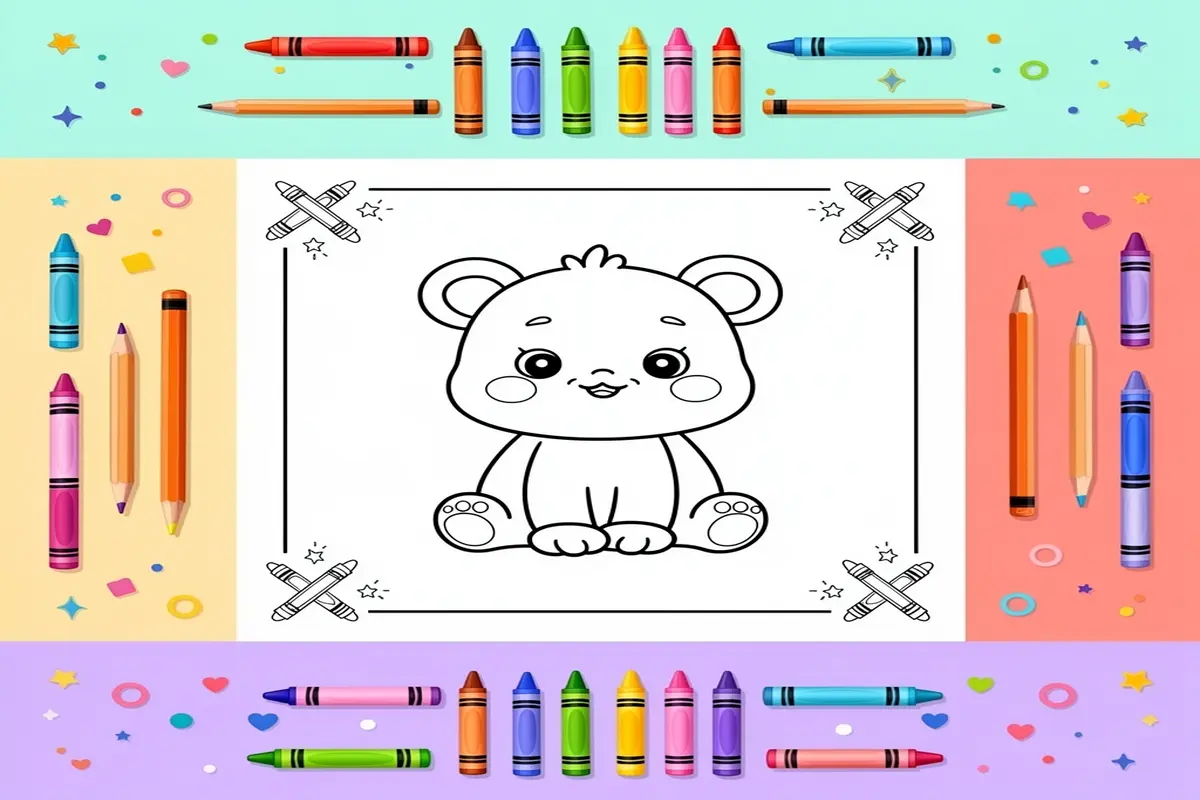
In the quiet hum of a kindergarten classroom, amidst the scent of crayons and construction paper, a profound journey begins. The simple act of selecting a color and guiding it across the page is far more than a pastime; it is a foundational rite of passage in childhood development. kindergarten coloring pages for kids serve as the inaugural bridge between imagination and fine motor skill, between chaotic scribbles and intentional creation. These pages are not merely outlines to be filled but are structured invitations to explore boundaries, recognize shapes, and express burgeoning emotions through hue and line. For educators and parents alike, they represent a powerful, accessible tool to foster concentration, color recognition, and the quiet joy of making one’s mark. As we delve into the world of kindergarten coloring pages for kids, we uncover a resource that balances educational rigor with pure creative delight, offering themes from friendly farm animals to majestic sea creatures like those found in our collection of free whale coloring pages.
Part 1: Beyond the Lines: The Cognitive & Emotional Alchemy of Coloring
At first glance, a coloring page is a static image. Yet, for a young child, it is a dynamic landscape for cognitive and emotional growth. The process of coloring engages multiple domains of development simultaneously, transforming a simple activity into a rich learning experience.
The Mindful Miniature: Building Focus in a Distracted World
In an age of fleeting digital stimuli, the focused attention required to color within lines is a revolutionary act for a kindergarten mind. This task demands a harmonious blend of visual perception and fine motor control, strengthening the neural pathways essential for writing. The repetitive, rhythmic motion of coloring induces a state of calm, flow-like concentration, reducing anxiety and providing a tangible sense of accomplishment. This mindful practice lays the groundwork for sustained attention spans, teaching children that patience and persistence yield beautiful results.
A Historical Hues: From Pedagogy to Personal Expression
The use of coloring in early education is not a modern fad but an evolved pedagogical tool. Its roots intertwine with developmental psychology, recognizing that structured artistic activity supports cognitive organization. Today’s kindergarten coloring pages for kids have expanded from basic shapes to encompass a universe of themes—alphabets, cultures, ecosystems, and emotions. This evolution mirrors a deeper understanding: that these pages are a child’s first canvas for contextual learning and personal narrative. Coloring a jungle scene isn’t just about green and brown; it’s an entry point into biodiversity, geography, and storytelling.
Designed for Discovery: Meeting Every Young Artist Where They Are
The true genius of quality kindergarten coloring pages for kids lies in their calibrated design. They feature bold, clear lines that are forgiving for unsteady hands yet detailed enough to challenge developing skills. Themes are carefully chosen to resonate with a child’s world and curiosity, from familiar animals and family scenes to fantastical adventures. This thoughtful curation ensures that every child, regardless of initial skill level, can engage successfully. The pages meet the young artist at their point of need, offering a non-verbal medium for expression, a safe space for making choices, and a proud artifact to share—the first of many masterpieces in their creative journey.
Professional Materials & Preparation for kindergarten coloring pages for kids: A Curator’s Guide
The transition from simple scribbles to controlled coloring is a significant developmental milestone. Having the right materials on hand can transform this creative activity from a fleeting distraction into a foundational learning experience. Proper preparation for kindergarten coloring pages for kids ensures that young artists can focus on expression and skill-building without frustration. This section details the essential toolkit and setup to maximize the educational and fun potential of every coloring session.
The Foundation: Selecting Paper for Lasting Masterpieces
Not all paper is created equal, especially for little hands learning pressure control. For standard kindergarten coloring pages for kids, a mid-weight paper (around 100-120 GSM) is ideal. It provides enough tooth for crayon and colored pencil application while being sturdy enough to resist tears from enthusiastic coloring. When printing at home, opt for bright white, matte-finish printer paper of a higher quality; it makes colors appear more vibrant. For projects using wet mediums like markers, seek out marker-specific paper or heavyweight cardstock to prevent bleed-through. This consideration is particularly important for detailed pages, such as our intricate animal coloring pages for kids, where precision and color brilliance are key.
The Artist’s Palette: A Detailed Comparison of Coloring Mediums
Choosing the right coloring tool directly impacts success and enjoyment.
Crayons: The quintessential starter tool. Look for broad, durable crayons that are easy to grip. Their blunt tips are perfect for filling large areas and building hand strength. However, they offer less precision for small details.
Colored Pencils: Excellent for developing fine motor control. Prism-shaped pencils are easier for small hands to hold than round ones. They allow for layering and subtle color mixing, teaching children about pressure and gradation. A quality set with soft cores minimizes the frustration of hard, scratchy lines.
Washable Markers: These provide instant, vivid color payoff that is highly satisfying for young children. The chisel tip offers both broad strokes and finer lines. The paramount feature is “washable” ink, which alleviates stress over accidents. Be mindful that they can bleed through thinner paper.
A well-stocked station might include all three, allowing the child to choose based on the project’s nature and their developmental readiness.
Enhancing Details: Tools for Precision and Sparkle
Once the base coloring is complete, introducing special tools can add excitement and encourage attention to detail.
Gel Pens and Gel Crayons: These provide opaque, vibrant lines that can overlay darker colors, perfect for adding dots, patterns, or highlights. They require a gentle touch, offering a new motor skill challenge.
Blunt-Tip Scissors and Glue Sticks: Extend the activity by allowing children to cut out their finished work and create collages. This integrates scissor skills, a critical kindergarten competency, directly into the artistic process.
Stickers and Stamps: Use sparingly to reward perseverance on a detailed page or to add elements a child might not yet be able to draw, fostering a sense of completed accomplishment.
The Creative Environment: Engineering an Optimal Workspace
The physical setup is as crucial as the materials. A dedicated, well-lit space signals that creativity is valued.
Lighting: Ensure the workspace has ample, natural light or a bright, neutral-toned lamp to reduce eye strain and allow true color perception.
Ergonomics: Provide a child-sized table and chair so feet can rest flat on the floor and elbows can comfortably reach the surface. This promotes proper posture and core stability during fine motor tasks.
Organization: Use simple containers, cups, or a caddy to sort tools. This not only keeps the area tidy but also teaches categorization and responsibility. A clean, flat surface is essential—consider using a clipboard or a portable desk if space is limited. Preparing this environment turns accessing kindergarten coloring pages for kids into an inviting, independent activity.
Part 3: Elevating the Experience: Advanced Techniques for Kindergarten Coloring Pages for Kids
Ready to transform those simple crayon strokes into vibrant works of art? Moving beyond basic filling, these advanced techniques for kindergarten coloring pages for kids will help young artists develop fine motor skills, understand artistic concepts, and gain immense pride in their creations. This section is designed for parents and teachers to guide children toward more professional-looking results, turning a fun activity into a foundational art lesson.
Harmonious Palettes: Color Theory for Young Artists
Understanding simple color relationships can make any picture pop. Start with the basics: complementary colors (opposites on the color wheel, like red & green) make each other appear brighter and are perfect for making key elements stand out. Analogous colors (neighbors on the wheel, like blue, teal, and green) create a soothing, harmonious look, ideal for scenes like a peaceful ocean or a sunset sky. When working on fish coloring pages or abstract coloring pages for kids, encourage your child to pick a “color family” before they start. Ask, “Will this be a warm (reds, oranges, yellows) or cool (blues, greens, purples) picture?”
From Flat to 3D: Simple Shading Techniques
Shading adds depth and dimension, making a flat shape look like a rounded object. Teach this step-by-step: First, color the entire area with a light, even layer of your main color. Next, identify your imaginary light source (e.g., the sun in the corner). Then, using a slightly darker shade of the same color (or pressing harder with the same crayon), add a second layer along the side opposite* the light. For a round object like an apple on fruit coloring pages for kids, shade in a crescent shape at the bottom. This simple “light side/dark side” method is a game-changer for kindergarten coloring pages for kids.
Adding Realism: Basic Texture Methods
Texture brings a picture to life. Demonstrate how different strokes create different feels. For fluffy fur on a cute bear coloring page, use tiny, overlapping circular scribbles instead of long strokes. For rough tree bark, short, jagged back-and-forth lines work best. For smooth, shiny surfaces like a balloon, encourage very even, directional coloring. Creating a textured sky can be as easy as using a light blue and making gentle, cloud-like swirls with the white crayon on top. It’s all about matching the motion to the material.
The Art of Correction: Gracefully Fixing Coloring Errors
“Mistakes” are just opportunities for creativity. If color goes outside the lines, don’t fret! Turn the stray mark into something new—a tiny bug, a flower, or a spot on a Dalmatian. For darker unwanted marks, try gently scraping them off with a blunt toothpick or the edge of a coin, then lightly coloring over the area. The most important technique is fostering a positive mindset. Remind your young artist that even professional illustrators make adjustments. The goal is enjoyment and expression, not perfection. With these techniques in hand, every session with kindergarten coloring pages for kids becomes a masterclass in creativity and confidence.
Showcasing Your Kindergarten Coloring Pages for Kids: Creative Display Ideas
The fun doesn’t end when the last crayon is put down! Displaying your child’s artwork celebrates their effort and boosts their confidence. Here are creative ways to honor their masterpieces and extend the activity.
Preserving Your Masterpiece: Archival Tips
To keep those vibrant colors from fading, consider simple preservation methods. For special pieces, use acid-free sheet protectors in a binder or have them laminated at a local print shop. A large, inexpensive clip frame allows for easy swapping of new artwork. You can also create a dedicated “gallery wall” in your home using washi tape or a string with clothespins, making it easy to rotate the latest creations.
Beyond Display: Creative DIY Projects
Transform finished coloring pages into practical and giftable items. Cut out colored shapes to create unique greeting cards, bookmarks, or gift tags. You can decoupage them onto a small box or picture frame. For a collaborative project, combine several colored pages to make a custom “art book” stapled together. Seasonal pages, like our 4th of July coloring pages for kids, make perfect holiday decorations or placemats when laminated.
Your Kindergarten Coloring Pages for Kids Questions Answered
What are the benefits of coloring for kindergarteners?
Coloring offers a powerhouse of developmental benefits. It strengthens fine motor skills and hand-eye coordination, essential for writing. It fosters creativity, color recognition, and focus. On an emotional level, it provides a calming, screen-free outlet for self-expression and can build confidence as children complete their artwork. It’s a foundational activity that blends learning with joy.
How to teach a child to color inside the lines?
Start with large, simple shapes with thick borders. Use broken crayons or short pencils to promote a proper grip. Demonstrate slowly, and verbally guide their hand around the edge. Most importantly, praise the effort, not perfection. The goal is control, and it develops with practice. For great starter pages, look for our kindergarten coloring pages for kids with friendly, bold outlines.
Where to find free printable coloring pages for kids?
Numerous educational websites and mom blogs offer free printables. Look for sites that categorize by theme, holiday, and skill level. For instance, Safari Coloring provides a vast library of free, high-quality pages, from animals to alphabets, perfect for kindergarten coloring pages for kids. Always ensure you’re downloading from a reputable source to avoid unwanted software.
Does coloring help with fine motor skills?
Absolutely. Coloring is a fantastic fine motor exercise. The precise grip and controlled movements required to maneuver a crayon within a space strengthen the small muscles in the fingers, hands, and wrists. This muscle development is directly linked to the dexterity needed for tasks like buttoning clothes, using utensils, and, crucially, holding a pencil for writing.
What are the best coloring materials for 5 year olds?
Opt for durability and ease of use. Chunky washable crayons and triangular pencils encourage a good grip. Broad-tipped washable markers provide vibrant color with less pressure. For a less messy paint-like experience, try watercolor pencils or dot markers. Quality matters—better pigments make coloring more satisfying and help those kindergarten coloring pages for kids truly pop.
Final Thoughts: Your Kindergarten Coloring Pages for Kids Journey Begins
Embarking on the world of coloring with your kindergartener is about so much more than staying within the lines. It’s a shared journey of creativity, quiet connection, and celebrating small victories. Each page completed is a tangible record of growing skills, from motor control to color choice, and a boost to their self-esteem. These simple moments of focused play lay a joyful foundation for a lifetime of learning and artistic exploration.
Keep the experience positive, follow your child’s interests, and remember that the process is always more important than the product. Ready for your next adventure? Explore our alphabet coloring pages for kids to blend art with early literacy skills!