We offer a wide collection of free, high-quality printable coloring pages for kids and adults. From cute animals to intricate mandalas, our designs bring creativity and relaxation to everyone. Download, print, and start coloring today!

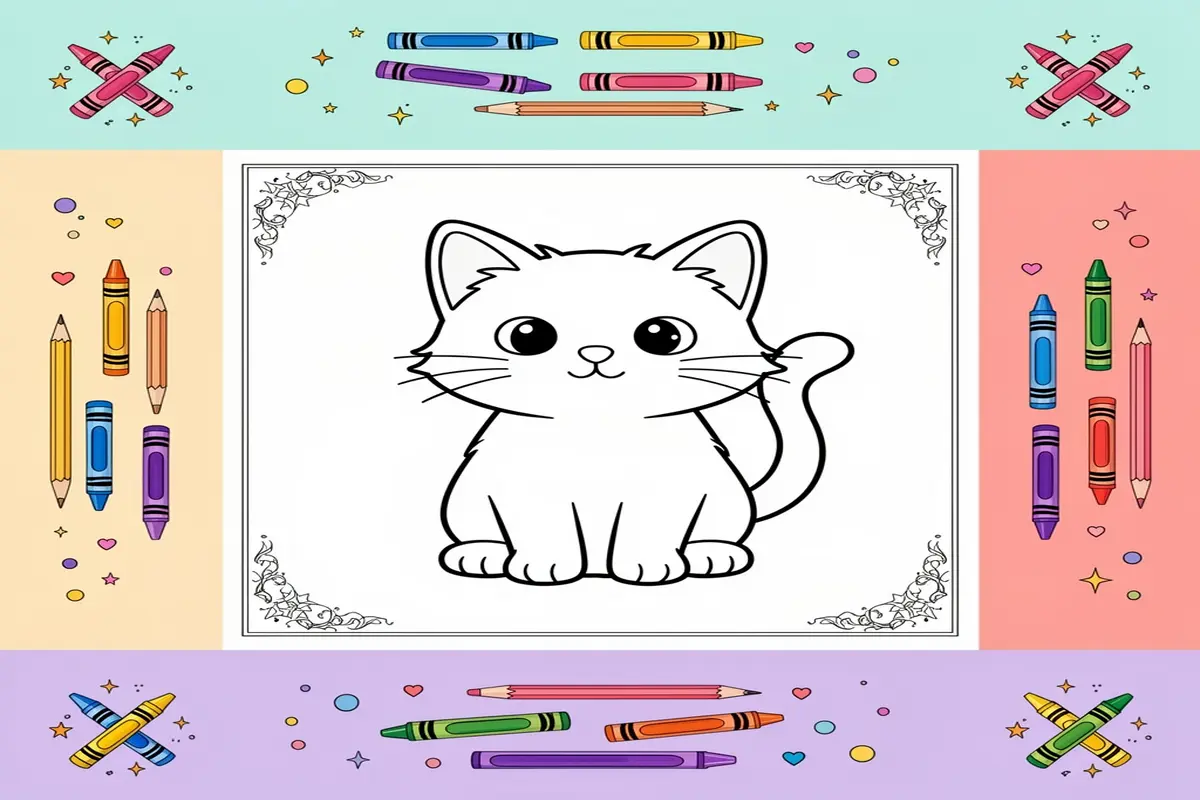
In a world saturated with digital noise, the simple act of coloring offers a profound sanctuary for young minds. It’s a tactile, imaginative journey back to the basics of creativity, where a blank page transforms into a universe of possibility. Among the most cherished themes for this artistic exploration are kitty coloring pages for kids. These adorable illustrations capture the playful spirit, gentle curiosity, and undeniable charm of feline friends, providing a perfect canvas for children to express their affection and artistic vision. The appeal is universal, tapping into a child’s innate love for animals while offering a calming, focused activity that builds fine motor skills and color recognition. Whether your young artist is drawn to the sleek elegance of a Siamese or the fluffy exuberance of a Persian, kitty coloring pages for kids serve as a delightful gateway to a broader world of artistic adventure, much like exploring the deep blue sea with our collection of free dolphin coloring pages.
The Purrfect Palette: Why Kittens Captivate Young Artists
The enduring popularity of kitty coloring pages for kids is no accident. It’s rooted in a powerful blend of psychological comfort, developmental benefit, and pure, unadulterated joy. These pages do more than just keep little hands busy; they foster a unique environment for growth and emotional expression.
The Comfort of Companionship: Feline Friends as Emotional Anchors
For many children, cats represent comfort, softness, and a non-judgmental presence. Coloring these familiar, beloved creatures can be a soothing, meditative practice. The repetitive motion of filling in fur patterns or a kitten’s big, round eyes allows a child’s mind to settle, reducing anxiety and promoting mindfulness. This focused engagement provides a healthy break from overstimulation, creating a quiet moment of achievement and peace.
From Lines to Life: Building Skills One Paw at a Time
Beyond emotional benefits, kitty coloring pages for kids are a stealthy educational tool. The varied shapes—from curved tails to pointed ears—challenge and improve fine motor control and hand-eye coordination. Deciding whether a tabby cat should be orange, gray, or a fantastical rainbow hue encourages decision-making and color theory exploration. This foundational practice in staying within lines and making deliberate artistic choices builds confidence that translates to writing and other academic tasks.
A Canvas for Every Child: Inclusive Creativity for All Ages
The beauty of this theme lies in its incredible versatility. Designs can range from simple, bold-outline kittens for preschoolers to intricate, patterned scenes for older children seeking a challenge. This inclusivity ensures that every child, regardless of skill level, can find a kitty coloring pages for kids that feels just right. For the young animal enthusiast eager to expand their menagerie, this activity naturally complements other artistic adventures, such as bringing to life the majestic stripes of a zebra or the long neck of a giraffe.
Professional Materials & Preparation for kitty coloring pages for kids
To ensure your young artist gets the most out of their kitty coloring pages for kids, proper preparation is key. The right materials not only enhance the final artwork but also make the coloring process more enjoyable and skill-building. This guide outlines the essential toolkit for bringing adorable feline scenes to life, from foundational paper choices to the perfect ergonomic setup.
The Foundation: Selecting Premium Paper for kitty coloring pages for kids
The paper you choose directly impacts the quality of the coloring experience and the final result. For standard kitty coloring pages for kids printed at home, a bright white, smooth-finish paper with a weight of 100-120 GSM (grams per square meter) is ideal. This weight prevents bleed-through from markers and can handle layered pencil work without tearing. For children who love using wet mediums like markers or gel pens, consider investing in marker-specific paper, which has a slightly coated surface to contain ink. If you’re looking for a themed activity that complements the feline fun, our cute bunny coloring pages print beautifully on the same recommended paper stock.
Best Coloring Tools: Markers, Pencils, and Crayons Compared
Each coloring medium offers a different experience for kitty coloring pages for kids. Colored pencils, particularly wax-based ones, provide excellent control for fine details like whiskers and fur texture. They are erasable and buildable, making them forgiving for young hands. For vibrant, bold colors, alcohol-based markers deliver professional, blendable results but require thicker paper to prevent bleeding. A safer, budget-friendly alternative for kids is water-based markers; they offer bright colors with less risk of permanent stains. Don’t discount crayons—modern triangular grips help with motor control, and their broad strokes are perfect for filling in large, cute kitty silhouettes. A hybrid approach often yields the best results: using pencils for details and markers for bold background elements.
Finishing Touches: Gel Pens, Blenders, and Highlighters
Elevate your child’s artwork with tools that add dimension and sparkle. White gel pens are invaluable for adding highlights to a kitty’s eyes, creating shiny nose effects, or drawing fine white fur details on darker areas. Colorless blender pencils or markers are fantastic for teaching children how to smooth pencil gradients, creating a more realistic fur texture. For a touch of whimsy, consider adding metallic gel pens for coloring collars or accessories. These tools encourage attention to detail and can transform a simple coloring page into a polished piece of art, boosting a child’s sense of accomplishment.
Creating the Perfect Workspace: Ergonomics and Lighting
A dedicated, well-prepared space maximizes focus and comfort. Ensure the coloring surface is stable and at an appropriate height to prevent slouching; a table where the child’s elbows can rest at a 90-degree angle is perfect. Natural daylight is the best lighting for accurate color perception and reducing eye strain. If that’s not available, a bright, white LED desk lamp is an excellent alternative. Keep supplies organized in cups or trays for easy access. Finally, protect the work surface with a large placemat or cardboard sheet. This simple setup signals that it’s time for creative focus and makes the activity of coloring kitty coloring pages for kids a special and engaging ritual.
Part 3: Elevating Your Art: Advanced Techniques for kitty coloring pages for kids
Ready to transform those adorable outlines into stunning works of art? Moving beyond basic fills, these professional techniques will help kids (and adults!) add incredible depth, realism, and personality to their kitty coloring pages for kids. This section focuses on actionable methods to elevate coloring from a simple activity to a true artistic experience.
Harmonious Palettes: Color Theory for kitty coloring pages for kids
Understanding a few basics of color theory can make a page pop. For a harmonious look, use analogous colors—those next to each other on the color wheel. Imagine a ginger tabby: using shades of orange, red-orange, and yellow together creates a warm, natural-looking coat. For a more vibrant, playful kitty, try complementary colors (opposites on the wheel). A blue background will make an orange cat truly stand out. Don’t forget softer themes! For a dreamy, cute bunny coloring page or a fluffy kitten, pastel versions of these color schemes work beautifully.
From Flat to 3D: Mastering Shading Techniques
Shading is the magic that turns a flat shape into a rounded, three-dimensional form. Start by choosing a light source direction (e.g., the top left). Then, apply this simple three-step method to your kitty coloring pages for kids:
1. Base Layer: Color the entire area evenly with your main color.
2. Mid-Tones: Apply slightly more pressure or a darker shade of the same color on the areas opposite your light source (e.g., the right side of the kitty’s body).
3. Shadows & Highlights: Add your darkest shade in the deepest crevices (under the chin, behind the legs). Finally, leave the areas closest to the light source the lightest, or add a white gel pen highlight for a shiny nose or eye sparkle.
Adding Realism: Creating Fluffy Fur and Textures
The key to realistic fur is breaking away from solid outlines. Instead of coloring in one direction, use quick, short, overlapping strokes that follow the kitty’s body contours. Layer different shades of the same color family to create depth. For a soft, fluffy texture on a kitten’s chest, use lighter pressure and a circular scribbling motion. This technique isn’t just for cats! It’s perfect for rendering the woolly coat on our sheep coloring pages free printables or the mane of a majestic lion. For elements like a collar or toy, use smooth, even strokes to create a sleek, contrasting texture.
The Art of Correction: Gracefully Fixing Coloring Errors
Mistakes are part of the process! A common issue is coloring outside the lines. Instead of seeing it as a flaw, integrate it: use a darker shade to subtly thicken the line in that area, turning the “error” into intentional shading. For small smudges or unwanted marks, a white gel pen or a quality eraser can be a savior, allowing for precise corrections. If a color turns out too dark, try blending over it with a lighter color or white to soften the effect. Remember, the goal is creative expression, not perfection. Every artist’s journey includes happy accidents that often lead to new discoveries.
Showcasing Your Kitty Coloring Pages for Kids: Creative Display Ideas
The fun doesn’t stop when the last crayon is put down! Turning your child’s completed kitty coloring pages for kids into displayed art boosts their confidence and adds a personal touch to your home. Here are inspiring ways to celebrate their creativity.
Preserving Your Masterpiece: Archival Tips
To ensure those colorful kitties stay vibrant, consider simple preservation. For frequent handling, a quick pass with a can of clear, non-toxic art spray can prevent wax crayon smudging. For a more formal display, inexpensive frames with UV-protective glass guard against sun fading. You can also laminate favorite pages to create placemats or durable fridge magnets, making the art both functional and long-lasting.
Beyond Display: Creative DIY Projects
Transform colored pages into heartfelt gifts and keepsakes. Carefully cut out the colored kitties and glue them onto blank greeting cards, folded construction paper, or gift tags. Create unique bookmarks by laminating a strip of the artwork and adding a tassel. For a grand project, compile a year’s worth of pages into a custom “Art of Kitties” binder or scrapbook. This journey from page to project nurtures a deeper love for art, much like the creative process found in our cute bunny coloring pages.
Your Kitty Coloring Pages for Kids Questions Answered
What are the benefits of coloring for kids?
Coloring is a powerhouse activity for development. It enhances fine motor skills and hand-eye coordination as children learn to stay within lines. It fosters creativity and color recognition while also serving as a fantastic, screen-free tool for relaxation and emotional expression. Focusing on a kitty coloring pages for kids project can be a calming, confidence-building exercise.
How to print coloring pages?
Printing is simple! First, find a high-quality image or PDF from a trusted site. Ensure your printer has paper (standard copy paper works, but cardstock is sturdier) and ink. In your print settings, select “Fit to Page” for best results. Always do a test print if you’re printing multiple copies of a kitty coloring pages for kids design for a group.
Where can I find free printable coloring pages?
Many educational and parenting websites offer vast free libraries. Look for sites dedicated to child development and creative play, which often provide themed collections. Our own SafariColoring site, for instance, has thousands of free, high-quality pages across countless themes, making it easy to find the perfect kitty coloring pages for kids and more.
What is the best age for coloring?
Children can start scribbling with chunky crayons as early as 18 months. Simple, large-area coloring pages are ideal for toddlers (2-4 years). School-age kids (5-8) enjoy more detail, and older kids can tackle complex patterns. The key is to match the page’s complexity to the child’s motor skills, ensuring it’s fun, not frustrating.
How do you color a Hello Kitty?
Hello Kitty’s classic look is simple and iconic. Use a bright red for her cute bow and yellow for her nose. Her dress can be any color, but blue or pink are popular choices. Most importantly, leave her face white (except for her eyes and nose) and her body without any clothing lines, staying true to her beloved design.
Final Thoughts: Your Kitty Coloring Pages for Kids Journey Begins
The journey with kitty coloring pages for kids is about so much more than just filling in lines. It’s a gateway to developing essential skills, sharing quiet, joyful moments, and unleashing a world of imagination one colorful stroke at a time. Each finished page, whether displayed proudly on the fridge or transformed into a gift, is a testament to your child’s growing creativity and a cherished snapshot of their childhood. We hope this guide inspires countless hours of artistic fun and bonding.
Ready for your next adventure? Explore our cute animal coloring pages for kids for even more creative possibilities!