We offer a wide collection of free, high-quality printable coloring pages for kids and adults. From cute animals to intricate mandalas, our designs bring creativity and relaxation to everyone. Download, print, and start coloring today!

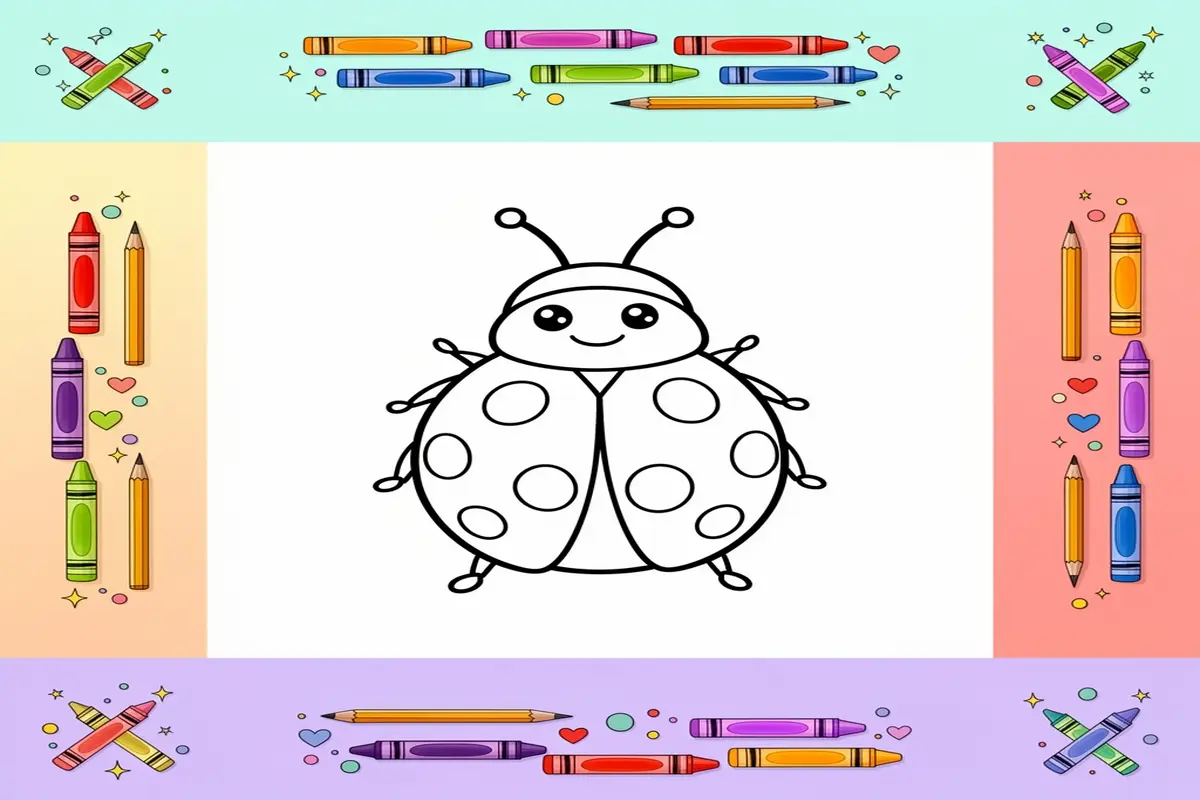
In a world saturated with digital noise, the simple act of coloring offers a sanctuary of calm and a vibrant outlet for imagination. For children, it’s more than just play; it’s a foundational journey into art, fine motor skills, and the wonders of the natural world. Enter the charming universe of ladybug coloring pages for kids, where the iconic red shell and cheerful black spots become a canvas for endless creativity. These delightful pages do more than occupy little hands—they spark curiosity about beneficial insects, introduce concepts of symmetry and pattern, and provide a satisfying, confidence-building activity. Whether your young artist is captivated by the garden’s tiny guardians or simply loves a pop of bright color, exploring ladybug coloring pages for kids is a perfect starting point. And for those who wish to dive deeper into the animal kingdom, a whole ocean of creativity awaits with our collection of free dolphin coloring pages.
The Allure of the Spotted Muse: More Than Meets the Eye
Why does this particular beetle capture the hearts and crayons of children so universally? The appeal of ladybug coloring pages for kids is a delightful blend of visual simplicity, cultural symbolism, and developmental benefit.
The Psychology of Spots: Focus, Pattern, and Achievement
The distinct, polka-dotted design of a ladybug is psychologically satisfying for a young mind. The clear boundaries and repetitive patterns are not overwhelming, providing a manageable and rewarding challenge. Completing each spot offers a micro-sense of accomplishment, boosting self-esteem. This focused activity naturally encourages mindfulness, helping children concentrate on the present moment as they decide which spot to fill next with crimson, scarlet, or even fantastical purple.
A Global Symbol of Luck: Coloring with Cultural Roots
Far from being just another bug, the ladybug is a cultural icon of good fortune across many societies. Introducing ladybug coloring pages for kids opens a gentle door to discussions about global traditions and nature’s role in folklore. As children color, you can share stories of why this beetle is considered a lucky charm, transforming the art session into a mini-lesson in cultural appreciation and natural history, enriching the creative process with meaning.
Designed for Every Tiny Hand: From Toddler to Tweens
The beauty of this theme lies in its incredible versatility. For the youngest toddlers, simple, bold outlines of ladybugs help develop grip and hand-eye coordination. Preschoolers can enjoy pages featuring ladybugs on leaves or with smiling faces, encouraging storytelling. Older children can tackle intricate pages with detailed garden backgrounds, multiple insects, or realistic anatomical designs, pushing their artistic skills. This scalability ensures that ladybug coloring pages for kids remain a engaging resource for years, growing with the child’s abilities.
Professional Materials & Preparation for ladybug coloring pages for kids
To ensure a successful and enjoyable coloring session with ladybug coloring pages for kids, proper preparation is key. Having the right materials on hand transforms a simple activity into an opportunity for developing fine motor skills, color theory understanding, and artistic confidence. This guide details the essential toolkit and setup for parents and educators.
The Foundation: Selecting Premium Paper for ladybug coloring pages for kids
The paper you choose directly impacts the final artwork and the child’s experience. For standard printing of ladybug coloring pages for kids, opt for bright white, smooth (satin/matte) finish paper with a weight of at least 100 GSM (grams per square meter). This weight prevents bleed-through from markers and can handle light layering with colored pencils without tearing. For a special project, consider heavyweight cardstock (160-200 GSM), which provides a luxurious, durable surface for mixed media and display. If using water-based markers or paints, seek out specifically labeled “marker paper” or “mixed-media paper” to contain pigments and prevent warping.
Best Coloring Tools: Markers vs. Pencils for Detailed Artwork
The choice between mediums depends on the child’s age, desired effect, and the illustration’s detail level.
Colored Pencils: Ideal for developing control and precision, especially for the small spots and delicate antennae common in ladybug designs. Wax-based pencils offer smooth blending, while oil-based provide vibrant, layered color. Look for soft-core pencils (like Prismacolor or Faber-Castell) that are easy for small hands to apply without excessive pressure. They are also excellent for teaching shading techniques on the ladybug’s rounded shell.
Markers: Provide bold, vibrant color that is satisfying for many children. For ladybug coloring pages for kids, fine-tip markers are crucial for outlining and small details, while brush tips allow for filling larger areas. Alcohol-based markers (like Copic or Ohuhu) offer superior blendability without bleeding on the right paper, but water-based, non-toxic options (like Crayola Super Tips) are more affordable and child-safe. Always test markers on a corner to check for bleed-through.
Finishing Touches: Gel Pens, White Highlights, and Outliners
Elevate the finished page with specialty tools that add pop and dimension. Gel pens, particularly in metallic silver, gold, or white, are perfect for adding tiny highlights to a ladybug’s eyes or creating a dewy effect on accompanying leaves. A white gel pen or a white colored pencil can be used to add “shine” spots on the ladybug’s glossy back. For older children, consider fine-line black ink pens (like Micron or Staedtler pigment liners) for reinforcing outlines or adding intricate patterns to the ladybug’s spots, fostering advanced artistic skills. These tools pair wonderfully with other detailed subjects, such as the intricate patterns found in our zebra coloring pages free printable.
Perfect Workspace: Ergonomic Setup and Optimal Lighting
A well-prepared environment prevents fatigue and maximizes focus. Ensure the coloring surface is stable and at an appropriate height—the child’s elbows should rest comfortably at a 90-degree angle. Good, natural lighting is ideal, but a bright, white LED desk lamp can prevent eye strain and ensure true color representation. Keep supplies organized in cups or trays for easy access. Place a protective sheet (like a craft mat or simple cardboard) under the coloring page to protect the table surface, especially when using markers or pens. Finally, have a dedicated space for finished ladybug coloring pages for kids to dry if using wet media, preventing smudges and honoring the child’s effort.
Part 3: Elevating Your Art: Professional Techniques for ladybug coloring pages for kids
Ready to transform those simple outlines into stunning works of art? This section moves beyond basic filling to explore professional techniques that will bring your ladybug coloring pages for kids to life. These methods empower young artists (and the adults guiding them) to develop fine motor skills, understand artistic concepts, and achieve results that inspire pride. For more foundational practice with simpler subjects, our collection of cute bug coloring pages is a perfect starting point.
Harmonious Palettes: Color Theory for ladybug coloring pages for kids
While a classic red and black ladybug is iconic, the color world is your oyster! Understanding basic color theory can make any ladybug coloring pages for kids project pop. Introduce the concept of complementary colors—colors opposite each other on the wheel. A ladybug’s green leaf background, for example, makes its red shell appear even brighter. For a more harmonious, natural look, try analogous colors (colors next to each other). Imagine a sunset ladybug using shades of orange, red, and pink. Don’t be afraid to experiment with unconventional palettes: a purple ladybug with teal spots can be magical! This exploration connects beautifully to other natural subjects, like the vibrant hues found in our butterfly coloring pages.
From Flat to 3D: Mastering Shading and Depth
The secret to making your ladybug look round and lifelike is shading. Start by choosing a light source direction (e.g., the top left). Then, using a red pencil or crayon, color the entire ladybug shell with light, even pressure. Next, apply a second, slightly darker layer of red only on the areas away from the light—like the lower right curve of each wing case. Finally, add a tiny third, darkest layer along the very bottom edge where the shell touches the body or leaf. For the black spots, leave a tiny white dot on the side facing the light to make them look like shiny domes, not flat holes. This step-by-step layering creates instant dimension.
Adding Realism: Creating Texture on Tiny Canvases
Texture adds the “wow” factor. For a ladybug’s shiny shell, leave strategic streaks of white paper uncolored to mimic light reflection. Use a very sharp red pencil for smooth, polished blends. For the fuzzy head and thorax (the section behind the head), try short, gentle back-and-forth strokes with a black pencil instead of solid coloring. To create a realistic leaf for your ladybug to sit on, use small, circular scribbles for a bumpy texture or light, uneven lines to suggest veins. Experimenting with these tactile details turns a simple page into a rich, engaging scene.
The Art of Correction: Gracefully Fixing Coloring Mistakes
Mistakes are part of the process! For small slips outside the lines, a white gel pen can be a savior for precise cover-ups. If an area becomes too dark or muddy, gently dabbing it with a kneaded eraser can lighten it without tearing the paper. Teach the concept of “incorporating” a mistake: a stray mark near the ladybug can become a tiny extra freckle on the leaf or a distant flower bud. The goal is to foster a creative, problem-solving mindset, showing that every stroke is an opportunity, not a setback. With these techniques, your journey with ladybug coloring pages for kids becomes a masterclass in creativity and skill-building.
Showcasing Your ladybug coloring pages for kids: Creative Display Ideas
Once your young artist has filled their ladybug coloring pages for kids with vibrant hues, it’s time to celebrate their work! Moving beyond the coloring book, displaying their art boosts confidence and transforms their creations into cheerful home décor. Here are inspiring ways to honor their artistic journey.
Preserving Your Masterpiece: Archival Tips
To ensure those colorful ladybugs stay bright, consider simple preservation methods. For a lasting display, use acid-free tape or photo corners to mount the page on a colorful backing paper before framing. A quick spray with a clear, non-yellowing art sealant (used in a well-ventilated area) can protect against smudges and fading from sunlight. For a digital archive, scan or photograph the finished page to create a gallery on a tablet or digital frame.
Beyond Display: Creative DIY Projects
Transform completed coloring pages into delightful crafts and gifts. Laminate a page and cut it into unique bookmarks, or glue it onto a folded cardstock to make a one-of-a-kind greeting card. For a playful room accent, decoupage several colored ladybugs onto a plain wooden tray or a small keepsake box. These projects extend the fun and teach kids about repurposing art. For more inspiration with tiny creatures, explore our collection of cute bug coloring pages.
Your Guide to ladybug coloring pages for kids: Questions Answered
How do you draw a ladybug step by step?
Start with a simple half-circle for the body. Add a smaller half-circle on top for the head. Draw a line down the center of the body to create two wings. Add spots in any pattern you like! Finish with six short legs, two antennae with tiny dots on the ends, and two oval eyes. It’s a perfect drawing to then turn into your own custom ladybug coloring pages for kids.
What are the benefits of coloring for kids?
Coloring enhances fine motor skills and hand-eye coordination as children learn to stay within lines. It fosters creativity and color recognition while providing a calming, focused activity that can reduce anxiety. It’s also a wonderful opportunity for quiet bonding time and conversation between parent and child.
What colors can ladybugs be besides red?
While red with black spots is classic, ladybugs can be a rainbow of colors! They are commonly found in yellow, orange, and even pink. Some species are black with red spots, while others can be a muted tan or brown. This makes ladybug coloring pages for kids a fantastic opportunity to use a whole spectrum of crayons.
How many spots does a ladybug have?
The number of spots varies widely by species. The common seven-spot ladybug is famous, but some have two spots, while others have up to twenty-four! Interestingly, the number of spots does not indicate the ladybug’s age. This fun fact can inspire a counting game on your coloring pages.
What does a ladybug symbolize?
Globally, ladybugs are beloved symbols of good luck, protection, and grace. Many cultures believe a ladybug landing on you brings good fortune. They are also seen as a sign of love and are associated with farmers for their role in eating plant pests, making them a happy and positive subject for children’s art.
Final Thoughts: Your ladybug coloring pages for kids Journey Begins
The simple act of coloring a ladybug page opens a door to creativity, learning, and quiet joy. From discovering fascinating insect facts to developing artistic skills and finding moments of calm, these activities offer far more than just a way to pass the time. Each finished page is a testament to your child’s growing abilities and imagination, a bright spot of accomplishment to be proudly displayed or shared as a gift.
We hope this guide inspires countless colorful afternoons and sparks a deeper curiosity about the natural world. Remember, every artist starts with a single stroke of color. Ready for your next adventure? Explore our cute butterfly coloring pages for another wonderful winged subject!