We offer a wide collection of free, high-quality printable coloring pages for kids and adults. From cute animals to intricate mandalas, our designs bring creativity and relaxation to everyone. Download, print, and start coloring today!

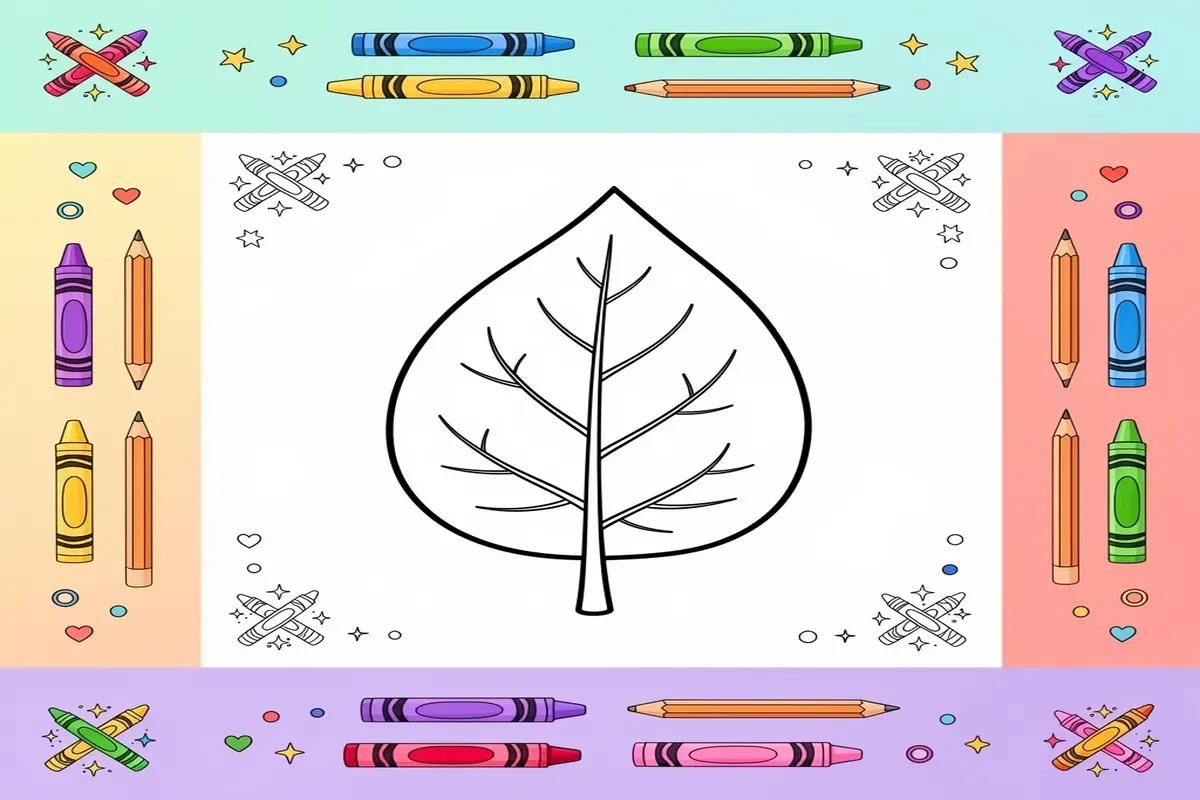
In a world saturated with digital noise, the simple act of coloring offers a profound sanctuary for young minds. It’s a tactile, screen-free journey back to the fundamentals of creativity and focus. Among the myriad of themes available, leaf coloring pages for kids stand out as a uniquely grounding and educational artistic adventure. These pages do more than fill time; they connect children to the intricate beauty of the natural world, one delicate vein and serrated edge at a time. From the iconic maple to the humble oak, each outline is an invitation to explore biology, seasonal change, and the quiet art of observation. This makes leaf coloring pages for kids a perfect bridge between playful art and gentle science lessons, fostering both aesthetic appreciation and cognitive development. For a different kind of natural exploration, consider diving into the deep with our captivating free dolphin coloring pages.
The Quiet Allure: More Than Just Filling In Shapes
Why do children (and adults) find such satisfaction in bringing a simple leaf outline to life? The appeal of leaf coloring pages for kids is rooted in a powerful blend of psychology, education, and sensory pleasure.
The Mindfulness of Monotony: A Focused Escape
Paradoxically, the “monotonous” act of coloring within lines is a powerful tool for calming an overstimulated brain. For a child, focusing on the complex patterns of a fern or a ginkgo leaf requires a present-moment awareness that pushes aside anxiety and distraction. This focused attention mimics meditation, lowering stress hormones and providing a much-needed mental reset. The repetitive motion of shading and blending colors creates a rhythm that is inherently soothing, making leaf coloring pages for kids a valuable, non-verbal coping mechanism.
A Botanical Primer on Paper
Every coloring session is a stealth learning opportunity. As children select colors—will they choose realistic greens and autumn crimsons or fantastical blues and purples?—they engage with concepts of botany. They notice the symmetry of veins, the diversity of shapes (palmate, pinnate, lobed), and the textures implied by the outlines. This hands-on interaction builds a foundational vocabulary and curiosity about plant life, ecology, and the changing seasons far more effectively than rote memorization.
Universally Designed for Growing Artists
The beauty of this theme lies in its inherent scalability. For the youngest artists, large, simple leaf shapes build confidence in motor skills and color recognition. For older children and even adults, intricate mandalas built from swirling vines and detailed foliage offer a challenging and rewarding creative puzzle. This accessibility ensures that leaf coloring pages for kids are not just for kids; they are a timeless artistic endeavor that grows with the artist, offering a creative outlet for every skill level and a peaceful portal to nature’s endless designs.
Professional Materials & Preparation for leaf coloring pages for kids
To ensure a successful and enjoyable coloring session with leaf coloring pages for kids, proper preparation is key. Having the right materials on hand transforms a simple activity into an enriching artistic experience that can enhance fine motor skills, color recognition, and an appreciation for nature’s details. This guide outlines the essential toolkit and setup for parents and educators.
The Foundation: Selecting Premium Paper for leaf coloring pages for kids
The paper you choose directly impacts the final result and the child’s enjoyment. For standard printing of leaf coloring pages for kids, opt for a bright white, smooth cardstock with a weight of 120-160 GSM (grams per square meter). This heavier weight prevents bleed-through from markers and allows for layering and blending of colored pencils without tearing. For a more textured, artistic feel that mimics drawing on canvas, consider a lightly textured mixed-media paper. This is especially effective for projects where children might use multiple mediums, such as combining crayon rubbings with watercolor washes to create unique leaf textures. Always have a few extra sheets on hand for practice and experimentation.
Optimal Coloring Mediums: A Detailed Comparison
The choice between markers, pencils, and crayons depends on the desired outcome and the child’s age and skill level.
Colored Pencils: Ideal for detailed work, colored pencils offer superior control for shading the intricate veins and edges of different leaf species. Look for pencils with soft, pigmented cores that blend easily. They are less messy and allow for precise color layering, making them a professional favorite for detailed botanical art.
Markers: Markers provide vibrant, solid blocks of color perfect for bold, graphic leaf designs. For children, alcohol-based markers are not recommended due to strong bleed-through and fumes. Instead, choose high-quality water-based markers with fine and broad tips. To prevent bleed-through on standard paper, place a scrap sheet underneath the leaf coloring pages for kids.
Crayons & Watercolors: Don’t overlook classic crayons for a rustic texture, or watercolor paints for a soft, blended background effect. Using watercolors can teach kids about color diffusion, much like the natural gradients seen in autumn leaves.
Finishing Touches: Enhancing Details with Specialty Tools
Elevate the artwork from simple to spectacular with a few specialized tools. Gel pens in metallic gold, silver, or white are perfect for adding highlights to dewdrops on leaves or tracing the central vein for a pop of shine. A fine-tip black marker or pen can be used to redefine outlines and add intricate patterns to leaf surfaces. For a mixed-media approach, consider child-safe glue and glitter for festive fall leaves, or use a small piece of sponge for dappled, textured backgrounds. These tools encourage creativity beyond simple filling, turning each page into a unique masterpiece.
Creating the Ideal Workspace: Ergonomics and Lighting
A well-prepared environment is as crucial as the materials. Ensure the workspace is well-lit with natural or full-spectrum artificial light to reduce eye strain and allow for true color perception. The seating should support good posture; the child’s feet should rest flat on the floor or a stool, with the table at elbow height. Keep the area organized with cups for holding tools and a flat, hard surface underneath the coloring page. For inspiration, you might display real leaves or reference images nearby. This dedicated, comfortable setup signals that creating art is a valued activity and can be paired with other nature-themed projects, such as exploring our forest coloring pages for kids, to build a comprehensive learning theme about plant life and ecosystems.
Part 3: Elevating Your Art: Advanced Techniques for leaf coloring pages for kids
Ready to transform simple outlines into stunning works of art? Moving beyond basic filling, these advanced techniques will help you and your young artists add depth, realism, and professional flair to every leaf coloring pages for kids project. This guide is perfect for parents and teachers looking to nurture more sophisticated artistic skills.
Harmonious Palettes: Mastering Color Theory on the Page
Understanding basic color theory can turn a good coloring page into a masterpiece. For leaf coloring pages for kids, this is especially fun. Teach children about complementary colors (like red and green or purple and yellow)—using these opposites in small amounts can make certain leaves pop. Analogous colors (like yellow, yellow-green, and green) create a serene, natural look perfect for an autumn maple or a spring bud. Start with a base color and use lighter and darker shades of the same hue to instantly add dimension. For more nature-inspired color practice, explore our beautiful flower coloring pages for kids and forest coloring pages for kids.
From Flat to 3D: The Magic of Shading
Shading is the key to making a flat leaf look rounded and real. Here’s a simple step-by-step method:
1. Identify Your Light Source: Decide where the “sun” is (e.g., top left). Every shadow will be opposite this.
2. Apply Base Color: Color the entire leaf with your main, medium tone.
3. Add Shadows: Using a darker shade of your base color (or a cool blue/grey), gently layer color on the sides of the leaf veins and the areas farthest from the light source.
4. Highlight: With a lighter shade or by leaving small areas white, add brightness to the parts of the leaf closest to the light. Blend gently where the colors meet.
Adding Realism: Creating Texture on Leaves
Each leaf has a unique texture. Here’s how to mimic it:
Smooth & Waxy (like a Magnolia): Use even, solid pressure with your coloring tool. Add a small white streak to suggest a light reflection.
Veiny & Textured (like an Oak): Outline the central and smaller veins with a sharp, dark pencil. Then, color the leaf sections toward the veins, leaving a tiny gap or using lighter pressure next to the vein line.
Fuzzy (like a Lamb’s Ear): Use very small, tight circular scribbles with a soft pencil or pastel. A stippling effect (tiny dots) can also work well.
The Art of Correction: Gracefully Fixing Coloring Mistakes
Mistakes are part of the process! Here’s how to fix them elegantly:
Over-Colored or Blended Muddy: If colors become muddy, let it dry completely. Then, lightly layer the correct color on top. Often, this can salvage and even enrich the area.
Color Outside the Lines: Turn the “mistake” into a feature. Use a white gel pen to create decorative patterns or highlights over the stray mark, integrating it into the background.
* Broken Pencil Tip on Detail: Use the broken pieces! A blunt pencil tip or side of the lead is perfect for soft shading in larger areas of your leaf coloring pages for kids. Embrace the happy accident.
The goal is creative exploration, not perfection. With these techniques in hand, every coloring session becomes a masterclass in artistry.
Showcasing Your leaf coloring pages for kids: Creative Display Ideas
Once your young artist has filled their leaf coloring pages for kids with vibrant hues, it’s time to celebrate their work! Moving beyond the coloring book, displaying their art boosts confidence and turns their creativity into a cherished part of your home.
Preserving Your Masterpiece: Archival Tips
Protect those colorful creations from fading or crumpling. For long-term display, consider using acid-free photo corners in a simple frame, which allows for easy swapping of new artwork. Laminating sheets are perfect for placemats or wall hangings that can be wiped clean. For a digital archive, scan or photograph the finished pages in good light—this creates a lasting portfolio and allows for sharing with distant family.
Beyond Display: Creative DIY Projects
Transform completed pages into meaningful gifts and keepsakes. Carefully cut out colored leaves to create beautiful, personalized bookmarks by laminating them and adding a tassel. They can also be glued onto blank greeting cards or folded into custom gift tags for a handmade touch. For a seasonal project, create an autumn garland by stringing together a collection of different colored leaves. For more nature-inspired crafting fun, explore our collection of forest coloring pages for kids.
Your leaf coloring pages for kids Questions Answered
How do you color autumn leaves?
Embrace the warm, fiery palette of fall! Start with a base of yellow in the center, then layer on oranges and reds towards the edges. Don’t just use one shade of red—mix crimson, scarlet, and even a touch of brown for depth. Use the side of your crayon or a light pencil stroke to add texture for veins. The key is blending those gorgeous transitional colors.
What are the benefits of coloring for kids?
Coloring is a powerhouse activity for development. It strengthens fine motor skills and hand-eye coordination, essential for writing. It fosters focus, patience, and creativity as kids make color choices. It’s also a wonderful, screen-free way for emotional expression and relaxation, helping children process their day and calm their minds through a simple, enjoyable task.
Where can I find free printable coloring pages?
Numerous educational and parenting websites offer vast libraries of free printables. Look for sites dedicated to kids’ activities, teacher resources, or specific themes like holidays or animals. Always ensure you’re downloading from a reputable source. For instance, you can find a wonderful variety of free, high-quality leaf coloring pages for kids and other nature themes right here on our site.
What colors are fall leaves?
Fall foliage is a spectacular mix of warm tones. While we think of classic red, orange, and yellow, the reality is richer. Look for crimson, gold, amber, burnt sienna, russet, and even deep purple. The specific colors depend on the tree species, sunlight, and weather. Encourage kids to observe real leaves or photos and use a whole spectrum within those warm families.
How do I print coloring pages from the computer?
It’s simple! First, download or open the desired coloring page file (usually a PDF or JPEG). Click “File” in your browser or program menu, then select “Print.” Ensure your printer has paper and ink. In the print preview, check that the page is set to print at full size and not scaled to fit. For best results with leaf coloring pages for kids, use standard printer paper or slightly heavier cardstock for markers.
Final Thoughts: Your leaf coloring pages for kids Journey Begins
The simple act of coloring a leaf can open a world of creativity, learning, and quiet joy for a child. From understanding the changing seasons to mastering the grip of a crayon, these activities are more than just play—they’re foundational moments of growth and family connection. By displaying their work and exploring new projects, you validate their effort and inspire them to see the artist within.
Remember, every page colored is a story told, a skill practiced, and a memory made. So, gather your supplies, celebrate each vibrant creation, and enjoy this beautiful, colorful journey together. Ready for your next adventure? Explore our animal coloring pages for kids for a whole new world of creatures to bring to life!