We offer a wide collection of free, high-quality printable coloring pages for kids and adults. From cute animals to intricate mandalas, our designs bring creativity and relaxation to everyone. Download, print, and start coloring today!

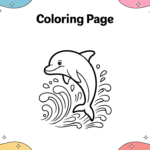
In a world saturated with screens and digital noise, the simple act of coloring offers a profound sanctuary for young minds. It’s more than just a quiet activity; it’s a foundational tool for development, blending artistic expression with essential learning. The journey of selecting hues, staying within lines, and bringing a black-and-white outline to vibrant life is where imagination meets education. This is the true magic of learning coloring pages for kids—they transform abstract concepts into tangible, colorful experiences. From mastering the alphabet to exploring the depths of the ocean with our free dolphin coloring pages, these resources are carefully crafted to engage, educate, and inspire. By integrating thematic content with creative freedom, learning coloring pages for kids become a dynamic bridge between play and knowledge, fostering a love for discovery that lasts a lifetime.
The Alchemy of Art & Mind: Why Coloring Captivates Young Learners
The Cognitive Canvas: Building Focus and Fine Motor Skills
At its core, coloring is a sophisticated exercise in neurological development. The focused attention required to guide a crayon across the page strengthens neural pathways associated with concentration and patience. For young children, this activity is critical for honing fine motor skills and hand-eye coordination—the very building blocks needed for writing, typing, and other precise tasks. Learning coloring pages for kids are strategically designed with this development in mind, offering varying levels of complexity to challenge growing abilities. The act of deciding on a color palette also engages executive functions, encouraging planning and decision-making in a low-pressure, enjoyable environment.
A Historical Palette: From Ancient Rituals to Modern Education
The use of imagery and color as teaching tools is a tradition as old as civilization itself. From cave paintings that told stories to illuminated manuscripts that preserved knowledge, humans have long used visual art to communicate and educate. Modern learning coloring pages for kids are the direct descendants of this tradition, repurposing an ancient practice for contemporary educational goals. They democratize learning, making complex subjects—from animal anatomy to geometric patterns—accessible and engaging. This historical thread connects today’s child, focused on a page, to a timeless human impulse to make sense of the world through creation and color.
Designed for Every Stage: From Toddler Scribbles to Detailed Masterpieces
The beauty of this medium lies in its universal adaptability. For a toddler, a coloring page featuring large, simple shapes is a thrilling introduction to cause and effect. For an older child, intricate pages depicting ecosystems or historical scenes offer a rewarding challenge that reinforces classroom lessons. This curated approach ensures that every child, regardless of skill level, can experience the joy of achievement. Whether it’s a preschooler proudly displaying a brightly colored animal or a school-age child meticulously shading a detailed landscape, learning coloring pages for kids provide a scalable platform for confidence-building and artistic growth, proving that education can be as colorful as a child’s imagination.
Part 2: Essential Materials & Preparation for Effective Learning Coloring Pages for Kids
To transform a simple activity into a powerful educational tool, the right materials and setup are crucial. Proper preparation for learning coloring pages for kids ensures that the experience is not only fun but also maximizes developmental benefits like fine motor skill development, color recognition, and focus. This section details the professional-grade supplies and environmental considerations that parents and teachers should invest in to create an optimal and enriching coloring session.
The Foundation: Selecting Premium Paper for Learning Coloring Pages
The choice of paper is the first critical decision. Standard printer paper (20-24 lb) is prone to bleeding and tearing, which can frustrate young artists. For a superior experience, opt for a brighter white, heavier paper. A 32 lb (120 GSM) premium printer paper or cardstock provides a durable, non-porous surface that prevents markers from bleeding through and allows pencils to layer smoothly. This durability is especially important for detailed pages, such as our intricate animal coloring pages for kids, where precision matters. Heavier paper also gives children’s work a “finished art” feel, boosting pride and encouraging display.
Best Coloring Tools: A Detailed Comparison of Mediums
The coloring medium directly impacts control, color vibrancy, and the learning outcome.
Colored Pencils: The ideal starter tool for learning coloring pages for kids. They require pressure control, building hand strength and dexterity. Look for pencils with soft, break-resistant cores that offer good pigment laydown. Brands with a wide color range (24-36 count) subtly teach color theory and shading. They are also erasable, allowing for mistake correction—a valuable lesson in persistence.
Washable Markers: Excellent for bold, vibrant work and larger areas. Their fluid application is satisfying and helps younger children who are still developing grip strength. The “washable” feature is non-negotiable for peace of mind. However, they offer less precision than pencils and can bleed on lighter paper. Use them to teach color blending and for projects where bold expression is the goal.
* Crayons: Fantastic for toddlers and preschoolers. The resistance of wax on paper provides excellent sensory feedback and builds significant muscle. Choose triangular or jumbo crayons that promote a proper grip. While less vibrant, they are incredibly durable and mess-free.
Finishing Touches: Enhancing Details with Specialty Tools
Once children master basic coloring, introduce specialty tools to add excitement and challenge. Fine-line gel pens in metallic or neon colors are perfect for adding dazzling details to spaceships, fairy wings, or scales. A set of quality artist’s erasers and a basic pencil sharpener teach tool maintenance. For a collaborative or display project, consider a can of workable fixative spray to prevent smudging, framing the finished learning coloring pages for kids as legitimate artwork.
Creating the Perfect Workspace: Ergonomics and Lighting
The environment is as important as the tools. Ensure the coloring surface is stable and at an appropriate height—elbows should rest at a 90-degree angle to prevent hunching. Natural light is best; if using artificial light, a bright, white LED lamp reduces eye strain and shows true colors. Organize supplies within reach in cups or trays to foster independence. A simple placemat or desk protector defines the workspace and contains any accidental marks, making cleanup part of the learning process. This prepared environment signals that the activity is valued and helps children transition into a focused, creative state for their learning coloring pages for kids.
Mastering the Craft: Advanced Techniques for Learning Coloring Pages for Kids
Moving beyond simple filling, advanced techniques transform a flat image into a vibrant, textured masterpiece. These methods not only elevate the final artwork but also deepen the educational value of learning coloring pages for kids, teaching principles of light, form, and artistic problem-solving. Let’s unlock the skills that turn coloring into a true artistic journey.
Harmonious Palettes: Color Theory for Young Artists
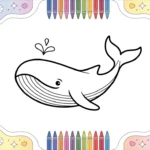
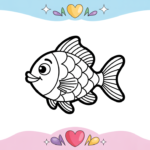
Understanding basic color relationships can make any page pop. Teach children about complementary colors (opposites on the color wheel, like blue and orange on a whale coloring page, which create exciting contrast) and analogous colors (neighbors on the wheel, like the blues and greens on a fish coloring page, which create harmony). Start by picking a “mood” for the picture—cool and calm or warm and energetic—and build a palette from there. This turns selection into a thoughtful, learning-rich process.
From Flat to 3D: Mastering Light and Shading
Shading adds volume and makes subjects leap off the page. First, decide on your light source (e.g., the sun in the top-left corner). Then, practice pressure control: press lightly on areas the light hits directly, and gradually increase pressure as you move to the opposite side. Use a circular motion for smooth gradients. On a rounded object like an apple or a seahorse’s belly, the darkest area will be farthest from the light. This step-by-step approach builds spatial awareness and fine motor skills.
Adding Realism: Creating Convincing Textures
Texture brings a scene to life. For furry animals like a lion, use short, quick strokes following the direction of hair growth, leaving tiny gaps for a fuzzy effect. For something scaly, like a fish or dragon, try overlapping small, curved “U” shapes. For a smooth, metallic surface, like a knight’s armor on a castle coloring page, use extreme contrast: a very bright highlight right next to a very dark shadow. Encourage kids to observe real-life textures and experiment with mimicking them.
The Art of Correction: Gracefully Fixing Coloring Errors
Mistakes are part of the learning process. If a child colors outside the lines, don’t stress! Turn it into a creative solution: use a white gel pen to redefine the border, or incorporate the “mistake” into the background. For a smudge, try blending it further into a shadow area. If a color turns out too dark, they can layer a lighter color on top with firm pressure to mix and lighten it. The goal is to foster resilience and creative thinking, showing that in art, there are no true errors—only opportunities to adapt.
Showcasing Your Learning Coloring Pages for Kids: Creative Display Ideas
The final masterpiece deserves a spotlight! Moving beyond the coloring book, displaying your child’s work boosts confidence and transforms their art into a cherished part of your home. Here are creative ways to honor their effort and extend the educational fun.
Preserving Your Masterpiece: Archival Tips
Protect those vibrant creations from fading and wear. For long-term display, consider using acid-free photo albums or clear sheet protectors in a dedicated binder. For wall art, inexpensive clip frames allow for easy swapping of new favorites. Laminating is a fantastic option for pages that will be handled often, like custom placemats or game boards, making them spill-proof and durable for repeated learning coloring pages for kids activities.
Beyond Display: Creative DIY Projects
Transform colored pages into meaningful projects. Help your child cut out their beautifully colored animals from our free dolphin coloring pages to create a mobile or a vibrant ocean-themed garland. Pages can become unique gift wrap, homemade greeting cards, or decorative bookmarks. This process teaches recycling, planning, and fine motor skills through cutting and gluing, adding another layer to the learning experience.
Your Learning Coloring Pages for Kids Questions Answered
What do children learn from coloring?
Coloring is a powerhouse for development. It teaches color recognition, improves focus and patience, and provides a foundation for understanding boundaries and spatial awareness. As children decide on color schemes, they make creative choices, building confidence and self-expression through their artwork.
Why is coloring important for child development?
It’s crucial for honing fine motor skills and hand-eye coordination, which are essential for writing. Coloring also serves as a calming, screen-free activity that helps children manage emotions and reduce anxiety. It fosters creativity and can introduce educational themes, making it a foundational learning coloring pages for kids activity.
How do I teach my child to color?
Start with chunky, easy-grip crayons and simple, large shapes. Sit with them and model coloring, using gentle verbal cues like “let’s try to stay inside the line.” Focus on the fun and effort, not perfection. Offer a variety of engaging pages, like friendly animals, to maintain interest and encourage practice.
What age should toddlers start coloring?
Most toddlers show readiness between 12 to 15 months, starting with scribbling. By age 2, they may begin making more controlled marks. Always supervise with non-toxic, washable supplies. Early introduction to learning coloring pages for kids builds familiarity and comfort with art tools.
Where can I print free educational coloring pages?
You can find a vast library of high-quality, free printable pages on sites like SafariColoring.com. We offer countless themes, from alphabet sheets to intricate animals, all designed to support development. Explore our collection to find the perfect learning coloring pages for kids for every interest and skill level.
Final Thoughts: Your Learning Coloring Pages for Kids Journey Begins
The simple act of coloring is a profound journey of growth, creativity, and connection. From strengthening tiny hand muscles to sparking conversations about the natural world, each page completed is a step forward in your child’s development. These shared moments of focused creativity become cherished memories, building a foundation for a lifelong love of learning and artistic expression.
Remember, the goal isn’t a perfect picture but the experience gained in the process. Celebrate every scribble, every color choice, and every moment of concentration. Ready for your next adventure? Explore our farm animal coloring pages and bring the barnyard to life!