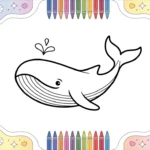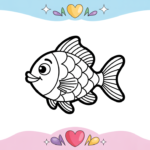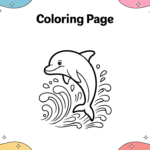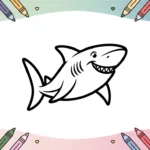
We offer a wide collection of free, high-quality printable coloring pages for kids and adults. From cute animals to intricate mandalas, our designs bring creativity and relaxation to everyone. Download, print, and start coloring today!

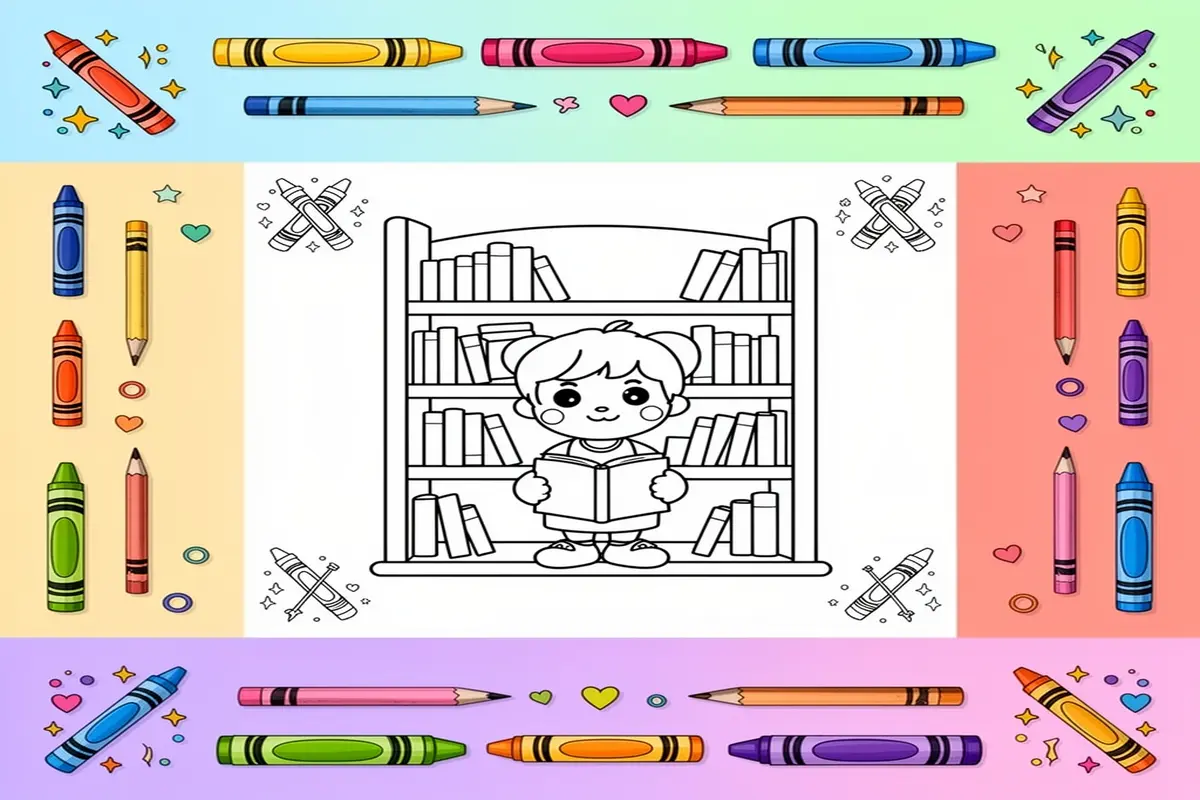
In a world saturated with digital noise, the simple act of coloring offers a profound sanctuary for young minds. It is a tactile, creative journey that builds focus, refines motor skills, and provides a canvas for pure, unbridled expression. The magic truly unfolds when this timeless activity meets the boundless inspiration found within the walls of a library. That’s where library coloring pages for kids come in—serving as a bridge between the joy of art and the love of literature. These aren’t just any outlines; they are thematic gateways, inviting children to color scenes of quiet reading nooks, towering bookshelves, friendly librarians, and fantastical creatures leaping from the pages of storybooks. By engaging with these specific library coloring pages for kids, young artists don’t just fill spaces with color; they visualize and internalize the library as a place of endless adventure and discovery. It’s a wonderful way to foster early literacy and a lifelong affinity for these community treasures. For children who love combining art with learning about the natural world, exploring our collection of fish coloring pages can extend that creative, educational journey.
The Quiet Power of the Page: More Than Just Crayons & Lines
At first glance, a coloring page seems straightforward. But when its theme is the hushed, magical realm of a library, it becomes a powerful tool for cognitive and emotional development. These pages do more than entertain; they educate, calm, and inspire.
The Psychology of Color in a Quiet Space
Coloring is a renowned mindfulness activity, and library-themed pages amplify this effect. The imagery—often depicting serene, organized spaces—naturally promotes a sense of calm and order. As a child focuses on selecting a sunny yellow for a reading lamp or a soft blue for a cozy chair, their mind enters a state of flow. This focused engagement reduces anxiety, improves concentration, and provides a much-needed break from overstimulation. The act of bringing a library coloring page for kids to life reinforces positive associations with a place of learning and quiet focus, building a foundation for productive study habits later in life.
A Cultural Canvas: From Scrolls to Stacks
The library as an institution has evolved from ancient archives of clay tablets and scrolls to the vibrant, community-centric hubs we know today. Library coloring pages for kids offer a gentle, accessible way to introduce this rich history. Pages might feature classic architectural elements like stained glass or modern features like digital catalogs, providing a visual timeline. By coloring these scenes, children connect with the enduring human quest for knowledge and storytelling, understanding that a library is more than a building—it’s a living repository of our collective imagination and history, waiting for them to add their own colorful chapter.
Curated for Every Young Learner
The beauty of this theme lies in its universal appeal and adaptability. For the youngest toddlers, simple outlines of a single book or a friendly librarian wave hello help with shape recognition and grip. School-aged children can tackle more intricate scenes filled with detailed bookshelves, diverse characters, and hidden literary references that challenge their fine motor skills and reward their attention to detail. For the advanced young artist, pages may feature elaborate library interiors with perspective, shadows, and textures, offering a satisfying creative challenge. This ensures that every child, regardless of skill level, can find a library coloring page for kids that feels just right, fostering a sense of accomplishment and a personal connection to the world of books.
Part 2: Essential Materials & Professional Setup for Library Coloring Pages for Kids
To transform your collection of library coloring pages for kids from a simple activity into a rich, educational, and skill-building experience, the right materials and preparation are key. This guide provides parents and educators with a professional toolkit to ensure every coloring session is successful, comfortable, and creatively fulfilling. Proper supplies not only enhance the final artwork but also improve fine motor control and color theory understanding, making the most of detailed library coloring pages for kids.
The Foundation: Premium Paper for Lasting Artwork
The paper you choose is the single most important factor in the coloring experience. Standard printer paper (20-24 lb) is prone to bleeding, buckling, and tearing, which can frustrate young artists. For professional results with library coloring pages for kids, opt for:
Cardstock (65-80 lb): The ideal choice for most mediums. It provides a sturdy, non-bleeding surface that handles markers, layered pencils, and erasing beautifully. Its weight gives finished pieces a quality feel, perfect for displaying or gifting.
Mixed Media Paper (90+ lb GSM): For projects using wet mediums like watercolor pencils or heavily layered markers, this thick, textured paper prevents warping and allows for advanced techniques.
Presentation Paper: A smooth, bright white paper that makes colors truly pop, especially effective with colored pencils for achieving vibrant, detailed work on intricate designs like those found in our animal coloring pages for kids.
Best Coloring Tools: A Detailed Medium Comparison
Selecting the right coloring tool depends on the child’s age, skill level, and the desired outcome.
Colored Pencils: Offer the greatest control for detail. Look for soft-core pencils with high pigment quality for smooth, blendable layers. They are excellent for teaching shading, pressure variation, and color mixing. A set of 24-48 colors provides ample range without being overwhelming.
Markers: Deliver bold, vibrant color instantly. Dual-tip markers (fine and broad) are incredibly versatile for both large areas and fine lines. Critical for use with library coloring pages for kids is choosing alcohol-based (blendable, bleed-through likely) or water-based (less bleed, easier cleanup) based on your paper choice. Always test on a scrap first.
Crayons: The classic tool for younger children. Modern twistable crayons eliminate paper wrapping and breaking issues. They build hand strength and are ideal for broad, expressive strokes, though less suited for intricate detail.
Finishing Touches: Gel Pens, Blenders, and Highlights
Elevate the artwork with tools that add professional polish and encourage creative experimentation.
Gel Pens & Metallic Markers: Perfect for adding sparkle to scales, stars, or magical elements. White gel pens are indispensable for adding highlights, fixing small mistakes, or drawing on dark backgrounds.
Colorless Blender Markers: A professional secret for smoothing marker strokes and creating gradient effects without harsh lines.
Pencil Sharpeners & Erasers: A dedicated, high-quality sharpener keeps pencil points precise. A soft, vinyl eraser cleanly removes pencil guidelines without damaging the paper surface.
Perfect Workspace: Ergonomic and Inspirational Setup
A well-prepared environment fosters focus and creativity. Consider these elements for your coloring station:
Lighting: Ensure ample, neutral white light to reduce eye strain and show true colors. An adjustable desk lamp is ideal for illuminating the specific work area.
Ergonomics: The table and chair should allow the child’s feet to rest flat on the floor and elbows to rest comfortably at a 90-degree angle. For very young children, a slanted drawing board can improve posture and wrist position.
Organization: Use cups or trays to organize tools by type. This not only keeps the space tidy but also empowers the child to make independent creative choices. Having a dedicated, flat surface for working on library coloring pages for kids ensures materials are respected and projects can be paused and returned to easily.
Part 3: Elevating Your Art: Advanced Techniques for Library Coloring Pages for Kids
Unlocking the full potential of library coloring pages for kids goes beyond simply staying inside the lines. With a few advanced techniques, children can transform their artwork from flat drawings into vibrant, textured masterpieces. This guide is designed for parents and teachers to help young artists develop skills that build confidence and produce professional-looking results. Let’s explore the artistic principles that will make your collection of library coloring pages for kids truly stand out.
Harmonious Palettes: Mastering Color Theory for Young Artists
Understanding basic color theory can be a game-changer. Start with the color wheel. Teach children about complementary colors (opposites on the wheel, like blue and orange), which create vibrant contrast and make elements pop—perfect for making a lion’s mane look majestic. Analogous colors (neighbors on the wheel, like blue, teal, and green) create harmony and are ideal for serene scenes, such as an ocean or a peaceful forest. Encourage kids to plan a simple palette before they start, turning each page into a deliberate color story.
From Flat to 3D: The Magic of Simple Shading
Shading adds instant depth and dimension. The key concept is a light source. Choose a corner of the page (e.g., top-left) and imagine light coming from there. Demonstrate how to apply more pressure with their crayon or colored pencil on the sides opposite the light. For a simple sphere, the color should be darkest at the bottom-right if the light is top-left. Practice this on rounded objects like fruits on food coloring pages or the body of a friendly octopus. Start with a base color, then layer a slightly darker shade on the “shadow” side, blending gently.
Adding Realism: Creating Fun Textures
Texture brings a page to life. Different strokes create different effects. For fluffy fur on a bear or sheep, use tiny, overlapping circular scribbles. For rough tree bark, use short, sharp, vertical lines. For smooth, shiny surfaces like a race car, use long, even strokes in one direction and leave a white streak for a highlight. Experimenting with textures on library coloring pages for kids teaches observation and fine motor control.
The Art of Correction: Gracefully Fixing Coloring Mistakes
Mistakes are part of the process! Teach these graceful fixes. For waxy crayon that goes outside the line, use a white crayon or a specialized “colorless blender” pencil to push the wax back toward the line. For colored pencils, a good art eraser can lift some pigment. If a color is too dark, try blending over it with a lighter color to mute it. The most important lesson? Embrace “happy accidents.” A stray mark can become a butterfly, a berry, or a star. The goal is creative problem-solving, not perfection.
By integrating these techniques, each session with library coloring pages for kids becomes a mini art lesson, building skills that foster pride and a lifelong love for creative expression.
Showcasing Your Library Coloring Pages for Kids: Creative Display Ideas
Once your young artist has filled their library coloring pages for kids with vibrant hues, it’s time to celebrate their work! Moving beyond the coloring book, displaying their masterpieces fosters pride and encourages a lifelong love for creativity and reading. Here are some inspiring ways to honor their artistic efforts.
Preserving Your Masterpiece: Archival Tips
Before you display, consider preservation. For flat displays like framing, use acid-free tape or photo corners to mount the page, preventing adhesive damage. If creating a portfolio or scrapbook, opt for archival-quality, non-yellowing plastic sleeves. For a more permanent finish, consider a light spray of UV-protective clear sealant on projects like bookmarks, which will guard against fading from sunlight and make them more durable for little hands.
Beyond Display: Creative DIY Projects
Transform completed pages into functional art! Laminate and cut out colored elements to make unique bookmarks—a perfect companion for their next library book. Fold a colored page into a custom greeting card to thank a librarian. For a collaborative project, create a “Reading Garden” mural by combining several colored pages on a wall. You can even use elements from our castle coloring pages for kids to add a fantastical “library castle” to the scene.
Your Library Coloring Pages for Kids Questions Answered
What are the benefits of coloring for kids?
Coloring is a powerhouse activity for development. It enhances fine motor skills and hand-eye coordination as children learn to stay within lines. It fosters creativity and color recognition while also serving as a calming, focused task that can reduce anxiety and improve concentration. Completing library coloring pages for kids specifically can build excitement and positive associations with visiting their local library.
How do you draw a library step by step?
Start with a simple rectangle for the main building. Add a triangle roof on top. Draw a few smaller rectangles for doors and larger ones for windows. Stack some books beside the door and don’t forget a sign! For details, look at library coloring pages for kids as a guide—they break down the complex shapes of bookshelves and architecture into easy, colorable sections.
What activities can children do in the library?
Beyond checking out books, libraries offer story hours, craft sessions, and summer reading programs. Kids can use computers for educational games, explore audiobooks, or participate in STEM workshops. Bringing library coloring pages for kids to work on during a visit can also be a wonderful, quiet activity that immerses them in the library’s atmosphere.
How to print coloring pages from the internet?
First, find a reputable website offering free, high-quality printables. Click the download link or print icon. Ensure your printer has paper and ink. In your printer settings, select “Fit to Page” for proper sizing and choose “Best Quality” for crisp lines. Use standard printer paper for practice or cardstock for a sturdier finish perfect for displays.
Where can I get free printable coloring pages?
Many educational and parenting websites offer vast collections. For a tremendous variety of themes—from animals to holidays—you can explore sites like Safari Coloring. For instance, after finishing your library scenes, you might venture into the jungle with our jungle coloring pages. Always look for sites that offer PDFs for easy, ad-free printing.
Final Thoughts: Your Library Coloring Pages for Kids Journey Begins
The journey with library coloring pages for kids is about so much more than just staying inside the lines. It’s a gateway to nurturing a child’s artistic confidence, improving their foundational skills, and fostering a deep, joyful connection to the world of books and learning. Each page colored is a story imagined, a skill practiced, and a memory made. By displaying and repurposing their art, you validate their effort and weave creativity into the fabric of their everyday life. We hope this guide inspires countless colorful adventures in imagination and literacy.
Ready for your next adventure? Explore our alphabet coloring pages for kids to combine art with early literacy skills!