We offer a wide collection of free, high-quality printable coloring pages for kids and adults. From cute animals to intricate mandalas, our designs bring creativity and relaxation to everyone. Download, print, and start coloring today!

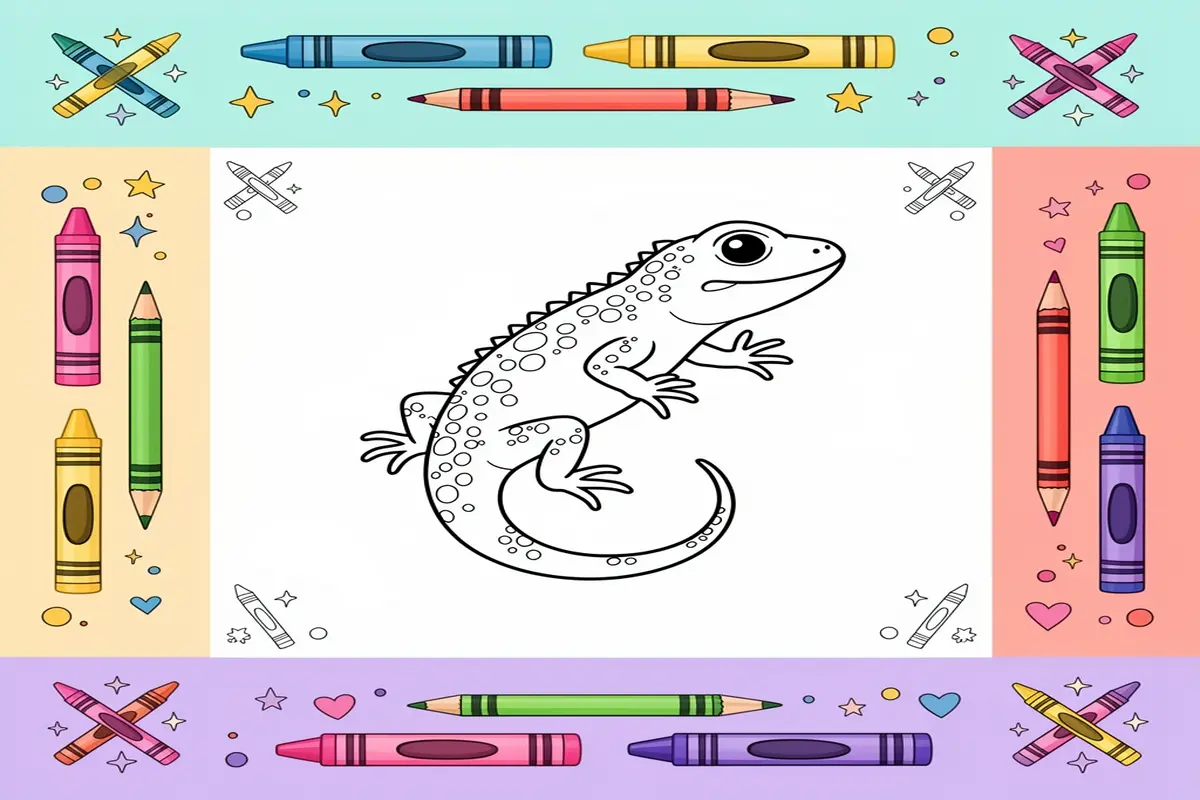
In a world saturated with digital noise, the simple act of coloring offers a profound sanctuary for young minds. It’s a tactile, imaginative journey where focus is rewarded with beauty and calm is found in the sweep of a crayon. Among the vast menagerie of animal themes, lizard coloring pages for kids stand out as a uniquely captivating portal into the wonders of the natural world. These aren’t just outlines on a page; they are invitations to explore the intricate patterns of geckos, the majestic frills of chameleons, and the prehistoric allure of iguanas. Coloring these fascinating reptiles fosters a connection to biodiversity, encouraging curiosity about habitats and adaptations far beyond the living room. As a creative exercise, it builds fine motor skills and color recognition, while as a mindful practice, it provides a quiet, focused retreat. Whether your child is drawn to the vibrant potential of a bearded dragon or the sleek lines of a skink, lizard coloring pages for kids offer an endlessly engaging artistic adventure. For young artists who also love the wonders of the ocean, exploring our collection of free dolphin coloring pages can extend this creative exploration to another amazing ecosystem.
The Scaled Muse: Psychology & Enduring Appeal of Reptilian Art
Why do these creatures, so often mysterious in life, become such compelling subjects for youthful artistry? The answer lies at the intersection of psychology, education, and pure creative fun.
The Mindful Grip: Focus, Calm, and Fine Motor Mastery
The very act of coloring within the detailed lines of a lizard’s scales or the contour of its tail demands a gentle, sustained concentration. This focused engagement acts as a form of active meditation for children, quieting the mind and reducing anxiety. As they decide whether a chameleon should be a rainbow of hues or a clever camouflage, they exercise decision-making and emotional regulation. Furthermore, maneuvering a coloring tool around the unique shapes of a lizard’s body—its toes, spines, and eyes—provides excellent, low-pressure practice for developing the fine motor control essential for writing.
From Folklore to Fascination: A Cultural and Biological Canvas
Lizard coloring pages for kids do more than fill time; they tell stories. Lizards are woven into global folklore as symbols of regeneration, agility, and adaptation. Coloring them can be a springboard into discussions about cultures that revere these reptiles or into the astounding science of their biology. How does a gecko walk on ceilings? Why do some lizards lose their tails? Each page becomes a conversational canvas, blending art with lessons in biology, geography, and mythology. This thematic depth enriches the coloring experience, transforming it from a simple activity into a spark for lifelong learning.
A Spectrum for Every Artist: From Simple Silhouettes to Complex Creatures
The universal appeal of lizard coloring pages for kids lies in their incredible versatility. For the young toddler, a friendly, cartoon-style lizard with bold, simple lines is a perfect introduction to color and shape. For the older child or even the adult seeking a creative outlet, highly detailed illustrations of a Komodo dragon or a textured iguana offer a satisfying, complex challenge. This range ensures that every skill level can find joy and a sense of accomplishment, making it an inclusive activity for families, classrooms, and solo artists alike.
Part 2: Essential Materials & Preparation for lizard coloring pages for kids
Before your young artist begins their reptilian adventure, having the right tools can transform a simple activity into a rich, educational, and deeply satisfying experience. Proper preparation for lizard coloring pages for kids ensures that the focus stays on creativity and learning, rather than on battling with subpar supplies. This section details the professional-grade materials and setup that will make coloring these intricate and fascinating creatures a highlight of any day.
The Foundation: Selecting Premium Paper for lizard coloring pages for kids
The journey to a vibrant finished piece begins with your choice of paper. Standard printer paper (20-24 lb) is prone to bleeding and warping, especially with wet media. For lizard coloring pages for kids, opt for a heavier weight paper. A bright white, smooth-finish cardstock (65-80 lb text weight or 110-120 GSM) provides an excellent surface. It resists bleed-through from markers, allows for smooth blending with colored pencils, and gives the artwork a substantial, finished feel. For a truly professional result, consider a dedicated marker paper or mixed-media pad, which is specifically engineered to prevent feathering and showcase vibrant color.
Best Coloring Tools: A Detailed Medium Comparison
The choice between markers, pencils, and crayons significantly impacts the final look of your child’s lizard masterpiece.
Colored Pencils: The ideal tool for detailed work, perfect for capturing the intricate scales and patterns of a lizard. Wax-based pencils (like Crayola) offer smooth application, while oil-based (like Faber-Castell) provide superior layering and blending. Look for pencils with soft, pigmented cores that require minimal pressure, aiding in developing fine motor skills.
Markers: Brilliant for bold, graphic lizards and creating striking backgrounds. For children, alcohol-free, water-based markers are recommended as they are easier to wash and less prone to strong odors. For no-bleed performance, pair them with the heavier paper mentioned above. Broad tips are great for filling large areas, while fine tips can add details.
Crayons & Gel Sticks: Excellent for younger children, offering ease of use and robust coverage. Gel crayons or “twistables” provide vibrant color without the need for sharpening and are less messy than traditional wax crayons.
Finishing Touches: Enhancing Details with Specialty Tools
Once the base colors are down, specialty tools can bring a lizard coloring pages for kids project to life. Fine-line gel pens in metallic or white are perfect for adding highlights to a lizard’s eye or creating a shimmering effect on its scales. A quality white colored pencil or a gelly roll pen can be used to add subtle highlights or texture. For a mixed-media approach, consider safe, child-friendly watercolor pans to create a quick wash for a desert or jungle background, making the lizard pop off the page. If your child is fascinated by other creatures from the wild, exploring our detailed cheetah coloring pages can introduce them to different spotted patterns and textures.
Perfect Workspace: Ergonomic Setup for Creative Focus
A well-prepared workspace encourages prolonged engagement and comfort. Ensure ample, natural light or a bright, neutral-toned LED desk lamp to reduce eye strain and allow for true color perception. The seating should support good posture—feet flat on the floor and the table at elbow height. Use a clipboard or a hardback book under the coloring page to create a portable, firm surface. Organize materials within easy reach in small containers, sorting by color family or tool type. This not only keeps the area tidy but also teaches organizational skills. Having a dedicated, inviting space signals that the activity of coloring, especially when tackling a page as engaging as lizard coloring pages for kids, is a valued and important creative pursuit.
Mastering Lizard Coloring Pages for Kids: Advanced Techniques for Stunning Results
Ready to transform those simple outlines into vibrant, textured masterpieces? Moving beyond basic fills, these advanced techniques will elevate your child’s coloring from flat to fantastic, especially when tackling the intricate details of lizard coloring pages for kids. This guide is designed for parents and teachers to coach young artists toward professional-looking results.
For more inspiration on rendering textured animal skin, explore our detailed Leopard coloring pages free printables or the scaly patterns on our Leatherback Sea Turtle coloring pages.
Harmonious Palettes: Color Theory for Lizard Coloring Pages for Kids
Understanding basic color relationships can make a lizard pop off the page. Teach children about complementary colors (opposites on the color wheel) for high-contrast, energetic designs—think a green lizard with small red accents in the eyes or background rocks. For a more natural, calming look, guide them toward analogous colors (colors next to each other). A lizard could feature a blend of greens, yellows, and light browns, mimicking real-life camouflage. Encourage them to plan a “color mood” before starting—will their lizard be realistic, fantastically bright, or cool-toned?
From Flat to 3D: Mastering Shading and Depth
Shading is the magic trick that adds volume. Start by choosing a light source direction (e.g., the top left). Then, practice this step-by-step method: First, color the entire area with your base color lightly. Second, apply a darker shade of the same color (or a complementary color like a deep purple over yellow) only on the sides opposite the light source—under the chin, along the lower body, and on one side of the tail. Finally, use a white crayon or leave the paper bare on the areas facing* the light. This simple three-step process (base, shadow, highlight) instantly creates a rounded, three-dimensional reptile.
Adding Realism: Texture Techniques for Scales and Skin
The texture is what brings a lizard coloring pages for kids project to life. For realistic scaly skin, avoid coloring in one solid direction. Instead, use small, overlapping circular or “U” shaped strokes with a sharp colored pencil to suggest individual scales. For a smoother, leathery skin texture, like on a gecko, use consistent, side-to-side strokes with the side of your pencil tip. A fun trick for a bumpy texture: lightly place a piece of coarse sandpaper under the page and color over it with the side of a crayon. The pattern will transfer, creating a perfect bumpy skin effect to color over.
The Art of Correction: Gracefully Fixing Coloring Mistakes
Mistakes are part of the creative process! If color goes outside the lines, don’t panic. Often, the background can be extended or turned into grass, leaves, or rocks to absorb the stray marks. For small, waxy mistakes with crayon, carefully scrape away the excess wax with a blunt toothpick. For colored pencil, a good white eraser can lift light layers. The most transformational trick is to “embrace and incorporate”: a dark streak on a lizard’s back can become a new pattern stripe or a shadow. Teaching kids to problem-solve creatively builds confidence far more than a perfect stay-within-the-lines approach.
Showcasing Your Lizard Coloring Pages for Kids: Creative Display Ideas
Your child’s completed lizard coloring pages for kids are more than just paper—they’re a gallery of creativity and accomplishment. Moving beyond the fridge door, here are inspiring ways to honor their artwork and extend the fun.
Preserving Your Masterpiece: Archival Tips
To ensure those vibrant lizards last, consider simple preservation methods. For truly special pieces, use acid-free sheet protectors in a binder to create a “reptile portfolio.” Lamination is a durable option for art that will be handled often. You can also mount the page on a slightly larger piece of colored construction paper for a framed look, or even use a low-tack spray adhesive to apply it to a canvas for a more permanent display.
Beyond Display: Creative DIY Projects
Transform colored pages into meaningful gifts and keepsakes. Carefully cut out the lizard shape to create unique bookmarks, greeting cards, or gift tags. For a fun bedroom accessory, decoupage several colored lizards onto a plain lampshade or a wooden treasure box. These projects not only celebrate the artwork but also teach kids about upcycling. For more animal-themed crafting inspiration, our collection of frog coloring pages for kids offers endless possibilities.
Your Lizard Coloring Adventure Questions Answered
How do you color a realistic lizard?
Start by observing real lizards! Use a base of greens, browns, or grays. Layer different shades of the same color to create texture on the scales. Add tiny dots or short lines for a rough, scaly effect. Don’t forget a lighter color for the belly and a touch of a contrasting hue (like a bright blue or orange) for accents on the throat or tail to make your lizard coloring pages for kids pop with life.
What are the benefits of coloring for kids?
Coloring boosts fine motor skills and hand-eye coordination as children learn to stay within lines. It’s a fantastic, screen-free activity that promotes focus, patience, and creativity. It also serves as a calming, emotional outlet, helping kids express feelings and reduce anxiety through art. It’s a simple yet powerful tool for developmental growth.
What colors are lizards in real life?
Lizards display a stunning natural palette! While many are shades of green and brown for camouflage, others are brilliantly colored. You’ll find vibrant blue-tongued skinks, fiery orange bearded dragons, electric-blue day geckos, and striped yellow-and-black salamanders. This incredible variety makes lizard coloring pages for kids a perfect opportunity to experiment with every color in the box.
How do I print free coloring pages?
Printing is easy! Find a reputable site (like ours!) offering free, high-quality PDFs. Click the download or print button. In your printer dialog box, ensure you select “Fit to Page” for proper scaling. For best results, use the “Best” or “High Quality” print setting in your printer preferences to capture all the crisp details of the drawing.
What is the best paper for printable coloring pages?
For casual coloring, standard printer paper works. For a superior experience, especially with markers or blended pencils, choose a slightly heavier paper. Cardstock (around 65-80 lb weight) prevents bleed-through and handles erasing well. For a professional feel, smooth Bristol board is excellent for detailed work on your lizard coloring pages for kids.
Final Thoughts: Your Lizard Coloring Journey Begins
Embarking on the world of lizard coloring pages for kids opens a door to creativity, learning, and quality time. From discovering the rainbow of colors in the reptile kingdom to developing essential skills and finally showcasing their unique artwork, each step is a rewarding milestone. These activities nurture a child’s artistic confidence and provide a tangible connection to the fascinating animal world.
Remember, every page colored is a story told and a skill grown. We hope this guide inspires countless colorful afternoons and proud displays of reptilian masterpieces. Ready for your next adventure? Explore our jungle coloring pages to continue the wild, creative fun!