We offer a wide collection of free, high-quality printable coloring pages for kids and adults. From cute animals to intricate mandalas, our designs bring creativity and relaxation to everyone. Download, print, and start coloring today!

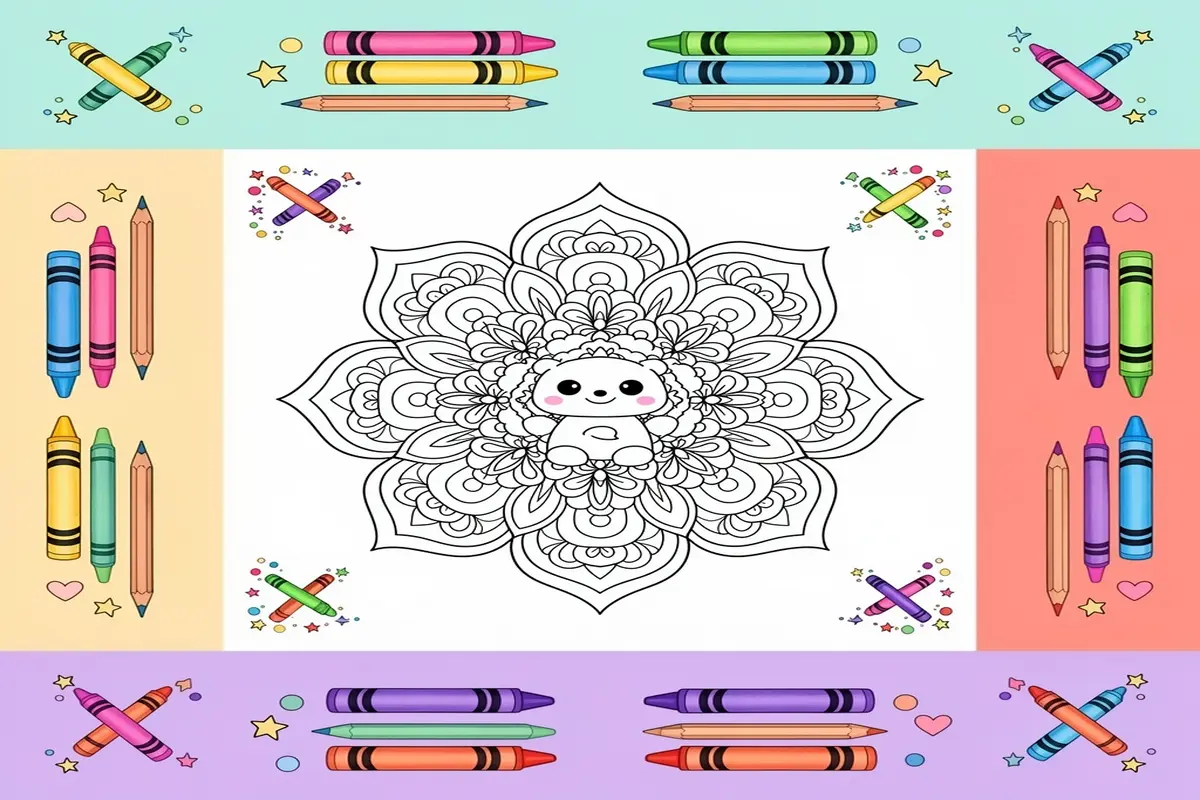
In a world of constant digital stimulation, the simple act of coloring offers a profound sanctuary for young minds. It’s a tactile, screen-free journey into imagination, where focus is rewarded with vibrant beauty. Among the myriad of themes, from the depths of the ocean with our free dolphin coloring pages to the wilds of the savanna, mandala coloring pages for kids stand apart as a uniquely powerful tool. These intricate, circular designs are more than just art; they are gateways to mindfulness, patience, and self-expression. By engaging with mandala coloring pages for kids, children don’t just fill spaces with color—they embark on a meditative practice that builds fine motor skills, reduces anxiety, and fosters a deep sense of accomplishment. This ancient art form, adapted for young artists, provides a structured yet infinitely creative canvas where every choice is their own.
The Symmetry of Mind & Art: Why Mandalas Captivate
The Psychology of Patterns: Focus, Flow, and Fulfillment
At their core, mandalas are exercises in symmetry and balance. For a child, this inherent order provides a comforting framework. The repetitive nature of the patterns induces a state of flow, quieting the ‘noise’ and allowing complete immersion in the present moment. This focused engagement is a gentle form of cognitive training, enhancing concentration and patience. The act of choosing colors and watching a unified image emerge from complexity delivers a powerful boost to self-esteem and provides a non-verbal outlet for emotions, making mandala coloring pages for kids a valuable resource for emotional regulation and creative confidence.
From Ancient Ritual to Modern Mindfulness
Mandalas are far from a modern trend; they are a spiritual and artistic tradition spanning cultures from Tibetan Buddhism to Native American sand painting. Historically, they served as symbolic representations of the universe, tools for meditation, and maps for spiritual journeys. By introducing children to mandala coloring pages for kids, we offer them a touchpoint to this rich cultural heritage in an accessible, hands-on way. It transforms a profound historical practice into a personal creative exploration, connecting young artists to a timeless human pursuit of meaning and beauty through pattern.
A Design for Every Developer: Inclusivity in Complexity
The true genius of the mandala for young audiences lies in its scalability. Designs can range from simple, bold circles with basic shapes perfect for a preschooler’s crayon, to astonishingly detailed labyrinths of line and form that challenge and delight older children and even adults. This versatility means that mandala coloring pages for kids are not a one-size-fits-all activity, but a growing companion in a child’s artistic development. They meet the artist exactly where they are, providing just the right level of challenge to be engaging without being frustrating, ensuring that every child can experience the joy and calm of bringing symmetrical art to life.
Professional Materials & Preparation for mandala coloring pages for kids
Before your child begins their artistic journey into the world of mandala coloring pages for kids, having the right tools and a proper setup is crucial. This preparation not only enhances the final artwork but also makes the coloring process more enjoyable and beneficial for developing fine motor skills and focus. A well-prepared session with quality materials can transform a simple activity into a profound exercise in mindfulness and creativity.
The Foundation: Selecting Premium Paper for mandala coloring pages for kids
The paper you choose is the single most important material decision. Standard printer paper is too thin and will bleed, buckle, or tear, especially with markers or heavy pencil pressure. For mandala coloring pages for kids, opt for a dedicated coloring book with thick pages or print your chosen designs on heavyweight paper. Look for paper labeled as “marker paper,” “mixed-media paper,” or “cardstock” with a weight of at least 100 GSM (grams per square meter). Smooth, bright white paper allows colors to appear vibrant and sharp, while a slightly textured surface is ideal for holding layers of colored pencil pigment. This solid foundation ensures that intricate patterns remain crisp and the artwork is durable.
Best Coloring Mediums: A Detailed Comparison
The choice between colored pencils, markers, and crayons dramatically affects the outcome of mandala coloring pages for kids.
Colored Pencils: The most versatile and recommended tool for beginners and advanced young artists alike. They offer superior control for detailed sections, allow for easy blending and layering, and are erasable. Look for pencils with soft, pigmented cores. For a truly professional result, a set with a wide color range is ideal for creating gradients and depth in complex patterns.
Markers: Provide brilliant, saturated color and are excellent for covering large background areas quickly. However, they require more skill to avoid bleeding through paper. Use alcohol-based markers for seamless blending or fine-tip water-based markers for precise detail work. Always place a scrap sheet underneath to protect your work surface. For a fun alternative that kids adore, explore our cute boba coloring pages which pair wonderfully with bright marker colors.
Crayons: Best for younger children due to their durability and ease of use. While they may not achieve the fine detail of pencils, they are excellent for teaching pressure control and can create beautiful, waxy textures.
Finishing Touches: Gel Pens & Highlighting Tools
To elevate a completed mandala, introduce special-effect tools. Metallic, glitter, and neon gel pens are perfect for adding dazzling accents to key lines and shapes within the design. A white gel pen is indispensable for adding highlights, correcting tiny mistakes, or creating patterns on top of darker colored areas. For children working with colored pencils, a colorless blending marker or a specialized blending stump can help smooth out colors and create professional, gradient effects. These tools empower kids to add their own creative signature to each piece.
Creating the Perfect Workspace: Ergonomics & Lighting
A proper workspace is essential for comfort and concentration. Ensure the coloring surface is stable, flat, and at an appropriate height to prevent slouching. Good lighting is non-negotiable; natural daylight is best, but a bright, white LED desk lamp will prevent eye strain and allow your child to see true colors and fine details. Keep supplies organized in cups or trays for easy access. Finally, consider a smooth, hard surface (like a clipboard or a simple piece of cardboard) underneath the paper if working at a table, as this provides an ideal drawing texture for pencils. Preparing this dedicated space signals that the activity is valued and helps children engage more deeply with their mandala coloring pages for kids.
Part 3: Elevating Your Art: Advanced Techniques for mandala coloring pages for kids
Ready to transform those beautiful circular designs from simple projects into stunning works of art? Mastering a few key techniques can turn coloring time into a masterclass in creativity. These methods not only produce impressive results but also teach kids valuable artistic skills, building confidence with every page. Let’s explore how to bring your mandala coloring pages for kids to life with professional flair.
Harmonious Palettes: Color Theory for mandala coloring pages for kids
Understanding basic color relationships is the secret to making a mandala pop. Instead of random color choices, guide your child to create visual harmony. Start with complementary colors—those opposite each other on the color wheel, like blue and orange or purple and yellow. Using these in adjacent mandala sections creates vibrant, eye-catching contrast. For a more soothing, cohesive look, try analogous colors—those next to each other on the wheel, like blue, blue-green, and green. This scheme is perfect for creating gradients and a calm mood. Encourage planning by lightly writing color names in pencil in different sections before starting. For practice with organic patterns, our flower coloring pages for kids offer a wonderful canvas to test these palettes.
From Flat to 3D: Mastering Shading and Depth
Shading is what turns a flat circle into a sphere and gives petals a curved, lifelike form. The key is to imagine a light source. Ask your child: “Where is the sun in your picture?” Once decided, the areas farther from this light should be darker. Step 1: Color a section with a base layer using medium pressure. Step 2: Along one edge (the side away from the “light”), apply the same color again with heavier pressure to build a darker value. Step 3: For advanced shading, use a slightly darker shade of the same color family for the deepest shadows. Blending can be done by gently layering and smoothing with a lighter color or a white pencil. This technique adds incredible dimension to mandala coloring pages for kids, making the design leap off the page.
Adding Visual Interest: Creative Texture Methods
Textures make different parts of your mandala feel distinct. A dotting or stippling technique—using the pencil tip to make tiny dots—can create a sandy, sparkly, or fuzzy texture in a background wedge. For a sleek, metallic look, try burnishing: coloring an area solidly and heavily with a white or light-colored pencil on top to blend the wax and create a shiny surface. To mimic natural patterns, practice on our leopard coloring pages free printables, observing how spots and fur direction can be replicated within mandala shapes.
The Art of Graceful Correction: Fixing Coloring Mistakes
Even professional artists make “happy accidents,” but knowing how to fix a slip builds resilience. If a color goes outside the lines, don’t panic! Often, you can incorporate the mistake by extending the pattern or turning it into a new, tiny design element. For a clean fix, use a white eraser after* the coloring is complete and the page is fully dry. Gently dab (don’t rub) to lift excess pigment. If a darker color bleeds where it shouldn’t, use a white gel pen or colored pencil to cover and redefine the line. The most important lesson is that perfection isn’t the goal; joyful expression is. Every masterpiece, including your child’s completed mandala coloring pages for kids, is a testament to their creative journey.
Showcasing Your Mandala Coloring Pages for Kids: Creative Display Ideas
Your child’s finished mandala coloring pages for kids are more than just paper—they’re vibrant expressions of focus and creativity. Moving beyond the coloring book, these masterpieces deserve to be celebrated and shared. Here are inspiring ways to honor their artistic journey and extend the fun into creative projects.
Preserving Your Masterpiece: Archival Tips
To ensure those colorful creations last, consider simple preservation methods. For flat display, a standard laminator works wonders, protecting art from spills and tears. For a more gallery-like feel, place the mandala in an inexpensive frame with a colorful mat. You can also create a rotating “art wall” with clipboards or washi tape, making it easy to swap out new mandala coloring pages for kids as they’re completed.
Beyond Display: Creative DIY Projects
Transform completed pages into meaningful gifts and keepsakes. A beautifully colored mandala makes a stunning, personalized greeting card or gift tag when glued to folded cardstock. Create durable bookmarks by laminating a mandala strip. For a collaborative project, combine several colored pages into a custom “art book” or decoupage them onto a small keepsake box. These projects extend the life of the art and teach kids the joy of giving. For more creative animal-themed fun, explore our free dolphin coloring pages.
Your Mandala Coloring Pages for Kids Questions Answered
What are the benefits of coloring mandalas for kids?
Coloring mandalas offers a powerful blend of benefits. It enhances fine motor skills and hand-eye coordination through detailed work. More importantly, the repetitive, symmetrical patterns are naturally calming, promoting focus and reducing stress. This meditative activity builds patience and provides a wonderful sense of accomplishment, making mandala coloring pages for kids a fantastic tool for emotional and cognitive development.
How do you explain a mandala to a child?
Explain that a mandala is a special, circular picture that starts from a center point and grows outward with balanced shapes and patterns, like a snowflake or a flower. Tell them it’s often called a “magic circle” that can help you feel calm and happy. Encourage them to see it as their own unique world to fill with color.
At what age can kids start coloring mandalas?
Children can begin with simple, large-patterned mandalas around age 3 or 4, using chunky crayons. As their grip and concentration develop (ages 5-7), they can handle more detail. The key is to match the complexity to the child’s ability to ensure it remains a positive, frustration-free experience, making mandala coloring pages a versatile activity that grows with them.
Do mandalas help children with anxiety?
Yes, they can be very effective. The structured, predictable nature of a mandala provides a safe, contained space for a child’s mind to focus. This act of mindful coloring can interrupt anxious thought cycles, lower heart rate, and serve as a grounding technique. It’s a simple, accessible tool for managing big feelings.
What are the best markers for mandala coloring?
For detailed mandala work, fine-tip markers are ideal. Look for alcohol-based markers (like Crayola’s fine-line versions) for blendable colors without bleeding through paper, or quality water-based fineliners (such as Stabilo point 88) for vibrant, precise lines. Always test on a spare sheet and place a scrap paper underneath to protect surfaces.
Final Thoughts: Your Mandala Coloring Pages for Kids Journey Begins
The journey with mandala coloring pages for kids is about so much more than staying within the lines. It’s a peaceful adventure into creativity, a practical lesson in patience, and a gentle tool for emotional well-being. Each finished page is a testament to your child’s growing skills and a moment of calm captured in color. We encourage you to celebrate each masterpiece, display it with pride, and witness the quiet joy this simple activity can bring.
Ready for your next creative adventure? Explore our zebra coloring pages free printable for another world of patterns waiting to be brought to life!