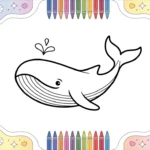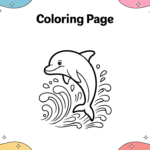
We offer a wide collection of free, high-quality printable coloring pages for kids and adults. From cute animals to intricate mandalas, our designs bring creativity and relaxation to everyone. Download, print, and start coloring today!

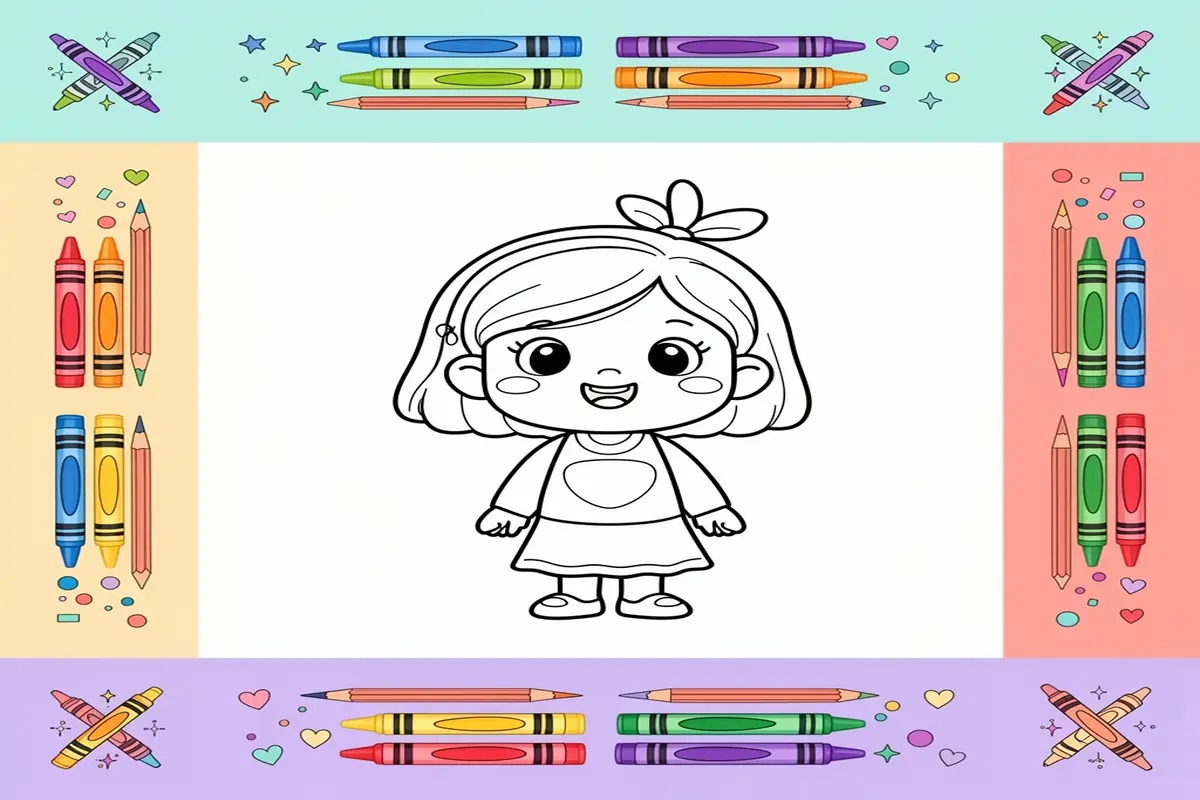
In a world that often moves too fast for young minds, the simple act of coloring emerges as a profound sanctuary. More than just a pastime, it is a gentle, accessible form of self-care that allows children to process big feelings, find calm, and express themselves without words. mental health coloring pages for kids are specifically designed with this therapeutic intent, featuring soothing patterns, positive affirmations, and imagery that encourages mindfulness and emotional exploration. This creative practice transcends mere entertainment, offering a non-verbal language for anxiety, joy, and everything in between. It’s a tool that empowers children, giving them a sense of control and accomplishment in a safe, creative space. Whether it’s through the serene lines of a mandala or the friendly face of a calming animal, these pages provide a vital pause. For a wonderful example that combines tranquility with nature’s majesty, explore our collection of Free Whale Coloring Pages, perfect for inspiring a sense of peaceful wonder. Integrating mental health coloring pages for kids into daily routines can build foundational coping skills that last a lifetime.
The Mindful Stroke: Unpacking the Therapeutic Power
At first glance, coloring seems straightforward. Yet, beneath the surface of crayons and markers lies a complex interaction of psychology, neuroscience, and art therapy that makes mental health coloring pages for kids so uniquely effective.
The Neurology of Calm: How Coloring Regulates the Nervous System
When a child focuses on filling a shape with color, several beneficial neurological shifts occur. The repetitive, rhythmic motion and required concentration help quiet the amygdala—the brain’s fear center. This activity induces a state similar to meditation, lowering heart rate and reducing feelings of stress or overwhelm. The structured creativity provides a ‘brain break’ from cyclical worries, allowing the prefrontal cortex, responsible for focus and decision-making, to engage in a low-stakes, rewarding task. This is why mental health coloring pages for kids are not just fun; they are a functional tool for emotional regulation, offering a tangible way to ‘reset’ a frazzled nervous system.
From Ancient Rituals to Modern Therapy: A Brief Historical Canvas
The use of repetitive, decorative art for spiritual and mental well-being is ancient. Cultures across the globe have long utilized patterns in sand, textiles, and architecture to induce states of contemplation and harmony. Modern mental health coloring pages for kids are the direct descendants of these practices, translating timeless principles into a format accessible to children. The clinical adoption of art therapy in the 20th century provided the scientific framework, validating that creative expression is a powerful conduit for processing trauma and emotion. Today’s pages blend this rich heritage with contemporary understandings of childhood psychology, creating a bridge between ancient wisdom and modern need.
Designed for All: Inclusivity in Emotional Learning
The beauty of this medium is its universal accessibility. Mental health coloring pages for kids are curated for every skill level and disposition. For the child grappling with anxiety, pages with hidden positive words or gradual patterns can provide a comforting challenge. For those learning to identify emotions, pages featuring faces with different expressions offer a safe starting point for conversation. The subject matter is intentionally broad—from abstract geometric shapes to friendly animals and nature scenes—ensuring every child can find an image that resonates. This inclusivity reinforces the core message: managing your mental well-being is a journey open to everyone, and it can start with a single, colorful stroke.
Professional Materials & Preparation for mental health coloring pages for kids
To maximize the therapeutic and creative benefits of mental health coloring pages for kids, proper preparation is key. Having the right materials on hand transforms a simple activity into a focused, calming ritual that encourages emotional expression and mindfulness. This guide outlines the essential toolkit for parents and educators to facilitate a successful coloring session that supports children’s emotional well-being.
The Foundation: Choosing Paper for mental health coloring pages for kids
The paper you select is the cornerstone of the coloring experience. For standard printing of mental health coloring pages for kids, a bright white, smooth-finish paper with a weight of 100-120 GSM (grams per square meter) is ideal. This weight is thick enough to prevent bleed-through from markers while providing a smooth surface for colored pencils to layer effectively. If your child prefers using wet mediums like markers or gel pens, consider upgrading to a dedicated marker paper (around 160 GSM) or even cardstock for projects they may wish to display. The tactile quality of good paper enhances the sensory aspect of coloring, making it more grounding and satisfying. For themed activities, such as exploring ocean serenity, you could print designs from our free dolphin coloring pages on this higher-quality stock.
Best Coloring Tools: Markers vs. Pencils for Emotional Expression
The choice between markers and colored pencils can influence the coloring experience and outcome. Alcohol-based markers (like Copic or similar brands) offer vibrant, blendable colors with a seamless finish, which can be immensely satisfying and boost a child’s sense of achievement. However, they require bleed-proof paper. Water-based markers are a more accessible and less messy option, though they can streak. Colored pencils, particularly soft-core or oil-based varieties, are excellent for detailed work on mental health coloring pages for kids. They allow for controlled pressure application—pressing harder during moments of frustration or lightly for calm shading—providing a direct physical outlet for emotions. Pencils also enable sophisticated techniques like blending and gradation, which can be meditative and focus-driven.
Finishing Touches: Gel Pens, Highlights, and Fine Liners
Elevate the coloring project and add an element of joyful detail with specialized tools. Gel pens, especially in metallic, glitter, or neon inks, are perfect for adding highlights, creating patterns within larger spaces, or tracing outlines. These details can make a child’s artwork feel special and celebrated, reinforcing positive self-esteem. Fine-line pigment liners (such as those from brands like Staedtler or Sakura) are invaluable for children who wish to add their own patterns or definitions to sections before coloring. This step personalizes the page, turning a pre-drawn design into a unique creation that more deeply reflects their inner world.
Perfect Workspace: Lighting, Ergonomics, and Ambiance
The physical environment significantly impacts the mindfulness potential of coloring. Ensure the workspace is well-lit with natural or full-spectrum light to reduce eye strain and accurately perceive colors. Ergonomics matter: provide a flat, stable surface and a chair that supports the child’s back. Consider a portable desk easel for a more engaging angle. To complete the calming atmosphere, minimize digital distractions and consider playing soft, instrumental music in the background. Having all materials—printed mental health coloring pages for kids, chosen mediums, a sharpener, and a clean cloth—organized within reach prevents disruptive searching and helps maintain a state of flow and concentration throughout the session.
Part 3: Elevating Expression: Advanced Techniques for Mental Health Coloring Pages for Kids
To transform simple coloring into a powerful tool for emotional growth, mastering a few key artistic techniques can make all the difference. When working with mental health coloring pages for kids, moving beyond basic filling can help children articulate complex feelings, build confidence through skill, and achieve a state of mindful flow. These methods turn a page into a personal masterpiece, reinforcing the therapeutic benefits of the activity.
Harmonious Palettes: Color Theory for Emotional Expression
Understanding basic color theory helps children intentionally communicate their inner state. Teach them the difference between complementary colors (opposites on the wheel, like blue and orange) for vibrant, energetic sections, and analogous colors (neighbors, like blue, teal, and green) for creating calm, serene areas. For a page meant to convey peace, suggest a palette of cool blues and greens from our nature coloring pages for kids. For expressing joy or excitement, warm analogous colors like yellow, orange, and red can be powerfully uplifting. This intentional choice empowers kids to give color to their feelings.
From Flat to 3D: Mastering Mindful Shading
Shading adds depth and dimension, teaching patience and observation. Start with a simple sphere shape on a calming coloring page. Guide your child to:
1. Identify the Light Source: Decide where the light is coming from (e.g., the top corner).
2. Apply Base Color: Color the entire shape evenly with a light pressure.
3. Add the Core Shadow: On the side opposite the light, apply a medium pressure with the same or a slightly darker hue.
4. Deepen the Shadow: At the very edge, use the darkest pressure or a complementary dark color (e.g., a touch of purple in a yellow object’s shadow).
5. Highlight: Leave a small spot nearest the light source the whitest or lightest.
This step-by-step process is meditative and builds fine motor control.
Adding Realism: Texture Techniques for Focus
Creating textures keeps the mind engaged in the present moment. Demonstrate how different strokes create different feels:
Fur or Grass: Use short, quick, overlapping strokes in one direction. Vary the pressure for a natural look.
Smooth Metal or Water: Use long, even, parallel strokes with a sharp pencil or crayon, leaving small white streaks for shine.
Fluffy Clouds: Use tiny, light, circular scribbles to build up softness.
Rough Bark: Use uneven, zig-zagging lines with varying pressure.
Practicing these on the intricate patterns of mandala coloring pages for kids can be especially effective for building focus and patience.
The Art of Correction: Gracefully Fixing Coloring “Mistakes”
A crucial part of the therapeutic process is learning that “mistakes” can be adapted or fixed, reducing anxiety. Teach these graceful fixes:
Turn a Smudge into a Shadow: If color goes outside the line, deliberately extend it further to create a natural shadow effect.
Incorporate a “Happy Accident”: An unintended mark can become a butterfly, a star, or a pattern element.
Layer to Cover: Light colors can often be layered over dark with pressure, or a white crayon can act as a resist before applying a new color on top.
Embrace It: Discuss how imperfections make the artwork uniquely theirs, just as our feelings—even difficult ones—are part of our unique selves.
By integrating these techniques, mental health coloring pages for kids become a rich, skill-building practice that fosters resilience, mindfulness, and creative confidence.
Showcasing Your mental health coloring pages for kids: Creative Display Ideas
Once your child has created their masterpiece, the next step is to celebrate it. Displaying their art validates their effort and reinforces the positive feelings associated with their creative mental health practice. It turns a simple activity into a visible reminder of their emotional journey and accomplishments.
Preserving Your Masterpiece: Archival Tips
Protect these special creations for years to come. For flat display, consider simple, inexpensive clip frames or a dedicated art wire with clips. To create a lasting portfolio, use a three-ring binder with clear page protectors. For pieces you want to handle often, like a favorite cute calming coloring pages sheet, you can laminate it. This makes it durable enough to be used as a placemat or even a personalized bookmark, allowing the calming art to be part of daily life.
Beyond Display: Creative DIY Projects
Transform completed coloring pages into meaningful gifts and keepsakes. Cut out colored sections to create unique greeting cards, gift tags, or bookmarks. You can decoupage them onto a wooden box to make a special “calm down” kit. For a collaborative family project, combine several colored pages into a beautiful patchwork banner for their room. These projects extend the therapeutic benefits, giving children a sense of pride and purpose as they share their calming art with others.
Your mental health coloring pages for kids Questions Answered
How does coloring help a child’s mental health?
Coloring acts as a gentle, focused activity that calms the brain’s amygdala, the center for fear and stress. It provides a safe outlet for self-expression without the pressure of a blank page. This process reduces stress hormones, promotes a state of flow, and can significantly improve a child’s mood and focus, making it a powerful tool for daily emotional care.
Does coloring help children with anxiety?
Yes, absolutely. The rhythmic, repetitive motion of coloring creates a meditative state that draws focus away from anxious thoughts and into the present moment. It serves as a mindful distraction, providing a sense of control and predictable outcome. For many children, using specific mental health coloring pages for kids designed with soothing patterns can become a reliable coping strategy during moments of worry.
What is mindfulness coloring for kids?
Mindfulness coloring is the intentional practice of focusing fully on the present experience—the feel of the crayon, the choice of color, the movement of your hand. For kids, it’s about noticing the sensations without judgment. Pages with detailed patterns, like mandalas or nature scenes, naturally encourage this deep focus, helping to quiet mental chatter and build their mindfulness muscles in an accessible way.
How do coloring pages help with emotional regulation?
Coloring pages provide a structured space for children to process big feelings. The act of coloring can be physically soothing, slowing heart rate and breathing. As they choose colors that match their mood, they engage in non-verbal emotional expression. Completing a page also delivers a sense of accomplishment, which can counter feelings of frustration or helplessness, making it easier to regain emotional balance.
Is coloring good for kids with ADHD?
Coloring can be exceptionally beneficial for kids with ADHD. It channels restless energy into a constructive, focused task, improving concentration and sustained attention. The structured boundaries of a coloring page reduce overwhelming choices, providing just enough creative freedom within a clear framework. This makes certain mental health coloring pages for kids a valuable tool for practicing focus and achieving a calming sense of order.
Final Thoughts: Your mental health coloring pages for kids Journey Begins
The simple act of coloring is far more than just a way to pass the time. It is a gateway to mindfulness, a tool for emotional regulation, and a canvas for silent self-expression. By integrating mental health coloring pages for kids into your child’s routine, you are giving them a lifelong skill for finding calm, building focus, and processing their inner world in a healthy, creative way. This journey isn’t about creating perfect art; it’s about nurturing a resilient and joyful mind, one colorful stroke at a time.
Ready for your next adventure? Explore our cute animal coloring pages for kids to discover a whole new world of calming and creative fun!