We offer a wide collection of free, high-quality printable coloring pages for kids and adults. From cute animals to intricate mandalas, our designs bring creativity and relaxation to everyone. Download, print, and start coloring today!

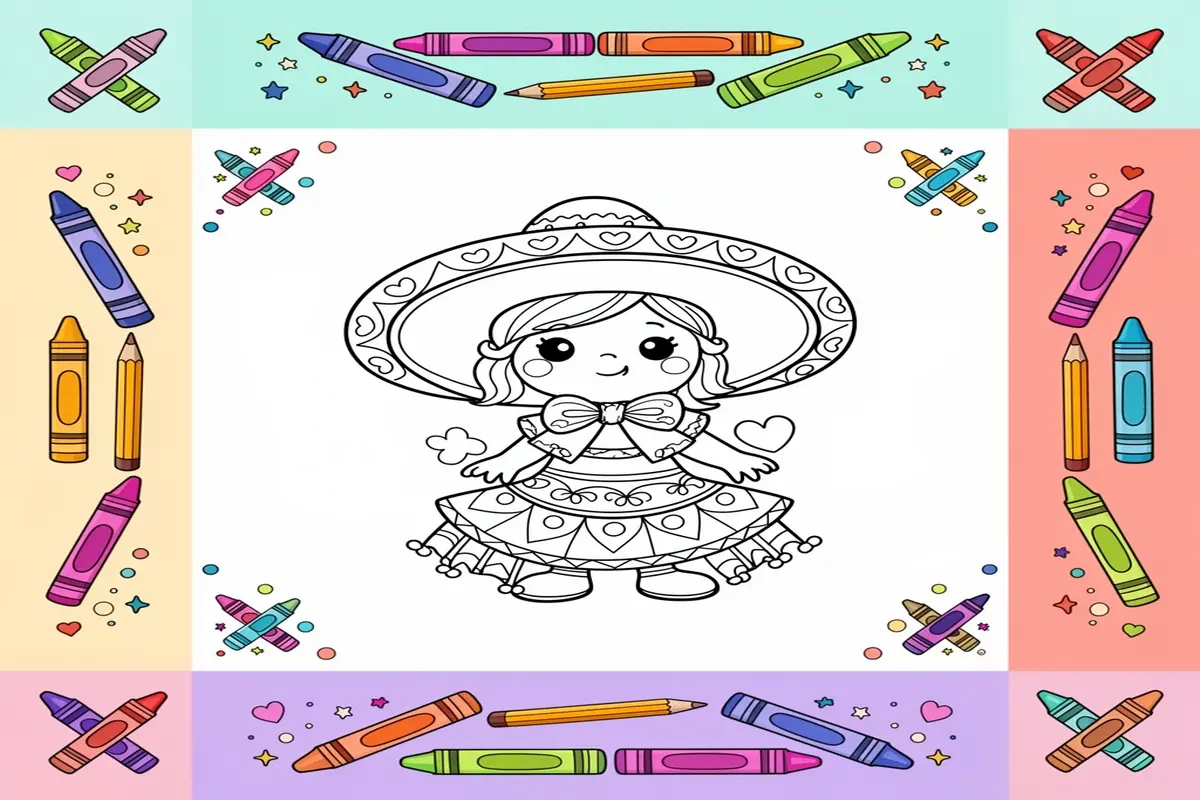
Imagine the quiet focus of a child, crayon in hand, bringing to life the intricate patterns of a serape or the bold form of a luchador mask. This simple act is more than just play; it’s a gateway to cultural discovery and artistic expression. Mexico coloring pages for kids offer a uniquely engaging medium to explore the rich tapestry of Mexican heritage—from the festive energy of Día de los Muertos to the majestic ruins of ancient civilizations. These pages transform learning into a sensory experience, where color choices become personal interpretations of a vibrant culture. For parents and educators seeking to cultivate global awareness and fine motor skills simultaneously, this creative resource is invaluable. It complements other thematic explorations, much like our collection of Day of the Dead coloring pages, providing a focused lens on specific traditions. By integrating Mexico coloring pages for kids into your activities, you’re not just filling time; you’re opening a dialogue about history, art, and the beautiful diversity of our world. Let’s embark on this colorful adventure.
The Psychology & Cultural Appeal: More Than Just a Rainbow
The Mindful Palette: Calm Through Creative Focus
At its core, the act of coloring is a meditative practice for young minds. The structured yet open-ended nature of Mexico coloring pages for kids provides a perfect balance. As children concentrate on staying within the lines of a detailed Aztec sun stone or a mariachi guitarist, their brains enter a state of flow. This reduces anxiety, enhances concentration, and provides a non-digital sanctuary for mindfulness. The vibrant themes inherent to Mexican art—think bright florals, festive banners, and lively animal motifs like the axolotl—naturally stimulate joy and creativity, making the calming benefits even more profound.
A Living History Book: Stories Told in Line and Shape
Every coloring page is a narrative waiting to be completed. Mexico coloring pages for kids serve as an accessible introduction to a profound cultural legacy. Children encounter symbols with deep roots: the eagle and cactus from the national flag, sugar skulls representing ancestral honor, and pyramids whispering tales of the Maya and Aztec. As they color, natural questions arise—”Why is this skeleton smiling?” “What is this building?”—turning a quiet activity into an interactive history and social studies lesson. This tactile connection to symbolism and story fosters empathy and a deeper understanding than passive learning often allows.
Designed for All Hands: From Toddler Grip to Tween Detail
The beauty of this theme lies in its scalability. For the youngest artists, simple outlines of sombreros or basic geometric patterns from Talavera pottery build confidence in grip and color recognition. For school-aged children, more complex scenes of marketplaces or traditional folklorico dancers challenge their fine motor skills and decision-making. Tweens might gravitate towards intricate mandalas inspired by Mexican textiles or detailed maps highlighting geographical features. This range ensures that Mexico coloring pages for kids are a versatile tool, growing with the child and offering appropriate challenges that keep engagement high across developmental stages.
Professional Materials & Preparation for Mexico Coloring Pages for Kids
To ensure a vibrant and successful coloring session with Mexico coloring pages for kids, having the right materials prepared is essential. This professional toolkit will help parents and educators create an optimal environment for children to explore the rich colors and intricate details of Mexican culture, from festive mariachi bands to intricate sugar skulls. Proper preparation not only enhances the final artwork but also makes the activity more enjoyable and educational for young artists.
The Foundation: Selecting Paper for Mexico Coloring Pages for Kids
The choice of paper is the first critical decision. For standard crayon or colored pencil work, a smooth, bright white paper around 80-100 GSM (grams per square meter) provides a good balance of affordability and quality, allowing colors to appear vivid. However, if children will be using markers or wet mediums like watercolor pencils for their Mexico coloring pages for kids, upgrading to a heavier cardstock (120-160 GSM) or mixed-media paper is imperative to prevent bleed-through and buckling. This is especially useful for pages with large areas of color, such as a Mexican serape blanket or a sunny piñata. For a special project, consider printing on a lightly textured paper to add a unique tactile dimension to depictions of adobe buildings or traditional folk art.
Best Coloring Tools: Markers vs. Pencils & Beyond
The coloring medium dramatically affects the outcome. Here’s a detailed comparison:
Colored Pencils: Ideal for developing fine motor skills and achieving detailed work on patterns like those found in Talavera pottery or Aztec designs. Look for pencils with soft, pigmented cores that blend easily. They offer control and are less messy, making them excellent for younger children.
Markers: Provide bold, saturated color perfect for capturing the festive energy of a Cinco de Mayo celebration or the brilliant feathers of a quetzal bird. Opt for alcohol-based markers for seamless blends on special projects, but high-quality washable markers are superb for everyday use. Be mindful of potential bleed-through on thinner paper.
Crayons & Gel Sticks: Fantastic for younger kids, offering ease of use and durability. While less precise, they can create beautiful textured effects. For a broader range of artistic exploration, consider incorporating our watercolor pencils for techniques that blend drawing and painting, perfect for scenic pages of Mexican landscapes or ocean vistas.
Finishing Touches: Gel Pens, Highlights, and Outliners
Elevate the completed Mexico coloring pages for kids with specialty tools. Metallic gel pens are perfect for adding shimmer to guitar strings, mariachi embroidery, or sun details. White gel pens or acrylic paint markers can be used to create highlights, add dots to patterns, or correct small mistakes. Fine-line black markers or pens are excellent for older children who wish to redefine outlines or add their own intricate patterns within the designs, fostering creativity beyond simple color fill. These tools encourage attention to detail and can make a child’s artwork truly stand out.
Perfect Workspace: Ergonomics, Lighting, and Organization
A well-prepared workspace maximizes focus and comfort. Ensure the coloring area has bright, natural light or a good quality desk lamp to reduce eye strain, which is crucial when working on detailed elements like the floral patterns of a Día de Muertos altar. Ergonomics matter: choose a table and chair where the child’s feet can rest flat and their arms can comfortably reach the paper. Keep materials organized in cups or trays—separate containers for pencils, markers, and specialty tools prevent frustration and lost time. Laying down a protective mat or newspaper simplifies cleanup, allowing the focus to remain on the cultural journey through these engaging Mexico coloring pages for kids.
Part 3: Elevating Your Art: Advanced Techniques for Mexico Coloring Pages for Kids
Ready to transform those vibrant mexico coloring pages for kids from simple outlines into stunning works of art? This section moves beyond basic filling to explore professional techniques that will build confidence and skill in young artists (and the adults guiding them!). By mastering a few key concepts, you can help children add incredible depth, realism, and personal flair to their creations.
Harmonious Palets: Color Theory for Mexico Coloring Pages for Kids
Understanding simple color relationships can make a page sing. For the bright themes found in mexico coloring pages for kids, try these approaches:
Complementary Colors: These are opposites on the color wheel and create high contrast and vibrancy. Think of the green, white, and red of the Mexican flag—red and green are complements. Use this for a mariachi’s charro suit against a background or for flowers in a festive scene.
Analogous Colors: These are neighbors on the wheel (like orange, yellow, and red) and create harmonious, soothing blends. This is perfect for a sunset over an Aztec pyramid or the layered colors of a traditional serape blanket. Encourage kids to use analogous colors for large areas to create unity, then add complementary “pops” for excitement.
From Flat to 3D: Mastering Shading and Depth
Shading is the magic that makes a sombrero look round or a cactus look solid. Teach this simple, step-by-step method:
1. Identify Your Light Source: Decide where the “sun” is in the picture (e.g., top left).
2. Layer Your Colors: Start with a base color. Where the object is farthest from the light (the opposite side), use a slightly darker shade of the same color.
3. Blend and Smooth: Use a lighter touch or a white crayon to gently blend where the dark and base colors meet, creating a smooth gradient.
4. Add Highlights: With a very light touch or an eraser (for colored pencils), add a tiny speck of the lightest color or white on the areas directly facing the light source.
Adding Realism: Texture Techniques for Every Surface
Different elements in your Mexico-themed pages demand different textures. Here’s how to render them:
Rough Stone: For ancient temple walls or cobblestone streets, use small, tight circular scribbles with a gray or brown pencil, leaving tiny white gaps for a gritty feel.
Soft Fabric: For a dancer’s skirt or a blanket, use long, smooth, side-to-side strokes in the direction the fabric would flow. Layer similar colors lightly on top of each other.
Furry or Hairy: Perfect for coloring the donkey in a nativity scene or the goat in a rural landscape, texture is achieved with short, quick, overlapping strokes that follow the direction the hair grows.
Sky: For a smooth Mexican sky, use the side of a blue crayon or pencil and color with even, light pressure, gradually getting lighter near the horizon.
The Art of Correction: Gracefully Fixing Coloring Mistakes
Mistakes are part of the process! Here’s how to fix them without starting over:
Pressing Too Hard: If an area is too dark, gently use a white eraser or the edge of a craft knife (adult use only) to lightly scrape away some wax or pigment, then layer a new color on top.
Coloring Outside the Lines: Turn the “mistake” into a design feature! Use a darker color to neatly outline the original shape, incorporating the stray marks into a shadow or a decorative border.
Wrong Color Choice: Often, you can simply layer the correct color right over the top. For example, a too-light yellow can be transformed into a rich orange by layering red over it. Test layering on a scrap paper first. Remember, the goal is creative expression, not perfection. Every “oops” is an opportunity for an unexpected and unique artistic solution.
Showcasing Your Mexico Coloring Pages for Kids: Creative Display Ideas
Once your young artists have brought Mexico’s vibrant culture to life, it’s time to celebrate their work! Moving beyond the coloring book, these masterpieces can become beautiful decor and heartfelt gifts that extend the learning and fun.
Preserving Your Masterpiece: Archival Tips
To ensure those colorful creations last, consider simple preservation methods. For a professional touch, use acid-free glue sticks to mount finished pages on slightly larger, colorful construction paper borders. A light spray of clear, non-toxic art sealant can prevent crayon wax from smudging. For a digital archive, scan or photograph the pages in good light. This allows you to safely store the originals in a portfolio or binder with clear sheet protectors, creating a growing gallery of their cultural artwork.
Beyond Display: Creative DIY Projects
Transform completed Mexico coloring pages for kids into meaningful crafts. A colorful sugar skull design makes a perfect laminated bookmark or can be glued onto a wooden magnet for the fridge. For a festive greeting card, fold cardstock in half and adhere the colored page to the front. You can also create a cultural bunting by stringing together flags, maracas, and sombreros. These projects not only showcase art but also reinforce the symbols and stories behind them, making wonderful gifts for family during celebrations like Cinco de Mayo or Día de los Muertos.
Your Mexico Coloring Pages for Kids Questions Answered
What do the colors of the Mexican flag mean?
The Mexican flag’s three vertical stripes hold deep meaning. The green stripe represents hope and independence. The white stripe symbolizes purity and the Catholic faith. The red stripe stands for the blood of national heroes. In the center, the iconic eagle perched on a cactus with a snake in its beak is based on an ancient Aztec legend about finding their homeland. This is a wonderful symbol to explore in Mexico coloring pages for kids.
What are popular symbols of Mexico for kids?
Kids will love coloring vibrant symbols like the prickly nopal cactus, cheerful maracas, and the festive sombrero. Animals like the majestic eagle (from the flag) and the unique, smiling axolotl are also favorites. For holidays, the sugar skull (calavera) and the papel picado (perforated paper banners) offer fantastic patterns. Exploring these through Mexico coloring pages for kids is a fun introduction to cultural icons.
How do you color a Day of the Dead sugar skull?
Sugar skulls (calaveras) are a joyful celebration of life. Encourage kids to use a bright and vibrant color palette. Traditionally, designs are symmetrical, with patterns of flowers, hearts, and swirls decorating the forehead, eyes, and cheeks. There are no rules—let creativity flow! Using pinks, purples, blues, and yellows alongside detailed line work makes the skull pop. It’s a perfect activity for discussing the holiday’s themes of love and remembrance.
What are the benefits of cultural coloring activities?
Cultural coloring builds fine motor skills and focus while opening a window to the world. As children color symbols like the Mexican flag or a traditional serape pattern, they naturally absorb geography, history, and artistic traditions. It fosters respect for diversity, sparks curiosity about different customs, and provides a creative, screen-free way to learn. It’s a foundational step toward global awareness.
What are fun facts about Mexico for kindergarten?
Mexico is home to amazing animals like the axolotl, a salamander that can regrow its limbs! Chocolate was first enjoyed there, made by the ancient Maya and Aztecs. The Chihuahua, the world’s smallest dog breed, is named after a Mexican state. Also, Mexico has over 30 UNESCO World Heritage sites, including ancient pyramids. These fun tidbits make coloring sessions even more engaging.
Final Thoughts: Your Mexico Coloring Pages for Kids Journey Begins
Embarking on a coloring adventure through Mexico is more than just an art project; it’s a vibrant journey into a rich cultural tapestry. From understanding the proud symbolism of the flag to decorating joyful sugar skulls, each page colored is a step toward creative growth and global curiosity. These activities offer a beautiful, hands-on way for families and classrooms to connect, learn, and celebrate the world’s wonderful diversity together.
We hope your exploration of Mexico coloring pages for kids has sparked inspiration and joy. Remember, every colorful creation is a masterpiece of learning and fun. Ready for your next adventure? Explore our Day of the Dead coloring pages for even more cultural creativity!