We offer a wide collection of free, high-quality printable coloring pages for kids and adults. From cute animals to intricate mandalas, our designs bring creativity and relaxation to everyone. Download, print, and start coloring today!

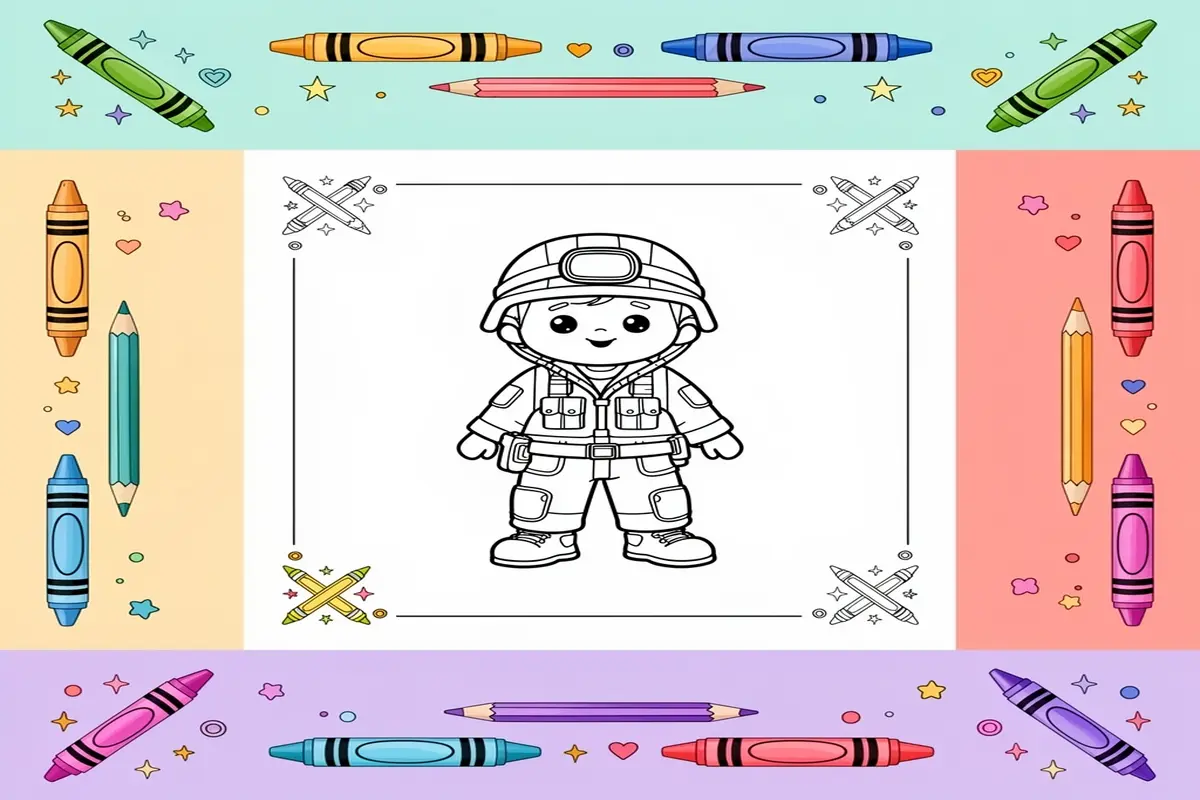
In the quiet concentration of a child wielding a crayon, a powerful transformation occurs. A blank page becomes a world of adventure, a story of bravery, and a canvas for respect. This is the unique magic of military coloring pages for kids, a creative pursuit that does far more than pass the time. It serves as a gentle, engaging gateway for young minds to explore concepts of service, sacrifice, and national pride. Unlike fantastical themes, these pages connect children to the real-world heroes in their communities and families, fostering a sense of gratitude and understanding through the simple, meditative act of coloring. The appeal of military coloring pages for kids lies in this beautiful intersection of education and artistry, allowing for discussions about history, technology, and values while developing fine motor skills. For a different kind of adventure on the high seas, consider exploring our collection of free dolphin coloring pages, offering another avenue for creative exploration.
Beyond Camouflage: The Multifaceted Appeal of Military Themes
Engaging with military coloring pages for kids is a deceptively rich activity. It taps into a child’s natural curiosity about machinery, uniforms, and stories of courage, providing a structured yet creative outlet for these interests. The benefits extend well beyond the page, supporting cognitive and emotional development in profound ways.
The Focus Zone: Cultivating Mindfulness Through Detail
Coloring within the intricate lines of a tank’s treads, a helicopter’s rotor, or a soldier’s medal requires a singular focus. This act of concentrated attention is a form of active mindfulness for children, quieting the noise of the day and training the brain to sustain effort on a single task. The predictable, controllable nature of filling in a complex military vehicle provides a sense of order and accomplishment, reducing anxiety and building patience—a valuable skill in and out of the classroom.
A Historical Palette: Coloring as a Gateway to the Past
Each aircraft, ship, and uniform depicted carries a story. Military coloring pages for kids naturally spark questions: “What does this plane do?” “When did soldiers wear this?” This turns a coloring session into an interactive history lesson. Parents and educators can use these pages as springboards to discuss historical events, technological advancements in defense, and the evolving nature of service. It transforms abstract historical concepts into tangible, colorful artifacts that a child has personally helped bring to life.
Designed for All Recruits: From Toddler to Teen
The beauty of this niche lies in its scalability. For the youngest recruits, simple outlines of stars, shields, or basic soldier silhouettes help with color recognition and hand-eye coordination. Older children can tackle detailed scenes of naval fleets, aerial formations, or historical battle scenes, which challenge their precision and understanding of perspective. Teenagers might even use these pages to explore more sophisticated color theory, experimenting with realistic camouflage patterns or the metallic sheen of armor. This inclusivity ensures that every child, regardless of skill level, can find a page that offers both enjoyment and an appropriate level of challenge, making military coloring pages for kids a versatile tool for creative growth.
Part 2: Essential Materials for Stunning military coloring pages for kids
To transform your military coloring pages for kids from simple outlines into vibrant, detailed works of art, having the right toolkit is crucial. Proper materials not only enhance the final result but also make the coloring experience more enjoyable and developmentally beneficial for children. This section outlines the professional-grade supplies that will help young artists do justice to the intricate details of tanks, aircraft, and uniforms found in these themed pages. For children who also enjoy other detailed subjects, exploring our realistic lion coloring pages free printable can provide excellent practice with texture and shading using these same materials.
The Foundation: Selecting Paper for military coloring pages for kids
The paper you choose is the single most important factor in preventing bleed-through and achieving clean results. For standard coloring with crayons or colored pencils, a smooth, bright white paper of at least 100 GSM (grams per square meter) is ideal. It provides a sturdy surface that can handle moderate pressure. If your child prefers using markers, especially for bold military coloring pages for kids featuring flags or camouflage, you must seek out marker-specific paper. This paper is typically 120-160 GSM and has a slight tooth or a blended top coat that prevents ink from feathering and saturating through to the next page. For a premium experience, consider printing your pages on light cardstock (around 200 GSM), which allows for blending and reworking without warping.
Best Coloring Tools: Markers vs. Pencils for Detailed Work
Each coloring medium offers distinct advantages for bringing military scenes to life.
Colored Pencils: The go-to for control and detail. Wax-based pencils (like Crayola) offer vibrant colors and are excellent for younger children. For older kids tackling complex military coloring pages for kids, oil-based or soft-core pencils (like Prismacolor Premier) allow for superior blending, layering, and creating realistic metallic effects on vehicles. They are perfect for subtle camouflage patterns and shading.
Markers: Provide bold, uniform coverage ideal for large areas like skies, bodies of water, or vehicle exteriors. Dual-tip markers (fine and broad) are highly recommended. The fine tip is indispensable for coloring small details on insignias, cockpit controls, or soldier uniforms. Always test markers on a corner first to check for bleed-through. Alcohol-based markers offer seamless blending but require bleed-proof paper.
Finishing Touches: Gel Pens, Highlights, and Outliners
Elevate the artwork with specialized tools for detail and pop. Gel pens, especially in metallic silver, gold, and white, are fantastic for adding highlights to airplane wings, headlights, and medals. A white gel pen can also be used to create clouds or restore highlights over darker colors. Fine-line black markers or archival ink pens (size 0.3 or 0.5) can be used by older children to carefully redefine any lines that may have been obscured during coloring, making the image crisp. For a final touch, consider a colorless blender marker, which can soften and blend colored pencil strokes for more realistic textures.
Creating the Perfect Workspace: Lighting and Ergonomics
A proper setup ensures comfort and allows for precision. Natural daylight is the best lighting for accurate color perception and reducing eye strain. If that’s not available, a high-CRI (Color Rendering Index) LED desk lamp provides excellent, shadow-free illumination. Ergonomics are key: ensure the child’s feet are flat on the floor (or a stool) and the table height allows forearms to rest comfortably. For extensive coloring sessions, a slanted drawing board can improve posture and provide a better view of the military coloring pages for kids they are working on. Keep supplies organized in cups or caddies to foster a tidy and focused creative environment.
Part 3: Elevating Your Art: Advanced Techniques for Military Coloring Pages for Kids
Ready to transform those flat images into dynamic, realistic scenes? Moving beyond basic coloring, these advanced techniques will help kids (and adults!) add professional depth and detail to their military coloring pages for kids. This section focuses on actionable skills that build confidence and artistic understanding, turning a simple activity into a masterclass in visual storytelling.
Harmonious Palettes: Strategic Color Theory for Military Scenes
Choosing colors isn’t just about preference; it’s about creating mood and realism. For military themes, understanding a few key concepts makes all the difference. Start with camouflage palettes—use analogous colors (those next to each other on the color wheel, like greens, browns, and tans) to create natural, hidden effects in jungle or desert scenes. For dramatic impact, use complementary colors (opposites on the wheel). Imagine a grey army tank (neutral) against a fiery sunset sky of oranges and blues—the contrast makes the subject pop. For naval scenes, explore our ocean coloring pages to practice blending deep blues and cool greys for realistic water.
From Flat to 3D: Mastering Light and Shadow
Shading is the magic that adds volume. Teach young artists to first imagine a single light source, like the sun. The side closest to the light is lightest; the side farthest is darkest. Step 1: Base Layer. Color the entire object with a medium tone. Step 2: Shadows. Apply a darker shade of the same color (e.g., dark green over forest green) to the areas facing away from the light. Step 3: Highlights. Leave the lightest areas slightly uncolored or add a touch of a lighter color (like a touch of yellow to green). Practice this on rounded surfaces like soldier helmets or aircraft fuselages to see the 3D effect come to life instantly.
Adding Realism: Texturing Metal, Fabric, and Terrain
Texture tells a story. Is the tank’s armor rusty or polished? Is the soldier’s uniform crisp or worn? For rough, matte textures like canvas tents or dirt roads, use small, tight circular strokes with a colored pencil to create a gritty feel. For sleek, metallic surfaces on jets or ships, create long, smooth strokes in one direction, leaving strategic white streaks for a gleaming highlight. For sky and cloud textures above a battlefield, gentle, soft blending with crayons or pastels works beautifully. You can practice soft blending techniques first on our cloud and landscape coloring pages to perfect the effect.
The Art of Correction: Gracefully Fixing Coloring Mistakes
Even pros make mistakes, and learning to fix them is a valuable skill. If color goes outside the lines, don’t panic! Often, that “mistake” can be incorporated. A stray green mark on a desert scene can become a small bush. For more stubborn errors, use the background detail trick: turn an errant dark mark on a vehicle into a bolt, a vent, or a small patch of shadow. If using pencils, a white eraser can lighten areas for reworking. The key lesson for kids is that art is adaptable. Encourage creative problem-solving—it builds resilience and makes the process stress-free and fun.
Showcasing Your Military Coloring Pages for Kids: Creative Display Ideas
Once your young artist has completed their collection of military coloring pages for kids, it’s time to celebrate their hard work! Moving beyond the coloring book, displaying their masterpieces boosts confidence and turns their art into a source of daily pride. Here are inspiring ways to honor their creative efforts.
Preserving Your Masterpiece: Archival Tips
Before displaying, consider preservation. For pieces you want to keep long-term, use acid-free paper when printing to prevent yellowing. If your child used markers, a light spray of fixative (in a well-ventilated area) can prevent smudging. Simple, inexpensive clear sheet protectors are perfect for storing pages in a binder, creating a personal gallery that’s protected from spills and tears. For a more formal display, a standard frame with a mat can turn any colored page into a striking piece of wall art.
Beyond Display: Creative DIY Projects
Transform completed pages into meaningful gifts and keepsakes. Laminate a favorite colored soldier or tank design to create a durable bookmark or personalized greeting card for a family member who serves. You can also decoupage smaller cut-out elements onto a wooden box or picture frame for a unique, patriotic gift. For a fun group activity, combine several completed military coloring pages for kids into a custom banner or paper tablecloth for a Memorial Day or Fourth of July celebration, blending creativity with thematic learning.
Your Military Coloring Pages for Kids Questions Answered
Where can I find free military coloring pages?
Many educational websites and public library sites offer free, printable coloring sheets. You can find a fantastic selection of themed pages, including patriotic and historical subjects, right here on our site. Simply search for your desired theme, like “army” or “patriotic,” download the PDF, and print. Always ensure you’re using a trusted site for child-friendly content.
What are the benefits of coloring for kids?
Coloring enhances fine motor skills and hand-eye coordination as children practice staying within lines. It fosters creativity and color recognition while also serving as a calming, focused activity that can reduce anxiety and improve concentration. It’s a wonderful screen-free way for kids to express themselves and build confidence in their abilities.
How to color military camouflage?
Start by choosing 3-4 colors like dark green, brown, khaki, and black. Instead of coloring a solid area, draw small, irregular blobs or shapes next to each other using one color. Switch to the next color and fill in the spaces between the first blobs. Overlap and layer the colors without a set pattern. The key is randomness to mimic how camouflage breaks up an outline, making coloring military coloring pages for kids a fun, tactical art lesson.
How to draw a soldier for kids?
Begin with simple shapes. Draw an oval for the head, a rectangle for the torso, and lines for arms and legs. Add a helmet (a half-circle on the head) and details like boots and a simplified vest. Keep the face friendly with dots for eyes and a curved line for a smile. The goal is recognizability, not perfection. This basic framework lets kids customize their own soldier before they even start on their military coloring pages for kids.
What is the best paper for coloring pages?
For crayons and colored pencils, a medium-weight (24-32 lb) matte or satin finish printer paper works well. For markers, especially alcohol-based ones, use heavyweight (60+ lb) cardstock or marker paper to prevent bleed-through. If using watercolors or wet mediums, opt for actual watercolor paper. Thicker paper also holds up better for display and craft projects.
Final Thoughts: Your Military Coloring Pages for Kids Journey Begins
The journey with military coloring pages for kids is about so much more than filling in lines. It’s an engaging gateway to discussions about history, service, and national symbols, all while nurturing your child’s developmental skills and artistic confidence. From the focused quiet of coloring to the pride of displaying their work, each page represents a moment of growth and creativity.
We hope these ideas for display and DIY projects inspire you to celebrate your child’s artwork in new ways. Remember, every colored tank, every carefully shaded soldier, and every camo pattern is a testament to their effort and imagination. Keep encouraging that creative spirit!
Ready for your next adventure? Explore our Patriotic 4th of July Coloring Pages for Kids to continue the themed fun!