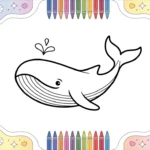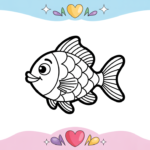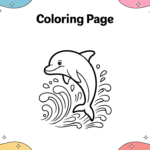
We offer a wide collection of free, high-quality printable coloring pages for kids and adults. From cute animals to intricate mandalas, our designs bring creativity and relaxation to everyone. Download, print, and start coloring today!

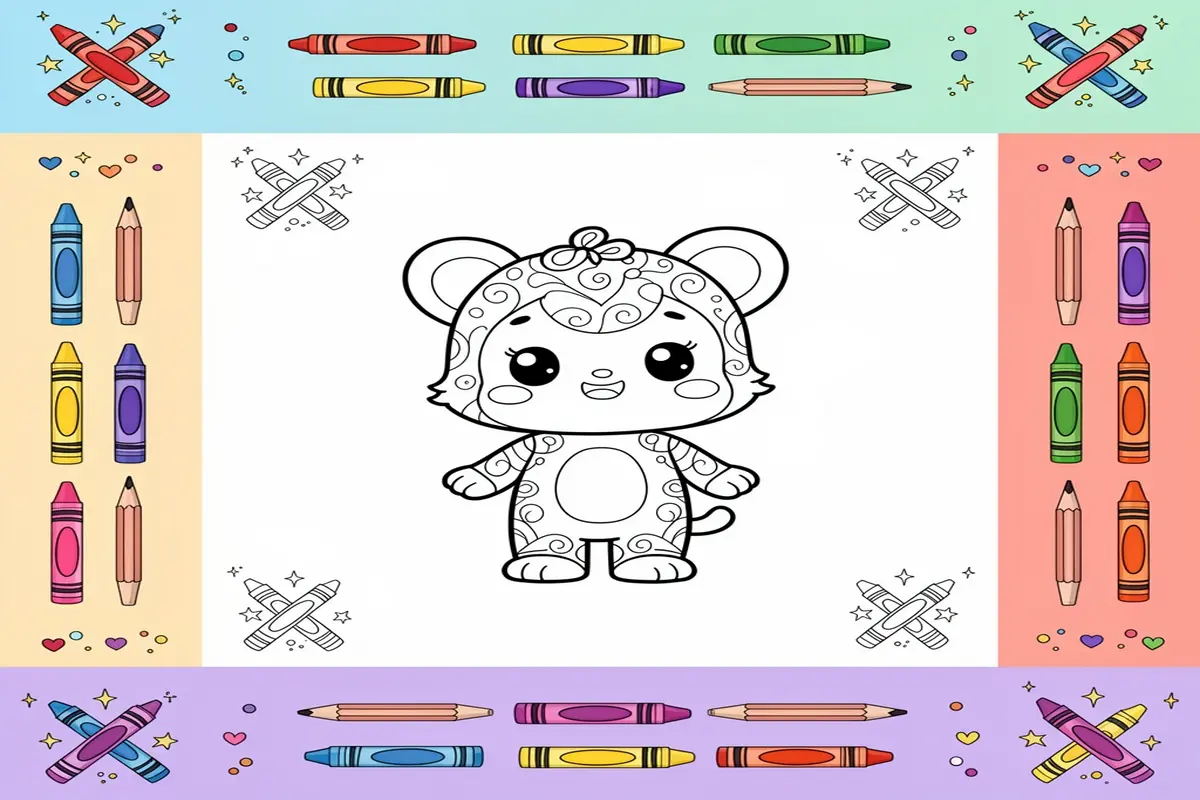
In a world of constant notifications and digital overstimulation, the simple act of picking up a crayon has become a revolutionary act of quiet focus for children. Mindful coloring pages for kids are far more than just a rainy-day pastime; they are a gateway to developing essential life skills like concentration, emotional regulation, and creative confidence. By guiding a child’s attention to the present moment—the feel of the paper, the choice of color, the movement of their hand—these pages transform art into a meditative practice. This isn’t about staying within the lines, but about finding a peaceful space within oneself. From the gentle curves of a seahorse to the intricate patterns of a mandala, each mindful coloring page for kids offers a unique canvas for exploration and inner calm, providing a much-needed counterbalance to the frenetic pace of modern childhood.
The Quiet Power: More Than Just Child’s Play
At first glance, coloring seems straightforward. Yet, beneath the surface of this universal childhood activity lies a profound psychological toolkit that nurtures the developing mind in ways screen time simply cannot.
The Focused Mind: A Pathway to Present-Moment Awareness
The core mechanism of mindful coloring pages for kids is their ability to anchor attention. When a child engages with a detailed illustration, their brain enters a state of flow, where external distractions fade. The repetitive, rhythmic motion of coloring activates the brain’s frontal lobe, which is responsible for problem-solving and organization, while simultaneously lowering the activity in the amygdala, the brain’s fear center. This neurological shift reduces feelings of anxiety and stress, creating a natural, accessible form of mindfulness. It teaches children, in a tangible way, how to direct their focus and sit with a single task—a skill increasingly valuable in our fragmented world.
From Ancient Roots to Modern Therapy: A Timeless Practice
While the term ‘mindfulness’ feels contemporary, the use of repetitive, decorative art for calming the spirit is ancient. Intricate patterns have been used for centuries in cultures worldwide, from Celtic knots to Hindu mandalas and Islamic geometric designs, as tools for meditation and spiritual centering. Modern mindful coloring pages for kids are the direct descendants of this tradition, democratizing a therapeutic practice and making it accessible to young minds. They bridge a timeless human need for creative, focused expression with the specific developmental needs of children today, offering a silent, non-verbal outlet for processing emotions and experiences.
Designed for Growth: Meeting Kids Where They Are
The true genius of effective mindful coloring pages lies in their thoughtful design. They are curated to be engaging without being overwhelming, offering just enough complexity to captivate but not frustrate. For a younger child, a page featuring a friendly, large-form animal like a whale provides a soothing canvas. For an older child ready for a deeper challenge, intricate abstract designs or detailed nature scenes promote sustained concentration. This scalability ensures that every child, regardless of age or fine motor skill, can benefit. It’s a personal journey where the goal isn’t a perfect product, but the peaceful, focused process itself—building resilience, patience, and a positive sense of self with every stroke of color.
Professional Materials & Setup for Mindful Coloring Pages for Kids
To maximize the calming and creative benefits of mindful coloring pages for kids, the right materials and environment are crucial. This professional guide details the essential toolkit and preparation steps to transform a simple activity into a high-quality, engaging mindfulness practice. Investing in proper supplies elevates the tactile experience and allows children to fully immerse themselves in the detailed patterns of mindful coloring pages for kids.
The Foundation: Selecting Premium Paper for Mindful Coloring
The paper is the single most important material choice. Standard printer paper (20-24 lb) is too thin for most coloring mediums; it bleeds, warps, and can tear easily, leading to frustration. For a professional result, opt for:
Cardstock (65-80 lb): The ideal balance of affordability and quality. It handles colored pencils beautifully for blending and layering, and is thick enough to prevent most marker bleed-through.
Marker Paper (70-100 gsm): Specifically designed with a smooth, bleed-resistant coating. It allows markers to appear vibrant without feathering, perfect for intricate designs.
Printing Tip: Use your printer’s “photo” or “high-quality” paper setting for richer blacks and crisper lines on your chosen paper. For a thematic connection to nature-based mindfulness, consider printing our detailed Nature Coloring Pages for Kids on premium cardstock.
Best Coloring Tools: A Detailed Medium Comparison
The choice between markers and pencils significantly impacts the experience and outcome of mindful coloring pages for kids.
Colored Pencils (For Blending & Control):
Wax-Based (e.g., Crayola, Prismacolor): Offer creamy, blendable layers. Excellent for teaching gradient techniques and stress-relieving, repetitive shading.
Oil-Based (e.g., Faber-Castell Polychromos): Harder leads allow for sharper details and intricate work on small patterns. Less prone to wax bloom.
Professional Tip: A basic 24-48 set provides ample color variety. Use a colorless blender pencil to smooth gradients seamlessly.
Markers (For Vibrancy & Flow):
Alcohol-Based (e.g., Copic, Ohuhu): Provide streakless, blendable color with a professional finish. The ink saturates the paper, creating a painterly effect.
Water-Based (e.g., Stabilo, Crayola Super Tips): A safer, low-odor option for younger children. Use with marker paper to prevent bleed. Layering creates unique watercolor-like effects.
Critical Choice: Alcohol markers require specific paper, while water-based are more versatile. Consider skill level and ventilation.
Finishing Touches: Gel Pens, Highlights, and Erasers
Elevate the final artwork with tools for detail and correction, adding a layer of satisfaction to the mindful process.
Gel Pens & Metallic Markers: Essential for adding precise highlights, creating patterns within patterns, or outlining. Silver, gold, and white gel pens make designs “pop” and are irresistible to kids.
Quality Erasers: A kneaded eraser is perfect for lifting pencil color gently without damaging paper, allowing for experimentation. A white vinyl eraser cleans up stray pencil marks.
Blending Tools: Paper blending stumps (tortillons) are professional-grade tools for smoothing colored pencil work, teaching children fine motor control.
Perfect Workspace: Optimizing Lighting and Ergonomics
The environment directly influences a child’s ability to focus mindfully.
Lighting: Natural daylight is ideal. Supplement with a bright, white LED desk lamp to eliminate eye strain and cast no shadow on the working area. Proper illumination ensures children see the fine details of their mindful coloring pages for kids clearly.
Ergonomics & Surface: Ensure the child’s feet rest flat on the floor or a stool. The table should be elbow-height. Use a hard, flat surface. A portable drawing board or a simple clipboard can provide an ideal angled or stable surface.
Organization: Use cups or trays to organize tools. A clean, dedicated space signals the start of a focused activity and reduces clutter-induced anxiety, making the session with mindful coloring pages for kids more effective.
Part 3: Elevating the Experience: Advanced Techniques for Mindful Coloring Pages for Kids
Moving beyond simple filling-in, advanced techniques can transform mindful coloring pages for kids from a pleasant pastime into a deeply engaging artistic practice. These methods not only produce stunning visual results but also deepen the focus and satisfaction inherent in the activity. By guiding children in these techniques, you empower them to see their pages come alive with dimension and personality.
Harmonious Palettes: Color Theory for Mindful Coloring Pages for Kids
Understanding basic color relationships can turn a coloring session into a masterclass in visual harmony. Start with analogous colors—those next to each other on the color wheel, like blue, blue-green, and green. This scheme creates serene, cohesive looks perfect for calming scenes, such as our ocean coloring pages or peaceful landscape coloring pages for kids. For vibrant, energetic areas, introduce complementary colors—opposites on the wheel, like orange and blue or red and green. Using these in small accents (like a single bright flower in a field) makes those elements pop. Encourage kids to plan a simple palette before starting, fostering intentional decision-making.
From Flat to 3D: Mastering Light and Shadow
Shading is the magic trick that adds volume. Teach this step-by-step:
1. Identify Your Light Source: Decide where the “sun” is in the picture (e.g., top left).
2. Apply Base Color: Color the entire area with your main hue evenly.
3. Add Shadow: On the side opposite the light source, apply the same color with heavier pressure or choose a slightly darker shade (e.g., use a darker blue next to a base blue).
4. Highlight: On the side closest to the light, leave a thin strip very light or apply a lighter tint. For a sphere, the shadow and highlight will curve with the shape. This technique works wonderfully to give roundness to fruits or animals.
Adding Realism: Simple Texture Techniques
Texture makes a picture feel tangible. Demonstrate these easy methods:
Fur and Hair: Instead of coloring in straight lines, use short, quick, overlapping strokes that follow the direction the fur grows. Leave tiny gaps of white paper for shine.
Scales (like on fish or dragons): Color the base, then lightly draw a network of tiny “U” shapes or half-circles over it with a darker pencil.
Smooth Surfaces (like metal or glass): Use extreme contrast. Blend from a very dark shadow directly into a bright, sharp highlight, with minimal mid-tones in between.
Sky: Use the side of your pencil tip and color in gentle, circular motions for a soft, cloud-like effect.
The Art of Correction: Gracefully Fixing Coloring Errors
Mistakes are part of the process. Frame these fixes as creative problem-solving:
Pressing Too Hard: If the wax build-up is preventing new layers, gently dab the area with a kneaded eraser to lift excess pigment.
Color Bleeding Outside Lines: Embrace it! Use a sharp, darker colored pencil to carefully redefine the border, turning the bleed into a intentional shadow or outline.
Choosing the “Wrong” Color: There are no wrong colors in art, but if a child is unhappy, ask, “How can we make this color part of the picture?” Could it become a pattern, a shadow, or be layered over with a new color to create a mix? Layering is a fantastic way to create unique, custom hues.
By integrating these techniques, mindful coloring pages for kids become a rich educational tool, teaching patience, planning, and the joyful discovery that comes from creating something beautiful, one deliberate stroke at a time.
Showcasing Your Mindful Coloring Masterpieces: Creative Display & DIY Ideas
The final stroke of color isn’t the end of the journey. Transforming completed mindful coloring pages for kids into displayed art or gifts extends the sense of accomplishment and reinforces the value of their focused effort. Here are inspiring ways to honor their work.
Preserving Your Masterpiece: Archival Tips
Protect your child’s artwork to ensure it lasts. For a professional look, consider having special pieces laminated at a local print shop. This makes them durable and wipeable. Alternatively, use clear page protectors in a binder to create a growing portfolio of their mindful work. For framing, acid-free mats prevent yellowing over time, turning their favorite piece, like a serene elephant coloring page, into lasting wall art for their bedroom.
Beyond Display: Creative DIY Projects
Turn coloring pages into meaningful projects. Help your child create handmade greeting cards by cutting out and gluing their colored designs onto folded cardstock. Laminate smaller, intricate sections to make beautiful bookmarks. For a collaborative family project, select several themed pages, like ocean animals, to create a personalized calendar. These activities not only showcase their art but also teach the joy of giving and repurposing creativity.
Your Mindful Coloring Journey: Questions Answered
What is mindful coloring for kids?
Mindful coloring is the practice of focusing deliberately on the present moment while coloring. It encourages kids to notice the feel of the crayon, the choice of colors, and the movement of their hand, gently bringing their attention back when their mind wanders. It’s a simple, accessible form of meditation that builds focus and calm.
What are the benefits of mindful coloring?
The benefits are extensive. It reduces stress and anxiety by lowering the heart rate and quieting a busy mind. It enhances focus and concentration, training the brain to sustain attention. It also boosts fine motor skills, fosters creativity without pressure, and provides a non-verbal outlet for processing emotions, making it a powerful tool for emotional regulation.
How does coloring help a child’s brain development?
Coloring activates both hemispheres of the brain. The logical left side engages with boundaries and structure, while the creative right side explores color and design. This cross-brain activity strengthens neural pathways, improves hand-eye coordination, and enhances problem-solving skills. The repetitive, rhythmic motion can also activate the brain’s relaxation response, supporting emotional development.
Does coloring help kids with anxiety?
Yes, significantly. The rhythmic, repetitive nature of coloring has a calming effect on the amygdala, the brain’s fear center. It serves as a grounding activity, distracting from anxious thoughts and providing a safe, controlled space. Using specific mindful coloring pages for kids designed with calming patterns can be an effective coping strategy during moments of overwhelm.
How do you practice mindful coloring?
Start by taking a few deep breaths together. Encourage your child to notice the sensations—the paper’s texture, the crayon’s smell. Guide them to focus on each stroke without judgment about the outcome. If their mind drifts, gently remind them to return to the feeling of coloring. The goal is the process, not perfection. Our mindful coloring pages for kids are perfect for this practice.
Final Thoughts: Embracing the Calm with Mindful Coloring
The journey with mindful coloring pages for kids is about so much more than staying inside the lines. It’s a shared path toward greater calm, improved focus, and joyful creativity. In a fast-paced world, this simple activity offers a precious pause, a space for you and your child to connect with the present moment and each other. The benefits—a quieter mind, a sense of pride, and developed skills—will resonate far beyond the coloring table.
We invite you to make this practice a cherished part of your routine. Celebrate each masterpiece, whether it’s displayed on the fridge or transformed into a gift. Ready for your next adventure? Explore our entire collection of calming Animal Coloring Pages and continue your family’s journey of mindful creativity today