We offer a wide collection of free, high-quality printable coloring pages for kids and adults. From cute animals to intricate mandalas, our designs bring creativity and relaxation to everyone. Download, print, and start coloring today!

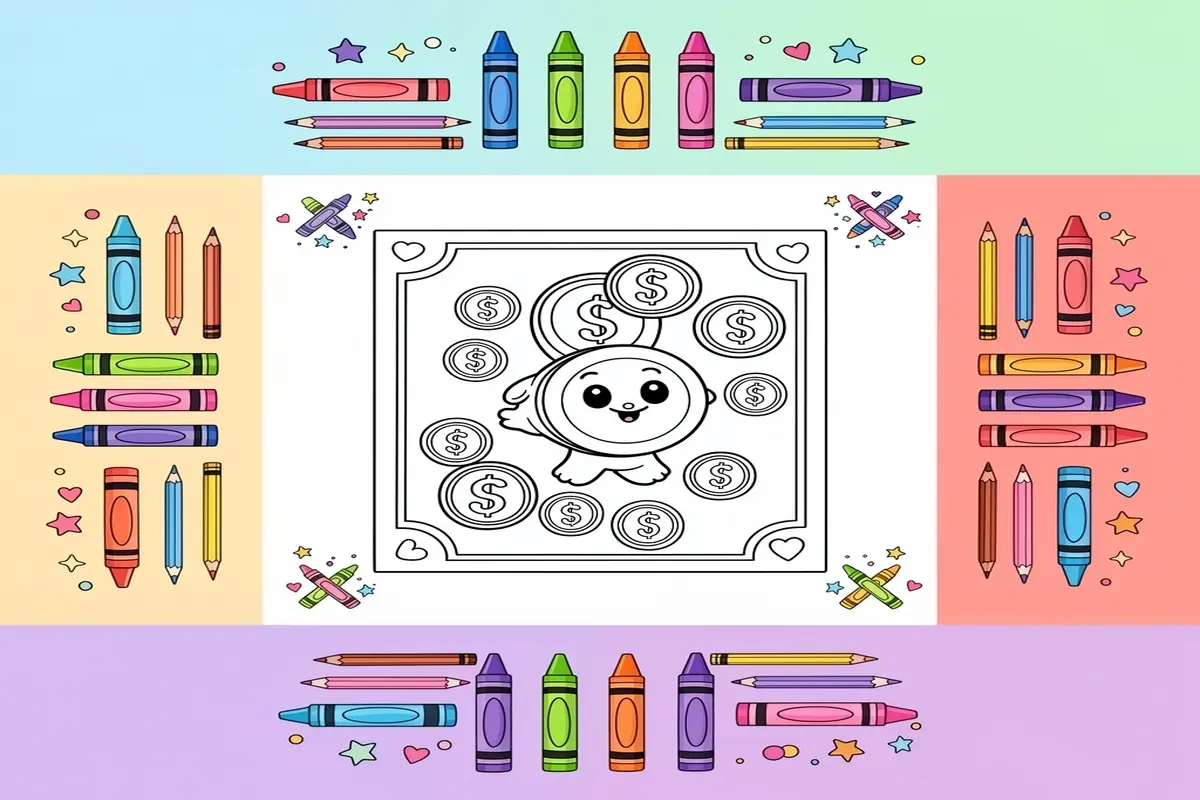
In a world where screens dominate playtime, the simple act of coloring offers a tactile, creative sanctuary. It’s a quiet space where imagination takes the wheel, fine motor skills are honed, and concepts come to life in vibrant color. When that concept is money, the activity transforms into a powerful, foundational lesson. Money coloring pages for kids bridge the gap between abstract financial ideas and tangible understanding, turning coins, bills, and piggy banks into a canvas for learning. Far more than just an art project, these pages serve as a gentle, engaging introduction to the world of value, saving, and exchange. They are a perfect starting point before exploring other educational themes, like the fascinating creatures found in our collection of free dolphin coloring pages. By integrating these money coloring pages for kids into play, parents and educators can spark early conversations about responsibility and smart habits, all within the joyful, pressure-free context of creating art.
Beyond Piggy Banks: The Psychology & Modern Appeal
What is it about coloring that makes it such an effective conduit for learning complex topics? The answer lies in the harmonious blend of focus, creativity, and subconscious absorption that the activity provides.
The Focused Mind: Where Learning Meets Calm
Coloring is a known mindfulness exercise, requiring concentration on the present task and the boundaries of the page. This state of “flow” reduces anxiety and opens the mind to new information. When a child is calmly coloring a stack of coins or designing their own dollar bill, they are not just filling space; they are internalizing the shapes, symbols, and values associated with currency. This relaxed focus makes the underlying lessons about counting, saving, and spending more memorable and less intimidating than a formal lecture. Money coloring pages for kids leverage this psychological principle, embedding financial literacy within a framework of serene creativity.
A Historical Palette: Currency as Cultural Art
Money is far more than a medium of exchange; it is a snapshot of a nation’s history, values, and artistic heritage. From the intricate portraits on bills to the emblems stamped on coins, currency tells a story. Coloring these elements allows children to become curious explorers. They can wonder, “Who is this person? What does this building represent? Why is this symbol important?” This exploration turns a simple coloring session into a mini history or social studies lesson, fostering a deeper appreciation for the art and symbolism that surrounds us every day, often unnoticed in our wallets.
Designed for All: From Toddlers to Tweens
The beauty of money coloring pages for kids lies in their scalability. For the youngest artists, large, simple outlines of a single coin or a smiling piggy bank help with color recognition and hand-eye coordination. School-aged children can tackle more detailed scenes of a toy store or a lemonade stand, which introduce basic math and commerce concepts. Older kids might enjoy designing their own currency or coloring complex historical banknotes, which encourages research and artistic expression. This tiered approach ensures that every child, regardless of age or skill level, can find a page that challenges and delights them, making financial literacy an accessible journey for all.
Professional Materials & Preparation for money coloring pages for kids
Before your child begins their artistic journey with money coloring pages for kids, proper preparation is key to a successful and enjoyable experience. This section details the essential materials and setup to transform a simple activity into a valuable lesson in both art and financial literacy. Having the right tools on hand not only enhances the final artwork but also encourages focus and creativity, making the learning process about currency design and value more engaging.
The Foundation: Selecting Paper for money coloring pages for kids
The choice of paper is the first critical decision. For standard printing, a bright white, smooth cardstock (around 120-160 GSM) is ideal. Its weight prevents bleed-through from markers and handles layered pencil work without tearing, ensuring the detailed designs of coins and bills remain crisp. If you intend to use wet mediums like paint, consider a dedicated mixed-media or watercolor paper. For a more thematic approach, printing on subtly textured parchment-style paper can add an authentic “banknote” feel to your money coloring pages for kids, sparking imaginative play. For other detailed projects, like our intricate animal coloring pages for kids, heavy cardstock is equally recommended.
Optimal Coloring Mediums: Precision vs. Vibrancy
The coloring tool you choose dictates the style and educational detail of the finished page.
Colored Pencils: The premier choice for detail and control. They allow for fine shading on intricate coin engravings and subtle gradients on banknote portraits. A set with good pigment density and a range of skin tones, metallics (gold, silver), and greens is perfect for rendering realistic currency. They are also erasable, which is excellent for learning and correction.
Markers: Provide bold, vibrant flats of color ideal for the distinct background colors of different bill denominations. To prevent frustrating bleed-through on thinner paper, use blendable brush pens or fine-tip markers for outlines. Always test on a corner first. Markers are excellent for making the final artwork pop with confidence.
Crayons: A classic, child-friendly option that offers a tactile, waxy texture. They encourage broad strokes and are wonderful for younger children exploring the shapes and symbols on money coloring pages for kids.
Finishing Touches: Gel Pens and Embellishments
This is where creativity truly shines. Metallic gel pens (gold, silver, copper) are indispensable for highlighting coin rims, presidential seals, and other shiny elements on currency. Fine-tip white gel pens can be used to add subtle highlights or correct tiny mistakes. For a collaborative or decorative project, consider adding glitter glue (sparingly) or using safety scissors to carefully cut out the colored bills and coins for use in a homemade pretend-play store or bank.
Creating the Ideal Coloring Workspace
A proper setup maximizes comfort and focus. Ensure ample, natural light or a bright, neutral-white desk lamp to reduce eye strain and allow for accurate color perception. The seating should support good posture—feet flat on the floor and the table at elbow height. Keep all materials organized within reach: a sturdy cup for pencils and brushes, a clean blotter sheet if using markers, and a dedicated eraser. Having a flat, hard surface underneath the page, like a clipboard or a simple piece of cardboard, provides a consistent drawing base whether at a table or on the floor.
Part 3: Elevating Your Child’s Art: Advanced Techniques for Money Coloring Pages for Kids
Moving beyond simple filling-in, advanced coloring techniques can transform your child’s money coloring pages for kids from flat drawings into vibrant, textured masterpieces. These methods not only produce stunning results but also develop fine motor skills, patience, and artistic understanding. Let’s explore how to add professional flair to every coin, bill, and treasure chest.
For more foundational practice with detailed subjects, explore our animal coloring pages for kids or educational coloring pages.
Harmonious Palettes: Applying Color Theory to Currency
Understanding basic color theory can make a world of difference. For money coloring pages for kids, try these schemes:
Analogous Colors: Use colors next to each other on the wheel (like green, yellow-green, and yellow) to color a stack of gold coins, creating a natural, shimmering effect.
Complementary Colors: Place opposites (like purple and yellow or blue and orange) in small accents. A purple shadow on a gold coin makes the gold appear brighter and more dynamic.
Monochromatic Schemes: Use different shades and tints of a single color, like various greens for a dollar bill. This teaches subtlety and creates a sophisticated, cohesive look.
From Flat to 3D: Mastering Shading for Dimension
Shading is the key to making flat shapes pop off the page. Guide your child through this simple process:
1. Identify Your Light Source: Decide where the light is coming from (e.g., the top corner).
2. Apply Base Color: Color the entire object (like a coin) with a medium tone.
3. Add Shadows: Use a darker shade of the base color on the side opposite the light source. For a coin’s edge, press harder to create a dark rim.
4. Highlight: Leave a small white area or use a very light color (like pale yellow) on the side closest to the light. This three-step method instantly creates a spherical, three-dimensional object.
Adding Realism: Texture Techniques for Metals and Paper
Texture brings illustrations to life. Here’s how to render different materials found in money coloring pages for kids:
Metallic Shine (Coins, Gold Bars): Use short, directional strokes that follow the curve of the object. Leave tiny, irregular white spots to mimic light glinting off polished metal. Layer a light brown or orange in the gold’s mid-tones for warmth.
Paper Texture (Dollar Bills): Use a very light, uneven application of green. Leave microscopic speckles of white showing through to simulate the linen-like feel of paper currency.
Wood Grain (Treasure Chests): Color the base with a light brown. Then, using a darker brown, draw long, slightly wavy lines following the shape of the chest. Add small knots and circles for an authentic wooden look.
The Art of Correction: Gracefully Fixing Coloring Mistakes
Mistakes are part of the creative process. Teach these graceful fixes:
Blending Over: If a color goes outside the lines, use the background color to carefully cover and blend over the mistake.
Creative Integration: Turn an errant mark into a design feature—a stray dot can become a tiny gem or a star in the background.
Layering: If a color is too light, simply layer more color on top. If it’s too dark, see if you can incorporate it as an intentional shadow.
The Power of Outline: Sometimes, redefining the edge with a sharp, dark colored pencil can clean up a blurry line and make the entire image look crisp. Remember, the goal is creative expression, not perfection. Every “mistake” is a step toward mastering these engaging money coloring pages for kids.
Showcasing Your money coloring pages for kids: Creative Display Ideas
Once the coloring is complete, the learning and fun don’t have to stop! Transforming finished pages into displays and projects reinforces the lessons and celebrates your child’s effort.
Preserving Your Masterpiece: Archival Tips
Protect your child’s financial artwork for years to come. For simple storage, a dedicated binder with clear sheet protectors creates a personal “finance portfolio.” To display, consider inexpensive clip frames for a rotating gallery on their wall. For a more permanent finish, a thin layer of mod podge can seal and protect the page from smudges, making it durable enough for frequent handling during play money games.
Beyond Display: Creative DIY Projects
Turn colored pages into functional and giftable items. Laminate and cut out coins and bills to create durable play money for pretend store setups. You can also glue a colored page onto cardstock to make a unique bookmark or fold it into a custom greeting card for a grandparent’s birthday—a perfect way to “give” the gift of savings! For a collaborative project, assemble a “Money Mural” by combining several colored pages on a poster board.
Your money coloring pages for kids Questions Answered
How to teach kids about money with coloring pages?
Use coloring pages as a conversation starter. As your child colors a dollar bill, discuss its value and what it can buy. Create a simple “store” with priced items (using other colored pages like our fruit coloring pages for kids) and use their colored play money for transactions. This hands-on practice builds real-world understanding in a stress-free, creative environment.
Where can I find free money coloring sheets?
Many educational websites and platforms like ours offer free, printable money coloring sheets. Look for pages that feature clear images of coins and bills, sometimes with their values labeled. Libraries and teacher resource sites are also excellent sources. Always ensure you’re downloading from a reputable site to get accurate and age-appropriate money coloring pages for kids.
What are the benefits of teaching kids about money?
Early financial literacy builds confidence and responsible habits. It teaches delayed gratification, basic math skills, and the value of work. Using tools like money coloring pages for kids makes these abstract concepts tangible, reducing future financial anxiety and setting a foundation for smart decision-making as they grow.
How to make play money for school projects?
For durable play money, print coloring pages on cardstock. Have students color and cut out the bills and coins. For extra longevity, laminate the sheets before cutting. This DIY approach is cost-effective and allows students to engage creatively with the project, reinforcing their ability to identify each piece as they create it.
What is the best way to teach counting money?
Start with real or realistic-looking play money. Sort coins by type and value. Use coloring pages to reinforce identification first. Then, practice with simple, incremental exercises—like counting just pennies, then nickels, then mixing them. Set up a pretend store where they must “pay” for items with exact change, making the math practical and fun.
Final Thoughts: Your money coloring pages for kids Journey Begins
The simple act of coloring a coin or bill opens a door to meaningful conversations about value, saving, and smart choices. These pages are more than just an activity; they are a foundational tool that blends artistic expression with essential life skills. By displaying their work and incorporating it into play, you reinforce these lessons in a joyful, memorable way, building your child’s confidence with every color they choose.
Remember, the goal is to foster a positive and open relationship with money concepts. Celebrate their creativity and curiosity at each step. Ready for your next adventure? Explore our educational coloring pages for more fun ways to learn and grow together!