We offer a wide collection of free, high-quality printable coloring pages for kids and adults. From cute animals to intricate mandalas, our designs bring creativity and relaxation to everyone. Download, print, and start coloring today!

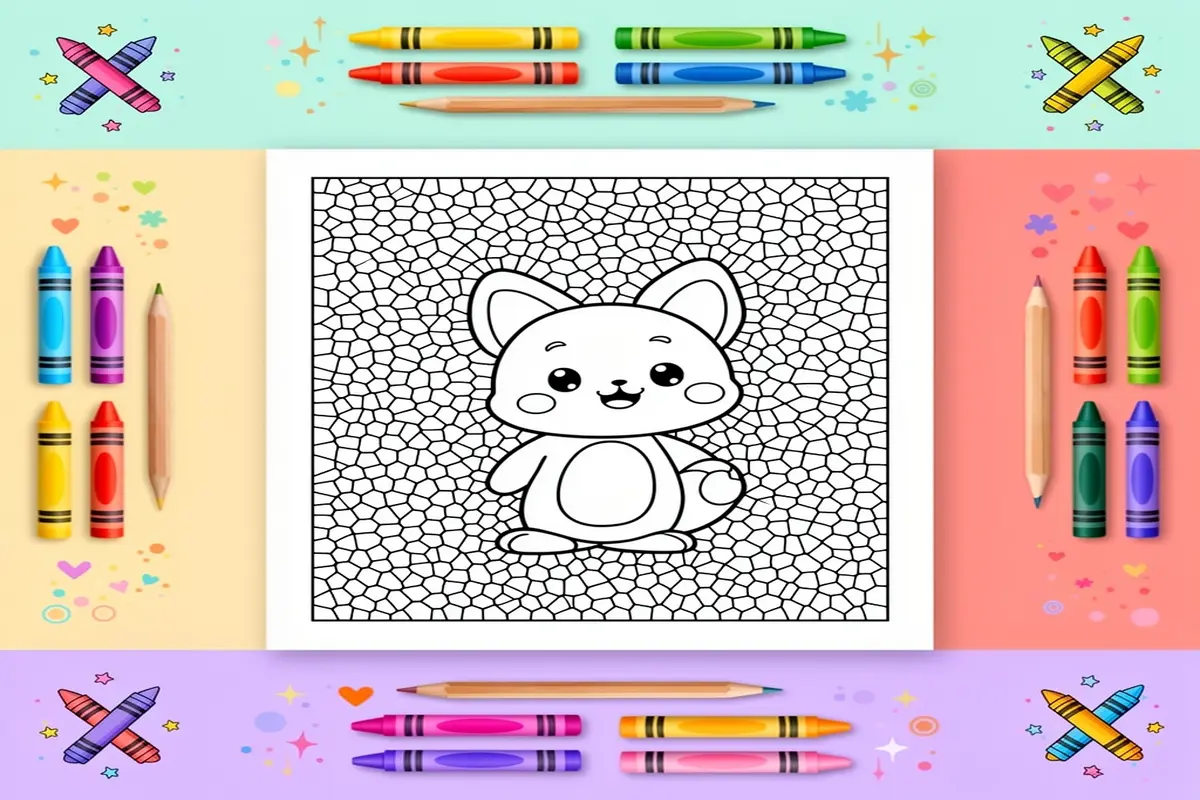
Imagine a quiet afternoon, the gentle scratch of colored pencils on paper, and a child’s face alight with the quiet joy of creation. This is the simple magic of coloring, a timeless activity that transcends age and skill. Yet, within this world of artistic exploration, there exists a uniquely captivating niche: mosaic coloring pages for kids. These are not your average outlines; they are intricate tapestries of interlocking shapes, inviting young artists to piece together a stunning visual puzzle, one color at a time. The act of filling each small, defined segment transforms a daunting image into a manageable and deeply satisfying mission. It’s a beautiful fusion of structure and freedom, where the predetermined pattern provides a comforting guide, and the child’s color choices unleash boundless creativity. As they work on these engaging designs, they’re not just making art—they’re building focus, honing fine motor skills, and experiencing the profound calm that comes from mindful creation. For a different but equally mesmerizing underwater adventure, young artists might also enjoy our collection of free dolphin coloring pages, where flowing lines meet the graceful beauty of the sea.
The Allure of the Puzzle: Why Mosaic Designs Captivate Young Minds
At first glance, a complex mosaic coloring page for kids might seem intricate, but this very complexity is the key to its appeal. It breaks down a large, potentially overwhelming image into dozens of small, achievable victories.
The Psychology of the Piece: Building Focus One Tile at a Time
The segmented nature of mosaic art is a natural ally for developing minds. Each small shape acts as a mini-goal, providing immediate gratification and a clear “what’s next?” path. This structure reduces anxiety about the larger picture and channels a child’s energy into a focused, sequential task. The result is a deep state of flow, where time seems to melt away as they concentrate on the simple, rewarding act of choosing a hue and filling a space. It’s a masterclass in mindfulness disguised as play.
A Tapestry Through Time: Connecting to an Ancient Art Form
While your child is selecting cerulean for one piece and crimson for another, they are participating in an artistic tradition that spans millennia. Mosaics adorned the floors of Roman villas and the walls of Byzantine churches, telling stories and showcasing grandeur through assembled fragments. Using mosaic coloring pages for kids offers a gentle, accessible introduction to this rich cultural history. It’s a conversation starter about how art can be built from many parts to create a magnificent whole—a wonderful metaphor for community and collaboration.
Designed for All: From First Timers to Aspiring Artists
The beauty of this format is its inherent scalability. For a younger child or a beginner, a page with larger, simpler tessellations is perfect for building confidence and practicing within the lines. For an older child seeking a challenge, intricate designs with hundreds of tiny pieces offer hours of immersive engagement, rivaling the detail found in advanced adult coloring books. This makes finding the perfect mosaic coloring pages for kids a tailored experience, ensuring every child finds a project that meets them at their skill level and rewards them with a sense of magnificent accomplishment upon completion.
Professional Materials & Preparation for mosaic coloring pages for kids
To achieve the stunning, pixelated effect that defines mosaic coloring pages for kids, the right materials and a prepared workspace are not just helpful—they are essential. This specialized coloring style demands precision and an understanding of how different tools interact with the paper to bring the intricate designs to life. Proper preparation ensures that the detailed patterns become a source of focused enjoyment rather than frustration, allowing children to create vibrant, glass-like art pieces they can be proud of.
The Foundation: Premium Paper for mosaic coloring pages for kids
The paper you select is the most critical choice for this activity. Standard printer paper is too thin and will warp, bleed, and potentially tear under the repeated application of coloring mediums. For mosaic coloring pages for kids, opt for heavyweight paper with a smooth surface. Look for marker paper, bristol board, or mixed-media paper with a weight of at least 100 GSM (grams per square meter). A smooth finish allows for precise, clean edges within each tiny “tile” of the mosaic, preventing colors from bleeding into adjacent sections. This foundation supports the use of multiple mediums without buckling, ensuring the final artwork is display-ready. For projects that involve water-based tools, consider using specialized watercolor paper to handle the moisture.
Best Coloring Tools: Markers vs. Pencils for Mosaic Art
The choice between markers and colored pencils defines the final look of your mosaic art. Each has distinct advantages for filling the small, segmented spaces.
Markers (Alcohol vs. Water-Based): Alcohol-based markers (like Copic or Ohuhu) are the professional’s choice for mosaic coloring pages for kids due to their blendability and vibrant, bleed-free layers. They dry quickly and provide a uniform, stained-glass effect. Water-based markers (like Crayola or Stabilo) are more accessible and kid-friendly but require careful application to prevent bleeding through the paper. Using a blotter sheet underneath is recommended.
Colored Pencils (Wax vs. Oil-Based): Colored pencils offer superior control for ultra-fine details. Wax-based pencils (like Prismacolor) are soft, blend beautifully, and are excellent for layering colors within a single tile to create depth. Oil-based pencils (like Faber-Castell Polychromos) are harder, allowing for incredibly sharp points and precise, clean edges—perfect for defining the grout lines between mosaic tiles. They are also less prone to wax bloom over time.
Finishing Touches: Gel Pens & Highlighting Details
The true magic of a mosaic comes alive with accents and highlights. This is where gel pens and metallic markers become indispensable. Silver or white gel pens are perfect for adding tiny specks of light or tracing around “tiles” to simulate a grout effect, enhancing the three-dimensional illusion. Metallic and glitter gel pens can be used sparingly to create the impression of reflective, glass-like tiles. For a cohesive project theme, consider using ocean-inspired mosaic coloring pages for kids, such as our dolphin coloring pages for kids, where shimmering blues and greens can be accentuated with these special tools.
Perfect Workspace: Lighting & Ergonomics for Precision
A proper workspace setup is crucial for the detailed work involved in mosaic coloring. Ensure the area is well-lit with neutral, white light to accurately distinguish between similar hues and reduce eye strain. A desk lamp is highly recommended. Ergonomics matter: the chair and table height should allow the child’s feet to rest flat and their forearms to be parallel to the desk surface. Keep all materials—pencils, markers, pens, and a sharpener—within easy reach in organized containers. A clean, flat surface protected by a craft mat will encourage a tidy, focused, and enjoyable coloring session, allowing the intricate beauty of the mosaic patterns to shine.
Part 3: Elevating the Art: Advanced Techniques for Mosaic Coloring Pages for Kids
Ready to transform those intricate patterns into stunning works of art? This section moves beyond simple filling to explore professional techniques that will bring your mosaic coloring pages for kids to life with depth, realism, and vibrancy. These methods are perfect for older children, teens, and adults looking to challenge their skills and achieve gallery-worthy results.
Harmonious Palettes: Color Theory for Mosaic Masterpieces
The secret to a visually stunning mosaic lies in your color choices. Understanding basic color theory can turn a chaotic page into a harmonious masterpiece. Start with a complementary color scheme—using colors opposite each other on the wheel (like blue and orange or purple and yellow) for high-contrast, dynamic sections. For a more soothing, unified look, try an analogous scheme, using three colors next to each other (like blue, blue-green, and green). For animal-themed mosaics, such as those found in our Lion coloring pages for kids or Elephant coloring pages for kids, analogous colors can create incredibly realistic and natural shading.
From Flat to 3D: Mastering Shading and Depth
Shading is what gives your mosaic dimension, making shapes pop off the page. Imagine a light source (like the sun) hitting your design from one corner. Step 1: Leave the tiles directly facing the light source the lightest. Step 2: Apply medium pressure for mid-tones on the sides of shapes. Step 3: Use the heaviest pressure or a darker shade of the same color in the areas farthest from the light, especially where tiles overlap or recede. Practice this gradient technique on geometric patterns first to see how flat shapes suddenly appear rounded and dimensional.
Adding Realism: Texture Techniques for Every Surface
Mosaics often depict various materials, and texture sells the illusion. For fur or hair on animal designs, use quick, short, overlapping strokes following the direction of growth, leaving tiny specks of white paper for sheen. For a smooth, metallic look, like in armor or jewelry, aim for seamless, solid blends with sharp highlights. Sky or water within a mosaic benefits from soft, circular blending with a colorless blender or a very light touch. Don’t be afraid to mix techniques on a single page—a textured animal against a smoothly blended sky creates fantastic focus and contrast.
The Art of Correction: Gracefully Fixing Coloring Mistakes
Even pros make mistakes! The key is a graceful recovery. For small slips outside the lines, a white gel pen is your best friend for precise coverage. If an area becomes too dark or muddy, you can sometimes lift color by gently dabbing with sticky tape or using a specialized colorless blender pencil to push pigment away. For larger color regrets, turn the “error” into a design feature—add a shadow around it, incorporate it as a new tile in the pattern, or cover it with a decorative highlight. Remember, in art, there are no true mistakes, only unexpected opportunities for creativity.
Showcasing Your Mosaic Coloring Pages for Kids: Creative Display Ideas
Once your young artist has completed their vibrant mosaic coloring pages for kids, it’s time to celebrate their work! Moving beyond the coloring book, displaying their art boosts confidence and transforms their effort into a cherished part of your home.
Preserving Your Masterpiece: Archival Tips
To ensure these creations last, consider simple preservation methods. For a professional finish, use a can of clear, acid-free matte spray sealant (used in a well-ventilated area) to prevent wax bloom from crayons and smudging. Alternatively, place the finished page in a budget-friendly frame with a mat. For a classroom or playroom, laminate multiple pages to create a colorful, wipe-clean tablecloth or banner that can be enjoyed daily.
Beyond Display: Creative DIY Projects
Turn completed pages into meaningful gifts and keepsakes. Carefully cut out sections to create unique greeting cards, bookmarks, or gift tags. For a larger project, decoupage several colored pages onto a plain wooden box or picture frame using Mod Podge. You can even create a “year in art” scrapbook, pairing their mosaic masterpieces with other themed artwork, like our beautiful Ocean Coloring Pages, to document their creative growth.
Your Mosaic Art Questions: A Guide for Parents & Teachers
What is a mosaic coloring page?
A mosaic coloring page is an activity sheet where the main image is divided into numerous small, distinct shapes or “tiles.” Instead of coloring large, open areas, children assign a different color to each small segment. This technique creates a stunning, pixelated effect when finished, mimicking the look of traditional tile or glass mosaics and offering a structured yet creative challenge.
How do you make a mosaic for kids?
Start with a pre-drawn mosaic coloring pages for kids template, which provides the segmented outline. Guide your child to choose a color palette—either realistic or wildly imaginative. Then, the process is simple: color each individual shape, one by one. Using fine-tipped markers, colored pencils, or even crayons can help stay within the lines of the small tiles, making the activity accessible for various skill levels.
What do children learn from making mosaics?
This activity is a powerhouse for developmental skills. It enhances fine motor control and hand-eye coordination through precise coloring. It teaches patience, focus, and planning as children decide on color patterns. Furthermore, completing a complex mosaic coloring pages for kids project builds immense confidence and introduces basic art concepts like color theory and composition in a fun, engaging way.
At what age can kids do mosaics?
Children as young as 4 or 5 can begin with simple mosaic designs featuring larger, fewer shapes. As their motor skills develop, usually around age 7 or 8, they can handle more intricate patterns with smaller tiles. The key is to choose age-appropriate complexity to ensure success and avoid frustration, making mosaic coloring pages for kids a versatile activity that grows with your child.
How to make your own mosaic coloring pages?
You can easily create custom pages! Start with a simple line drawing of an animal, shape, or letter. Using a ruler or freehand, overlay the image with a grid or a network of small, irregular geometric shapes. Digital tools like basic drawing apps can also help by applying a mosaic filter to a simple image before printing. This allows for personalized themes that match your child’s current interests.
Final Thoughts: Embarking on Your Mosaic Coloring Journey
The path through mosaic coloring pages for kids is more than just an art project; it’s a journey in mindfulness, skill-building, and joyful expression. From the first tile colored to the final masterpiece displayed, this activity offers a unique blend of structure and creativity that captivates young minds. It transforms quiet time into an opportunity for growth, leaving behind not just a beautiful piece of art, but a tangible record of concentration and achievement. The benefits—sharper focus, improved dexterity, and a great sense of pride—are gifts that extend far beyond the page.
We hope this guide inspires you to explore this rewarding activity with the young creators in your life. Remember, every great artist starts with a single stroke of color. Ready for your next adventure? Explore our Animal Coloring Pages for Kids for more creative fun!