We offer a wide collection of free, high-quality printable coloring pages for kids and adults. From cute animals to intricate mandalas, our designs bring creativity and relaxation to everyone. Download, print, and start coloring today!

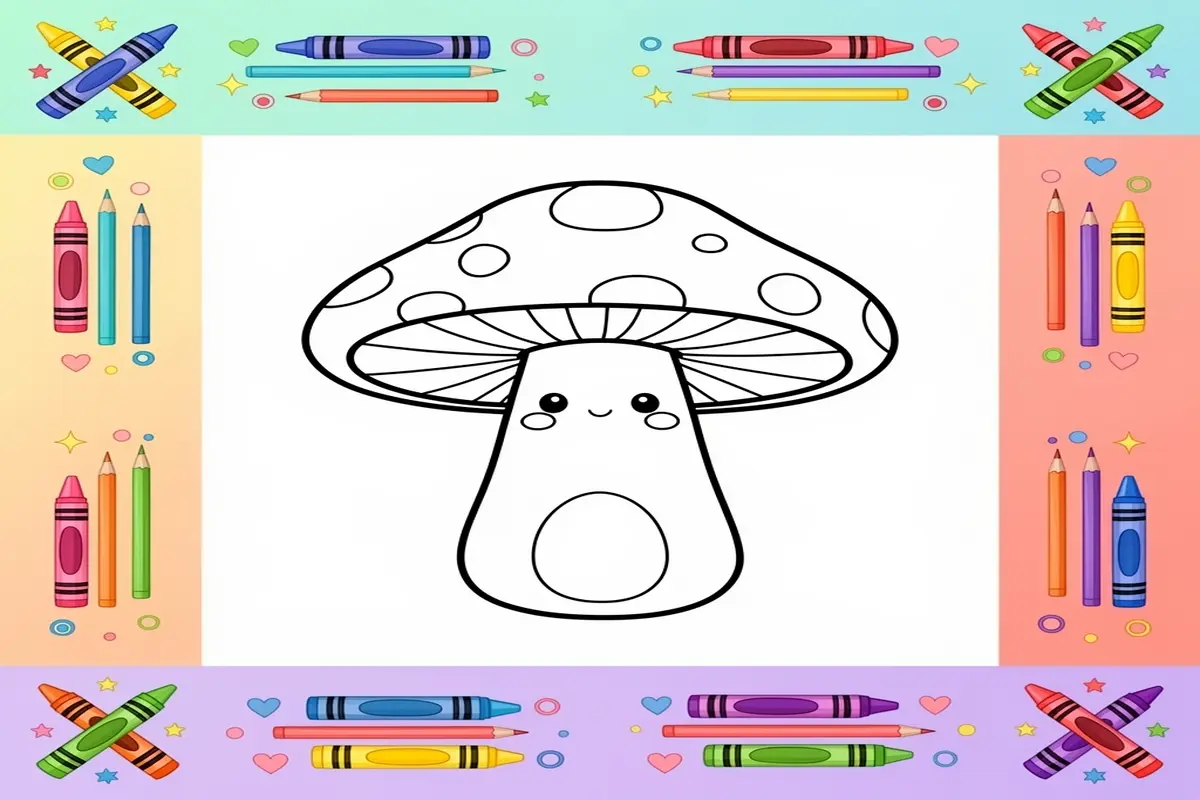
In a world saturated with digital screens, the simple act of coloring offers a profound return to tactile creativity and quiet focus. For children, it’s more than just filling in lines; it’s a journey of discovery, a meditation in color, and a foundational exercise for fine motor skills. Among the vast universe of themes, mushroom coloring pages for kids hold a unique charm, inviting young artists into a magical, miniature forest realm. These aren’t just fungi; they are canvases for imagination, featuring spotted caps, gilled undersides, and fairy-tale landscapes that spark curiosity about the natural world. While exploring the depths of the ocean with our free dolphin coloring pages is one adventure, venturing into the enchanted woods with mushroom coloring pages for kids is another, offering a distinctly earthy and whimsical creative escape. This blend of natural science and fantasy makes them a perennial favorite, providing a perfect gateway to discussions about ecosystems, symmetry, and boundless artistic expression.
The Enchanted Appeal: Why Mushrooms Captivate Young Minds
A Portal to Mindfulness and Focus
The intricate details of a mushroom’s form—from the delicate lines on its gills to the textured patterns on its cap—require a level of attention that naturally draws a child into a state of flow. This focused engagement is a form of active mindfulness, quieting the noise of the day and reducing anxiety. As children concentrate on staying within the lines or choosing the perfect shade of red for an amanita, they practice patience and present-moment awareness. The repetitive, rhythmic motion of coloring is inherently calming, making mushroom coloring pages for kids a wonderful tool for emotional regulation and creating peaceful moments in a busy schedule.
Roots in Folklore and Natural Science
Mushrooms are steeped in cultural mystique, appearing in fairy tales as seats for gnomes, homes for fairies, and magical ingredients in potions. This rich narrative backdrop transforms a coloring activity into a storytelling session. Beyond the folklore, these pages serve as an engaging introduction to mycology. Children learn about different shapes—the classic umbrella, the shelf-like polypore, the intricate morel—sparking early interest in biology and the hidden networks of the forest floor. Coloring a detailed mushroom coloring page for kids becomes a dialogue about decomposition, symbiosis, and the incredible diversity of life forms often overlooked.
Designed for All Stages of Development
The beauty of this theme lies in its scalability. For tiny hands, simple, bold outlines of single mushrooms help develop grip and control. For older children, complex scenes featuring mushroom villages nestled in roots, accompanied by friendly insects and dappled sunlight, offer a challenging and rewarding creative pursuit. This inclusivity ensures that every child, regardless of skill level, can find joy and a sense of accomplishment. Whether as a standalone activity or part of a larger lesson on nature, mushroom coloring pages for kids are a versatile resource that grows with the artist.
Part 2: Essential Materials & Setup for Professional mushroom coloring pages for kids
To transform your mushroom coloring pages for kids from a simple activity into an enriching artistic experience, the right materials and preparation are key. This guide outlines a professional toolkit that balances quality with child-friendliness, ensuring vibrant results and fostering a love for art. Proper setup not only enhances the final artwork but also supports fine motor development and prolonged engagement.
The Foundation: Selecting Premium Paper for mushroom coloring pages for kids
The paper you choose is the single most important factor in coloring success. For standard crayons and colored pencils, a smooth, bright white paper with a weight of 100-120 GSM (grams per square meter) is ideal. This weight prevents bleed-through from markers and handles moderate pressure from enthusiastic colorers. When printing your mushroom coloring pages for kids, ensure your printer settings are on “high quality” for crisp lines. For a special project, consider using mixed-media paper, which allows for experimentation with wet and dry mediums without warping. If your child is drawn to intricate designs, such as those found in our mandala coloring pages for kids, a smoother, heavier paper will make detailed work much easier.
Best Coloring Tools: A Detailed Medium Comparison
The choice between mediums defines the artwork’s texture and vibrancy.
Colored Pencils: Opt for soft-core pencils with high pigment content for smooth, blendable layers. They are excellent for teaching shading and detail work on the delicate gills and stems of mushroom illustrations. A set of 24-36 colors provides ample range without being overwhelming.
Wax Crayons: The classic choice for younger children, offering bold, opaque coverage. Look for non-toxic, break-resistant versions. Their broader stroke is perfect for filling large mushroom caps.
Markers: Alcohol-based markers provide vibrant, streak-free color but require bleed-proof paper. For most home use, high-quality water-based markers are a safer, more economical choice. They are fantastic for creating bold, uniform areas of color on your mushroom coloring pages for kids.
Finishing Touches: Gel Pens, Blenders, and Highlights
Elevate the artwork with tools for detail and special effects. White gel pens are invaluable for adding highlights, creating dewdrops on mushroom caps, or drawing intricate patterns. Colorless blender pencils (for colored pencils) can smooth gradients and blend colors seamlessly, teaching children about light and shadow. A set of fine-tip colored markers or gel pens can be used to outline or add tiny dots and textures, bringing an extra dimension to the fantasy elements often found in mushroom scenes.
Perfect Workspace: Optimizing Lighting and Ergonomics
A well-prepared workspace encourages focus and comfort. Ensure the coloring area is flooded with natural light or supplemented by a bright, white LED desk lamp to reduce eye strain and allow for true color perception. The seating should support good posture; feet should rest flat on the floor or a stool, with the table at elbow height. Keep materials organized in cups or trays—having pencils sorted by color family can subtly teach color theory. A simple clipboard can also provide a portable, hard surface for coloring anywhere. This thoughtful setup signals that the activity is valued and allows children to fully immerse themselves in the world of their mushroom coloring pages for kids.
Mastering Mushroom Coloring Pages for Kids: Advanced Creative Techniques
Ready to transform those simple outlines into vibrant, dimensional works of art? This guide moves beyond basic filling to explore professional techniques that will bring your mushroom coloring pages for kids to life. These methods are perfect for parents and teachers looking to guide young artists toward more satisfying, realistic results.
Harmonious Palettes: Color Theory for Enchanting Fungi
Understanding basic color relationships can elevate a simple page. For mushroom coloring pages for kids, try these approaches:
Complementary Colors: Use opposites on the color wheel for striking contrast. A bright red amanita cap (red) pops against a background of green moss (green). This creates instant visual interest.
Analogous Colors: For a more harmonious, natural look, use colors next to each other. Color a mushroom cap in shades of yellow, yellow-orange, and orange, creating a smooth, sunset-like effect.
Nature’s Palette: Look to real life! Suggest using browns and tans for the stem, creamy whites for the gills, and varied reds, yellows, or even purples for the cap. For more nature-inspired coloring adventures, explore our forest coloring pages for kids.
From Flat to 3D: Mastering Simple Shading
Shading adds volume and turns a circle into a sphere. Here’s a step-by-step method for a mushroom cap:
1. Identify Your Light Source: Decide where the “sun” is (e.g., top left). All highlights and shadows will follow this.
2. Apply Base Color: Color the entire cap with your main color evenly.
3. Add Shadow: Using a slightly darker shade of your main color (or more pressure), color the opposite side from the light source. For a cap, shade the lower, curving underside.
4. Add Highlight: On the side closest to the light source, apply a lighter shade (or less pressure). Leave a tiny spot almost white for a shiny effect.
5. Blend: Gently go over the areas where dark and light meet with your original base color to smooth the transition.
Adding Realism: Texturing Your Mushroom Scene
Texture makes art touchable. Here’s how to render common elements:
Spotted Caps: Don’t just draw white circles. Color the spots with a very light gray or cream, then add a tiny shadow on one side to make them look like raised bumps.
Woodland Floor: For the ground, use short, quick, uneven strokes in multiple browns and greens instead of one flat color. This mimics grass, soil, and pebbles.
Fuzzy Stems: Some mushrooms have fibrous stems. Use tiny, closely-spaced vertical lines in varying pressures instead of a solid fill.
Sky Background: Use gentle, circular motions with a blue pencil, leaving some wispy white spaces for clouds. For more sky and outdoor scenes, our landscape coloring pages for kids offer great practice.
The Art of Correction: Gracefully Fixing Coloring Errors
Mistakes are part of the process. Teach these graceful fixes:
Over-Coloring: If an area goes outside the lines, don’t panic. Use the background color to creatively absorb the error. A green stray mark can become a blade of grass or a leaf.
Color Bleed: To prevent wax-based pencils from bleeding, avoid heavy layers. For a mistake, gently lift color with the sticky side of tape.
“Too Dark” Shadows: Lighten an area that’s become too dark by gently going over it with a white or cream colored pencil. This can blend and soften the harsh shade.
Transform the Error: The best fix is often creativity. An unintended dark spot on a mushroom cap can be turned into a cute ladybug or a dewdrop with a little highlight.
By practicing these techniques, children learn that mushroom coloring pages for kids are a starting point for limitless creativity, building artistic confidence with every page they complete.
Showcasing Your Mushroom Coloring Pages for Kids: Creative Display Ideas
Once the artistic adventure is complete, it’s time to celebrate your child’s masterpiece! Moving beyond the coloring book, displaying their work builds confidence and transforms their art into a cherished part of your home.
Preserving Your Masterpiece: Archival Tips
To ensure those vibrant fungi last, consider simple preservation methods. For flat display, use acid-free tape or photo corners to mount the page in a frame without damaging it. For a more durable finish, a thin layer of clear, non-yellowing Mod Podge can seal and protect the colors. Storing unused pages flat in a portfolio or large folder keeps them crisp for future creativity, much like organizing a collection of fish coloring pages.
Beyond Display: Creative DIY Projects
Turn completed pages into delightful keepsakes and gifts. Carefully cut out colored mushrooms to create unique greeting cards, gift tags, or laminated bookmarks. For a festive touch, string several cut-outs together to make a whimsical mushroom garland for their bedroom. You can also decoupage them onto a plain wooden box or picture frame, creating a personalized treasure that showcases their artistic journey.
Your Mushroom Coloring Pages for Kids Questions Answered
How do you draw a mushroom for kids?
Start with simple shapes! Draw a half-circle or oval for the cap. Add a vertical rectangle or slightly curved line underneath for the stem. For a classic toadstool, place small circles on the cap. Keep lines light and encourage kids to add their own details like grass, a smiling face, or a friendly bug nearby.
What are the benefits of coloring for kids?
Coloring boosts fine motor skills and hand-eye coordination as children practice staying within lines. It fosters creativity and color recognition while providing a calming, focused activity that can improve concentration. It’s also a wonderful, screen-free way for kids to express emotions and build confidence in their abilities.
What is the red mushroom with white spots called?
That iconic mushroom is the Amanita muscaria, commonly known as the fly agaric. It’s the classic fairy-tale toadstool often seen in storybooks. It’s important to note that while it’s a beautiful symbol in art, this mushroom is poisonous and should only be admired in pictures, like on your mushroom coloring pages for kids.
Where can I find free mushroom coloring pages?
You can find a wonderful variety of free, printable mushroom coloring pages for kids right here on our website! We offer everything from simple toadstools for toddlers to detailed fantasy scenes for older children, all available to download and print instantly for your creative sessions.
Is coloring good for stress relief in children?
Absolutely. Coloring is a fantastic, mindful activity that helps children unwind. The repetitive motion and focus required can quiet a busy mind, reduce anxiety, and act as a healthy emotional outlet. It provides a sense of control and accomplishment, making it a perfect tool for relaxation after a busy day.
Final Thoughts: Your Mushroom Coloring Pages for Kids Journey Begins
The simple act of coloring a mushroom can open a door to a world of creativity, learning, and calm for your child. From recognizing the iconic fly agaric to developing fine motor skills and finding a peaceful moment of focus, these pages offer more than just an activity—they provide a canvas for growth and joyful expression. Displaying their art proudly validates their effort and transforms your home into a gallery of their imagination.
We hope this guide inspires countless colorful adventures. Remember, every page colored is a story told and a skill nurtured. Ready for your next adventure? Explore our forest coloring pages for kids to continue the journey into nature’s wonders!