We offer a wide collection of free, high-quality printable coloring pages for kids and adults. From cute animals to intricate mandalas, our designs bring creativity and relaxation to everyone. Download, print, and start coloring today!

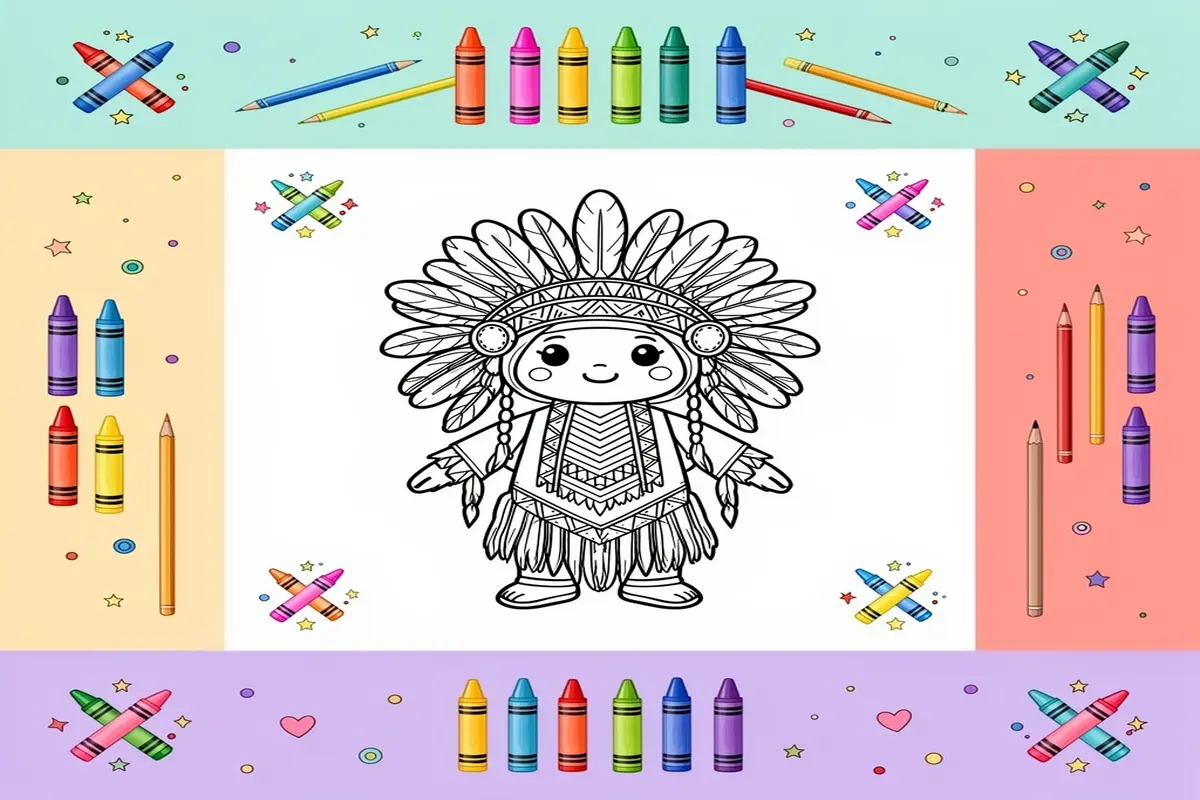
In a world saturated with digital distractions, the simple act of coloring offers a profound return to focus, creativity, and calm. It’s a tactile experience that engages the mind and soothes the spirit, providing a quiet space for imagination to flourish. When this activity is paired with the rich, symbolic artistry of Indigenous cultures, it transforms into a meaningful educational journey. Native American coloring pages for kids are more than just outlines to fill; they are gateways to understanding history, appreciating intricate patterns, and connecting with the natural world. These pages often feature powerful symbols like dreamcatchers, totem animals, and traditional regalia, each telling a story of heritage and respect. As children select colors for a patterned blanket or a soaring eagle, they engage in an act of mindful creation that builds fine motor skills and cultural awareness simultaneously. For parents and educators seeking to diversify a child’s artistic exploration beyond popular themes like our collection of realistic animal coloring pages, these resources offer a unique and valuable alternative. Introducing native american coloring pages for kids is an invitation to explore a vibrant tapestry of art and tradition, one colorful stroke at a time.
Beyond the Lines: The Cultural Tapestry and Cognitive Benefits
Engaging with these artistic themes offers a multifaceted experience that blends cognitive development with cultural appreciation. It’s an activity where fun and learning are seamlessly interwoven.
The Mindful Art of Symbolic Coloring
The process of coloring within intricate patterns—common in Native American art forms like beadwork and weaving—requires concentration and patience. This focused attention acts as a form of active meditation for children, helping to quiet anxiety and improve present-moment awareness. Choosing colors for symbolic elements, such as the four directions or animal spirits, encourages thoughtful decision-making and can spark conversations about meaning and significance, turning a quiet activity into a dialogue about values and beliefs.
A Living History: Art as a Storytelling Medium
Each design found in native american coloring pages for kids is a fragment of a larger narrative. From the stylized thunderbirds of the Pacific Northwest to the geometric patterns of Southwestern tribes, these images are rooted in deep cultural traditions. Coloring a page depicting a ceremonial dance or a traditional dwelling is an accessible entry point for discussing the diversity and resilience of Native American communities. It moves learning beyond textbooks, allowing children to connect emotionally with history through the universal language of art, fostering respect and curiosity from a young age.
Designed for All Young Artists
The beauty of this resource lies in its accessibility. Whether your child is a preschooler just learning to hold a crayon or a pre-teen looking for a detailed artistic challenge, there is a page to match their skill level. Simpler outlines of canoes or feathers build confidence in younger kids, while more complex scenes with detailed regalia and landscape elements appeal to older children and even adults. This inclusivity ensures that exploring native american coloring pages for kids can be a rewarding family activity, promoting togetherness and shared learning in a creative, low-pressure environment.
Part 2: Essential Materials for Stunning native american coloring pages for kids
To truly honor the intricate patterns and cultural significance found in native american coloring pages for kids, having the right materials is key. The right tools not only make the process more enjoyable but also allow for greater expression of the details in the designs, from geometric motifs to symbolic animals. This guide will help you assemble a professional-grade toolkit that empowers young artists to do their best work.
The Foundation: Choosing Paper for native american coloring pages for kids
The paper you select is the most critical choice. Standard printer paper (20-24 lb) is prone to bleeding and warping. For a superior experience, opt for a heavier weight. Cardstock (65-80 lb) provides a sturdy, non-bleeding surface ideal for markers and layered pencil work. For a truly premium feel, consider smooth Bristol paper (100+ GSM), which allows for incredibly fine detail and blending. If you’re printing double-sided pages or using wet mediums like paint, ensure your paper is labeled as “heavyweight” or “marker paper” to prevent show-through. For a fun textural experiment, try printing a page on light tan or parchment-style paper to mimic traditional materials, adding an authentic dimension to your native american coloring pages for kids.
Best Coloring Tools: Markers vs. Pencils
Each medium offers distinct advantages for bringing native american coloring pages for kids to life.
Colored Pencils: The go-to for control and detail. Wax-based pencils (like Crayola or Prismacolor) offer vibrant colors and smooth blending, perfect for shading intricate patterns and animal fur. Oil-based pencils (like Faber-Castell Polychromos) provide hard, sharp points for extremely fine lines and detailed geometric borders. A quality set of 24-48 colors offers ample range for skin tones, earthy landscapes, and vibrant ceremonial regalia.
Markers: For bold, graphic impact, markers are excellent. Fine-tip markers are indispensable for outlining and filling small patterns. Brush markers allow for expressive strokes and gradient effects. To prevent bleed-through on detailed pages, use alcohol-based markers (like Ohuhu or Copic-style) on marker-specific paper, as they dry quickly and blend beautifully. For a simpler, child-friendly option, water-based markers are easier to clean and work well on cardstock.
Finishing Touches: Gel Pens & Highlights
This is where artwork truly shines. Metallic gel pens (gold, silver, copper) are perfect for adding accents to jewelry, headdress details, or outlining key symbols. White gel pens or acrylic paint markers can be used to add highlights, create dot-work patterns, or correct small mistakes on darker areas. A set of glitter gel pens can add a celebratory touch to festival scenes. For a more advanced technique, use a blending stump with colored pencils to create smooth gradients in backgrounds, such as sunsets or expansive skies, which are common in many scenes. For related projects that also feature cultural themes and intricate designs, explore our collection of diwali coloring pages for kids.
Perfect Workspace: Lighting & Ergonomics
A proper setup ensures comfort and allows focus on the details of native american coloring pages for kids. Lighting is paramount; a natural daylight LED lamp reduces eye strain and shows colors accurately, which is crucial for respecting the cultural palettes often used. Ensure the workspace is ergonomic: the table should be at elbow height, and the child’s feet should rest flat on the floor or a stool. Use a hard, flat surface (like a clipboard or drawing board) under the paper for consistent pressure. Keep supplies organized in cups or trays—separating pencils, markers, and finishing tools—to minimize distractions and encourage a mindful, focused coloring session.
Part 3: Elevating Your Art: Advanced Techniques for Native American Coloring Pages for Kids
To transform your native american coloring pages for kids from simple outlines into vibrant, textured works of art, mastering a few key techniques is essential. This guide moves beyond basic filling to help parents and teachers guide young artists in creating pieces with depth, harmony, and realism. Whether depicting a detailed headdress or a sunset over the plains, these methods will bring the rich heritage to life on the page.
Harmonious Palets: Color Theory for Authentic Scenes
Understanding basic color relationships is crucial for creating balanced and culturally resonant art. For native american coloring pages for kids, consider these palettes:
Complementary Colors: Use opposites on the color wheel (like blue and orange or red and green) to make elements “pop.” This is perfect for making a central figure, like a dancer in regalia, stand out against a background.
Analogous Colors: Choose colors next to each other on the wheel (e.g., yellow, yellow-green, and green). This creates serene and harmonious scenes, ideal for landscapes like forests or sunsets often found in these pages.
Earth Tones: Ground your artwork in authenticity by leaning into natural pigments—ochres, browns, deep reds, and muted greens. This palette connects the art directly to the natural materials and themes prevalent in Native cultures.
From Flat to 3D: Mastering Shading and Depth
Shading is what gives a two-dimensional drawing a three-dimensional feel. Teach a simple step-by-step approach:
1. Identify Your Light Source: Decide where the light is coming from (e.g., the top left). Every shadow will be cast opposite this.
2. Apply Base Colors: Fill in areas with your main, medium-tone color.
3. Add Shadows: Using a slightly darker shade of your base color, apply gentle pressure to areas the light wouldn’t hit directly (e.g., under a brow, inside a fold of clothing, or on one side of a teepee).
4. Highlight: With a lighter shade or by leaving tiny white spaces, add touches where the light would strike first (e.g., the top of a cheekbone, the curve of a pottery jar, or the high points of a feather).
This technique works beautifully for adding volume to animal companions often featured, similar to the skills used in our realistic animal coloring pages.
Adding Realism: Techniques for Texture and Detail
Texture makes the scene tactile and believable. Here’s how to approach common elements:
Feathers & Fringe: Use short, directional strokes that follow the flow of the feather’s vanes or the hang of the fringe. Layer colors lightly to show softness.
Beadwork & Patterns: For intricate designs, use fine-tipped markers or colored pencils. Focus on keeping patterns consistent, using alternating colors to suggest rows of beads.
Sky & Landscape: For a smooth sky, use the side of your pencil or crayon in light, circular motions. For grass or distant trees, use small, upward flicks. Explore more landscape methods in our dedicated landscape coloring pages for kids.
The Art of Correction: Gracefully Fixing Coloring Errors
Mistakes are part of the creative process. Here’s how to manage them gracefully:
Pencil & Crayon: For small slips outside the lines, a white eraser can clean up edges. For larger areas, incorporate the “mistake” into the design—turn a stray mark into a small pattern detail or a background element.
Marker: Prevention is key, but if a bleed occurs, define it! Use a darker color to turn the bleed into a intentional shadow or border.
* Mindset Shift: Frame “mistakes” as creative opportunities. A color that seems too dark can become a shadow; an uneven line can become a textural feature. The goal is expressive art, not perfection.
By integrating these advanced techniques, children and adults alike can approach native american coloring pages for kids with a new level of artistic confidence, creating works that honor the complexity and beauty of the subject matter.
Showcasing Your Native American Coloring Pages for Kids: Creative Display Ideas
Once your young artists have completed their beautiful pages, it’s time to celebrate their work! Thoughtful display honors their effort and deepens their connection to the cultural themes they’ve explored. Here are inspiring ways to move their art from the table to the spotlight.
Preserving Your Masterpiece: Archival Tips
To ensure these special creations last, consider simple preservation methods. For pages you want to keep long-term, use acid-free sheet protectors in a binder dedicated to their cultural art journey. You can also lightly spray finished pages with a fixative art spray to prevent crayon or pastel smudging. For a more formal display, inexpensive frames from a craft store can turn any page into gallery-worthy art for their bedroom or your learning space.
Beyond Display: Creative DIY Projects
Transform colored pages into meaningful gifts and keepsakes. Laminate a finished page and cut it into strips to create unique bookmarks, perfect for gifting to family members. Smaller motifs can be cut out, glued onto folded cardstock, and turned into thoughtful greeting cards for holidays like Thanksgiving. For a collaborative project, attach several colored pages to a long ribbon to create a cultural banner, celebrating a unit of study on Indigenous cultures, much like the vibrant scenes you might create with our safari coloring pages for kids.
Your Native American Coloring Pages for Kids Questions Answered
What are traditional Native American patterns?
Traditional patterns vary widely among nations but often feature geometric shapes, lines, and symbols inspired by nature. Common motifs include diamonds, triangles, zigzags, and stepped patterns representing mountains or clouds. These designs are found in weaving, pottery, and beadwork, each carrying cultural significance. Using native american coloring pages for kids is a wonderful way to introduce these beautiful, symbolic art forms.
How to teach Native American culture to kids?
Focus on respect, diversity, and present-day existence. Use age-appropriate books, authentic resources from Indigenous voices, and hands-on activities like storytelling or art. Coloring pages can be a starting point to discuss specific tribes, their environments, and art styles. Always emphasize that Native American cultures are living, vibrant, and diverse, not just a historical footnote.
What do Native American art symbols mean?
Symbols are a visual language. An eagle feather represents strength and honor, a bear track signifies leadership, and a turtle often symbolizes Mother Earth and longevity. Colors also hold meaning; for instance, red can mean faith or blood. It’s important to note that meanings differ between tribes. When using native american coloring pages for kids, take the opportunity to explore these stories respectfully.
What are the benefits of coloring for children?
Coloring boosts fine motor skills, hand-eye coordination, and focus. It serves as a calming, screen-free activity that reduces anxiety and encourages creative expression. When themed, like with cultural pages, it also becomes an engaging educational tool, sparking curiosity and conversation about new topics in a relaxed setting.
What colors are used in Native American beadwork?
Traditional beadwork utilized natural dyes, creating colors like deep blues, earthy reds, sunny yellows, and pure whites from minerals, plants, and clays. Today, vibrant glass beads offer a full spectrum. Common symbolic colors include blue for sky/water, green for earth, yellow for sun, and white for peace. Encourage kids to explore this palette on their native american coloring pages for kids.
Final Thoughts: Your Native American Coloring Pages for Kids Journey Begins
Embarking on this creative and educational journey with Native American coloring pages offers so much more than a simple pastime. It’s a gateway to developing fine motor skills, fostering mindfulness, and igniting a respectful curiosity about the rich tapestry of Indigenous arts and cultures. Each page colored is a moment of focus, a spark for conversation, and a celebration of artistic heritage.
We hope this guide inspires you to display, preserve, and discuss these beautiful creations with pride. Remember, the goal is to combine fun with learning, creating a meaningful activity that honors both your child’s creativity and the cultural inspirations behind the art. Ready for your next adventure? Explore our nature coloring pages for kids to continue connecting art with the wonders of the natural world!