We offer a wide collection of free, high-quality printable coloring pages for kids and adults. From cute animals to intricate mandalas, our designs bring creativity and relaxation to everyone. Download, print, and start coloring today!

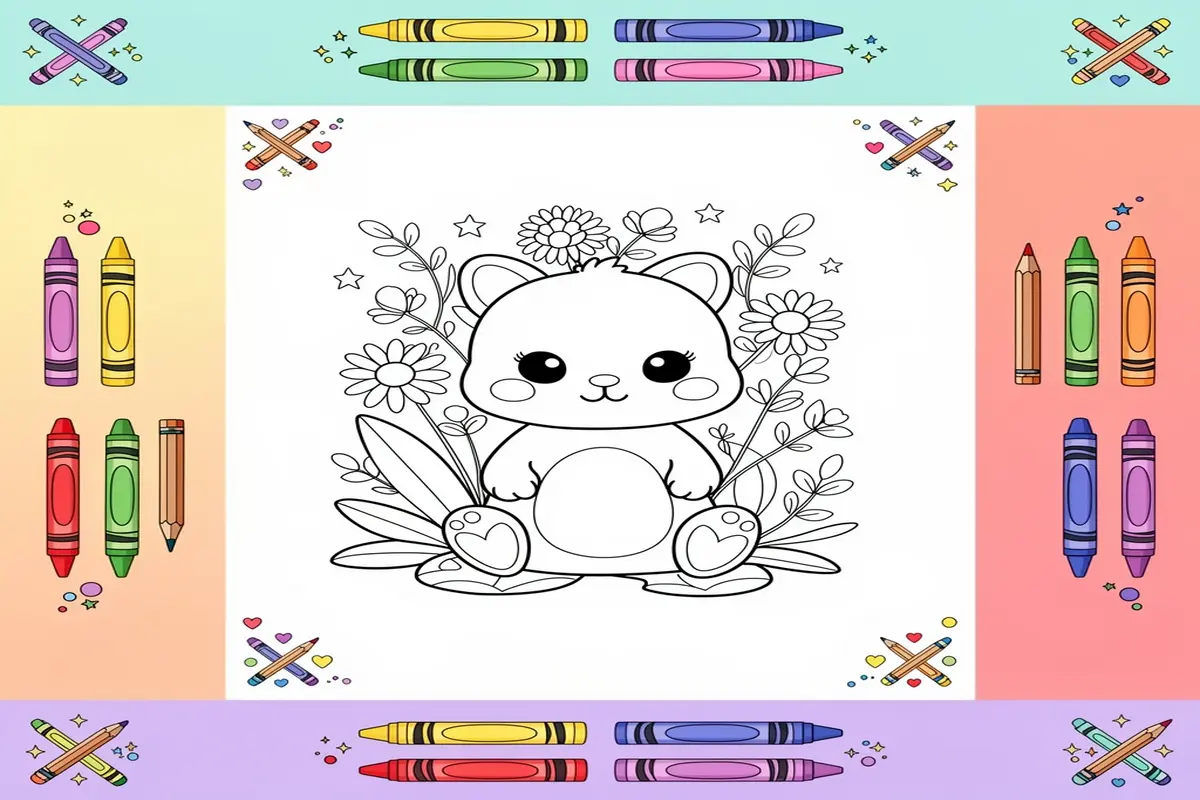
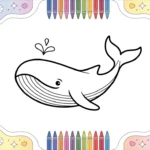
In a world increasingly dominated by screens, the simple act of coloring offers a tangible, calming escape. For children, it’s more than just a pastime; it’s a foundational journey into creativity, fine motor skill development, and a profound connection with the world around them. Nature coloring pages for kids serve as a perfect portal to this experience, transforming blank outlines into vibrant ecosystems of a child’s own making. From the depths of the ocean with its majestic whales and playful dolphins to the sprawling savannas home to towering giraffes and powerful lions, these pages invite young artists to explore biodiversity through the tip of a crayon. This creative engagement does more than occupy time—it fosters mindfulness, sparks curiosity about biology and geography, and provides a quiet space for self-expression. By integrating these detailed and accessible nature coloring pages for kids into play or learning, we offer them a hands-on tool to appreciate the planet’s beauty, one colorful stroke at a time.
The Psychology & Universal Appeal: More Than Just Child’s Play
The Mindful Stroke: Cultivating Focus and Calm
The rhythmic, repetitive motion of coloring within lines is a known therapeutic activity, even for young minds. Engaging with nature coloring pages for kids requires a gentle focus that naturally draws attention away from distractions and anxieties, creating a state of flow. This mindful practice helps regulate emotions, reduces stress, and improves concentration. As a child decides whether a leaf should be emerald green or autumn gold, they are practicing decision-making and exercising their creative prefrontal cortex, all while achieving a sense of calm accomplishment.
A Timeless Tradition: From Cave Walls to Coloring Books
The impulse to depict the natural world is ancient, tracing back to humanity’s first artistic expressions on cave walls. Today’s nature coloring pages for kids are a direct descendant of this tradition, democratizing art and making the subjects of the great masters—animals, plants, and landscapes—accessible to all. This activity bridges generations and cultures, serving as a universal language of creativity. It connects children to a long lineage of naturalists and artists who have sought to understand and represent the beauty of their environment, providing a deeply rooted, culturally rich context for a simple afternoon activity.
Designed for Discovery: Curated for Every Age and Interest
The best nature coloring pages for kids are thoughtfully designed to meet a spectrum of developmental stages and curiosities. For toddlers, bold, simple outlines of a friendly bear or a basic flower build confidence. School-aged children can tackle more intricate scenes of forest canopies or detailed animal patterns, which challenge their fine motor skills and knowledge of natural hues. For the budding zoologist, pages featuring exotic creatures like the cheetah or the octopus become educational tools, sparking questions about habitats and adaptations. This careful curation ensures that every child, regardless of skill level, finds a page that invites them in, celebrates their effort, and fuels their fascination with the natural world.
Part 2: Essential Materials & Professional Setup for nature coloring pages for kids
To transform your nature coloring pages for kids from a simple activity into a rich, educational, and skill-building experience, the right materials and preparation are key. This professional toolkit ensures vibrant results, minimizes frustration, and maximizes the developmental benefits of engaging with flora and fauna illustrations. Proper setup also turns coloring time into a calm, focused ritual that enhances connection and creativity.
The Foundation: Premium Paper for Detailed Nature Scenes
The paper you choose directly impacts the final artwork and the child’s enjoyment. For intricate nature coloring pages for kids featuring animals like leopards or dense forest scenes, standard printer paper often bleeds and tears. Opt for a dedicated sketchpad or heavyweight paper (120-140 GSM). This weight handles wet mediums like markers without warping and allows for subtle pencil shading to bring textures like fur, feathers, and leaves to life. For a reusable option, place printable pages in clear sheet protectors and use dry-erase markers, perfect for practicing fine motor skills or exploring different color palettes for the same scene, such as a sunset savanna versus a midday jungle.
Artistic Mediums: Comparing Tools for Vibrant Nature Pages
Selecting coloring tools depends on the desired outcome and the child’s age and skill level.
Colored Pencils: The quintessential tool for control and detail. Artist-grade pencils with soft, pigmented cores (like Prismacolor or Faber-Castell) allow for layering and blending, ideal for creating realistic gradients on a giraffe’s coat or the soft petals on flower coloring pages for kids. They require and develop patience and fine motor control.
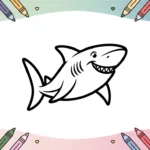
Markers: Brilliant for bold, saturated color. Dual-tip markers (broad and fine) offer versatility. Alcohol-based markers (e.g., Copic) blend seamlessly for professional effects but can bleed through paper. Water-based markers are more child-friendly and work well with the recommended heavyweight paper. They are excellent for filling large areas like skies or oceans on marine life pages.
Crayons: Excellent for younger children, building hand strength with their resistance. While less blendable, they offer a tactile, nostalgic experience perfect for simpler farm animal or landscape scenes.
Finishing Touches: Enhancing Details with Specialty Tools
Elevate the artwork and engage advanced artists with tools for accents and textures.
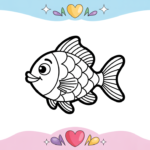
Gel Pens & Metallic Markers: Indispensable for adding magical highlights. Use white gel pens for ocean spray, dewdrops on leaves, or stars in a night sky scene. Metallic pens can color fish scales, insect wings, or celestial bodies on galaxy-themed pages.
Blending Stumps & Tortillons: These paper tools are used with colored pencils to smooth shading and create soft transitions, perfect for rendering realistic animal fur on a lion or soft cloud formations.
Fine-Line Ink Pens: For confident older kids, outlining finished sections with a waterproof pen can make colors pop and define the intricate details found in many advanced nature coloring pages for kids.
Creating the Ideal Workspace: Ergonomics & Lighting
A proper environment prevents fatigue and fosters concentration.
Lighting: Ensure ample, neutral-white light to reduce eye strain and allow for accurate color perception. A dedicated desk lamp is ideal, positioned to avoid shadows on the working area.
Ergonomics: The child should sit at a table with feet flat on the floor or a stool. The coloring page should be angled slightly—using a clipboard or a slanted drawing board—to improve posture and provide a better view of the surface.
* Organization: Use cups or trays to organize tools by type, making the process smooth and teaching organizational skills. A clean, flat surface protects the paper and allows for unrestricted movement.
Part 3: Elevating Your Art: Advanced Techniques for Nature Coloring Pages for Kids
Ready to transform your child’s nature coloring pages for kids from simple outlines into stunning, vibrant works of art? Moving beyond basic filling, these advanced techniques will build confidence, enhance fine motor skills, and unlock a new level of creative satisfaction. Let’s explore how to add depth, realism, and professional flair to every page.
Harmonious Palettes: Color Theory for Nature Scenes
Understanding basic color theory can make a world of difference. For nature coloring pages for kids, start with analogous colors (colors next to each other on the wheel) for peaceful scenes. Think greens and blues for a serene forest pond or yellows and oranges for a sunset sky. For dynamic, eye-catching elements, use complementary colors (opposites on the wheel). A red ladybug on a green leaf or purple flowers against a yellow field instantly pops. Encourage kids to experiment with these combinations on pages featuring diverse wildlife, like our zebra coloring pages free printable or flower coloring pages for kids.
From Flat to 3D: Mastering Light and Shadow
Shading is the magic trick that adds volume. Teach kids to imagine a light source (like the sun) in one corner of the page. The sides of objects facing the light are lighter; the opposite sides are darker. Start with a base color, then apply gentle, additional layers of the same color or a slightly darker hue to the shadowed areas. For rounded objects like stones, animal bodies, or fruits, use curved shading lines that follow the form. This technique works beautifully to bring depth to creatures from our elephant coloring pages free printable, making their massive bodies look solid and real.
Adding Realism: Simple Texture Techniques
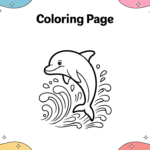
Texture brings a page to life. For fur or hair, use short, quick strokes in the direction the hair grows, leaving tiny gaps of white for highlights. Feathers can be created with longer, overlapping strokes. For rough bark on a tree, use small, jagged circles and dots. Smooth surfaces like a dolphin’s skin or a calm lake require even, consistent pressure with no visible stroke marks. Practice these methods on pages with varied textures, such as the spiky mane of a lion or the patterned shell of a leatherback sea turtle.
The Art of Correction: Graceful Fixes for Coloring Mistakes
Mistakes are part of the creative process! If color goes outside the lines, don’t panic. Often, it can be incorporated. If a child colors a deer’s leg brown by accident, that area can become a shadowy log or a patch of earth. For small, unwanted marks, a white gel pen can be a savior for covering up or adding tiny highlights over darker colors. For larger areas, turn the “mistake” into a new element—a stray green streak in the sky can become a distant bird or a floating leaf. The key is to foster a problem-solving mindset, showing that in art, there are no true errors, only opportunities to get more creative.
Showcasing Your Nature Coloring Pages for Kids: Creative Display Ideas
The fun doesn’t have to stop when the last marker is capped! Transforming your child’s completed nature coloring pages into home decor or heartfelt gifts adds a wonderful sense of accomplishment and extends the creative joy. Here are inspiring ways to celebrate their artistic journey.
Preserving Your Masterpiece: Archival Tips
Before displaying, consider protecting the artwork. For pieces you want to last, use acid-free spray fixatives to prevent wax-based crayon smudging. Laminating pages is a durable, kid-friendly option, making them spill-proof for the fridge or playroom. For a classic look, mount the coloring page on a slightly larger piece of colored cardstock before framing it in a simple, inexpensive frame. This simple step makes any artwork look curated and special.
Beyond Display: Creative DIY Projects
Turn colored pages into practical and beautiful items. Create custom gift tags, bookmarks, or greeting cards by gluing cut-out sections onto folded cardstock. For a beautiful seasonal decoration, string together colored pages to make a unique nature-themed garland featuring butterflies, leaves, and animals. You can also decoupage them onto a plain wooden box or tray for a personalized keepsake. These projects make wonderful, handmade gifts for family members.
Your Nature Coloring Adventure Questions Answered
What are the benefits of nature coloring pages?
Nature coloring pages for kids offer a calming, screen-free activity that boosts fine motor skills and hand-eye coordination. They serve as a gentle introduction to biology, ecology, and the beauty of the natural world, fostering curiosity and respect for animals and plants. It’s a creative foundation for lifelong learning.
Where can I find free nature coloring pages?
You can find a vast collection of high-quality, free printable nature coloring pages for kids right here on our site! We offer everything from ocean creatures to safari animals. For a fantastic underwater start, explore our collection of free dolphin coloring pages.
How does nature art help a child’s development?
Coloring nature scenes enhances observation skills as children notice patterns, textures, and colors in the environment. It encourages emotional expression and reduces stress. Discussing the scenes—like what a lion’s habitat is—also builds vocabulary and scientific understanding, making it a holistic developmental tool.
What are the best markers for coloring pages?
For vibrant results on standard paper, alcohol-based markers like Copic or Ohuhu offer superb blending. For younger children, washable water-based markers (like Crayola Super Tips) are ideal. For detailed nature coloring pages, fine-tip markers are perfect for intricate areas like feathers or scales.
How do I print coloring pages at home?
Ensure your printer has enough ink and load letter-sized (8.5″x11″) paper. In your printer settings, select “Fit to Page” and choose “Best” or “High Quality” print mode for crisp lines. For a more durable page, use light cardstock. Always download the PDF file first for the best resolution.
Final Thoughts: Your Nature Coloring Journey Begins
Embarking on the world of nature coloring pages for kids is more than just an activity; it’s an open door to creativity, calm, and connection with the world around us. Each page completed is a celebration of focus, artistic choice, and a step closer to appreciating the intricate beauty of our planet. Whether your child is crafting a vibrant jungle scene or a detailed ocean panorama, they are building skills and memories that last far beyond the final stroke of color.
So gather your supplies, print a few pages, and let the adventure unfold. Witness the pride in their eyes as they display their work, knowing you’ve provided a canvas for both fun and growth. Ready for your next adventure? Explore our safari-themed animal coloring pages and bring the wonder of the savanna home today!