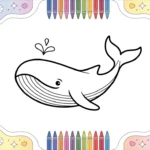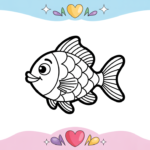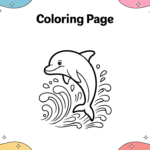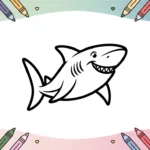
We offer a wide collection of free, high-quality printable coloring pages for kids and adults. From cute animals to intricate mandalas, our designs bring creativity and relaxation to everyone. Download, print, and start coloring today!

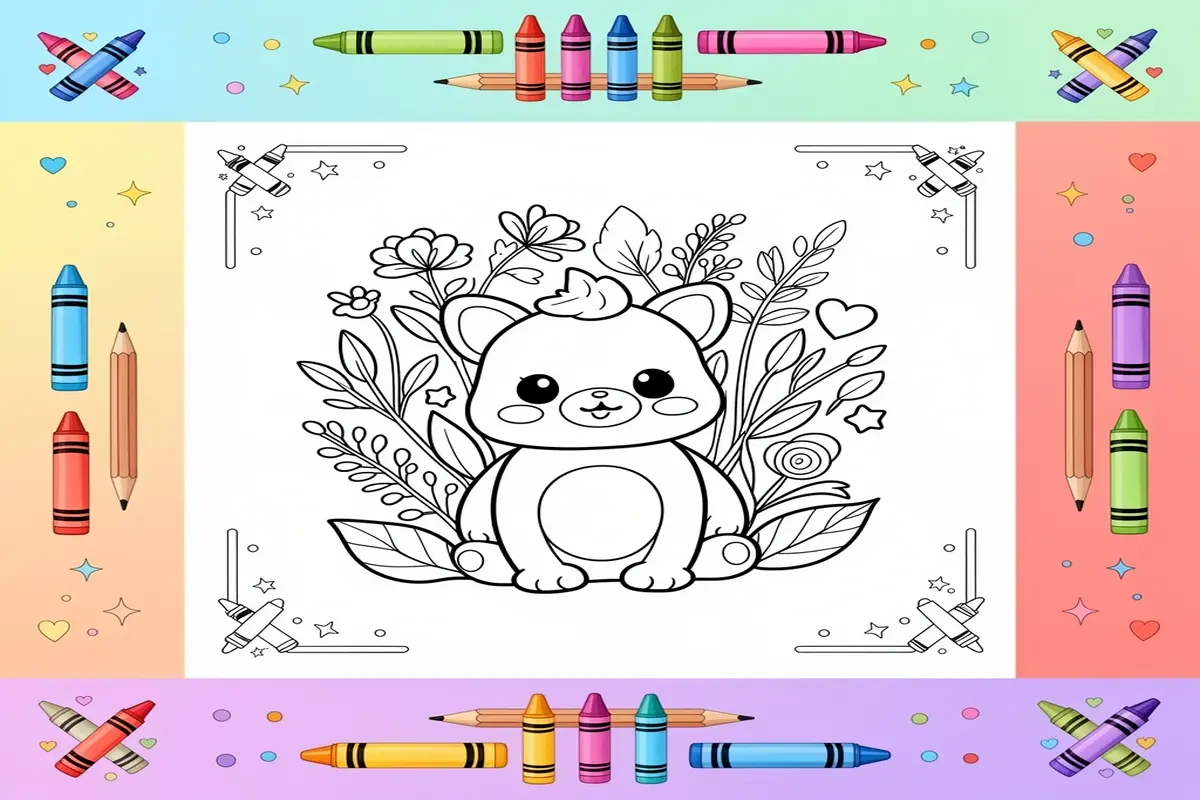
In a world increasingly dominated by screens, the simple act of coloring offers a profound return to tactile, imaginative play. Nature coloring pages for kids are more than just a quiet activity; they are a vibrant portal to the outdoors, fostering a deep, early connection with the environment. As children select hues for a majestic elephant’s hide or the delicate petals of a wildflower, they are not merely filling space—they are engaging in a form of mindful exploration, learning about biodiversity, habitats, and the sheer beauty of our planet. This creative journey builds fine motor skills and focus while providing a calming counterbalance to the fast-paced digital noise of modern childhood. From the depths of the ocean with our free dolphin coloring pages to the sprawling savannah, these resources turn art time into an educational adventure. By integrating nature coloring pages for kids into daily routines, parents and educators can cultivate both artistic confidence and environmental stewardship in the next generation.
The Psychology & Universal Appeal: More Than Meets the Eye
What is it about a blank outline of a forest or a sea creature that captivates a child so completely? The appeal of nature coloring pages for kids is rooted in fundamental psychological needs for order, creativity, and connection.
The Mindful Stroke: Cultivating Focus and Calm
Coloring is a recognized mindfulness practice, even for young minds. The focused attention required to stay within lines and make color choices acts as a form of meditation, quieting the brain’s default mode network associated with anxiety. For children, this translates to improved concentration and emotional regulation. The organic, flowing shapes found in nature—the curve of a giraffe’s neck, the spiral of a seashell—are particularly soothing to replicate, making these pages a powerful tool for managing stress and fostering a peaceful state of mind.
Roots in Reality: Art as a Bridge to the Natural World
Unlike fantastical themes, nature-based art grounds creativity in the observable universe. This connection has deep cultural and educational roots. When a child colors a tiger, they are interacting with an animal that holds significance across continents in story, myth, and ecology. This act becomes a first step in scientific curiosity, often leading to questions about the animal’s home, diet, and behavior. Thus, these coloring pages serve as a foundational canvas, blending artistic expression with early biology and geography lessons.
Designed for All: From Toddler Grip to Budding Artist
The beauty of nature-themed coloring lies in its scalability. For the youngest artists, simple, bold outlines of a smiling sun or a friendly ladybug build confidence in grip and control. For older children and even pre-teens, intricate scenes of rainforest canopies or detailed anatomical renderings of insects provide a satisfying challenge that hones precision. This inclusive range ensures that every child can find a page that meets them at their skill level, turning a moment of creativity into an achievement and encouraging a lifelong appreciation for both art and the environment.
Essential Materials & Preparation for Stunning nature coloring pages for kids
To transform your nature coloring pages for kids from simple outlines into vibrant masterpieces, the right materials and a prepared workspace are crucial. This professional guide details the optimal tools and setup to ensure a rewarding, frustration-free coloring experience that highlights the intricate details of flora and fauna.
The Foundation: Premium Paper for Lasting nature coloring pages for kids
The paper you choose is the single most important factor in your coloring outcome. For standard crayons and colored pencils, a smooth, bright white paper with a weight of 100-120 GSM (grams per square meter) prevents bleed-through and allows for excellent color layering. If your child prefers using markers, especially alcohol-based ones, seek out heavyweight marker paper (160+ GSM) or bleed-proof paper specifically designed to prevent ink from seeping through, protecting your workspace. For a truly special project, printing your chosen designs, such as these beautiful leaf coloring pages, on cardstock (220+ GSM) creates a durable, frame-worthy piece of art. The sturdy surface withstands erasing and blending without tearing.
Advanced Coloring Mediums: Precision vs. Vibrancy
Selecting between coloring tools depends on the desired effect and the child’s skill level.
Colored Pencils: Ideal for detailed nature coloring pages for kids, offering superior control for shading and texture. Wax-based pencils (e.g., Crayola) are excellent for beginners, providing smooth application. For advanced blending and realistic effects, professional-grade oil or wax-based pencils (e.g., Prismacolor) with high pigment concentration are unmatched. They allow artists to layer colors to create depth in animal fur, gradient skies, and layered foliage.
Markers: Deliver bold, vibrant color perfect for large areas. Water-based markers are less likely to bleed through standard paper and are easier for young children to use. Alcohol-based markers (e.g., Copic, Ohuhu) offer a professional, streak-free finish with a vast range of blendable colors, ideal for creating smooth gradients in ocean scenes or sunset backgrounds. Always test markers on a corner of your paper first.
Detailing Tools: Elevating Your Nature Scenes
The final touches bring a coloring page to life. Gel pens with fine tips (0.7mm or smaller) are perfect for adding tiny white dots as flower stamen, stars in a night sky, or highlights in an animal’s eye. Metallic or glitter gel pens can add a magical touch to butterfly wings or flowing water. A quality white colored pencil or a white gel pen is indispensable for adding highlights, correcting small over-colors, or softening dark areas. For pencil work, a dedicated blending stump or tortillon creates seamless shadows and textures, while a simple kneaded eraser can lift pigment to create realistic clouds or mist.
Optimized Workspace: Ergonomics for Focused Creativity
A proper setup prevents fatigue and fosters concentration. Ensure the workspace is illuminated by bright, natural light or a daylight LED lamp (5000-6500 Kelvin), which reduces eye strain and shows true color representation. The coloring surface should be flat, stable, and at a comfortable height to promote good posture. Keep all materials—pencils sorted by color family, markers, erasers, and pencil sharpeners—within easy reach in cups or organizers. Having a scratch sheet of the same paper for testing colors and techniques is a professional habit that keeps the final nature coloring pages for kids pristine. This prepared environment allows the young artist to fully immerse in the calming and educational process of bringing nature to life.
Part 3: Elevating Your Art: Advanced Techniques for Nature Coloring Pages for Kids
Ready to transform a simple page into a stunning masterpiece? Moving beyond basic coloring, these advanced techniques will help your young artist add depth, realism, and professional flair to their nature coloring pages for kids. This section is designed for parents and teachers to guide children toward more sophisticated artistic expression, turning a fun activity into a true skill-building experience.
Harmonious Palettes: Color Theory for Natural Scenes
Understanding basic color theory can elevate a child’s work from random to radiant. Start with analogous colors—those next to each other on the color wheel—for serene scenes like a sunset sky or a forest canopy. Think yellows, oranges, and reds for a fall leaf scene. For vibrant, eye-catching elements like a single flower or a tropical bird, teach them complementary colors (opposites on the wheel). A purple flower (violet) will pop against a yellow-green background. For a vast collection of animal subjects to practice on, explore our animal coloring pages for kids.
From Flat to 3D: Mastering Light and Shadow
Shading is the magic that makes a flat circle look like a spherical apple or a round stone. Guide your child to:
1. Choose a Light Source: Decide where the “sun” is (e.g., top left). Every shadow will be opposite this point.
2. Pressure Gradients: Practice pressing harder with their crayon or pencil on the side away from the light, and lighter on the side closest to it.
3. Layering Colors: Instead of just using gray for shadows, try layering a darker tone of the base color. For a green leaf, add a layer of dark green or blue in the shadow areas.
Adding Realism: Creating Textures in Nature
Texture brings a page to life. Here’s how to simulate common natural elements:
Fur and Feathers: Use short, quick strokes following the direction the hair grows. Layer different shades of brown, as seen on our lion coloring pages for kids, to create a mane’s volume.
Scaly Skin (Fish/Reptiles): Draw a light web of intersecting curved lines first, then color inside each small scale with slight variations in hue.
Smooth Skies & Water: Use the side of a colored pencil or crayon for broad, even coverage. For water, add gentle, horizontal streaks of a slightly darker blue to suggest ripples.
Rough Bark: Apply color with a circular, scribbling motion, using two or three shades of brown and gray interchangeably.
The Art of Correction: Graceful Fixes for Coloring Mistakes
Mistakes are part of the process! Teach these recovery techniques:
Over-coloring: If a color is too light, simply go over it with a darker shade. If a line is crossed, gently blend the errant color into the main area to make it look intentional.
Blending Away Blunders: A white colored pencil or a blending stump can be used to softly mix an unwanted dark spot into a lighter area.
* Strategic Embellishment: Turn a stray mark into a natural feature—a dot becomes a berry, a smudge becomes a cloud, a thick line becomes a tree branch. This creative problem-solving is a valuable skill in itself.
By incorporating these techniques, children don’t just color—they learn to observe, plan, and execute their vision, gaining immense confidence with every nature coloring pages for kids they complete.
Showcasing Your Nature Coloring Pages for Kids: Creative Display Ideas
Once your young artist has filled their nature coloring pages for kids with vibrant life, it’s time to celebrate their work! Moving beyond the coloring book, displaying their art boosts confidence and turns their creativity into a cherished part of your home.
Preserving Your Masterpiece: Archival Tips
To ensure those colorful safari scenes and ocean adventures last, a little protection goes a long way. For pieces you plan to keep, consider using acid-free sheet protectors in a binder or having special pieces laminated. This shields them from sunlight and fingerprints. For a gallery wall, simple frames with UV-protective glass can make any elephant coloring page look like museum-quality art. Storing flat in a portfolio case is perfect for saving a year’s worth of seasonal creations.
Beyond Display: Creative DIY Projects
Transform completed pages into meaningful gifts and everyday items. A beautifully colored scene makes a unique greeting card or gift tag when folded or cut. Laminate smaller sections to create durable bookmarks. You can also decoupage them onto a wooden box or tray for a personalized keepsake. For a collaborative project, combine several themed pages, like our forest coloring pages for kids, into a handmade storybook, adding a beautiful, personal touch to storytime.
Your Nature Coloring Pages for Kids Questions Answered
What are the benefits of nature coloring pages?
Coloring nature scenes offers a wealth of benefits. It fosters fine motor skills and hand-eye coordination while serving as a calming, screen-free activity. Most importantly, it sparks curiosity about the natural world, opening conversations about different animals, plants, and ecosystems, making learning engaging and personal.
Where can I find free nature coloring pages?
You can find a vast collection of high-quality, free nature coloring pages for kids right here on our site! We offer everything from African savanna animals to deep-sea creatures, all easily downloadable and printable at home. Explore categories like farm animals, insects, and landscapes to find the perfect scene.
How does nature art help a child’s development?
Nature art nurtures observational skills as children notice details in leaves or animal patterns. It enhances color recognition and encourages creative decision-making. Emotionally, it provides a peaceful outlet for expression and can significantly reduce anxiety, building focus and a sense of accomplishment with each finished page.
What are the best markers for coloring pages?
For vibrant results on standard paper, high-quality washable markers are excellent for kids. For older children seeking precision, fine-tip markers or brush pens allow for detailed work. Always test markers on a corner to prevent bleed-through. For a different effect, colored pencils are superb for blending and creating realistic textures in nature scenes.
How do I print coloring pages at home?
Ensure your printer has ink and paper. Download your chosen coloring page (usually a PDF or image file). Open the file, select “Print,” and in your printer settings, choose “Fit to Page” for proper scaling. Use standard printer paper for practice or slightly heavier cardstock for a premium feel that better handles markers.
Final Thoughts: Your Nature Coloring Pages for Kids Journey Begins
The simple act of coloring a nature scene is a gateway to so much more—it’s a quiet moment of focus, a burst of creative joy, and a foundational lesson about the beauty of our world. Each page completed is not just art; it’s a milestone in your child’s development and a tangible memory of time spent exploring, imagining, and creating together. We hope this guide inspires you to fill your home with color, conversation, and the wonderful benefits of nature coloring pages for kids.
Ready for your next adventure? Explore our landscape coloring pages for kids to bring majestic mountains and peaceful rivers to life!