We offer a wide collection of free, high-quality printable coloring pages for kids and adults. From cute animals to intricate mandalas, our designs bring creativity and relaxation to everyone. Download, print, and start coloring today!

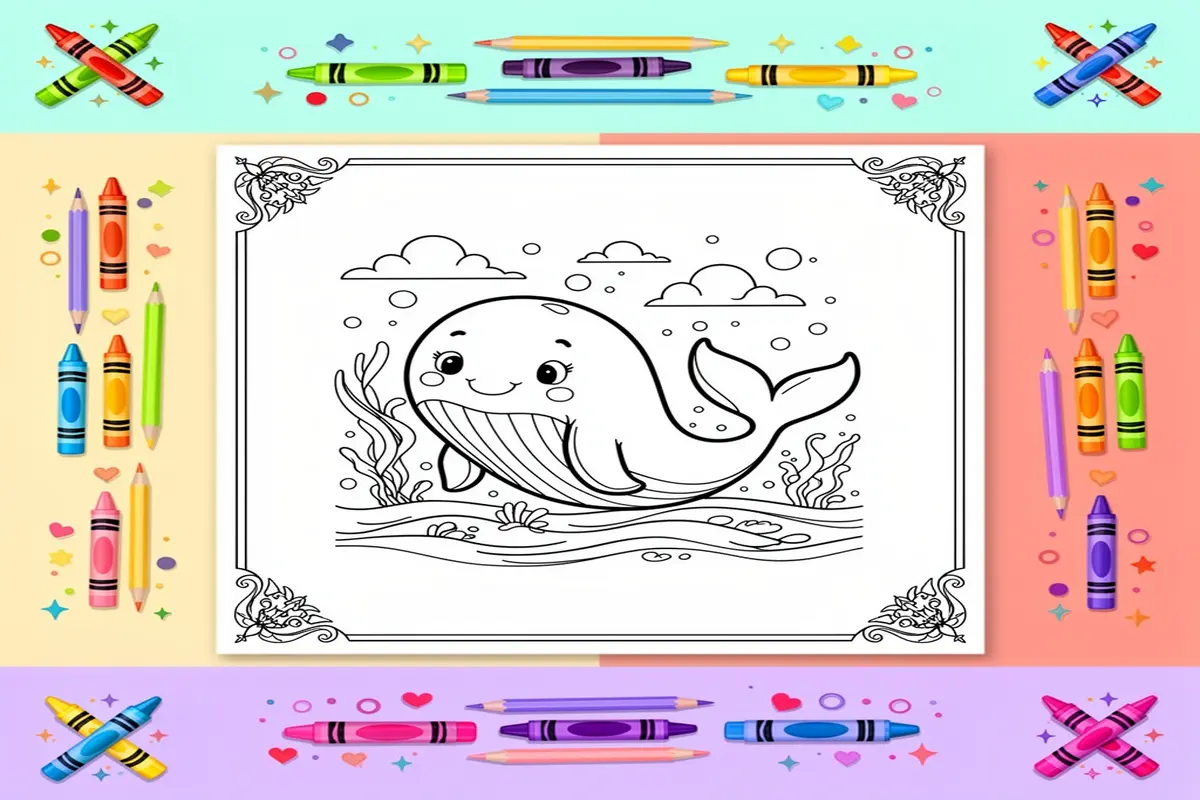
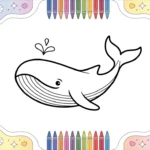
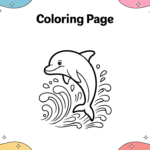
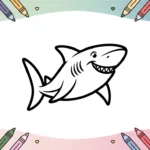
Imagine the quiet focus of a child, crayon in hand, as they bring to life the majestic arc of a humpback whale or the intricate tentacles of a curious octopus. This simple act is more than just play; it’s a portal to a vast, blue universe teeming with life and mystery. Ocean coloring pages for kids offer a unique blend of artistic expression and educational exploration, transforming a blank page into a vibrant underwater seascape limited only by imagination. From the gentle glide of a sea turtle to the powerful presence of a great white shark, each illustration invites young artists on a journey. It’s an accessible adventure that fosters creativity, enhances fine motor skills, and instills a sense of wonder for our planet’s most fascinating ecosystem. As a foundational activity, these pages serve as a perfect springboard into broader topics of marine biology and conservation. For a delightful start, consider our collection of free dolphin coloring pages, featuring one of the ocean’s most intelligent and playful ambassadors.
Beneath the Surface: The Psychology & Universal Appeal
The Calming Current: Coloring as a Mindful Practice
In our fast-paced digital age, the rhythmic, repetitive motion of coloring provides a rare oasis of calm. Ocean coloring pages for kids are particularly effective, as the subject matter itself—flowing waves, drifting jellyfish, serene coral gardens—evokes tranquility. This focused activity allows the mind to enter a state of flow, reducing anxiety and improving concentration. It’s a non-verbal form of mindfulness where the choice between cerulean and teal for the deep sea becomes a gentle exercise in decision-making and presence, offering a therapeutic break for children and adults alike.
A Timeless Voyage: Art, Education, and Cultural Connection
The allure of the sea is etched into human history, from ancient navigators to modern marine scientists. Ocean-themed art has always been a way to document, understand, and mythologize the unknown depths. Today’s ocean coloring pages for kids continue this tradition, acting as a cultural canvas that bridges simple art with STEM learning. As children color a leatherback sea turtle or a camouflaging octopus, they unconsciously absorb lessons in anatomy, adaptation, and biodiversity. This fusion of art and science makes coloring a powerful, informal educational tool that has evolved from classic illustrated naturalist journals to the printable pages we use today.
Designed for All Hands: From Toddlers to Budding Marine Biologists
The true genius of a well-curated ocean coloring collection lies in its inclusivity. Whether a toddler is making bold, joyful strokes on a friendly clownfish or an older child is meticulously shading the detailed patterns of a leopard shark, there is a page to match every skill level and interest. This scalability ensures that the activity grows with the child, continually offering an appropriate challenge. It validates every artist’s effort, building confidence with each completed scene. The expansive diversity of ocean life—from the simple shapes of a crab to the complex beauty of a coral reef—guarantees that every young explorer can find a creature that captures their curiosity and fuels their creative journey.
Professional Materials & Preparation for Ocean Coloring Pages for Kids
To ensure a smooth and enjoyable coloring session, proper preparation is key. Having the right materials on hand transforms simple ocean coloring pages for kids from a quick activity into an immersive artistic experience that can enhance fine motor skills and color recognition. This guide outlines the essential toolkit for parents and educators.
The Foundation: Selecting Premium Paper for Ocean Scenes
The paper you choose directly impacts the final result of your child’s artwork. For standard printing of ocean coloring pages for kids, a bright white, smooth cardstock (around 120-160 GSM) is ideal. This weight prevents bleed-through from markers and allows for repeated layering with colored pencils without tearing. If you plan to use wet mediums like watercolor pencils or thin markers, consider upgrading to a mixed-media or marker-specific paper. For a thematic twist, printing on light blue or aqua-tinted paper can instantly create an underwater ambiance for pages featuring dolphins or schools of fish, adding an extra layer of creative fun.
Best Coloring Tools: Markers, Pencils, and Crayons Compared
Each coloring medium offers a different experience and finish for ocean-themed art.
Colored Pencils: Excellent for detail and control, perfect for adding texture to a shark’s skin or the intricate patterns on a leatherback sea turtle coloring page. Look for pencils with soft, blendable cores. They allow for subtle shading in coral reefs and gradient ocean depths.
Markers: Provide vibrant, solid blocks of color ideal for making bold jellyfish or bright tropical fish stand out. Use alcohol-based markers for professional, bleed-free blends, or opt for high-quality water-based markers for easier cleanup. Always test on a corner first to check for bleed-through.
* Crayons: The classic choice for younger children. Their waxiness can create interesting effects for bubbly water textures or wavy sunlight filtering through the ocean. While less precise, they are durable and excellent for broad, expressive coloring.
Finishing Touches: Gel Pens, Highlights, and Special Effects
Elevate the artwork with details that make the ocean scene pop. Metallic or glitter gel pens are fantastic for adding shimmering scales to fish, highlights on bubbles, or moonlight reflecting on waves. White gel pens can be used to create ocean foam, detailed seahorse features, or stars in a night-sea scene. For a collaborative project, consider adhesive gems or iridescent stickers to adorn mermaid tails or treasure chests. These special touches encourage creativity and give children immense pride in their finished masterpiece.
Perfect Workspace: Ergonomic Setup and Creative Lighting
A well-prepared space fosters focus and creativity. Ensure the coloring area has ample, natural light or a bright, neutral-white LED lamp to reduce eye strain and show true colors. The seating should support good posture—feet flat on the floor and the table at elbow height. Use a clipboard or a hard surface if working at a kitchen table. Keep materials organized in cups or trays, and always lay down a protective mat or newspaper. Playing soft, ambient ocean sounds in the background can wonderfully set the mood for exploring ocean coloring pages for kids, making the activity fully immersive.
Part 3: Elevating Your Child’s Art: Advanced Techniques for Ocean Coloring Pages for Kids
Diving into ocean coloring pages for kids offers more than just a fun activity; it’s a fantastic opportunity to introduce foundational art concepts. By moving beyond simple flat colors, children can learn to create stunning, dimensional underwater scenes that boost their confidence and artistic skills. This guide will equip parents and teachers with simple, actionable techniques to help young artists transform their pages.
Harmonious Palettes: Color Theory for Ocean Scenes
Understanding basic color relationships can make an ocean scene come alive. For a vibrant, realistic look, guide your child toward using analogous colors—those next to each other on the color wheel. For a coral reef, this could mean blending pinks, reds, and oranges. For the open water, try different shades of blue and green. Introduce complementary colors (opposites on the wheel) for exciting contrast, like using orange on a blue fish coloring page to make certain details pop. This teaches planning and creates visually striking results.
From Flat to 3D: Mastering Simple Shading
Shading is the secret to turning a flat shape into a three-dimensional creature. Demonstrate how to imagine a light source (like the sun at the water’s surface). The side closest to the light is lighter, and the opposite side is darker. Start with a dolphin coloring page: color the entire dolphin a base gray, then apply gentle pressure to add a darker gray along its lower belly and back. Use the lightest pressure or leave white highlights along its top. This simple step-by-step approach instantly adds believable form and depth to their artwork.
Adding Realism: Creating Ocean Textures
The ocean is full of unique textures, and rendering them is an engaging challenge. For a shark coloring page, show how short, directional strokes can mimic sleek, wet skin. For a rocky seabed or shell, use small, tight circles or dots (stippling) to create a rough, gritty feel. To depict flowing seaweed or a jellyfish’s tentacles, try long, smooth, curving lines. Encouraging different mark-making techniques not only adds realism but also improves fine motor control and patience.
The Art of Correction: Graceful Fixes for Coloring Errors
Mistakes are part of the creative process! Teach children that there’s always a solution. If they color outside the lines, they can incorporate the “mistake” as a shadow or a bubble in the water. For a color that’s too dark, they can lightly layer a lighter color on top (if using colored pencils) to blend and adjust it. If they feel a section is too plain, they can add patterns or textures over it. This mindset turns potential frustration into creative problem-solving. For more intricate subjects where practice is helpful, printable pages like detailed leopard coloring pages or elephant coloring pages offer great opportunities to experiment with these correction techniques without pressure.
Showcasing Your Ocean Coloring Pages for Kids: Creative Display Ideas
The fun doesn’t end when the last crayon is put down! Displaying your child’s finished ocean coloring pages for kids boosts their confidence and brings a splash of underwater joy to your home. Here are inspiring ways to celebrate their artistic voyage.
Preserving Your Masterpiece: Archival Tips
To ensure those vibrant sea creatures last, consider simple preservation methods. For special pieces, use acid-free sheet protectors in a binder to create a personal gallery. Laminating pages makes them durable for placemats or reusable art. For a classic look, frame a favorite piece with a colorful mat. Storing flat art portfolios are perfect for keeping a collection of masterpieces, from detailed Leatherback Sea Turtle Coloring Pages to schools of fish, wrinkle-free and ready to revisit.
Beyond Display: Creative DIY Projects
Transform completed pages into meaningful crafts. Create unique greeting cards by folding a colored page in half, or laminate and cut out sea creatures to make custom bookmarks. For a festive touch, string together a banner of different ocean animals for a bedroom or party decoration. These projects not only extend the creative activity but also result in heartfelt, handmade gifts that family will treasure.
Your Ocean Coloring Pages for Kids Questions Answered
Where can I find free ocean coloring pages?
You can find a wonderful variety of free, printable ocean coloring pages for kids on dedicated educational and activity websites like Safari Coloring. These sites offer everything from friendly dolphins and majestic whales to intricate coral reefs, all available for instant download and printing at home, providing endless underwater exploration.
What are the benefits of coloring for kids?
Coloring boosts fine motor skills and hand-eye coordination as children practice staying within lines. It fosters creativity, color recognition, and focus. It’s also a fantastic, screen-free calming activity that can reduce anxiety and improve concentration, making it a beneficial practice for both cognitive development and emotional well-being.
How do you color the ocean water?
For realistic ocean water, use layers of different blues and greens. Start with a light base color, then add gentle, wavy streaks of darker shades to suggest movement and depth. Leaving some white spaces can mimic sunlight reflecting off the waves or sea foam, bringing your ocean coloring pages for kids to life with dynamic energy.
How to print coloring pages for free?
To print coloring pages for free, find a reputable website offering PDF downloads. Ensure your printer has paper and ink, then open the file and select “Print.” In your printer settings, choose “Black and White” or “Grayscale” to save color ink if the page is just outlines. Always preview to check the page fits correctly.
Is coloring good for fine motor skills?
Absolutely. Coloring is excellent for developing fine motor skills. The precise grip and controlled movements required to maneuver a crayon or colored pencil strengthen the small muscles in the hands and fingers. This practice is foundational for later skills like handwriting, buttoning clothes, and using utensils effectively.
Final Thoughts: Your Ocean Coloring Pages for Kids Journey Begins
Embarking on the world of ocean coloring pages for kids is more than just an activity; it’s a gateway to creativity, learning, and quality time. From the moment your child chooses their first sea creature to color to the pride of displaying their finished masterpiece, this journey nurtures essential skills and sparks a sense of wonder for the natural world. These pages offer a peaceful harbor from daily routines, encouraging mindfulness and artistic expression. We hope this guide has inspired you with new ideas for printing, creating, and celebrating your young artist’s underwater adventures.
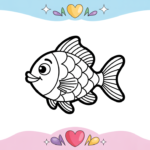
Ready for your next adventure? Explore our Fish Coloring Pages to dive even deeper into the colorful world beneath the waves!