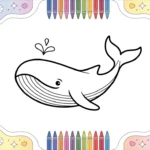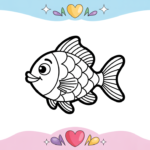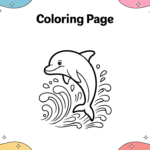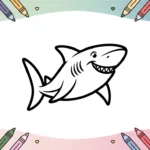
We offer a wide collection of free, high-quality printable coloring pages for kids and adults. From cute animals to intricate mandalas, our designs bring creativity and relaxation to everyone. Download, print, and start coloring today!

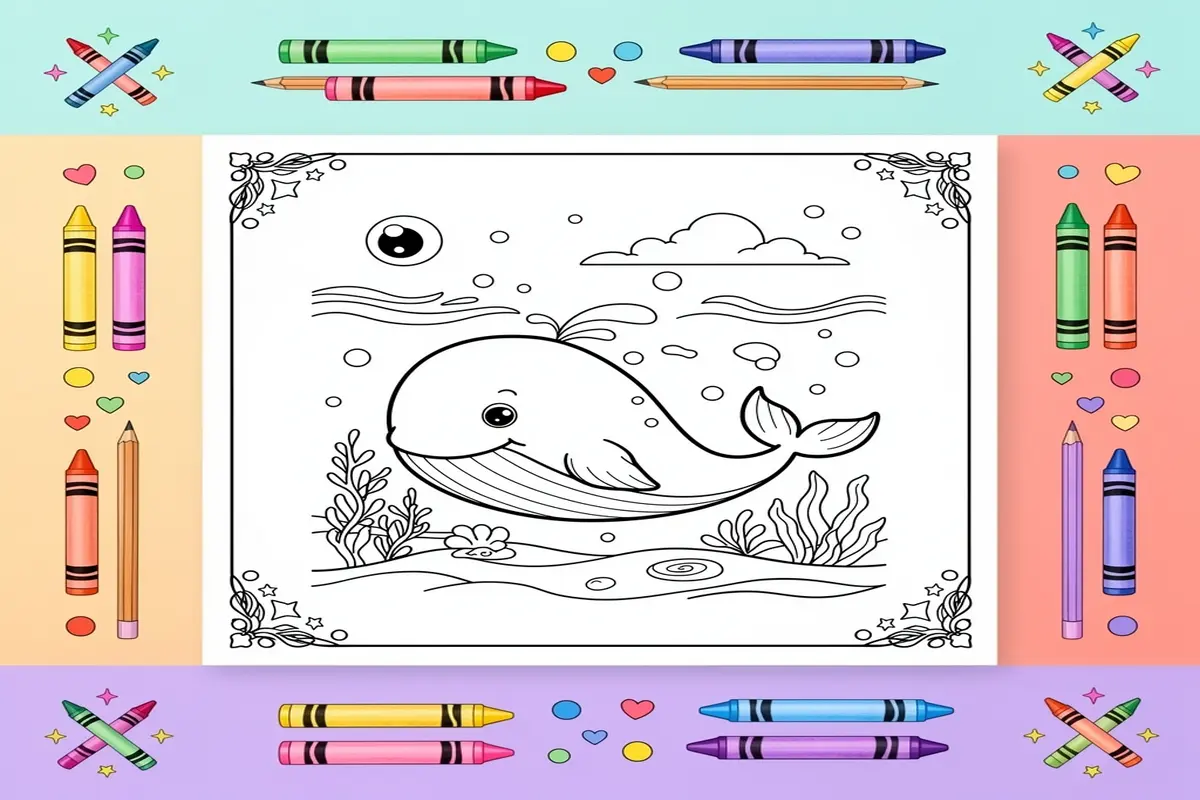
Imagine a world where creativity flows as freely as the tide, where a simple page becomes a canvas for the boundless wonders beneath the waves. For children, the act of coloring is more than just a pastime; it’s a journey of discovery, a quiet moment of focus, and a joyful expression of their inner world. Ocean coloring pages for kids offer a uniquely captivating gateway into this experience, merging artistic play with a sense of awe for our planet’s most mysterious ecosystem. From the gentle arc of a dolphin’s leap to the intricate patterns on a sea turtle’s shell, these pages invite young artists to explore a vibrant underwater universe, one color at a time. As they bring scenes of coral reefs and deep-sea creatures to life, they’re not only developing fine motor skills but also forging a personal connection with marine life. This makes finding the perfect ocean coloring pages for kids an adventure in itself, leading to treasures like our collection of free dolphin coloring pages, where playful mammals await their colorful transformation.
The Allure of the Abyss: Why the Ocean Captivates Young Minds
The Psychology of Blue: Calm, Focus, and Creative Flow
The color blue, dominant in any oceanic scene, is psychologically linked to feelings of calm, stability, and peace. When children engage with ocean coloring pages for kids, they are subtly immersed in this soothing palette, which can help quiet a busy mind and improve concentration. The repetitive, mindful motion of coloring within the lines of a waving seagrass bed or a whale’s mighty fluke acts as a form of active meditation. It builds focus, reduces anxiety, and provides a non-digital space for children to process their day, making these pages a powerful tool for emotional regulation and creative expression.
A Living Classroom: Education Disguised as Fun
Every page is a stealth lesson in marine biology and ecology. Is a shark a menacing grey or a more realistic slate blue? Should a clownfish be bright orange to match its anemone home? As children make these decisions, they engage with the real-world characteristics of ocean dwellers. This sparks natural curiosity, leading to questions about habitats, ecosystems, and conservation. Coloring a leatherback sea turtle or a complex coral reef isn’t just an art project; it’s an invitation to learn about biodiversity, symbiosis, and the importance of protecting our oceans, turning a fun activity into a foundational educational experience.
Designed for Every Young Explorer: From Toddlers to Tweens
The beauty of ocean coloring pages for kids lies in their incredible range. For little hands just learning to grip a crayon, simple, bold outlines of friendly fish or a smiling crab provide the perfect starting point. Older children, seeking more of a challenge, can lose themselves in detailed panoramas of submarine landscapes teeming with life, or realistic anatomical drawings of a great white shark. This scalability ensures that every child, regardless of skill level, can find a page that meets them where they are, fostering a sense of accomplishment and encouraging artistic growth as their abilities evolve.
Part 2: Professional Supplies for Ocean Coloring Pages for Kids: Your Complete Toolkit
To ensure your young artist gets the most out of their ocean coloring pages for kids, having the right materials is as important as choosing a great design. The proper tools can transform a simple activity into a vibrant, engaging, and skill-building experience. This section details the essential supplies, from foundational paper to specialized tools, to prepare for a successful and enjoyable coloring session.
The Foundation: Choosing Paper for Ocean Coloring Pages for Kids
The paper you select directly impacts the final artwork and the child’s experience. For standard crayon or colored pencil work, a smooth, bright white paper around 100-120 GSM (grams per square meter) provides a good balance of affordability and quality, preventing frustrating tears. If your child prefers markers, seek out heavyweight (120+ GSM) or specifically labeled “marker paper” to prevent bleed-through to the next page. For a truly immersive project, consider printing your chosen ocean coloring pages for kids on watercolor paper. Its textured, thick surface allows for experimentation with water-based markers or diluted paints, perfect for creating beautiful, blended seascapes and underwater effects. A high-quality paper elevates the entire process and makes the finished piece something to proudly display.
Best Coloring Tools: Markers vs. Pencils
The core coloring medium defines the artwork’s style and complexity. Colored pencils, particularly wax-based sets, offer excellent control for detailed areas like fish scales or intricate coral patterns. They are less messy and allow for easy layering and shading, teaching children about color blending and pressure sensitivity. For broader, more vibrant coverage of large underwater scenes, markers are ideal. Alcohol-based markers provide seamless, bleed-free blends ideal for creating gradient ocean depths, but they are a more professional and costly option. For most families, high-quality water-based markers are a superb choice. They offer vibrant color and are generally washable. A dual approach often works best: using pencils for fine details and markers for bold, sweeping backgrounds. For a wide variety of sea creature templates, our collection of fish coloring pages offers perfect practice for both mediums.
Finishing Touches: Gel Pens & Highlighting Tools
The magic of the ocean is often in its shimmer and light. This is where specialty tools come into play. Gel pens, especially in metallic silver, gold, and iridescent colors, are fantastic for adding details like bubbles, sunbeams piercing the water, or the shiny scales on a dolphin. White gel pens are indispensable for creating foam on waves, highlights on wet animal skins, or tiny starfish details. For a softer effect, consider a set of pastel pencils or chalk to blend beautiful sunset skies above the ocean or gentle water gradients. These “finishing touch” tools encourage creative problem-solving and add a professional flair to the completed ocean coloring pages for kids, boosting a child’s sense of accomplishment.
Perfect Workspace: Lighting & Ergonomics
Preparation extends beyond physical supplies to the environment. Proper lighting is crucial to reduce eye strain and allow for accurate color perception. Position the workspace to utilize natural daylight if possible, supplementing with a bright, white LED desk lamp to eliminate shadows. Ergonomics are equally important for young artists. Ensure the chair and table height allow the child’s feet to rest flat on the floor (or a stool) with elbows bent at roughly 90 degrees. A slanted drawing board or a binder propped under the paper can improve posture and provide a better drawing angle. Keep supplies organized within easy reach in cups or trays, and always protect the work surface with a large craft mat or newspaper. A well-prepared space fosters longer, more focused, and comfortable creative sessions.
Part 3: Elevating Your Art: Pro Techniques for Ocean Coloring Pages for Kids
Ready to transform simple outlines into stunning underwater masterpieces? This guide moves beyond basic filling to explore professional techniques that will make your ocean coloring pages for kids come alive with depth, realism, and creativity. Let’s unlock the artistic potential in every page.
Harmonious Palettes: Color Theory for Ocean Scenes
Understanding basic color theory can turn a good coloring page into a great one. For ocean coloring pages for kids, think in terms of harmony. Use analogous colors (colors next to each other on the wheel, like blues, greens, and blue-violets) to create a serene, cohesive underwater background. Introduce pops of complementary colors (opposites on the wheel) for dramatic effect—a bright orange seahorse against a deep blue sea, or vibrant pink coral amidst green seaweed. This contrast makes key elements leap off the page.
From Flat to 3D: Mastering Shading for Depth
Shading is the magic trick that adds volume. Imagine your light source is at the water’s surface. Areas of a creature or object facing upward will be lighter, while sides and undersides will be darker. Start by coloring an entire shape with a base color lightly. Then, apply a second, slightly darker layer to the areas away from the “light.” For a smooth gradient, use a blending tool, a cotton swab, or simply layer your colored pencil gently. Practice this on a rounded shell or the body of a dolphin to see the 3D effect emerge.
Adding Realism: Texture Techniques for Ocean Life
Each ocean creature has a unique texture. Here’s how to mimic them:
Smooth & Sleek: For dolphins or whales, use long, continuous strokes in one direction with a well-sharpened pencil for a glossy, wet look.
Scaly & Rough: For fish or lobsters, create texture with small, overlapping “C” or “U” shapes. Outline individual scales lightly, then shade within them.
Translucent & Wavy: For jellyfish or sea anemones, use very light pressure and layer soft, wavy lines. Leave white space to suggest transparency and light passing through.
Spiky & Detailed: For sea urchins or coral, use short, sharp, directional strokes radiating from a central point.
The Art of Correction: Gracefully Fixing Coloring Errors
Mistakes are part of the process! A stray mark outside the lines can often be integrated—turn it into a tiny bubble, a speck of sand, or a distant fish. For larger smudges or color bleeds, try using a white gel pen to redraw lines or create highlights over the error. If an area becomes too dark, gently lift color with a sticky-tack eraser. The key is not to strive for perfection but for joyful creation. Every “oops” is an opportunity to add more detail to your underwater world.
By applying these techniques, your ocean coloring pages for kids will become dynamic works of art, teaching valuable lessons about light, texture, and color while providing immense creative satisfaction.
Showcasing Your Ocean Coloring Pages for Kids: Creative Display Ideas
Once the final splash of color is added, the fun continues! Transforming finished pages into cherished keepsakes is a rewarding part of the creative journey. Here are inspiring ways to celebrate your child’s artwork.
Preserving Your Masterpiece: Archival Tips
To ensure those vibrant ocean scenes last, consider simple preservation. For special pieces, use acid-free sheet protectors in a binder to create a personal gallery. Laminating pages makes them durable for placemats or reusable art. For a classic look, frame a favorite piece with a colorful mat. This not only protects the art but also shows your child that their creative effort is valued and worthy of display.
Beyond Display: Creative DIY Projects
Turn colored pages into functional art and heartfelt gifts. Create unique greeting cards by cutting out colored sea creatures and gluing them onto folded cardstock. Laminate and cut out smaller designs to make beautiful bookmarks. For a fun mobile, string together colored fish, jellyfish, and dolphins from different pages. You can also decoupage them onto a treasure box or pencil case, giving everyday items a personalized, underwater theme.
Your Ocean Coloring Pages for Kids Questions Answered
Diving into an underwater art project often brings up practical questions. Here are clear answers to help you and your young artists get the most out of your ocean coloring pages for kids.
What are the benefits of coloring for kids?
Coloring is far more than just play. It strengthens fine motor skills and hand-eye coordination, building a foundation for writing. It also fosters creativity, color recognition, and focus. As a calming, screen-free activity, it helps children manage emotions and practice patience, making it a wonderful tool for both development and relaxation.
Where can I find free printable coloring pages?
You can find a vast selection of high-quality, free printable ocean coloring pages for kids right here on our website! We offer countless themes, from dolphins and sharks to intricate ocean scenes. Simply browse our library, select your favorite designs, and download them instantly for endless coloring fun at home or in the classroom.
How do you color realistic water?
Achieving realistic water is all about layering shades. Start with a light blue base. Then, using sideways strokes, add darker blues and greens in wavy lines to suggest movement and depth. Leave some white areas for light reflection and foam. Lightly blending colors with a colored pencil or by gentle overlapping can create a beautiful, fluid effect that brings your ocean to life.
What are interesting facts about the ocean for kids?
The ocean is full of wonders! It produces over half of the world’s oxygen. The Mariana Trench is the deepest point, deeper than Mount Everest is tall. Jellyfish have been around longer than dinosaurs. Exploring these facts while coloring specific creatures, like in our ocean coloring pages for kids, makes learning interactive and memorable.
How to print coloring pages?
Printing is easy! Ensure you have paper in your printer. After downloading your chosen page, open the file and select “Print.” For best results, check your printer settings: use “Best” or “High Quality” print mode and select “Fit to Page.” Standard letter-sized (8.5″x11″) paper works perfectly for most designs.
Final Thoughts: Your Ocean Coloring Pages for Kids Journey Begins
The journey through the deep blue with ocean coloring pages for kids is about so much more than staying inside the lines. It’s a gateway to creativity, a quiet moment of focus, and a joyful exploration of our planet’s most magnificent ecosystem. Each page completed is a celebration of your child’s growing skills and imagination, resulting in artwork you’ll both be proud to display or share.
We hope this guide has inspired you with new ideas for displaying artwork and answered your questions, making every coloring session smooth and enjoyable. Remember, every stroke of color is a step in a creative adventure that builds confidence and happy memories. Ready for your next adventure? Explore our dolphin coloring pages to continue the underwater fun!