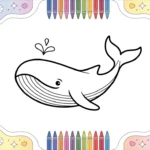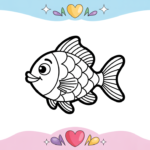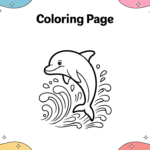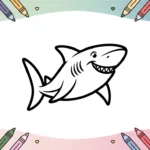
We offer a wide collection of free, high-quality printable coloring pages for kids and adults. From cute animals to intricate mandalas, our designs bring creativity and relaxation to everyone. Download, print, and start coloring today!

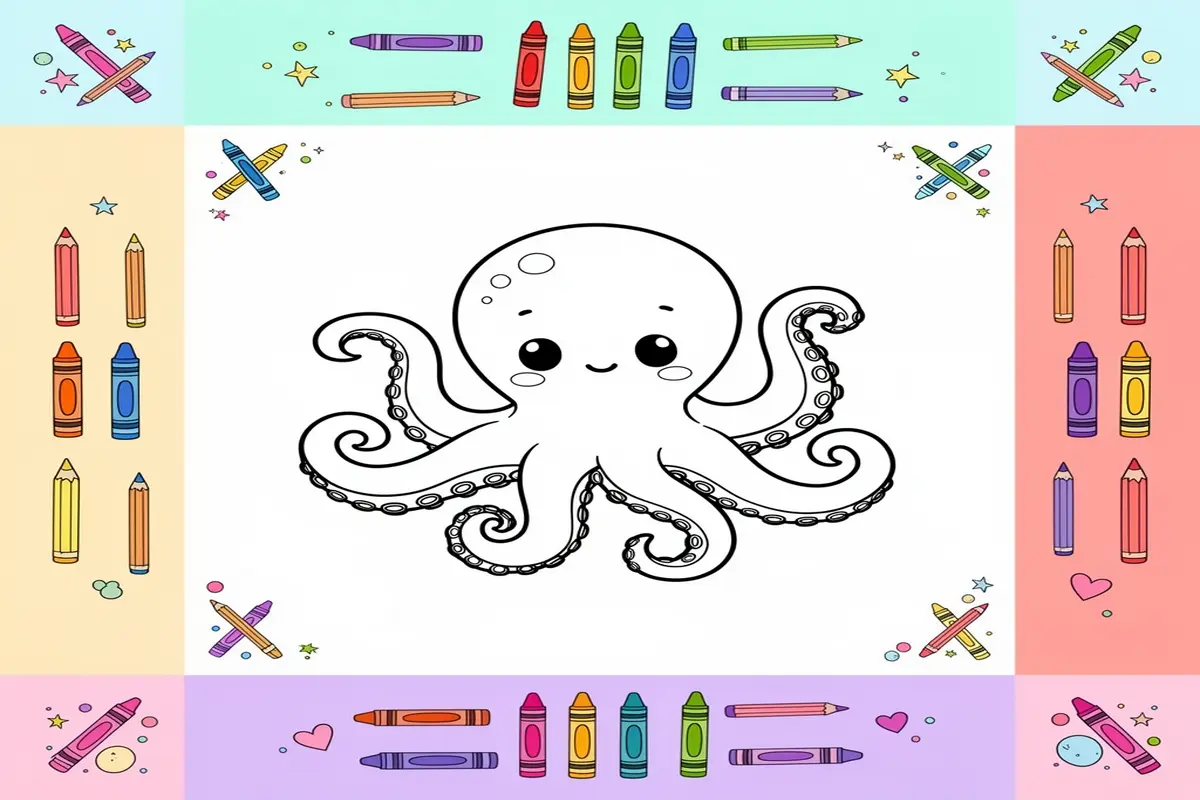
In a world of screens and digital noise, the simple act of coloring offers a profound sanctuary for young minds. It’s a tactile, imaginative journey back to the fundamentals of creativity, where a blank page transforms into a universe of possibility. When that page features the fluid, fascinating form of an octopus, the adventure becomes truly magical. octopus coloring pages for kids are not just another activity; they are a gateway to the mysteries of the deep blue sea, inviting children to explore color, texture, and biology through art. The octopus, with its eight graceful arms and intelligent eyes, provides a uniquely engaging subject that sparks curiosity and wonder far beyond the crayon box.
This creative exploration offers more than just fun. It builds fine motor skills, encourages color recognition, and provides a calming, focused outlet for energy and emotion. As part of a broader oceanic theme, these pages connect naturally to other sea creatures, allowing for expansive underwater narratives. For instance, after coloring a clever octopus, a child might be inspired to discover the majestic giants of the ocean with our free whale coloring pages. The journey through octopus coloring pages for kids is the first step into a vast, colorful aquatic world waiting to be brought to life.
Part 1: The Eight-Armed Muse: Psychology & Universal Appeal
The Calming Tentacles: Mindfulness in Motion
Why does the act of coloring, particularly intricate subjects like an octopus, hold such therapeutic power? The answer lies in the psychology of focused attention. The detailed contours of tentacles, the patterns of suckers, and the shape of a mantle require a gentle concentration that naturally quietens a busy mind. For children, this focused state is a form of play-based mindfulness, reducing anxiety and improving emotional regulation. The very structure of octopus coloring pages for kids—with their flowing lines and organic shapes—guides the hand and mind into a rhythmic, soothing flow, making them an excellent tool for developing coping skills and peaceful moments.
From Ancient Symbol to Modern Canvas: A Cultural Dive
The octopus is far more than a sea creature; it is a symbol woven into the fabric of human culture. From the intricate pottery designs of ancient Minoans to the mythical Kraken of Nordic legends, this intelligent invertebrate has long represented mystery, adaptability, and complexity. By engaging with octopus coloring pages for kids, children unknowingly connect with this rich tapestry of stories and art across civilizations. It’s a subtle introduction to natural history and mythology, transforming a coloring session into a cultural exploration. The octopus’s ability to change color and shape in its environment becomes a metaphor for a child’s own creative adaptability on the page.
Designed for All Hands: Inclusivity Across Skill Levels
The beauty of octopus-themed art lies in its incredible versatility. For the youngest artists, a cute, cartoon-style octopus with big eyes and simple shapes offers a friendly and approachable subject, ensuring success and boosting confidence. For older children or those seeking a challenge, realistic illustrations showcasing detailed textures and anatomical accuracy provide a rewarding test of skill and patience. This range ensures that octopus coloring pages for kids are a universally inclusive activity, meeting each child at their developmental stage. Whether a toddler is practicing grip or a pre-teen is experimenting with shading techniques, the eight-armed muse adapts, offering a perfect creative challenge for every age and ability.
Professional Materials & Preparation for octopus coloring pages for kids
To ensure a successful and enjoyable coloring session with octopus coloring pages for kids, proper preparation is key. Having the right materials on hand transforms a simple activity into a rich, creative experience that enhances fine motor skills and artistic confidence. This section details the essential toolkit, from foundational paper to specialized tools, helping parents and educators create an optimal environment for young artists to bring their eight-armed friends to life.
The Foundation: Selecting Premium Paper for octopus coloring pages for kids
The paper choice profoundly impacts the final artwork. For standard crayons and colored pencils, a smooth, bright white paper with a weight of 100-120 GSM (grams per square meter) prevents bleed-through and provides a sturdy surface for layering. If children are using markers, especially alcohol-based ones, seek out heavyweight marker paper (around 160 GSM) or bleed-proof paper specifically designed to contain ink. For a mixed-media approach with watercolor pencils or light paints, cold-press watercolor paper (140 GSM+) offers a textured surface that holds pigment beautifully, allowing kids to experiment with blending colors for a dynamic ocean scene. When printing your octopus coloring pages for kids, ensure your printer settings match the paper type for crisp, clean lines.
Best Coloring Tools: A Detailed Medium Comparison
The choice between markers, pencils, and crayons defines the artistic outcome.
Colored Pencils: Ideal for detail and control, perfect for intricate tentacle suction cups. Wax-based pencils (e.g., Crayola) offer smooth application, while oil-based (e.g., Faber-Castell) allow for superior blending and layering. They are less messy and encourage patience and precision.
Markers: Provide vibrant, solid blocks of color. Water-based markers are washable and excellent for younger children, while fine-tip alcohol markers (used with supervision) offer professional, blendable results without streaking. Be mindful of potential bleed-through on thinner paper.
* Crayons: The classic choice for young hands, offering durability and ease of use. They encourage broad strokes and are perfect for filling larger areas, though they lack the fine detail of pencils. For a richer experience, consider high-pigment beeswax crayons.
For the most realistic effects on octopus coloring pages for kids, a hybrid approach often works best: markers for bold base colors and pencils for detailed shading and texture.
Finishing Touches: Gel Pens, Highlights, and Embellishments
Elevate the completed artwork with special effects. White or metallic gel pens are invaluable for adding highlights to the octopus’s eyes, creating shimmering bubbles, or drawing light reflections on wet skin. Glitter glue (in moderation) can add a playful, textured sparkle to coral or treasure chests in the scene. For a mixed-media underwater adventure, consider safe, child-friendly adhesives to attach sequins or tissue paper for a three-dimensional effect. These tools empower children to add personal flair and narrative to their creations, moving beyond simple flat coloring.
Perfect Workspace: Ergonomic Setup and Optimal Lighting
A well-prepared workspace maximizes comfort and focus. Ensure the coloring surface is stable and at an appropriate height to prevent slouching; a tilted desk or a binder propped under the paper can improve posture and reduce fatigue. Natural, diffused daylight is the ideal lighting condition, accurately revealing colors and minimizing eye strain. If artificial light is necessary, a high-CRI (Color Rendering Index) LED desk lamp provides clear, shadow-free illumination. Keep materials organized within reach using cups for tools and a flat area for the octopus coloring pages for kids. Pair this activity with other oceanic themes by exploring our collection of fish coloring pages for a comprehensive underwater project. Finally, protect the work surface with a washable mat or newspaper, and have a damp cloth handy for quick clean-ups, ensuring the creative process remains stress-free for everyone.
Mastering Octopus Coloring Pages for Kids: Advanced Artistic Techniques
Ready to transform your child’s coloring from simple fills into vibrant, textured masterpieces? These advanced techniques, tailored for octopus coloring pages for kids, will unlock a new level of creativity and skill development. By moving beyond basic coloring, children learn valuable art fundamentals, boost their confidence, and create stunning artwork they’ll be proud to display. Let’s dive into the methods that will bring these eight-armed wonders to life.
Harmonious Palettes: Color Theory for Underwater Scenes
Understanding simple color relationships can make an octopus scene pop. For a realistic look, use analogous colors—those next to each other on the color wheel. An octopus could be shaded with blues, purples, and blue-greens, mimicking how light filters through water. For a dynamic, eye-catching creation, teach the use of complementary colors. Imagine a bright orange octopus against a deep blue ocean background; these opposites create exciting contrast. Don’t forget to explore the vibrant neighbors in our collection of fish coloring pages and jellyfish coloring pages to practice building a cohesive underwater ecosystem with color.
From Flat to 3D: Mastering Light and Shadow
Shading is the secret to making a tentacle look round and muscular. First, decide where your light source is (e.g., the top of the page). The areas directly facing the light are lightest. Then, using gradual pressure, add medium tones to the sides. Finally, apply the darkest shades to the underside of the tentacles and the spaces between them. Encourage kids to use the side of their pencil crayon or crayon for smooth gradients. This step-by-step approach turns a flat shape into a creature with believable form and volume, a technique that works wonderfully on octopus coloring pages for kids.
Adding Realism: Creating Unique Textures
An octopus’s skin is a canvas of textures! To create a bumpy, mottled look, try stippling: using tiny dots with a fine marker or sharp colored pencil. For the suction cups on its arms, small, light circles with a dark center work perfectly. For a smoother, wet-looking sheen, use heavy, even pressure with wax crayons or oil pastels, then blend with a fingertip (over a scrap paper to avoid smudges). The surrounding scene offers texture practice too—use short, scribbly strokes for sandy ocean floors or wavy lines for flowing seaweed.
The Art of Correction: Graceful Fixes for Common Mistakes
Mistakes are part of the artistic process. If a color goes outside the lines, don’t panic! Often, the background can be colored right up to the edge to clean it up. For small smudges, a white gel pen or a carefully applied bit of white crayon can act as an eraser for colored pencils. If a chosen color isn’t working, try layering another color on top; a purple can tone down a too-bright yellow, for instance. The key is to stay flexible and creative. These problem-solving skills build resilience, making every session with octopus coloring pages for kids a positive learning experience.
Showcasing Your octopus coloring pages for kids: Creative Display Ideas
Once your young artist has completed their masterpiece, the fun doesn’t have to stop! Displaying their work builds confidence and turns their creativity into a cherished part of your home. Here are inspiring ways to celebrate their colorful octopus creations.
Preserving Your Masterpiece: Archival Tips
To ensure those vibrant tentacles stay bright, consider simple preservation methods. For a lasting display, use acid-free tape or photo corners to mount the artwork on colored cardstock before framing. Laminating sheets are a quick, durable option for refrigerator art or placemats. For a special portfolio, store finished octopus coloring pages for kids in a large, flat artist’s binder, creating a growing gallery of their underwater adventures alongside other sea animals coloring pages.
Beyond Display: Creative DIY Projects
Transform colored pages into meaningful gifts and keepsakes. Carefully cut out the octopus shape to create a unique bookmark or gift tag. Adhere the artwork to a folded cardstock blank for a one-of-a-kind greeting card. For a playful room decoration, punch holes and string several pages together to make a whimsical oceanic bunting. You can even decoupage them onto a small treasure box, preserving the artwork in a functional, beautiful way.
Your octopus coloring pages for kids Questions Answered
What color is a real octopus?
Real octopuses are masters of disguise! While many are commonly reddish-brown, they can be almost any color—gray, yellow, blue, and even vibrant purple. Their skin contains special cells called chromatophores that allow them to change color and texture in a blink to camouflage, communicate, or express mood, making them one of the ocean’s most fascinating creatures.
How do you draw a simple octopus?
Start with a large oval or circle for the head. Then, draw eight long, curvy lines extending outwards for the tentacles. Connect the tentacles at the base with wavy lines. Add a friendly smile and two big, round eyes. Finally, draw small circles (suckers) along the underside of each arm. It’s a simple, fun shape perfect for kids to customize on their octopus coloring pages for kids.
What are the benefits of coloring for kids?
Coloring boosts fine motor skills and hand-eye coordination as children practice staying within lines. It fosters creativity and color recognition while providing a calming, focused activity that can reduce anxiety. It’s also a wonderful screen-free way for kids to express emotions and build concentration, making octopus coloring pages for kids both fun and developmentally valuable.
Do octopuses change color?
Yes! Octopuses are famous for their ability to change color and even skin texture almost instantly. They do this using thousands of specialized cells in their skin. This incredible skill is primarily used for camouflage to hide from predators, but also to communicate with other octopuses and to reflect their mood, such as turning white when frightened.
How to print free coloring pages?
Printing free coloring pages is easy! First, find a reputable website like ours that offers high-quality, downloadable pages. Click on your chosen design, such as an octopus, to open the full-size image. Then, select the “Print” option from your browser’s menu or right-click to save the image to your computer first. Ensure your printer has paper and ink, select “Fit to Page,” and you’re ready to go!
Final Thoughts: Your octopus coloring pages for kids Journey Begins
The journey with octopus coloring pages for kids is about so much more than just filling in lines. It’s an invitation to explore a mysterious underwater world, spark curiosity about amazing marine life, and create quiet moments of joyful accomplishment. Each page completed is a celebration of your child’s growing skills and vibrant imagination, leaving you with tangible memories of their creative development.
We hope these ideas for display, DIY projects, and newfound octopus knowledge inspire many hours of colorful fun. Remember, every masterpiece begins with a single stroke of color. Ready for your next adventure? Explore our ocean coloring pages for kids to continue the undersea exploration!