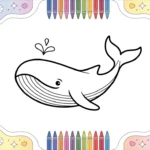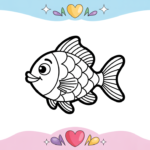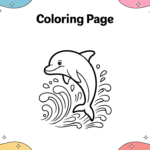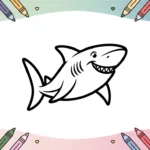
We offer a wide collection of free, high-quality printable coloring pages for kids and adults. From cute animals to intricate mandalas, our designs bring creativity and relaxation to everyone. Download, print, and start coloring today!

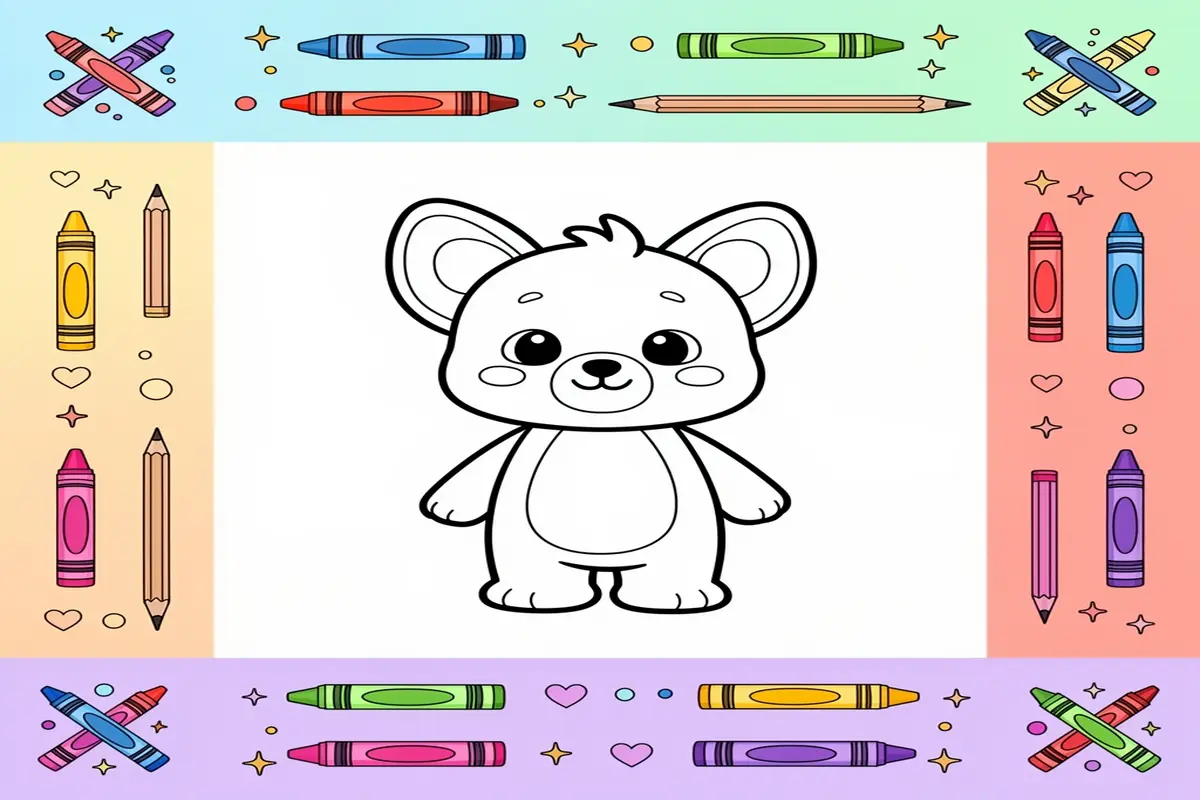
In a world of flashing screens and digital noise, there exists a timeless, tactile sanctuary: the simple act of coloring. It’s a portal back to a purer form of creativity, where imagination leads and the only rule is to fill the space with color. For children, this activity is far more than a pleasant pastime; it is a foundational exercise in fine motor development, color theory, and emotional expression. The modern evolution into painting coloring pages for kids elevates this experience, blending the structured guidance of outlines with the expressive freedom of paint. Whether using watercolors, tempera, or finger paints, these pages transform into vibrant masterpieces, teaching kids about texture, blending, and the joy of seeing their vision come to life in vivid hues. From the majestic depths of the ocean with our free whale coloring pages to the sprawling African savanna, these resources provide the perfect canvas for young artists to explore. Engaging with painting coloring pages for kids is not just an art project; it’s a mindful journey, a quiet moment of focus that builds confidence and cultivates a lifelong appreciation for art.
The Alchemy of Art: Why Painting Captivates Young Minds
The Psychology of Color: A Palette for Emotional Well-Being
The connection between color, creativity, and psychological state is profound. When a child selects a cerulean blue for the sky or a fiery red for a dragon, they are not merely decorating; they are communicating emotions and practicing decision-making. The process of painting within lines requires a gentle focus that naturally quietens the mind, reducing anxiety and promoting a state of flow. This mindful engagement is the hidden superpower of painting coloring pages for kids. It provides a safe, structured outlet for self-expression, where the pressure of a blank page is removed, leaving only the joy of application. The sensory experience of paint—its smell, its texture, its transformative power on paper—further anchors the child in the present moment, making it a powerful tool for emotional regulation and calm.
From Cave Walls to Coloring Books: A Timeless Human Impulse
The desire to create visual art is an ancient thread in the human story. Long before the invention of paper, our ancestors painted on walls, using natural pigments to tell stories and depict their world. Modern painting coloring pages for kids are a direct descendant of this innate impulse. They offer a guided yet open-ended format that honors the creative spirit. This activity bridges generations; it is something parents and grandparents can intuitively share with a child, creating a shared language of creativity. The themes available today—from realistic animals to fantastical landscapes—continue this tradition of storytelling through imagery, allowing children to connect with nature, history, and their own boundless imagination through the tip of a brush.
Designed for Discovery: Meeting Every Young Artist Where They Are
The beauty of these resources lies in their universal accessibility. For the toddler, a large, simple outline of a friendly animal is an exciting challenge for chubby fingers gripping a wide brush. For the school-aged child, more intricate pages featuring detailed elephant coloring pages or complex patterns invite careful attention to detail and advanced color mixing. This scalability ensures that painting coloring pages for kids grow with the artist, continually offering an appropriate level of challenge and satisfaction. They democratize art, proving that you don’t need innate drawing skills to create something beautiful. Every child, regardless of perceived artistic talent, can experience the pride of completing a painted page, building confidence that extends far beyond the art table.
Professional Materials & Preparation for painting coloring pages for kids
Before your child dives into the vibrant world of creativity, proper preparation is key. The right materials for painting coloring pages for kids not only enhance the final artwork but also make the process more enjoyable and frustration-free. This guide outlines the essential toolkit and setup to ensure every coloring session is a success, from selecting premium paper to organizing an ergonomic workspace.
The Foundation: Selecting Premium Paper for painting coloring pages for kids
The paper you choose is the single most important factor in the coloring experience. Standard printer paper (20-24 lb) is too thin for most wet or layered mediums; it will bleed, buckle, and tear easily. For painting coloring pages for kids, opt for a heavier weight. Look for “marker paper” (around 70-80 GSM) which has a smooth, bleed-resistant coating, or cardstock (100+ GSM) for its superior durability with pencils, crayons, and even light watercolor techniques. Thicker paper holds up to erasing and layering, allowing young artists to work with confidence. For a fantastic selection of detailed pages perfect for testing different papers, explore our realistic lion coloring pages free printable.
Best Coloring Tools: A Detailed Medium Comparison
Choosing between markers, pencils, and crayons depends on the desired outcome and the child’s skill level.
Colored Pencils: Ideal for developing fine motor control and detail work. Artist-quality pencils (e.g., Prismacolor, Faber-Castell) have softer, wax- or oil-based cores that blend beautifully and offer vibrant pigment. They are perfect for teaching shading and texture on intricate painting coloring pages for kids.
Markers: Provide bold, saturated color. Alcohol-based markers (like Copic or Ohuhu) blend seamlessly and don’t bleed through marker-specific paper, but are a higher investment. Water-based markers (e.g., Crayola Super Tips) are excellent, affordable choices for kids, though they can bleed on standard paper. They are fantastic for filling large areas quickly.
Crayons & Gel Crayons: Traditional wax crayons are great for broad strokes and textural effects. Modern gel crayons offer intense, paint-like opacity and can be blended with a finger or a brush dipped in water, creating a unique hybrid effect.
Finishing Touches: Gel Pens, Highlights, and Outliners
Elevate a completed page with special-effect tools. White or metallic gel pens are indispensable for adding highlights to eyes, creating sparkle on water, or drawing stars on a night sky. They can correct small mistakes or cover unwanted bleed marks. Fine-line black markers or pigment liners (size 0.3 or 0.5) are excellent for redefining outlines that may have become obscured during coloring, making the artwork pop. A simple set of gel pens can transform a standard page into a masterpiece.
Creating the Perfect Workspace: Ergonomics and Lighting
A well-prepared space fosters focus and comfort. Ensure the work surface is well-lit with natural or bright, white LED light to reduce eye strain and show true colors. The child should be seated at a table with their feet flat on the floor; use a booster seat if necessary. Keep materials organized in cups or trays—having pencils pre-sharpened and markers sorted by color prevents creative interruption. Always place a protective mat or scrap paper underneath the coloring page, especially when using markers, to protect the table surface. This thoughtful setup empowers children to fully engage in the creative process of painting coloring pages for kids.
Part 3: Elevating the Art: Advanced Techniques for Painting Coloring Pages for Kids
Moving beyond simply filling in lines, advanced techniques can transform a simple coloring activity into a true artistic exploration. By introducing kids to concepts like color theory, shading, and texture, you help them develop a deeper understanding of art and see their painting coloring pages for kids come to life with stunning realism and creativity. Let’s unlock the next level of artistic skill.
Link: For pages perfect for practicing these advanced techniques, explore our detailed Elephant Coloring Pages or our majestic Lion Coloring Pages, which offer great textures and forms to work with.
Harmonious Palettes: Color Theory for Painting Coloring Pages for Kids
Understanding basic color relationships can prevent muddy results and create visually striking art. Teach kids two simple concepts:
Complementary Colors: Colors opposite each other on the color wheel (like blue & orange or purple & yellow). Using these together makes each color “pop” with vibrant energy—perfect for making a character stand out against a background.
Analogous Colors: Colors that sit next to each other on the wheel (like blue, blue-green, and green). These create a harmonious, calming feel, ideal for painting coloring pages for kids that depict serene scenes like a sunset sky or an ocean wave. Start with a base color and blend in its neighbors for a smooth, professional gradient.
From Flat to 3D: Mastering Light and Shadow
Shading is the magic that turns a flat circle into a sphere. Guide your child through this step-by-step process:
1. Identify Your Light Source: Decide where the light is coming from (e.g., the top left corner). Every shadow will be cast opposite this point.
2. Apply Base Color: Color the entire area evenly with your main color.
3. Add the Core Shadow: On the side farthest from the light, apply a second, heavier layer of the same color or a slightly darker shade.
4. Create the Highlight: Leave a small area closest to the light source the lightest, with minimal pressure on your crayon or pencil.
5. Blend Smoothly: Use a lighter touch or a blending stump to softly merge the areas where your base color, shadow, and highlight meet.
Adding Realism: Techniques for Creating Texture
Texture makes a lion’s fur look touchable or an ocean appear wet. Here’s how to render different surfaces:
Fur and Hair: Use short, quick strokes that follow the direction of growth. Layer different shades of brown, yellow, or gray. For fluffy fur, let some strokes overlap in a crisscross pattern.
Scales and Skin: For animals like fish or dragons, create a pattern of overlapping “U” shapes or small ovals, then add a darker shade along the bottom edge of each scale for depth.
Sky and Water: Use long, smooth, horizontal strokes. For a realistic sky, start with a light blue at the horizon and gradually press harder to deepen the color upward. For water, add wavy, horizontal lines of a darker blue to suggest ripples.
The Art of Correction: Gracefully Fixing Coloring Mistakes
Mistakes are part of the process! Teach these graceful fixes to build confidence:
Pencil Pressing Too Hard? Gently use a white eraser to lift some color, then go over the area with a lighter touch. It often creates a nice, blendable base.
Color Went Outside the Lines? Turn it into a feature! Thicken the outline on that side with a darker color to create a bold, graphic look. Alternatively, use a fine-tipped white gel pen to neaten the edge.
Unhappy with a Color Choice? Layer over it! Darker colors like deep blue, purple, or black can often cover lighter missteps. Test layering on a scrap paper first. This resilience is key in painting coloring pages for kids, showing that art is adaptable and forgiving.
Showcasing Your Child’s painting coloring pages for kids: Creative Display Ideas
The final brushstroke is just the beginning! Transforming your child’s painted coloring pages into cherished decor or heartfelt gifts celebrates their creativity and builds immense pride. Here are inspiring ways to honor their artwork.
Preserving Your Masterpiece: Archival Tips
Before displaying, consider preservation. For watercolor or acrylic paintings, a light spray of clear, acid-free sealant (used in a well-ventilated area) can protect from UV light and dust. Store flat masterpieces in a large portfolio or under a bed in a flat file. For favorite pieces, simple, inexpensive frames from a craft store make any artwork look gallery-worthy. Hanging a rotating “exhibit” in your home shows you value their creative efforts.
Beyond Display: Creative DIY Projects
Turn painted pages into functional art! Laminate a colorful page to create a unique placemat or bookmark. Cut out shapes from sturdy painted paper to make homemade greeting cards or gift tags. You can even decoupage several pages onto a small side table or storage box for a personalized keepsake. For a collaborative project, combine several animal coloring pages for kids into a stunning mural for their playroom.
Your Guide to painting coloring pages for kids: FAQs Answered
What are the benefits of painting for children?
Painting boosts fine motor skills, hand-eye coordination, and color recognition. It serves as a powerful emotional outlet, allowing kids to express feelings non-verbally. The process builds focus, patience, and creative problem-solving. Celebrating their finished painting coloring pages for kids fosters confidence and a sense of accomplishment that extends beyond the art table.
How do you teach a child to paint inside the lines?
Start with larger, simpler shapes and use the right tools—thicker brushes for toddlers. Demonstrate by painting alongside them, talking through your movements. Emphasize the fun of the process over perfection. Using high-quality, thicker paper (like cardstock) for painting coloring pages for kids can also help, as it prevents colors from bleeding as easily.
What kind of paper is best for painting coloring pages?
Printer paper is too thin for wet media. Opt for heavyweight cardstock (110 lb+) or mixed-media paper for markers and light washes. For dedicated watercolor painting coloring pages for kids, use actual cold-press watercolor paper. For acrylics, canvas paper is a great, affordable option that handles thicker paint beautifully.
At what age should kids start coloring and painting?
Children can start exploring with large, washable crayons or finger paints around 12-18 months old. Between ages 2-3, they begin making deliberate marks. True coloring and painting within pages often becomes enjoyable around age 3. Always follow the child’s interest and focus on sensory exploration first.
Where can I find free printable coloring pages for kids?
Numerous educational and creative websites offer vast free libraries. For instance, you can find thousands of high-quality, free themes ranging from ocean coloring pages to alphabets and holidays. Always look for sites that offer PDF downloads for easy printing at home.
The Joyful Journey of painting coloring pages for kids
The path of painting coloring pages for kids is about so much more than staying within lines. It’s a vibrant journey of developmental growth, emotional discovery, and shared creative joy. From choosing their favorite page to the proud moment of display, each step nurtures their imagination and self-esteem. Remember, the true masterpiece isn’t just the final image—it’s the confidence, memories, and skills your child gains along the way.
Ready for your next creative adventure? Explore our fantasy coloring pages for kids to unlock new worlds of imagination!