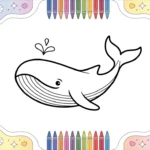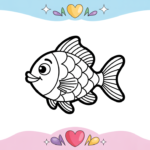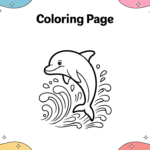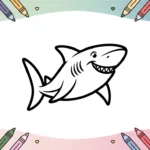
We offer a wide collection of free, high-quality printable coloring pages for kids and adults. From cute animals to intricate mandalas, our designs bring creativity and relaxation to everyone. Download, print, and start coloring today!

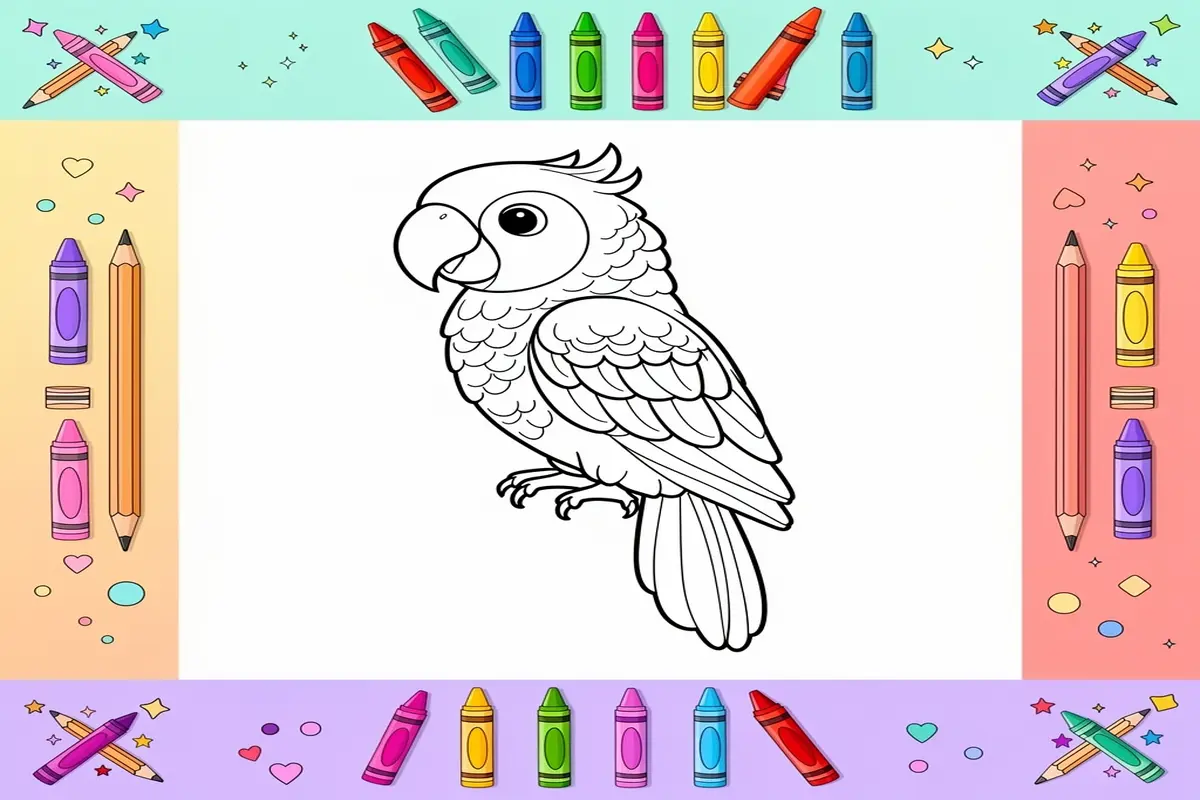
In a world saturated with digital noise, the simple act of coloring offers a profound sanctuary for young minds. It’s a tactile journey back to focus, creativity, and pure, unadulterated joy. Among the myriad of themes available, parrot coloring pages for kids stand out as a vibrant gateway to this world of artistic exploration. These pages capture the dazzling plumage and charismatic personalities of parrots, inviting children to wield their crayons and bring a tropical rainforest to life on paper. The appeal is universal, merging the educational thrill of discovering exotic wildlife with the therapeutic benefits of mindful art. As children select hues for scarlet macaws, electric-blue hyacinth macaws, or emerald-green Amazons, they’re not just filling shapes—they’re engaging in a creative process that enhances fine motor skills, color recognition, and concentration. This makes parrot coloring pages for kids a perfect blend of fun and developmental learning. For those captivated by the wonders of the animal kingdom, this creative adventure can extend from the jungle canopy to the ocean’s depths with our collection of free dolphin coloring pages, offering another avenue for artistic discovery.
The Vibrant Psychology: Why Parrots Captivate Young Artists
The Chromatic Allure: More Than Just Pretty Colors
The visual spectacle of a parrot is undeniable, and this translates powerfully to the coloring page. The psychology behind the appeal of parrot coloring pages for kids is deeply rooted in color theory and emotional response. Bright, saturated colors like vivid reds, yellows, and blues are inherently stimulating and joyful for children, triggering excitement and engagement. However, the activity itself—the focused, repetitive motion of coloring within lines—induces a state of calm, creating a beautiful balance between stimulation and relaxation. This mindful practice helps quiet the mind, improve focus, and reduce anxiety, making these pages a tool for emotional regulation as much as for artistic expression.
From Jungle Canopies to Cultural Icons: A Rich Tapestry
Parrots are not merely birds; they are global symbols embedded in culture and folklore. Introducing children to parrot coloring pages for kids opens a door to conversations about biodiversity, distant ecosystems like the Amazon, and the stories different cultures tell about these intelligent creatures. They have been revered as symbols of communication, freedom, and beauty across continents. Coloring a parrot can become a springboard for learning about geography, conservation, and the importance of protecting these magnificent birds and their habitats, adding a layer of meaningful education to the artistic endeavor.
Designed for Every Hand: Inclusivity in Creativity
The beauty of this theme lies in its scalability. Parrot coloring pages for kids are masterfully curated to cater to every skill level and interest. For the youngest artists, simple, bold outlines of a parrot’s profile provide a satisfying and achievable canvas. For older children seeking a challenge, intricate designs featuring detailed feather patterns and lush jungle backgrounds offer hours of immersive engagement. There are comical, cartoon-style parrots for pure fun and more realistic illustrations for the budding naturalist. This inclusivity ensures that every child, regardless of age or dexterity, can experience the pride of creating their own vibrant masterpiece, fostering a lifelong love for art and nature.
Part 2: Essential Materials for Stunning parrot coloring pages for kids
To transform your parrot coloring pages for kids from simple outlines into vibrant masterpieces, the right materials are crucial. This section details the professional-grade supplies and preparation steps that parents and educators need to ensure a successful, mess-free, and creatively rewarding experience. Proper tools not only enhance the final artwork but also make the process more enjoyable for young artists.
The Foundation: Selecting Premium Paper for parrot coloring pages for kids
The paper you choose is the single most important factor in coloring success. For standard crayon or pencil work, a smooth, bright white paper around 100-120 GSM (grams per square meter) prevents bleed-through and provides a sturdy surface. However, if your young artist prefers markers, investing in marker-specific paper or heavyweight cardstock (160+ GSM) is non-negotiable to prevent frustrating bleed-through onto the table or subsequent pages. For a truly special project, consider printing your parrot coloring pages for kids on textured watercolor paper; this allows for experimentation with wet mediums, letting kids blend colors to mimic the beautiful, gradient feathers of a real parrot. Always have a spare sheet of the same paper for testing colors and techniques.
Best Coloring Tools: A Detailed Medium Comparison
The choice between coloring mediums defines the artwork’s style and the child’s experience.
Colored Pencils: Ideal for developing fine motor skills and achieving detailed, textured effects. Look for pencils with soft, pigmented cores that blend easily. They are less messy and perfect for intricate areas like feather patterns on parrot coloring pages for kids. A set of 24-48 colors provides ample range for realistic or imaginative avian art.
Markers: Brilliant for bold, solid blocks of vibrant color. Dual-tip markers (fine and broad) offer versatility. Alcohol-based markers provide seamless blends ideal for a parrot’s smooth color transitions, but require bleed-proof paper. Water-based markers are easier for young children to manage. For a fun twist, explore our cute bird coloring pages to practice different marker techniques.
* Crayons & Gel Sticks: Excellent for younger children, offering ease of use and durability. While less precise, they encourage broad, expressive strokes.
Finishing Touches: Gel Pens, Highlights, and Blending Tools
Elevate the artwork with specialized tools for detail and texture. White gel pens or opaque paint pens are indispensable for adding brilliant highlights to a parrot’s eye or creating tiny feather details on dark backgrounds. A colorless blender marker (for alcohol-based systems) or a blending stump (for pencils) helps smooth gradients and create realistic shadows. Consider keeping a set of metallic or glitter gel pens on hand to add shimmering accents to a parrot’s plumage, making the final piece truly spectacular.
Perfect Workspace: Ergonomic and Lighting Setup
A well-prepared workspace fosters focus and creativity. Ensure the coloring surface is stable, flat, and at an appropriate height to prevent slouching. Natural daylight is the ideal light source for accurate color perception; if that’s not possible, a high-CRI (Color Rendering Index) LED desk lamp that mimics daylight will reduce eye strain. Organize materials within easy reach using cups for pencils and markers. Always place a protective mat or several sheets of scrap paper underneath the coloring page to protect the table surface, especially when using markers or pens. This simple preparation step makes cleanup instantaneous and allows the child to focus purely on the joy of bringing their parrot to life.
Mastering Parrot Coloring Pages for Kids: Advanced Techniques for Vibrant Art
Ready to transform those simple outlines into stunning, frame-worthy masterpieces? Moving beyond basic filling, these advanced techniques will help you and your child unlock the full potential of parrot coloring pages for kids. This section is your guide to adding depth, realism, and professional flair, turning a fun activity into a true artistic achievement.
Harmonious Palettes: Color Theory for Parrot Coloring Pages for Kids
A parrot’s beauty lies in its brilliant, often unexpected, color combinations. Understanding basic color theory can make your artwork pop. Start with the complementary color scheme—colors opposite each other on the wheel. For a scarlet macaw, using a touch of green in the shadows around its red feathers creates dynamic contrast that makes the red appear even brighter. For a gentler look, try an analogous scheme, using colors next to each other, like blending yellows, oranges, and reds for a sun conure. Don’t be afraid to research real parrot species for inspiration, or let creativity fly with fantastical hues! For more practice with vibrant animal palettes, explore our tropical fish coloring pages.
From Flat to 3D: Mastering Shading and Depth
The secret to making a parrot look round and lifelike is shading. Imagine a light source, like the sun, coming from one corner of the page. Step 1: Base Layer. Color the entire area with your main color, pressing lightly. Step 2: Shadow Layer. Identify the areas farthest from the light (under the beak, the lower side of the body, under wings) and apply the same color again with more pressure, or use a slightly darker shade. Step 3: Highlight. Leave the areas closest to the light source the lightest, or gently add a touch of white or yellow crayon over the base color. This simple three-step method instantly adds volume.
Feathery Realism: Creating Texture and Detail
A parrot isn’t just a smooth shape—it’s covered in thousands of feathers. To create this texture, avoid just coloring in long, smooth strokes. Technique 1: Short, Directional Strokes. Use the tip of your colored pencil or crayon to make small, overlapping strokes that follow the direction the feathers grow (outward from the body, down the wings). Technique 2: Layering. Use a darker shade to draw gentle, curved lines at the tips of feathers or to create a subtle barred pattern. For the beak, which is smooth and shiny, use smooth, even pressure and leave a tiny white streak for a glossy highlight. Learning texture on birds is a fantastic stepping stone to other detailed animals, such as the majestic creatures found in our realistic lion coloring pages.
The Art of Correction: Graceful Fixes for Coloring Mistakes
Even professional artists make “happy little accidents.” The key is knowing how to adapt. If color goes outside the lines, don’t panic. Often, you can incorporate the mistake—turn a stray mark into a background leaf or a floating feather. For small, waxy mistakes with crayon, gently scrape the wax away with a toothpick or the edge of a paperclip. With colored pencils, a good white eraser can lift some pigment. The most powerful tool, however, is layering. A mistake in shading can often be covered and corrected by adding more layers of color on top. Teach your child that art is a process, and every mark is part of the creative journey.
Showcasing Your Parrot Coloring Pages for Kids: Creative Display Ideas
Once your child’s parrot coloring pages for kids are complete, the fun doesn’t have to stop! Transforming their artwork into a cherished display or a thoughtful gift adds another layer of creativity and pride to the activity.
Preserving Your Masterpiece: Archival Tips
To ensure those vibrant colors last, consider using acid-free fixative sprays to prevent smudging. For long-term storage, place finished pages in clear plastic sleeves within a dedicated binder or portfolio. For wall displays, simple frames or colorful washi tape borders can turn any hallway into a personal art gallery. Laminating pages is another excellent option, making them durable for repeated admiration or even as placemats.
Beyond Display: Creative DIY Projects
Elevate your child’s artwork into keepsakes and gifts. Carefully cut out the colored parrot and glue it onto a folded cardstock to create a unique greeting card. For a literary touch, laminate the page and cut it into a custom bookmark. You can also decoupage several finished pages onto a small wooden box or tray for a vibrant, personalized treasure chest. These projects extend the life of the art and teach kids the joy of giving.
Your Parrot Coloring Pages for Kids Questions Answered
We know parents and teachers often have questions about making the most of coloring time. Here are detailed answers to some of the most common queries.
How do you color a parrot step by step?
Start with a light outline using a base color for the body. Work in sections: color the larger feathers first, then add details like the beak and eye. Use layered coloring—applying light pressure first and darkening for shadows—to create depth. Finally, encourage kids to blend colors on the vibrant tail feathers for a realistic, rainbow effect on their parrot coloring pages for kids.
What are the benefits of coloring for children?
Coloring boosts fine motor skills and hand-eye coordination as children practice staying within lines. It fosters creativity, color recognition, and focus. It’s also a fantastic, screen-free activity for emotional regulation and stress relief, providing a calm, mindful break that builds confidence with each completed masterpiece.
Where to find free printable parrot coloring pages?
Our website, Safari Coloring, offers a wide variety of free, high-quality parrot coloring pages for kids that are easy to download and print. You can find everything from simple outlines for toddlers to more detailed illustrations for older children, all designed to spark creativity and a love for nature.
What colors are realistic for a parrot?
While creativity should always be encouraged, realistic parrots are famously colorful! Scarlet Macaws are bright red, blue, and yellow. African Greys are mostly grey with a red tail. Amazon parrots often feature vibrant greens with splashes of blue, yellow, or red on their heads. Pointing out real photos can be a fun, educational part of the activity.
Is coloring good for fine motor skills?
Absolutely. Coloring is a foundational activity for developing fine motor skills. The precise grip and controlled movements required to maneuver a crayon or colored pencil strengthen the small muscles in the hands and fingers. This practice is crucial for later skills like handwriting, buttoning clothes, and using utensils.
Final Thoughts: Your Parrot Coloring Pages for Kids Journey Begins
The journey with parrot coloring pages for kids is about so much more than filling in lines. It’s an adventure into a world of color, a quiet moment of focus, and a joyful celebration of your child’s unique creativity. Each page completed is a testament to their growing skills and imagination, offering the dual benefits of educational development and peaceful relaxation.
We hope this guide inspires you to create, display, and cherish these colorful creations. Remember, every masterpiece starts with a single stroke of color. Ready for your next adventure? Explore our Safari Coloring Pages for Kids to discover a whole new world of animals waiting to be brought to life!