We offer a wide collection of free, high-quality printable coloring pages for kids and adults. From cute animals to intricate mandalas, our designs bring creativity and relaxation to everyone. Download, print, and start coloring today!

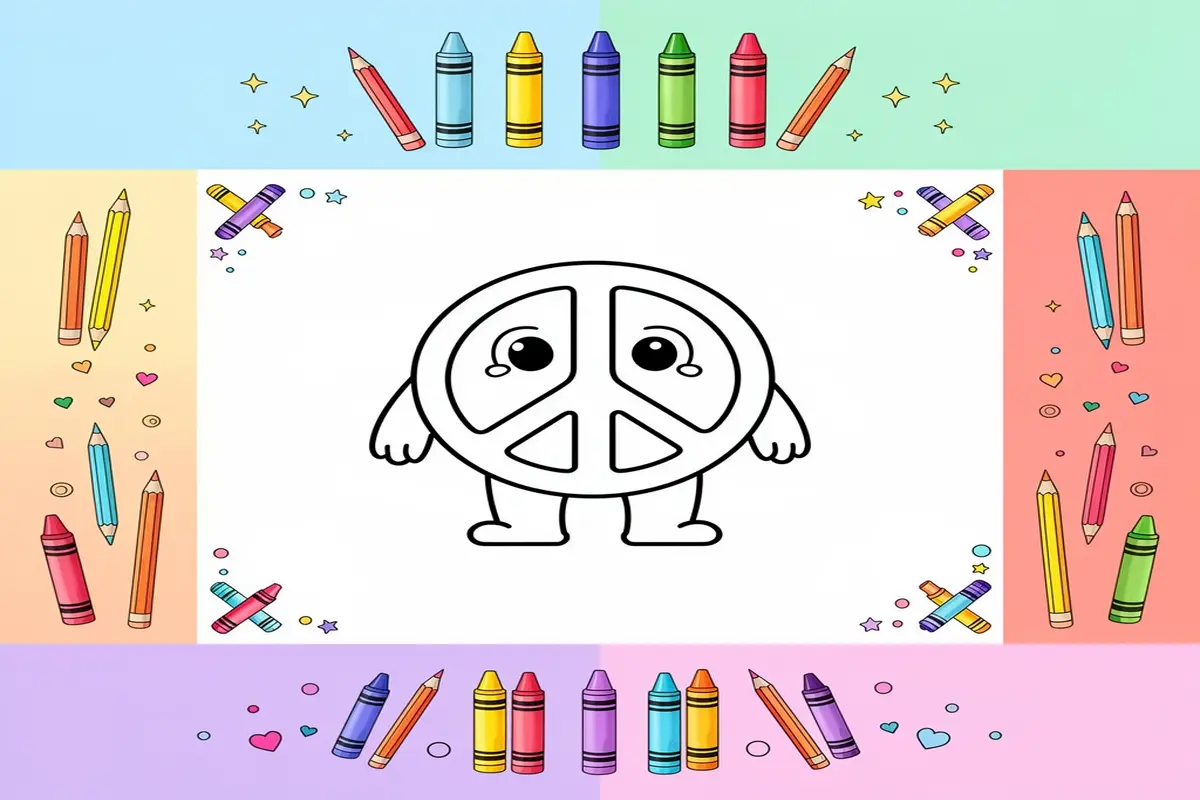
In a world that often moves at a dizzying pace, finding moments of tranquility for our children is a precious gift. The simple, meditative act of coloring has emerged as a powerful tool for fostering inner calm, focus, and emotional well-being in young minds. peace coloring pages for kids are specifically designed to guide this journey, transforming a blank page into a sanctuary of serenity. These aren’t just any drawings; they are intentional artworks featuring symbols of harmony, gentle nature scenes, and soothing patterns that invite quiet contemplation. As children select their palette and fill each space with color, they engage in a practice that slows the breath, quietens mental chatter, and builds a bridge to a more centered self. This creative process offers a beautiful counterbalance to digital stimulation, providing a tactile, screen-free haven. Whether used as a quiet afternoon activity, a tool for emotional regulation, or a shared family moment, peace coloring pages for kids serve as a gentle introduction to mindfulness. For a different kind of serene aquatic adventure, you can also explore our collection of free dolphin coloring pages, which capture the graceful calm of ocean life.
The Art of Stillness: Why Peaceful Coloring Resonates
The Mindful Stroke: Psychology Meets Pigment
At its core, coloring is a focused, repetitive activity that naturally induces a state of flow, similar to meditation. For children, this means a temporary respite from anxiety, overwhelm, or hyperactivity. The structured yet creative task of filling a peace coloring pages for kids design requires just enough concentration to anchor wandering thoughts, but not so much that it causes frustration. This delicate balance allows the brain’s amygdala—the center for fear and emotion—to quiet down, while engaging the prefrontal cortex involved in focus and decision-making. The very symbols often found in these pages—doves, olive branches, peaceful landscapes, or mandalas—are culturally universal emblems of harmony, subtly reinforcing the theme of calm through visual storytelling.
A Tapestry of Traditions: Universal Symbols of Harmony
The motifs featured in peaceful coloring sheets are drawn from a rich, global tapestry of art and symbolism. From the lotus flower in Eastern traditions representing purity and rebirth, to the ancient Celtic knot signifying eternal unity, these designs connect children to a wider human heritage of seeking peace. This provides a subtle, educational layer beyond the coloring activity itself. It opens doors for conversations about culture, history, and shared human values, all while the hand is busy with the tactile pleasure of crayon or marker on paper. The act becomes not only one of personal calm but also of connecting to timeless ideas.
Accessible to All: A Low-Stakes Creative Portal
One of the greatest strengths of peace coloring pages for kids is their inherent inclusivity. They require no artistic training or “talent”; the framework is provided, eliminating the fear of a blank page. This makes them perfect for toddlers learning motor skills, school-aged children managing big emotions, and even adults seeking a shared, calming activity with their child. The barrier to entry is wonderfully low, but the emotional and cognitive payoff is significant. They meet each child at their individual skill level, offering success and satisfaction, which in itself fosters a peaceful sense of accomplishment and self-esteem.
Professional Materials & Preparation for peace coloring pages for kids
To ensure your child gets the most creative and relaxing experience from their peace coloring pages for kids, proper preparation is key. Having the right materials on hand transforms a simple activity into an engaging artistic session that fosters focus and calm. This guide outlines the essential toolkit and setup for optimal coloring success, whether for a quiet afternoon or a structured classroom activity.
The Foundation: Selecting Premium Paper for peace coloring pages for kids
The paper you choose is the single most important factor in coloring quality. Standard printer paper (20-24 lb) is prone to bleeding and warping. For superior results, opt for a heavier weight. Smooth Bristol paper (100-110 lb) provides an excellent surface for fine details common in peace coloring pages for kids, allowing for sharp lines and smooth blending. If using markers, seek out marker-specific paper with bleed-resistant coating. For a mixed-media approach, a medium-tooth drawing paper (around 98 GSM) is ideal for colored pencils, as it grips pigment well. Always print your chosen designs, such as our inspirational affirmation coloring pages for kids, on the best paper your printer can handle to elevate the final artwork.
Best Coloring Tools: A Detailed Medium Comparison
The choice between markers, pencils, and crayons dramatically affects the outcome of your peace coloring pages for kids.
Colored Pencils: The most versatile and recommended tool for detailed work. Artist-grade pencils (e.g., Prismacolor, Faber-Castell) offer superior pigment density and blendability. They are less messy and allow for intricate shading, making them perfect for older children and creating nuanced artwork. A set of 24-36 colors provides ample range.
Markers: Provide vibrant, solid blocks of color. Alcohol-based markers (like Copic or Ohuhu) blend seamlessly and do not bleed through on appropriate paper, but are a higher investment. Water-based markers (e.g., Crayola Super Tips) are excellent, cost-effective choices for younger artists, though they can bleed on lighter paper. Always test on a corner first.
* Gel Pens & Highlighters: These are not primary tools but essential for adding dazzling details. Metallic gel pens are perfect for highlighting peace signs, doves, or stars, adding a luminous touch. Fine-tip white gel pens can create highlights and correct minor slips, adding a professional finish.
Finishing Touches: Enhancing Details with Specialty Tools
Beyond base colors, a few specialized tools can bring peace coloring pages for kids to life. A set of fine-line pigment ink pens (size 0.3 or 0.5) is invaluable for reinforcing outlines or adding intricate patterns within larger shapes. A quality pencil sharpener keeps colored pencil points sharp for fine details. For blending colored pencils, a colorless blender pencil or paper blending stumps create smooth gradients. A small set of pastels or soft chalk can be used gently around the edges to create soft, atmospheric backgrounds, enhancing the calming theme of the artwork.
Perfect Workspace: Crafting an Ergonomic Coloring Environment
Setup directly impacts enjoyment and endurance. Ensure ample, natural light or a bright, white LED desk lamp to reduce eye strain. The work surface should be flat and stable. For posture, consider a slanted drawing board if coloring for extended periods. Keep materials organized in cups or trays—this not only minimizes clutter but also encourages mindful selection of colors. Lay down a protective mat or newspaper if using permanent markers. Finally, having a flat file or large book to store finished peace coloring pages for kids protects them from creases and allows for display or gifting later.
Part 3: Elevating Calm: Advanced Techniques for Peace Coloring Pages for Kids
Ready to transform those beautiful peace coloring pages for kids from simple outlines into stunning works of art? This guide moves beyond basic filling to introduce techniques that build skill, patience, and truly breathtaking results. By mastering a few key methods, you and your young artist can add incredible depth and realism to every page.
Harmonious Palets: Color Theory for Peaceful Scenes
Understanding simple color theory can elevate the mood of any peace coloring page. For symbols like doves or peaceful landscapes, analogous colors (colors next to each other on the wheel, like blues, greens, and purples) create a serene, harmonious feel. For a more vibrant and uplifting peace sign, use complementary colors (opposites on the wheel, like blue and orange or purple and yellow) to make key elements pop. Encourage kids to plan a simple palette before starting—this thoughtful approach is a calming activity in itself. For nature-focused peace scenes, explore our landscape coloring pages for kids for inspiration on sky and earth tones.
From Flat to 3D: Mastering Light and Shadow
Shading is the magic that turns a flat circle into a dimensional globe or a simple dove into a graceful bird. Teach this step-by-step: First, choose a “light source” (e.g., the top corner of the page). Imagine where the light hits; those areas stay lightest. The areas farthest from the light get the darkest color. Start by coloring the entire area with a light base layer. Then, apply medium pressure for mid-tones in the transitioning areas. Finally, use firm pressure or a darker shade of the same color for the shadows. Practice this on simple shapes like the olive branch leaves on your peace coloring pages for kids.
Adding Life: Creating Texture and Detail
Texture makes a dove’s feathers look soft and a peaceful stream look wet. For feathers or fur, use quick, short, overlapping strokes in the direction the hair grows, leaving tiny gaps for highlight. For water or sky, use long, smooth, continuous strokes with a well-sharpened pencil or crayon to create a seamless look. For rough bark or stone, use small, circular scribbles or dots (stippling) to build up a gritty feel. Introducing texture turns coloring into a sensory experience, perfect for mindful focus. To practice organic textures, our animal coloring pages for kids offer wonderful subjects like fur and scales.
The Art of the Fix: Gracefully Correcting Coloring Errors
Mistakes are part of the creative process! A great technique for peace coloring pages for kids is to incorporate the “error” into the design. A stray mark outside the lines can become a tiny butterfly or a floating heart. For heavy pencil presses, use a kneaded eraser to gently “lift” color without tearing the paper. If using markers, sometimes going over a bleed with a darker, intentional outline can contain it. Most importantly, frame corrections as creative problem-solving—a peaceful approach to art and life. Remember, the goal is the calm, focused process, not perfection.
Showcasing Your Peace Coloring Pages for Kids: Creative Display Ideas
Once your young artist has filled their peace coloring pages for kids with vibrant hues, it’s time to celebrate their work! Moving beyond the coloring book, displaying their art boosts confidence and transforms their creations into daily reminders of calm and creativity.
Preserving Your Masterpiece: Archival Tips
To ensure those beautiful peace-themed artworks last, consider simple preservation methods. For special pieces, use acid-free sheet protectors in a binder or have them laminated at a local print shop. This protects from spills and fading. You can also mount finished pages on sturdy cardstock or use a simple, inexpensive frame. For a digital archive, take a clear photo in good light, creating a gallery you can look back on for years.
Beyond Display: Creative DIY Projects
Turn completed coloring pages into meaningful gifts and crafts. Cut out colored doves or peace signs to create unique greeting cards, bookmarks, or gift tags. Adhere a page to a canvas mod-podge style for wall art, or decoupage it onto a small wooden box for storing treasures. These projects extend the mindful activity and share the message of peace with friends and family, making the peace coloring pages for kids experience even more rewarding.
Your Peace Coloring Pages for Kids Questions Answered
How do you explain peace to a child?
Explain peace as a feeling of calm, safety, and happiness. Use examples they understand: “Peace is when you feel cozy reading a book, when you share toys nicely with a friend, or when you feel quiet and happy inside.” Relating it to their own emotions and experiences makes the abstract concept tangible and relatable, which is a perfect conversation to have while working on peace coloring pages for kids.
What are the symbols of peace for kids?
Common symbols include the dove carrying an olive branch, the peace sign (☮), a rainbow, a smiling sun, or two hands holding. The olive tree and the lotus flower are also gentle symbols. Explaining the simple story behind each—like the dove finding dry land after the flood—helps children connect the image to the idea, enriching their coloring experience.
What colors represent peace?
Soft blues and light greens are most associated with peace, evoking calm skies and tranquil nature. Lavender and soft purple can represent spirituality and mindfulness, while pale yellows and whites symbolize light, hope, and purity. When children use these colors on their peace coloring pages for kids, it reinforces the thematic connection between color and emotion.
What are the benefits of coloring for kids?
Coloring enhances fine motor skills and hand-eye coordination. It serves as a focused, screen-free activity that reduces anxiety and promotes mindfulness. It also boosts creativity, color recognition, and patience. Themed pages, like those focused on peace, can additionally spark meaningful conversations about values and emotions.
What is the meaning of the dove of peace?
The dove of peace is a powerful symbol originating from the biblical story of Noah’s Ark, where a dove returned with an olive branch, signaling the end of the flood and the return of calm life. Today, it universally represents hope, harmony, and new beginnings. Coloring this dove helps children visualize and internalize these hopeful concepts.
Final Thoughts: Your Peace Coloring Pages for Kids Journey Begins
The journey through peace coloring pages for kids is about so much more than staying within the lines. It’s a gentle pathway to discussing important values, a practical tool for developing essential skills, and a shared moment of quiet creativity in a busy world. Each page completed is not just art; it’s a building block for emotional awareness, fine motor development, and a personal understanding of harmony. We hope this guide inspires you to create, display, and discuss these beautiful themes with the young artists in your life.
Ready for your next adventure? Explore our ocean coloring pages for more calming and creative fun!