We offer a wide collection of free, high-quality printable coloring pages for kids and adults. From cute animals to intricate mandalas, our designs bring creativity and relaxation to everyone. Download, print, and start coloring today!

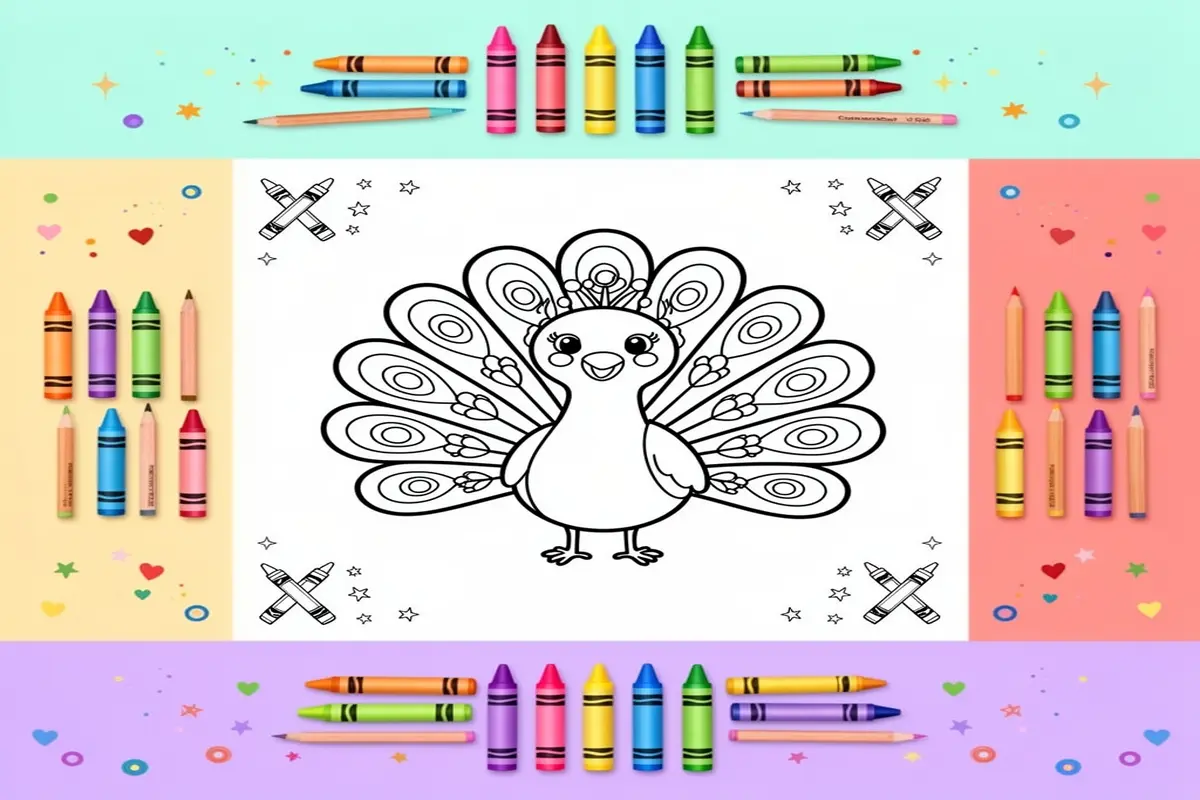
In a world saturated with digital noise, the simple act of coloring offers a sanctuary of focus and creative expression. For children, it’s a gateway to developing fine motor skills, color recognition, and a profound sense of accomplishment. Among the vast menagerie of artistic subjects, few captivate the imagination quite like the majestic peacock. With its iridescent plumage and regal bearing, this bird provides the perfect canvas for a child’s burgeoning artistry. Peacock coloring pages for kids are more than just an activity; they are an invitation to explore a spectrum of hues, patterns, and natural wonder. The intricate details of the fan-like tail encourage patience and attention, transforming a quiet afternoon into a vibrant journey of discovery. As children select shades of emerald, sapphire, and gold to bring their feathered friend to life, they engage in a mindful practice that nurtures both brain and soul. This makes our collection of peacock coloring pages for kids a standout resource for parents and educators seeking enriching, screen-free engagement. For those inspired by the animal kingdom, the creative adventure continues with our stunning array of sea creatures, from the gentle dolphin to the mysterious octopus.
The Allure of the Plumage: Why Peacocks Captivate Young Artists
The Psychology of Color: A Soothing Spectrum for Growing Minds
The very essence of a peacock is its color. Engaging with peacock coloring pages for kids taps directly into the psychological benefits of color therapy. The act of choosing and applying colors is a non-verbal form of emotional expression, allowing children to communicate feelings of joy, calm, or excitement. Focusing on the complex, repetitive patterns of the feathers can induce a state of flow, reducing anxiety and improving concentration. This mindful coloring transforms a simple page into a tool for emotional regulation, helping children navigate their inner world with a brushstroke of cerulean or a dash of violet.
A Feather in History’s Cap: Symbolism and Storytelling
Beyond their beauty, peacocks are steeped in cultural significance, representing everything from immortality and renewal in ancient myths to pride and vision in classic tales. Introducing children to peacock coloring pages for kids opens a door to these rich stories. Parents and educators can weave narratives about Greek goddesses, Indian deities, or royal symbols as the child colors, adding a layer of educational depth. This connection between art and lore enriches the experience, making it a holistic activity that feeds curiosity about world cultures and natural history, turning a coloring session into an impromptu story time.
Designed for Every Hand: From Broad Strokes to Fine Detail
The beauty of peacock-themed art lies in its versatility. A simple, cartoonish peacock with bold outlines is perfect for a preschooler just learning to stay within the lines, building confidence with every successful fill. For the older child or even the adult seeking a shared creative moment, highly detailed pages featuring realistic feather barbs and elaborate patterns offer a satisfying challenge. This range ensures that peacock coloring pages for kids are not a one-size-fits-all resource but a scalable creative journey that grows with the artist’s skill, ensuring that the sense of wonder and achievement remains constant from toddlerhood to the teen years.
Professional Materials & Preparation for peacock coloring pages for kids
To truly honor the intricate beauty of a peacock’s plumage, having the right materials is essential. Proper preparation transforms coloring from a simple activity into a rich, educational, and deeply satisfying artistic experience. This guide details the professional-grade supplies and setup that will help children and adults alike do justice to the stunning details found in peacock coloring pages for kids.
The Foundation: Selecting Premium Paper for peacock coloring pages for kids
The paper you choose is the single most important factor in your coloring outcome. For detailed peacock coloring pages for kids, standard printer paper is insufficient; it bleeds, warps, and limits blending. Opt for heavyweight, smooth paper. Look for marker paper (around 70-80 GSM) that is bleed-resistant for use with alcohol-based markers, or heavyweight mixed-media paper (190-300 GSM) for pencils, crayons, and gel pens. Smooth surfaces allow for fine detail on feather barbs and the intricate “eye” patterns, while heavier weight prevents show-through and supports layering. For a truly special project, consider printing your page on cardstock.
Best Coloring Tools: Markers vs. Pencils for Detailed Plumage
The choice between markers and colored pencils defines your final piece. Each has distinct advantages for bringing peacock coloring pages for kids to life.
Alcohol-Based Markers: These provide vibrant, seamless blends perfect for the peacock’s iconic iridescent blues, greens, and teals. They allow for quick, even coverage of large tail sections. Use a dual-tip marker (broad and fine) for both filling and detail work. The primary drawback is potential bleed-through, necessitating the use of proper marker paper or a blotter sheet underneath.
Colored Pencils: The superior choice for texture, depth, and control. Artist-quality pencils with soft, pigmented cores (like wax or oil-based) allow for exquisite layering. You can build up the complex patterns feather by feather, creating a realistic, tactile feel. They are ideal for achieving the subtle shading and fine lines within the peacock’s ornate tail “eyes.” For a stunning effect, use a white pencil for highlights on top of darker colors.
Finishing Touches: Gel Pens, Blenders, and Highlights
Elevate your artwork with specialized tools for detail and shine. White and metallic gel pens are indispensable for adding tiny highlights to feather tips, creating a wet-look shine on the peacock’s neck, or outlining intricate patterns for definition. A colorless blender marker can soften harsh lines and create smooth gradients in marker work. For colored pencil artists, a blending stump or a touch of odorless mineral spirits (with adult supervision) can create beautifully smooth, painterly backgrounds, making the peacock’s vibrant tail truly pop. Exploring our collection of abstract coloring pages for kids can also be a great way to practice these advanced blending and highlighting techniques on less structured designs.
Perfect Workspace: Optimizing Lighting and Ergonomics
A proper workspace prevents fatigue and ensures color accuracy. Position your coloring area to utilize natural daylight whenever possible, as it shows true color. Supplement with a bright, white LED desk lamp to eliminate shadows and reduce eye strain, crucial for working on small, detailed areas of the peacock’s fan. Ergonomics matter: ensure the chair and table height allow for a comfortable posture. Keep supplies organized within reach—use cups for pencils and markers, and have a clean scrap paper sheet for testing colors. A flat, hard surface underneath your coloring page is also recommended, especially when using firm pressure with pencils.
Mastering Peacock Coloring Pages for Kids: Advanced Artistic Techniques
Ready to transform your child’s coloring from simple to spectacular? This guide moves beyond basic crayon strokes to explore professional techniques that will bring your peacock coloring pages for kids to vibrant life. These methods are perfect for older children, teens, and even parents looking to create a frame-worthy masterpiece. Let’s unlock a new level of artistic skill.
* For more intricate animal designs to practice on, explore our detailed Realistic Animal Coloring Pages.
Harmonious Palettes: Color Theory for Peacock Coloring Pages for Kids
A peacock’s beauty lies in its stunning color combinations. Teach young artists to think like a painter by understanding basic color theory. For the iconic “eye” feathers, use complementary colors—opposites on the color wheel that make each other pop. Try deep blues with bright oranges or rich greens with touches of magenta. For a more serene, blended look, use analogous colors (colors next to each other on the wheel), like blending turquoise, blue, and violet across the tail. Planning a palette before starting can turn a good peacock coloring page for kids into a breathtaking work of art.
From Flat to 3D: Mastering Shading and Depth
The secret to making a peacock look real is shading. Start by choosing a light source direction (e.g., the top left). The areas farthest from this light will be darkest. Use a layering technique: apply a base color lightly, then add progressively heavier layers of the same color (or a slightly darker shade) in the shadow areas. For the peacock’s neck and body, use gentle, curved strokes to follow the rounded form. On the long tail feathers, shading along the central spine and edges creates a sense of dimension, lifting the image off the page.
Adding Realism: Creating Texture and Detail
Texture brings the peacock’s world to life. For the iridescent sheen on the neck and head, try burnishing: apply a heavy layer of colored pencil and smooth it with a white pencil or a blending tool for a shiny, waxy finish. To create the fluffy appearance of the body feathers, use short, quick, overlapping strokes. For the intricate “eyes” on the tail, focus on crisp, clean edges for the center and use radiating lines to suggest the fine, hair-like filaments. Don’t forget the environment! Adding simple textures like soft clouds in the sky or rough stones on the ground, which you can also practice with our Landscape Coloring Pages for Kids, completes the scene.
The Art of Correction: Gracefully Fixing Coloring Mistakes
Even professional artists make mistakes. The key is knowing how to fix them. For small slips outside the lines, a white gel pen can be a miracle worker for precise cover-ups. If an area becomes too dark or muddy, gently lifting color with a kneaded eraser can lighten it without damaging the paper. Teach the concept of “creative covering”—if a dark streak appears where it shouldn’t, incorporate it into a shadow or turn it into a new decorative element. The most important lesson is that art is adaptable, and every “error” is an opportunity for an innovative solution.
Showcasing Your Peacock Coloring Pages for Kids: Creative Display Ideas
Once your young artist has completed their vibrant masterpiece, the fun doesn’t have to stop! Transforming their work into a display or a new creation builds confidence and extends the creative journey. Here are inspiring ways to celebrate their colorful peacock.
Preserving Your Masterpiece: Archival Tips
To ensure those brilliant colors last, consider simple preservation methods. For a flat display, use acid-free tape or photo corners to mount the page in a frame without damaging it. Laminating the finished page is a fantastic, durable option for artwork that will be handled often. You can also create a dedicated “Art Portfolio” using a simple binder with clear sleeves, allowing you to easily rotate which peacock coloring pages for kids are on display and protect the entire collection.
Beyond Display: Creative DIY Projects
Turn colored pages into meaningful gifts and keepsakes. Carefully cut out the peacock shape to create a stunning, personalized greeting card or a beautiful bookmark. For a festive decoration, glue the page onto a sturdy cardboard backing, punch a hole at the top, and add a string to make a unique ornament or suncatcher. You can even decoupage smaller peacock designs onto a wooden box or picture frame, creating a one-of-a-kind gift. For more creative animal art projects, explore our collection of Parrot coloring pages for kids.
Your Peacock Art Questions Answered
How do you color a peacock?
Start with a light blue or green base for the body. For the iconic tail feathers, use a rainbow of colors! Encourage kids to create “eye” patterns on the feathers with concentric circles of blue, green, gold, and purple. Blending colored pencils or layering crayons can create a beautiful, iridescent effect that mimics a real peacock’s shimmer.
What colors are in a peacock feather?
Peacock feathers are famous for their iridescent colors, which shift in the light. The most common brilliant hues are metallic blues, vibrant greens, and deep purples. You’ll also see touches of gold, turquoise, and bronze. When working on peacock coloring pages for kids, this is a perfect opportunity to use every color in the box!
What are interesting facts about peacocks for kids?
Only the males are called peacocks (with the colorful tails); females are peahens. A peacock’s stunning tail, called a train, can be over 5 feet long and is used to attract mates. Despite their large tails, peacocks can fly up into trees to roost! Their loud calls can be heard from far away, and in many cultures, they symbolize beauty and grace.
Do female peacocks have colorful feathers?
No, female peacocks (called peahens) do not have the long, colorful tail feathers. They have more muted feathers in shades of brown, gray, and cream. This provides them with better camouflage while nesting on the ground. This is a great learning point when discussing peacock coloring pages for kids—artists can choose to color a brilliant male or a subtly beautiful female.
What are the benefits of coloring for children?
Coloring boosts fine motor skills and hand-eye coordination. It serves as a calming, mindful activity that reduces stress and improves focus. It also fosters creativity, color recognition, and self-expression. Completing a page provides a wonderful sense of accomplishment and pride, building a child’s confidence in their artistic abilities.
Final Thoughts: Your Peacock Coloring Journey Begins
Embarking on the adventure of peacock coloring pages for kids opens a world of creativity, learning, and quiet joy. From the first stroke of blue on a feather to the proud display of the finished masterpiece, this activity nurtures essential developmental skills while providing a peaceful escape. It’s more than just coloring; it’s an opportunity to explore nature’s most dazzling palette and create lasting memories together.
We hope these ideas inspire countless hours of colorful fun and artistic pride. Remember, every page completed is a celebration of your child’s unique vision and growing talents.
Ready for your next adventure? Explore our Flamingo coloring pages for kids for another splash of vibrant birdlife!