We offer a wide collection of free, high-quality printable coloring pages for kids and adults. From cute animals to intricate mandalas, our designs bring creativity and relaxation to everyone. Download, print, and start coloring today!

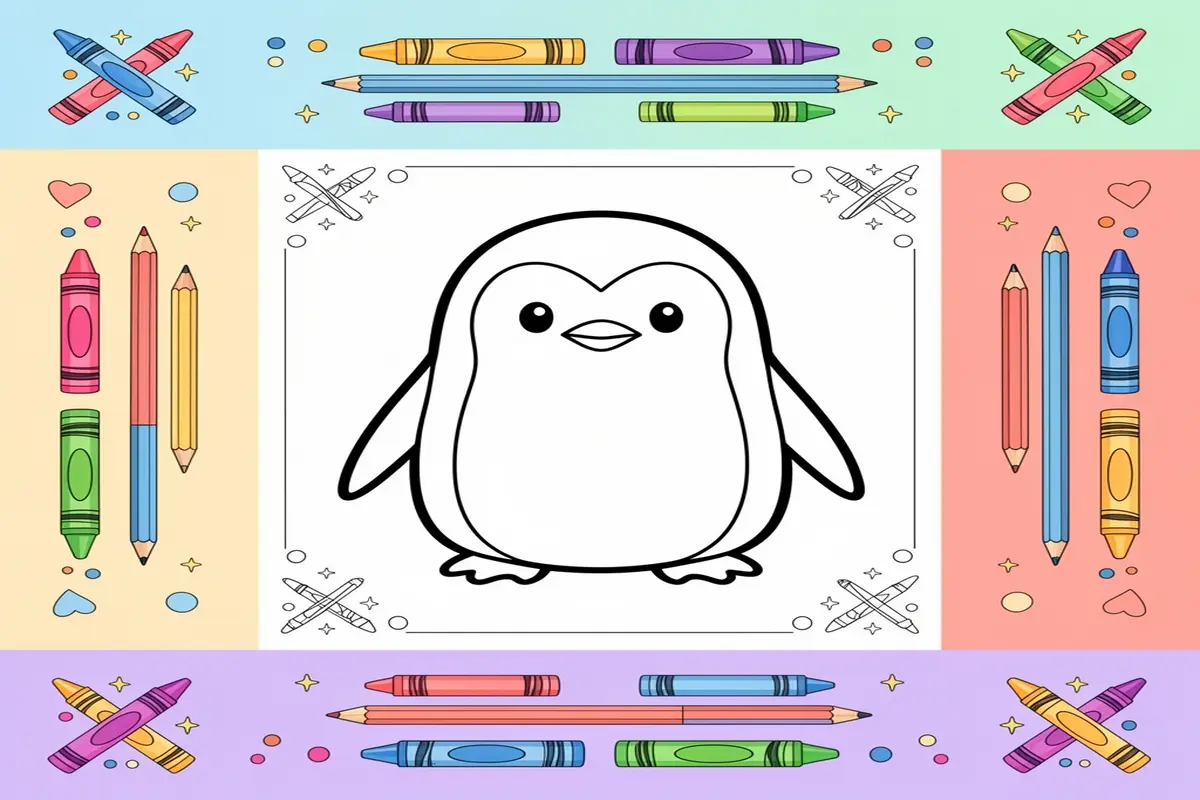
In a world brimming with digital noise, the simple act of coloring offers a sanctuary of calm and creative expression. For children, it’s a gateway to imagination, fine motor skill development, and joyful focus. Among the most enchanting subjects to explore are the charming, tuxedo-clad residents of the Southern Hemisphere. Our collection of penguin coloring pages for kids invites young artists on a delightful journey to the Antarctic, where every black-and-white outline is a blank canvas awaiting a splash of color and personality. These pages do more than entertain; they spark curiosity about wildlife, ecosystems, and the playful nature of these beloved birds. Whether depicting a waddling adult or a fluffy chick, penguin coloring pages for kids provide a perfect blend of education and artistry. For those who love exploring the wonders of the deep, this creative adventure pairs beautifully with our aquatic-themed free dolphin coloring pages, expanding a child’s horizon from icy shores to ocean waves.
Part 1: The Allure of the Antarctic Artist: Why Penguins Captivate Young Minds
The Psychology of Playful Focus: More Than Just Coloring
Engaging with penguin coloring pages for kids is a deceptively powerful activity. The recognizable, rounded shapes of a penguin are forgiving for little hands learning control, while the classic color scheme offers a fun challenge—will they go traditional with black and white, or imagine a rainbow-hued fantasy bird? This decision-making process boosts cognitive development and confidence. The focused attention required to stay within lines (or creatively go outside them!) practices mindfulness, reducing anxiety and providing a tangible sense of accomplishment. It’s a quiet moment of achievement in a busy world.
A Gateway to Global Wonders: Learning Through Art
Each penguin illustration is a silent storybook. As children color, natural questions arise: Where do penguins live? What do they eat? How do they stay warm? This transforms art time into an impromptu geography and biology lesson. Parents and educators can use these penguin coloring pages for kids as a springboard to discuss habitats, conservation, and the importance of our planet’s polar regions. It fosters empathy and a global perspective, showing that creativity can be a powerful tool for connection and understanding.
Curated for Every Young Explorer: From Toddler to Tweens
The beauty of this theme lies in its versatility. Simple, bold outlines are perfect for preschoolers just grasping a crayon, while more detailed scenes of penguin colonies on icebergs challenge older children and even tweens. This inclusivity ensures that every child, regardless of skill level, can find joy and a suitable challenge. It’s an activity that grows with the artist, making penguin coloring pages for kids a perennial favorite in any creative toolkit, much like exploring the diverse creatures found in our collection of animal coloring pages for kids.
Professional Materials & Preparation for penguin coloring pages for kids
To ensure a smooth and enjoyable coloring session, having the right materials prepared is key. This section details the essential supplies and setup needed to bring your penguin coloring pages for kids to life, focusing on quality and practicality for both home and classroom use. Proper preparation not only enhances the final artwork but also makes the activity more engaging and less stressful for everyone involved.
The Foundation: Selecting Premium Paper for penguin coloring pages for kids
The paper you choose directly impacts the coloring experience and final result. For standard printing of penguin coloring pages for kids, a bright white, smooth paper with a weight of 100-120 GSM (grams per square meter) is ideal. This weight is thick enough to prevent bleed-through from markers while providing a good surface for pencils. For a more artistic project, consider cardstock (160-200 GSM), which holds up beautifully to mixed media and allows for detailed layering. If you’re printing intricate designs featuring penguin feathers or icy landscapes, a slightly textured paper can add depth to colored pencil work. Always have a few extra sheets on hand for practice runs or enthusiastic young artists who want to color multiple pages, like our engaging zebra coloring pages free printable.
Optimal Coloring Mediums: Precision vs. Vibrancy
The choice between colored pencils and markers is fundamental. Colored pencils, particularly wax-based or oil-based sets, offer superior control for detailing the tuxedo-like markings on a penguin. They are erasable, blendable, and ideal for teaching shading techniques on a penguin’s rounded belly. Look for pencils with high pigment concentration for vibrant results. Markers, such as alcohol-based brush markers or fine-tip water-based sets, provide brilliant, uniform color fills perfect for larger areas like the dark ocean or a sunny sky backdrop. A key consideration is bleed-through; always place a scrap sheet underneath the page when using markers. For most children, a high-quality set of colored pencils paired with a pack of fine-tip markers offers the perfect balance of detail and color payoff.
Enhancing Details: Gel Pens, Blenders, and Finishing Tools
The magic often lies in the details. A set of white and metallic gel pens is indispensable for adding highlights to a penguin’s eyes, creating sparkling snowflakes, or drawing glistening ice. Blending tools are equally important: paper stumps or tortillons seamlessly blend colored pencils for smooth gradients on a penguin’s body, while a colorless blender marker can soften and merge marker strokes for a professional look. Don’t overlook a good vinyl eraser for correcting pencil mistakes and a sharpener that preserves pencil points. For mixed-media exploration, consider adding watercolor pencils, which can be used dry or with a damp brush to create soft, watery backgrounds for your aquatic scenes.
Crafting the Ideal Workspace: Ergonomics and Lighting
A well-prepared workspace fosters focus and creativity. Ensure the coloring area has ample, natural light or a bright, white LED lamp to reduce eye strain and allow for accurate color perception. The seating should support good posture; for younger children, a table and chair at the correct height are essential. Keep supplies organized in cups or caddies for easy access. Lay down a protective mat or newspaper to guard surfaces against stray marks. Finally, keep a damp cloth nearby for quick clean-ups. This thoughtful setup transforms coloring from a simple pastime into a dedicated, enjoyable craft session.
Mastering Penguin Coloring Pages for Kids: Advanced Artistic Techniques
Ready to transform those adorable black-and-white outlines into vibrant, lifelike masterpieces? Moving beyond basic filling, these professional techniques will elevate your child’s penguin coloring pages for kids from simple activities to impressive works of art. This guide is designed for parents and teachers to coach young artists in adding depth, realism, and creativity to every page.
Harmonious Palettes: Color Theory for Penguin Coloring Pages for Kids
While we know penguins are classically black and white, creative coloring invites exploration! Teach children about color harmony to make their scenes pop.
Complementary Colors: For a bold, energetic look, use opposites on the color wheel. Imagine a penguin with a bright orange beak and scarf against a deep blue Antarctic backdrop. This contrast makes the subject leap off the page.
Analogous Colors: For a calm, cohesive scene, choose colors next to each other. A sunset sky behind the penguins could blend soft yellows, oranges, and pinks, creating a peaceful feeling. This technique is also perfect for creating beautiful ocean scenes, much like those found in our free whale coloring pages and jellyfish coloring pages.
From Flat to 3D: Shading for Depth and Dimension
Shading is the magic that turns a flat circle into a spherical penguin belly. Break it down into simple steps:
1. Identify Your Light Source: Decide where the “sun” is in the picture (e.g., top left). Every shadow will be opposite this.
2. Pressure Control: Practice pressing harder for dark areas (like the penguin’s shadowed back) and lighter for areas hit by light (like the center of its white chest).
3. Layering: Use gentle, circular strokes to build color gradually. The area where the black back meets the white belly can have layers of gray to create a smooth, rounded transition.
Adding Realism: Texture Techniques for Feathers and Ice
Texture brings a scene to life. Here’s how to simulate different surfaces on penguin coloring pages for kids:
Feathers: Avoid solid black. Use short, quick, overlapping strokes or tiny “U” shapes to suggest the fluffy, layered texture of feathers, especially around the neck and belly.
Icy Water: For the ocean or icebergs, use light, horizontal blue strokes, leaving some white paper showing through for a glistening, reflective effect. Blend with a white crayon over blue for a frosted look.
Snow: Use tiny dots or very light, speckled strokes with a blue or light gray to show snow texture, avoiding a flat white field.
The Art of Correction: Gracefully Fixing Coloring Mistakes
Mistakes are part of the process! Teach these recovery strategies:
Embrace It: Turn a stray mark into a snowflake, a fish in the water, or a pebble on the shore.
Strategic Layering: If a color goes outside the lines, use the background color to carefully redefine the edge. For example, use white to clean up the border of a penguin’s chest.
Pressure Blending: A heavily colored area can sometimes be lightened by gently dabbing with a kneaded eraser or by blending a lighter color over it to subdue the mistake. The key is to stay calm and creative—every artist has a unique journey, just like the diverse creatures found in our animal coloring pages for kids collection.
Showcasing Your Penguin Coloring Pages for Kids: Creative Display Ideas
Once the final splash of orange is added to a beak, the masterpiece is complete! But the fun doesn’t have to stop there. Transforming your child’s completed penguin coloring pages for kids into cherished decor or heartfelt gifts extends the creative joy and builds immense pride in their artistic accomplishments.
Preserving Your Masterpiece: Archival Tips
Before displaying, consider preservation. For long-term keepsakes, use acid-free glue sticks or photo corners to mount pages on sturdy cardstock or scrapbook paper, preventing yellowing. A simple, clear laminating sheet is a kid-friendly option that protects against spills and tears, making artwork durable enough for the refrigerator door or a busy playroom wall. For a gallery feel, place the colored page in a budget-friendly frame with a colorful mat border.
Beyond Display: Creative DIY Projects
Turn colored pages into meaningful projects. Create custom greeting cards by folding construction paper and gluing the penguin artwork on the front—perfect for birthdays or thank-yous. For a fun reading companion, laminate the page, cut out the penguin, punch a hole at the top, and add a yarn tassel to make a unique bookmark. You can also craft a delightful winter mobile by stringing several different colored penguins from a coat hanger, pairing them beautifully with our snowy landscape coloring pages for kids for a full Arctic scene.
Your Penguin Coloring Pages for Kids Questions Answered
How do you draw a cute penguin?
Start with a simple upright oval for the body. Add a smaller, round head on top. Draw two small oval flippers on the sides and two stubby feet at the bottom. For cuteness, give it large, circular eyes and a small triangular beak. A rounded belly patch completes the classic look, making it a perfect sketch to then turn into your own penguin coloring pages for kids.
Where can I find free penguin coloring pages?
You can find a wonderful variety of free, printable penguin coloring pages for kids right here on our site! We offer everything from simple cartoon chicks to more detailed Emperor penguins, all designed to be easily downloaded and printed at home for instant creative fun.
What are the benefits of coloring for kids?
Coloring boosts fine motor skills and hand-eye coordination as children practice staying within lines. It’s a calming activity that fosters focus and reduces anxiety. It also encourages color recognition, creativity, and self-expression, providing a wonderful, screen-free way for kids to relax and feel a sense of accomplishment.
How do I print coloring pages at home?
Ensure your printer has ink and paper. Download your chosen coloring page (usually a PDF or JPEG file). Open the file, select “Print,” and in your printer settings, choose “Fit to Page” for proper scaling. Use standard printer paper for practice or slightly heavier cardstock for a better coloring experience with markers.
What colors do I need for a penguin?
The classic palette is black, white, and orange (for the beak and feet). However, encourage creativity! Penguins can have grey backs, yellow details, or even imaginative purple bellies. For the environment, add blues for water, whites and greys for ice, and maybe some green for northern lights, making each penguin coloring pages for kids unique.
Final Thoughts: Your Penguin Coloring Pages for Kids Journey Begins
The journey with penguin coloring pages for kids is about so much more than filling in shapes. It’s a gateway to learning about amazing wildlife, a quiet moment of family connection, and a vibrant celebration of your child’s unique imagination. Each finished page is a testament to their growing skills and a joyful artifact of childhood creativity. We hope this guide has inspired you with new ideas for coloring, displaying, and exploring.
Ready for your next adventure? Explore our frozen world of arctic animal coloring pages for kids and continue the creative safari!