We offer a wide collection of free, high-quality printable coloring pages for kids and adults. From cute animals to intricate mandalas, our designs bring creativity and relaxation to everyone. Download, print, and start coloring today!

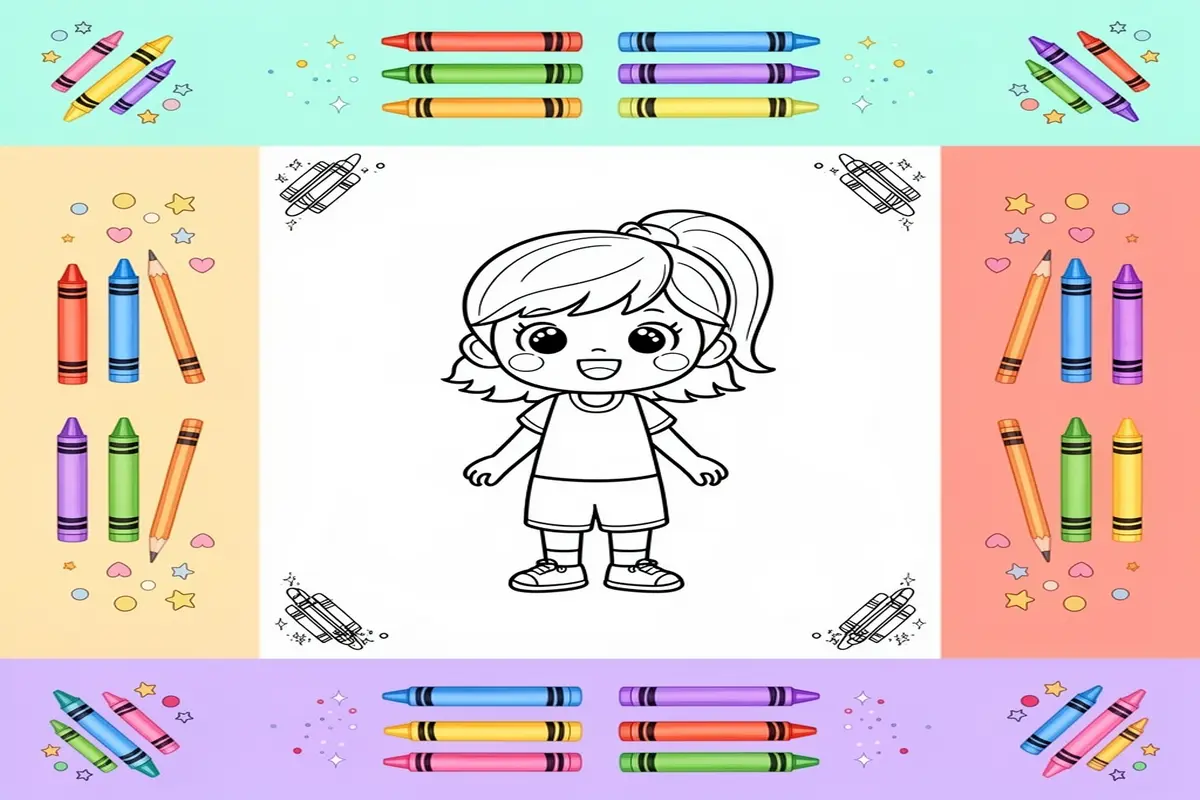
In a digital world saturated with animated characters and fantastical creatures, there’s a profound simplicity in returning to the most relatable subject of all: ourselves. people coloring pages for kids offer a unique and powerful gateway to artistic expression, moving beyond the menagerie of safari animals and mythical beasts to explore the rich tapestry of human experience. These pages are more than just outlines; they are blank slates for storytelling, empathy-building, and self-discovery. As children select skin tones, hair colors, and clothing, they aren’t just filling in shapes—they are engaging in a fundamental act of recognition and representation. This makes people coloring pages for kids an essential, yet often overlooked, tool for nurturing social-emotional learning alongside fine motor skills, providing a reflective surface where young artists can see facets of their own world and imagination come to life.
Beyond the Lines: The Developmental Power of Human Figures
Engaging with human forms in art is a foundational developmental activity. While coloring a dolphin or a dinosaur sparks wonder about the natural world, coloring people connects directly to a child’s social environment and sense of self.
The Mirror of Self: Fostering Identity and Representation
When a child encounters a people coloring pages for kids that reflects their own appearance or culture, it validates their identity. Choosing colors for skin, hair, and traditional dress allows for personal connection and pride. Conversely, coloring people who look different from them is a gentle, hands-on lesson in diversity and inclusivity. This active participation in creating diverse human images builds a more nuanced understanding of the world than passive observation, making these pages a subtle but powerful tool for discussing unity in our human family.
A Canvas for Stories: Building Narrative and Emotional Intelligence
A person is never just a shape; they are a character waiting for a story. Is the figure a doctor, an astronaut, a dancer, or a grandparent? The context provided by the page—or invented by the child—sparks narrative thinking. As children decide on colors for clothing and settings, they are making conscious choices that reflect emotions, roles, and scenarios. This process builds emotional intelligence as they consider why a character might wear certain colors or have a particular expression, moving the activity from simple color-matching to complex, empathetic storytelling.
From Fine Motor Skills to Lifelong Appreciation
The practical benefits are equally significant. The varied contours of human figures—from the curves of a face to the details of hands and clothing—present a wonderful challenge for developing fine motor control and precision. This practice is crucial for handwriting readiness. Furthermore, early and positive exposure to drawing and coloring the human form lays the groundwork for an appreciation of portraiture and figurative art throughout life, fostering a lasting connection to the arts that celebrate humanity in all its forms.
Professional Materials & Preparation for people coloring pages for kids
To ensure a successful and enjoyable coloring session with people coloring pages for kids, having the right materials and a prepared workspace is crucial. This preparation not only enhances the final artwork but also makes the process more engaging for young artists. Whether you’re a parent setting up a weekend activity or a teacher planning a classroom project, this guide details the essential supplies and setup for bringing people coloring pages for kids to life.
The Foundation: Selecting Premium Paper for people coloring pages for kids
The paper you choose is the single most important factor in coloring quality. For standard printing of people coloring pages for kids, a bright white, smooth, medium-weight paper (around 100-120 GSM) is ideal. This weight prevents bleed-through from markers while providing a sturdy surface for pencil layering. For advanced projects, consider upgrading to marker-specific paper or even light cardstock, which allows for blending techniques without warping. If your chosen page features intricate details, such as those found in our character coloring pages, smoother paper allows for greater precision with fine liners and colored pencils.
Best Coloring Tools: A Detailed Medium Comparison
The choice of coloring medium defines the artistic outcome. Here’s a professional comparison:
Colored Pencils: The most versatile and forgiving tool. Wax-based pencils (like Crayola) are excellent for beginners, offering smooth application. For more advanced blending and vibrant layers, oil-based or soft-core pencils (like Prismacolor) are superior. They allow children to practice pressure control and color mixing, perfect for shading skin tones and clothing on people coloring pages.
Markers: Provide bold, vibrant, and uniform color. Alcohol-based markers (like Copic or Ohuhu) offer seamless blending ideal for large areas like backgrounds or clothing but require bleed-proof paper. Water-based markers (like washable brands) are safer for younger children and easier to clean, though they can streak on larger spaces. Always place a scrap sheet underneath to protect your work surface.
Finishing Touches: Gel Pens, Liners, and Highlights
Elevate the artwork with tools designed for detail and shine. Fine-line black pens (0.3-0.5 mm) are perfect for redefining outlines or adding intricate patterns to clothing and accessories on people coloring pages for kids. Gel pens, especially in metallic, glitter, and white, are fantastic for adding highlights to eyes, jewelry, or creating decorative elements. A white gel pen is indispensable for adding tiny dots to eyes or bright highlights on hair, instantly making illustrations pop. These tools empower kids to add personal, creative flourishes to their work.
Creating the Perfect Workspace: Ergonomics and Lighting
A well-prepared environment fosters focus and creativity. Prioritize ample, natural light or a bright, neutral-white LED desk lamp to reduce eye strain and ensure colors are seen accurately. Ensure the seating supports good posture; the child’s feet should rest flat, with the table at elbow height. Keep supplies organized in cups or trays for easy access. For easy cleanup, especially with markers, use a washable tablecloth or a dedicated art mat. This structured yet comfortable setup signals that it’s time to create and helps children fully engage with their people coloring pages for kids.
Part 3: Elevating Your Art: Advanced Techniques for People Coloring Pages for Kids
Moving beyond simple fill-in, advanced techniques can transform a flat image into a vibrant, lifelike scene. When working with people coloring pages for kids, mastering a few key artistic methods empowers young artists to add incredible depth, emotion, and realism to their creations. This section is designed for parents and teachers to guide children toward more professional, satisfying results.
Harmonious Palettes: Color Theory for Lifelike Characters
Understanding basic color relationships makes a world of difference. For people coloring pages for kids, teach the concept of analogous colors (colors next to each other on the wheel, like blues and purples for a cool outfit) for harmonious, calming results. Introduce complementary colors (opposites like red and green) to make elements “pop”—perfect for a character’s bright accessory against their clothing. Start with skin tones by blending light peach, beige, and subtle pinks, avoiding a single flat color. For more practice with organic forms, explore our face coloring pages for kids to focus on complexions and features.
From Flat to 3D: Mastering Light and Shadow
Shading is what gives a drawing volume. Identify a single light source (e.g., the sun in the top corner). Everything facing that light is lighter; surfaces turned away are darker. On a character’s face, the forehead, nose, and cheek closest to the light will be brightest. Use gentle, layered pressure with your pencil or crayon to build shadows under the chin, along the neck, and on the side of the clothing. For clothing, add folds by drawing thin, dark lines that taper at the ends and shading one side. A simple sphere exercise, like shading a ball, is excellent practice before applying the technique to a rounded head or body.
Adding Realism: Textures That Tell a Story
Texture brings a character’s world to life. For people coloring pages for kids, different elements require distinct approaches:
Hair: Don’t color hair as one solid block. Use quick, flowing strokes in the direction the hair grows, leaving tiny streaks of white for shine.
Fabric: For denim, use cross-hatching (tiny crossed lines) with blue. For a fluffy winter coat, use small, tight circular scribbles with a white or grey pencil on top to blend.
* Backgrounds: Create a simple sky with soft, sideways strokes, blending from dark blue at the top to light blue near the horizon. For a textured background, our nature coloring pages for kids offer great elements like grass and trees to practice on.
The Art of Correction: Graceful Fixes for Common Mistakes
Mistakes are part of the process. For waxy crayon slips outside the lines, gently scrape away the excess with a toothpick or craft knife (adult supervision required). For pencil smudges, a good art eraser is key; kneaded erasers are excellent for lifting color without damaging paper. If a color turns out too dark, try blending a lighter color over it—yellow can lighten a green, white can soften a blue. Most importantly, teach children to incorporate “happy accidents.” A stray mark can become a button, a freckle, or a pattern on a shirt. The goal is creative problem-solving, not perfection.
Showcasing Your People Coloring Pages for Kids: Creative Display Ideas
Once the final crayon stroke is made, the fun doesn’t have to end! Transforming your child’s completed people coloring pages for kids into cherished decor or heartfelt gifts is a wonderful way to celebrate their creativity and build their confidence.
Preserving Your Masterpiece: Archival Tips
To ensure those vibrant colors last, consider simple preservation methods. For a professional touch, use a can of clear, acid-free spray fixative to prevent wax bloom from crayons. Laminating pages is a durable option for art that will be handled often. For framed displays, opt for UV-protective glass to prevent fading from sunlight, turning their artwork into a long-lasting keepsake for their room.
Beyond Display: Creative DIY Projects
A colored page is just the beginning of a craft project. Help your child cut out their finished figures to create custom greeting cards, personalized bookmarks, or unique gift tags. You can also decoupage several pages onto a plain storage box or picture frame. For a collaborative family project, combine their people coloring pages with other themed art, like our vibrant Fish Coloring Pages, to create a stunning underwater mural for their playroom.
Your People Coloring Pages for Kids Questions Answered
What are the benefits of coloring for kids?
Coloring is a powerhouse for development. It strengthens fine motor skills and hand-eye coordination as children learn to grip and control writing tools. It fosters creativity and color recognition while also serving as a calming, focused activity that can reduce anxiety and improve concentration, making it both fun and fundamentally beneficial.
How do you color skin tones with crayons?
Embrace diversity! Move beyond a single “peach” or “brown” crayon. Teach children to layer and blend colors. Start with a light base layer, then gently add subtle hints of red, yellow, brown, or even a touch of blue or purple in shadow areas. Using our people coloring pages for kids is a perfect opportunity to practice creating a beautiful spectrum of realistic skin tones.
At what age should a child color inside the lines?
There’s no strict deadline. Typically, between ages 3 and 5, children start developing the motor control and perception to color with more boundaries. However, the primary goal for preschoolers is creative expression. Praise their effort and choice of colors over precision. The skill of staying within lines will naturally improve with practice and maturity.
Where can I find free printable coloring pages?
You can find a vast collection of high-quality, free printable pages right here on our site! We offer thousands of themes to suit every interest. From specific people coloring pages for kids to animals, holidays, and educational topics, simply browse, download, and print. It’s an easy and cost-effective way to provide endless creative material.
How does coloring help child development?
Coloring supports holistic child development. Cognitively, it boosts focus, patience, and problem-solving as kids plan their color schemes. Emotionally, it provides a safe outlet for expression and stress relief. Socially, it can be a shared activity that encourages communication. It’s a foundational activity that prepares the brain and hands for future academic tasks like writing.
Final Thoughts: Your People Coloring Pages for Kids Journey Begins
The journey with people coloring pages for kids is about so much more than filling in outlines. It’s a pathway to developing essential skills, expressing unique perspectives, and sharing quality, screen-free time together. Each page completed is a testament to your child’s growing abilities and imagination, a tangible piece of their creative story. We hope these ideas for display, DIY projects, and developmental insights inspire you to celebrate every colorful creation.
Ready for your next adventure? Explore our Dinosaur Coloring Pages for Kids for a prehistoric burst of creativity!