We offer a wide collection of free, high-quality printable coloring pages for kids and adults. From cute animals to intricate mandalas, our designs bring creativity and relaxation to everyone. Download, print, and start coloring today!

In a world saturated with digital screens, the simple, tactile joy of coloring offers a profound respite. It’s a gateway to quiet focus, a canvas for self-expression, and for children, a foundational tool for development. When that canvas is populated with beloved animal companions, the experience transforms. Pet coloring pages for kids do more than entertain; they forge a connection between young artists and the creatures they adore, fostering empathy, curiosity, and a deep-seated love for the animal kingdom. From the loyal family dog to the graceful leap of a dolphin, these pages invite children into a world of color and care. This creative journey builds fine motor skills, color recognition, and provides a peaceful, screen-free activity that parents can wholeheartedly endorse. As we explore the enduring appeal of these artistic adventures, consider how our collection of free dolphin coloring pages can spark that initial wave of inspiration, leading to a whole universe of pet coloring pages for kids waiting to be brought to life.
The Heart of the Hobby: Why Pets Captivate Young Artists
At the intersection of art therapy and childhood development lies the powerful appeal of animal-themed activities. Pet coloring pages for kids tap into a universal fascination, offering a unique blend of educational and emotional benefits that few other subjects can match.
The Psychology of the Pet Bond: Fostering Empathy Through Art
The connection between children and animals is instinctive and profound. Coloring a familiar or aspirational pet—be it a kitten, a pony, or a tropical fish—allows a child to project care and imagination onto the page. This act is more than decorative; it’s an exercise in nurturing. As they choose colors for fur, feathers, or scales, children engage in storytelling and emotional role-play, building blocks for empathy and responsibility. The calming, repetitive motion of coloring a friendly animal face can also significantly reduce anxiety, creating a safe space for mindfulness and emotional regulation.
A Timeless Tradition: From Cave Walls to Coloring Books
The impulse to depict animals is one of humanity’s oldest artistic traditions, tracing back to prehistoric cave paintings. Today’s pet coloring pages for kids are a direct descendant of that lineage, democratizing art and making it accessible to all young learners. This activity bridges generations, offering a shared language of creativity. It’s a modern ritual that connects children to a long history of representing the creatures we live alongside, transforming a simple pastime into a cultural touchstone.
Designed for All Hands: From Toddler Grip to Tween Detail
The beauty of printable pet coloring pages for kids lies in their incredible versatility. For the youngest artists, simple outlines of bunnies or chicks help develop pencil grip and boundary recognition. As skills advance, more intricate designs of horse manes or leopard spots provide a satisfying challenge, improving concentration and attention to detail. This scalable complexity ensures every child, regardless of age or ability, can find a page that offers the perfect balance of enjoyment and achievement, making art a confident and rewarding pursuit.
Part 2: Essential Materials & Preparation for pet coloring pages for kids
To ensure a successful and enjoyable coloring session, having the right materials is as important as choosing the perfect pet coloring pages for kids. Proper preparation not only enhances the final artwork but also makes the process more comfortable and engaging for young artists. This guide outlines the professional-grade supplies and setup considerations that will elevate your child’s coloring experience from simple activity to a creative exploration.
The Foundation: Selecting Premium Paper for pet coloring pages for kids
The paper you choose is the canvas for your child’s creativity and directly impacts how coloring tools perform. For standard printing of pet coloring pages for kids, a bright white, smooth, medium-weight paper (around 100-120 GSM) is ideal. This weight is thick enough to prevent bleed-through from markers while providing a good surface for colored pencils to layer pigment. For a more artistic result, consider experimenting with mixed-media paper, which can handle light washes if you incorporate water-based tools. Always print a test page to check for smudging or poor ink absorption before starting a major project. For children who love aquatic pets, pairing high-quality paper with our detailed fish coloring pages can result in stunning, gallery-worthy artwork.
Best Coloring Tools: A Detailed Comparison of Mediums
The choice between markers, colored pencils, and crayons defines the artwork’s texture and vibrancy.
Colored Pencils: The most versatile and forgiving tool for pet coloring pages for kids. Look for pencils with soft, wax- or oil-based cores that offer rich pigment and smooth application. They are excellent for teaching shading, blending, and fine detail work, such as adding fur texture to a kitten or scales to a lizard. A set of 24-48 colors provides ample range without being overwhelming.
Markers: Brilliant for bold, solid areas of color. For children, alcohol-based markers are not recommended due to strong fumes and permanent bleed-through. Instead, opt for high-quality water-based markers with dual tips (broad and fine). They offer vibrant color and are easier to control. Always place a scrap paper underneath the coloring page to protect the work surface.
Crayons: Fantastic for younger children developing grip strength. They encourage broad, expressive strokes and are inherently mess-free. While less precise, they are perfect for filling large areas and can be layered for interesting effects.
Finishing Touches: Enhancing Details with Gel Pens & Highlights
Once the base coloring is complete, introducing specialty tools can add professional flair and excitement. Gel pens, particularly in metallic silver, gold, or white, are perfect for adding whimsical details like a collar sparkle, shiny pet tags, or highlights in an animal’s eyes. Fine-line permanent markers (e.g., 0.3 mm tip) in black or dark brown can be used by older children or with adult supervision to carefully redefine outlines that may have become obscured, making the image pop. A simple white colored pencil or a white gouache paint pen can be used to add subtle highlights on fur or feathers, teaching children about light source and dimension.
Perfect Workspace: Optimizing Lighting & Ergonomics
A well-prepared workspace prevents fatigue and keeps the focus on fun. Ensure the coloring area is bathed in consistent, natural light or supplemented with a bright, cool-white LED lamp to reduce eye strain and allow for accurate color perception. The seating should support good posture; the child’s feet should rest flat on the floor or a stool, with the table at elbow height. For surface protection, use a large desk pad or a simple piece of cardboard. Organize supplies within easy reach in small cups or trays—having a dedicated place for pencils, a separate one for markers, and a third for specialty tools minimizes clutter and frustration, allowing the artist to focus on bringing their pet coloring pages for kids to life.
Part 3: Elevating Your Art: Advanced Techniques for pet coloring pages for kids
Ready to transform those simple outlines into vibrant, lifelike masterpieces? Moving beyond basic coloring, these advanced techniques will help kids (and adults!) develop real artistic skills. Mastering these methods turns pet coloring pages for kids from a simple pastime into a true creative education, building confidence and a deeper appreciation for art.
Harmonious Palettes: Color Theory for pet coloring pages for kids
Understanding a little color theory can make any project pop. Start with the basics: Complementary colors (opposites on the color wheel, like orange and blue) create vibrant contrast and make elements stand out—perfect for a parrot on a branch. Analogous colors (neighbors on the wheel, like blue, teal, and green) create harmony and are ideal for creating a serene scene, like a peaceful ocean for our free dolphin coloring pages. Encourage young artists to plan a palette before starting. For a warm, friendly feel on a farm animal coloring page, stick with analogous reds, oranges, and yellows.
From Flat to 3D: Mastering Light and Shadow
The secret to making a flat image look three-dimensional is shading. Teach kids to imagine a light source (like the sun) in one corner of the page. The sides of the animal facing the light are lighter; the sides away* are darker. Start with a base color, then use a slightly darker shade of the same color to add shadows in the recesses—under the ears, belly, or tail. Use a white colored pencil or leave areas bare for highlights. A step-by-step approach on a horse coloring page for kids can show how shading defines powerful muscles and a sleek coat.
Adding Realism: Texture Techniques for Fur, Scales, and More
Texture brings your pet to life. For fur, use short, quick strokes in the direction the hair grows, leaving tiny gaps for a realistic look. Layer different shades of brown on a lion coloring page to create a majestic mane. For scales on a fish or reptile, try overlapping small, curved “U” shapes, shading the bottom of each scale darker. For smooth skin like a dolphin, use long, even, blended strokes. Experimenting with these textures on diverse pages, from a fluffy rabbit to a scaly leatherback sea turtle, builds an impressive skill set.
The Art of Correction: Gracefully Fixing Coloring Mistakes
Mistakes are part of the process! Teach these graceful fixes: For small slips outside the lines, use a white gel pen or a sharpened eraser to clean up edges. If a color is too dark, try gently lightening it by blending with a white colored pencil. For a major color change, turn it into a creative opportunity—maybe that accidentally green dog becomes a fun, fantastical creature! The key is to stay flexible and not strive for perfection. Using high-quality, slightly thicker paper can also prevent bleed-through and allow for more erasing and layering, making the journey with pet coloring pages for kids much less stressful and more enjoyable.
Showcasing Your pet coloring pages for kids: Creative Display Ideas
Once the crayons are down, the fun continues! Turning your child’s pet coloring pages for kids into a gallery of their work boosts confidence and celebrates their creativity. These finished masterpieces deserve more than a folder in a drawer.
Preserving Your Masterpiece: Archival Tips
To keep artwork vibrant, consider simple preservation methods. For pieces you want to last, use acid-free sheet protectors in a binder. A can of clear, matte artist’s spray fixative (used in a well-ventilated area) can prevent wax crayon from smudging. For a budget-friendly display, washi tape or colorful clips on a string creates a rotating gallery that’s easy to update without damaging walls.
Beyond Display: Creative DIY Projects
Transform colored pages into meaningful projects. Laminate a favorite page and cut it into unique bookmarks. Fold a colored page around a blank card to create a heartfelt, personalized greeting card for family. You can even decoupage several pages onto a small keepsake box. For a collaborative project, combine different farm animal coloring pages, like our cow coloring pages free printable, to create a charming barnyard mural for a playroom.
Your pet coloring pages for kids Questions Answered
What are the benefits of coloring for kids?
Coloring is a powerhouse activity for development. It significantly enhances fine motor skills and hand-eye coordination as children learn to control crayons within lines. It fosters creativity, color recognition, and focus. It also serves as a wonderful, calming emotional outlet, helping kids express feelings and practice patience in a screen-free environment.
Where can I find free printable pet coloring pages for kids?
You can find a wonderful variety on dedicated educational and activity sites like Safari Coloring. We offer countless free, high-quality PDFs, from common pets to exotic animals. Libraries and children’s museums often provide free resources online. Always ensure you’re downloading from a reputable site to avoid unwanted software.
How to turn a photo of my pet into a coloring page?
You can easily convert a pet photo using free online tools or apps. Upload a high-contrast, clear photo to a website that offers a “photo to sketch” conversion. Adjust the filters to simplify details and enhance outlines. For a hands-on method, print the photo, place tracing paper over it, and draw the key outlines for a personalized pet coloring pages for kids project.
At what age should a child start coloring?
Toddlers can start exploring with large, easy-grip crayons around 12-18 months, focusing on sensory scribbling. By age 2-3, they begin making controlled marks and can enjoy simple, large-shaped coloring pages. True coloring within lines often develops between ages 3 and 5. Always follow the child’s interest and make it a pressure-free, fun experience.
Does coloring help with fine motor skills?
Absolutely. Coloring is one of the best activities for building the fine motor skills essential for writing. The precise grip and controlled movement required to maneuver a crayon strengthens the small muscles in the hands and fingers. This practice improves dexterity, pencil control, and hand strength, providing a crucial foundation for academic tasks like handwriting.
Final Thoughts: Your pet coloring pages for kids Journey Begins
The simple act of coloring a pet picture opens a world of developmental benefits and joyful connection. It’s more than just staying inside the lines—it’s about building skills, expressing individuality, and creating cherished, quiet moments together. Each finished page, whether displayed on the fridge or turned into a gift, is a testament to your child’s growing abilities and imagination.
We hope this guide inspires you to fill your home with color and creativity. Remember, the journey is about the process, not perfection. So grab those crayons, print out a new favorite, and enjoy the adventure that unfolds with every stroke.
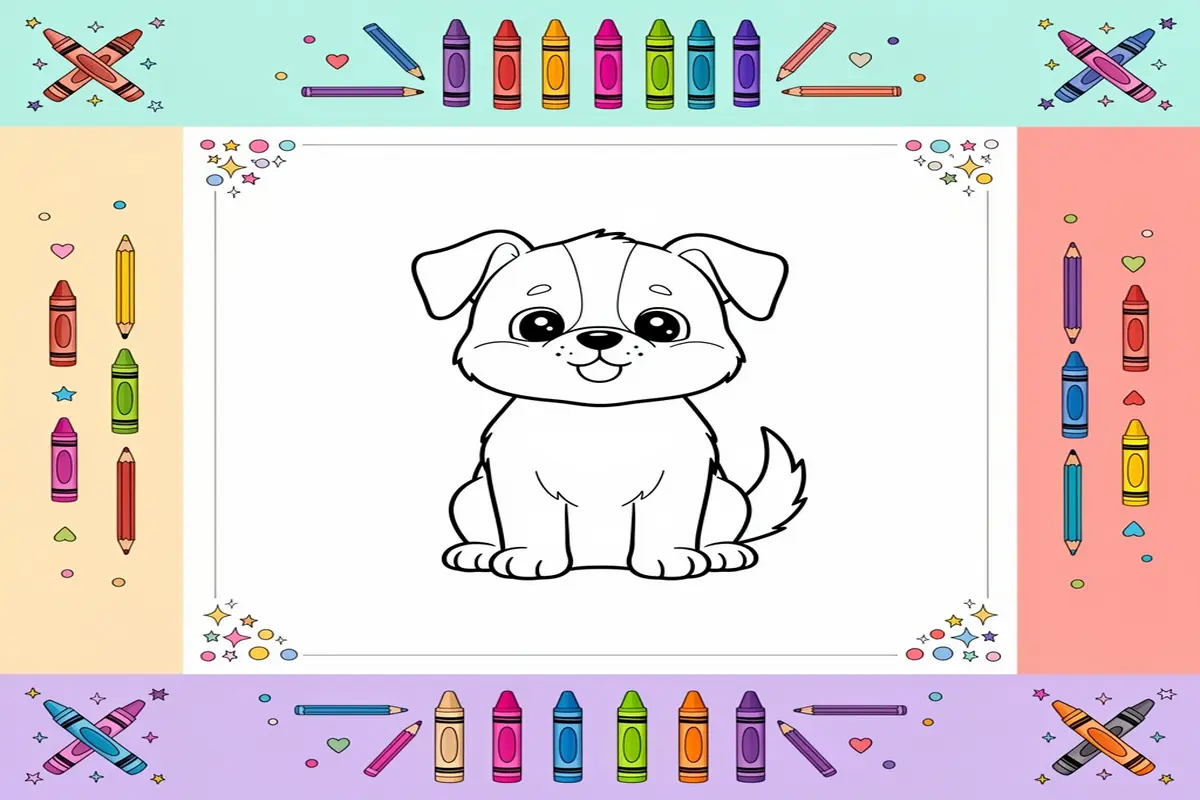
Ready for your next adventure? Explore our dog coloring pages for kids for more tail-wagging fun!