We offer a wide collection of free, high-quality printable coloring pages for kids and adults. From cute animals to intricate mandalas, our designs bring creativity and relaxation to everyone. Download, print, and start coloring today!

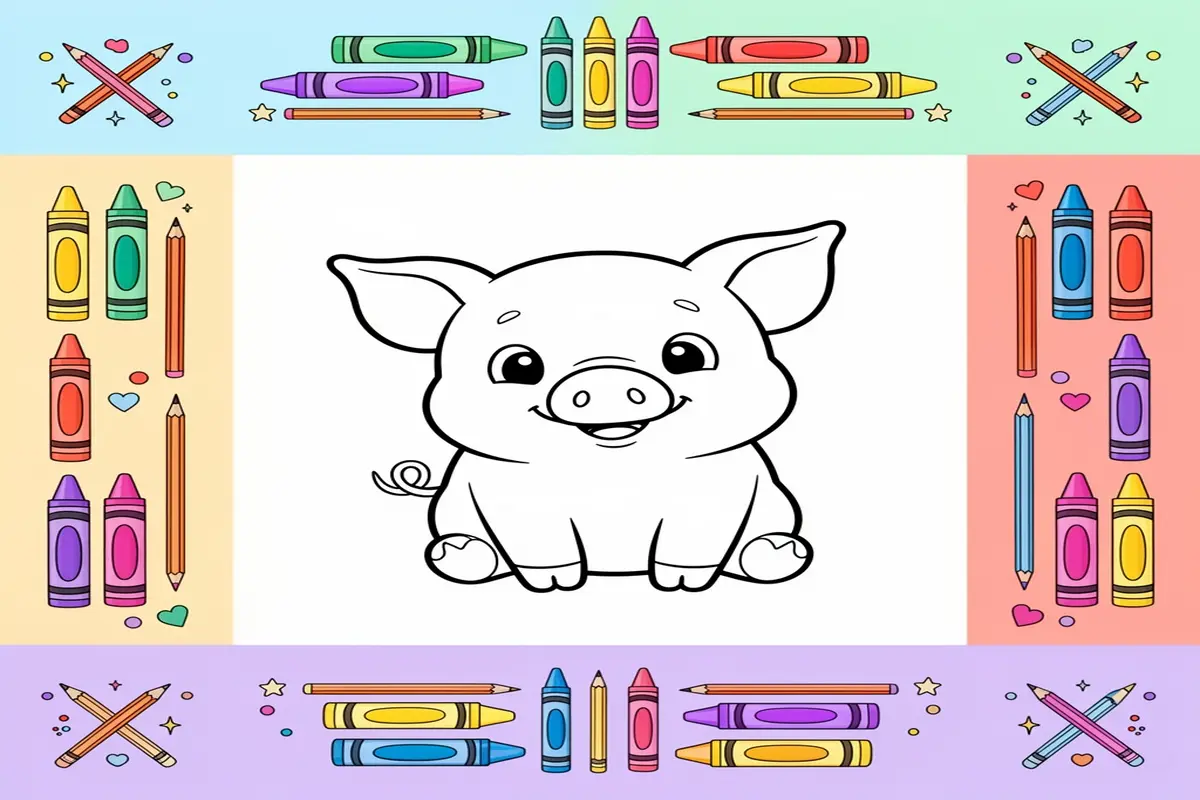
In a world of screens and digital noise, the simple act of coloring offers a tactile, calming sanctuary for young minds. It’s a gateway to creativity, fine motor skill development, and pure, unadulterated fun. Among the vast menagerie of animal themes, pig coloring pages for kids hold a special, charming appeal. With their round bodies, curly tails, and friendly snouts, pigs are a delightful subject that sparks imagination and joy. These pages are more than just outlines; they are blank canvases where children can explore color, texture, and storytelling. Whether creating a pink farmyard friend or a fantastical polka-dotted piglet, the possibilities are endless. As part of a broader collection of engaging activities, such as our serene free dolphin coloring pages, pig coloring pages for kids provide a wonderful, focused artistic adventure that celebrates one of the farm’s most beloved characters.
Part 1: Beyond the Barnyard: The Endearing Psychology of Piggy Art
What is it about pigs that captures the hearts of children and makes them such a perfect subject for coloring? The answer lies in a blend of psychology, cultural familiarity, and pure aesthetic fun.
The Comfort of the Familiar: Why Friendly Faces Foster Focus
Pigs are a staple of children’s literature, film, and farmyard visits. They represent a comforting, known quantity. This familiarity reduces anxiety around the “blank page” and allows young artists to engage more freely. Coloring a recognizable, friendly animal like a pig is an accessible entry point into art. The act of selecting colors for its snout, hooves, and that iconic curly tail requires observation and decision-making, promoting cognitive development in a low-pressure, enjoyable context. The very shape of a pig—often rounded and soft in illustrations—is inherently soothing to color, encouraging smooth, continuous strokes that build hand-eye coordination and patience.
A Canvas for Creativity: From Realistic to Rainbow
The beauty of pig coloring pages for kids is their incredible versatility. A single outline can be transformed in countless ways, teaching children about perception and choice. Will they color a realistic Yorkshire pig in earthy tones? Or will they unleash their imagination with a blue pig with green spots? This freedom empowers them, reinforcing that their creative choices are valid and celebrated. It’s a subtle lesson in self-expression and thinking outside the box (or the pigpen!). This thematic flexibility makes these pages a timeless resource, easily integrated into lessons about farms, animals, or even stories and fairy tales.
Curated for Little Hands: Building Confidence One Oink at a Time
Effective pig coloring pages for kids are designed with developmental stages in mind. For toddlers, pages feature bold, simple lines and large spaces perfect for broad crayon strokes. For older children, more detailed pages might include scenes of pigs in a muddy patch or with other barnyard friends, adding layers of storytelling. This thoughtful curation ensures that every child, regardless of skill level, can experience the satisfaction of completion. Successfully finishing a coloring page, especially one featuring a cheerful character like a pig, builds artistic confidence and can foster a lifelong love for creative pursuits, laying a foundation for more complex artistic endeavors down the road.
Professional Materials & Preparation for pig coloring pages for kids
To transform your pig coloring pages for kids from a simple activity into a rich, educational, and skill-building experience, the right materials and setup are crucial. Proper preparation not only enhances the final artwork but also fosters a child’s focus, creativity, and fine motor development. This guide details the professional-grade supplies and environmental considerations that will help young artists achieve their best results.
The Foundation: Selecting Premium Paper for pig coloring pages for kids
The paper you choose is the single most important factor in coloring success. For standard crayon or pencil work, a smooth, bright white paper around 100-120 GSM (grams per square meter) prevents bleed-through and provides a clean surface for blending. If your child prefers using markers, especially vibrant alcohol-based ones, seek out heavyweight marker paper (around 160 GSM) or even bleed-proof paper specifically designed to prevent ink from seeping through. For a mixed-media approach with water-based paints or wet techniques, cold-press watercolor paper (200+ GSM) is ideal. When printing your pig coloring pages for kids, always ensure your printer settings match the paper type for optimal ink adhesion and to avoid smudging.
Best Coloring Tools: A Detailed Medium Comparison
The choice between coloring mediums dramatically affects the outcome and skill practiced.
Colored Pencils: Opt for artist-grade pencils with soft, pigmented cores. They offer superior blendability and layering, allowing children to create texture for a pig’s curly tail or subtle shading on its snout. They require and develop patience and fine motor control.
Markers: Broad-tip markers are excellent for quick, bold coverage and are very satisfying for younger children. For more detailed work, fine-tip and brush-tip markers offer versatility. Alcohol-based markers provide seamless blends for creating gradient skies in farm scenes, but require supervision due to their strong odor and bleed potential. Water-based markers are a cleaner, child-friendly alternative.
Crayons & Gel Sticks: Don’t underestimate modern crayons. High-pigment, twistable crayons or gel sticks offer bold, opaque coverage with minimal pressure, perfect for preschoolers. They can be used for wax-resist techniques when combined with watercolor washes. For a broader range of adorable farm animals to complement your porcine projects, explore our collection of cow coloring pages for kids.
Finishing Touches: Gel Pens, Highlights, and Outliners
Elevate the completed pig coloring pages for kids with special-effect tools. Metallic and glitter gel pens are perfect for adding whimsical details like highlighting a pig’s mischievous eye or drawing a sparkling rain puddle. White gel pens are indispensable for adding highlights on a wet nose or creating clouds over a farmyard scene. For older children, consider providing a black fine-liner pen to redefine key outlines after coloring, which makes the image pop and teaches artistic refinement. These tools encourage attention to detail and creative expression beyond simple fill-in.
Creating the Perfect Workspace: Ergonomics and Lighting
A proper workspace is essential for sustained engagement and physical comfort. Ensure the coloring surface is stable and at an appropriate height to prevent slouching; a table where the child’s elbows can rest at a 90-degree angle is ideal. Lighting should be bright, even, and neutral-white to reduce eye strain and allow for true color perception—a quality desk lamp is a worthwhile investment. Organize supplies within easy reach in cups or trays to minimize distractions. Laying a protective mat or newspaper under the work area gives children the freedom to create without worry, completing a prepared environment where their creativity can truly thrive.
Part 3: Elevating Your Art: Advanced Techniques for pig coloring pages for kids
Ready to transform those simple outlines into stunning works of art? Moving beyond basic fills, these professional techniques will help kids (and adults!) add depth, realism, and creativity to their pig coloring pages for kids. Let’s unlock a new level of artistic skill.
Discover more farmyard friends to practice on with our cow coloring pages free printable and sheep coloring pages free printables.*
Harmonious Palettes: Color Theory for Playful Pigs
Color choice is everything. For a classic pink pig, try an analogous palette—colors next to each other on the wheel. Use a light pink for base, a peachy-orange for shadows, and a soft red for the snout and ears. This creates harmony. Want your pig to truly pop? Use complementary colors in the background. A green meadow or blue sky (opposite red on the wheel) will make your pink pig leap off the page. For a whimsical twist, why not a purple or teal pig? Understanding these simple relationships turns random coloring into intentional design.
From Flat to 3D: Mastering Light and Shadow
Shading is the magic that adds volume. First, decide where your light source is (e.g., the top left). Then, on your pig coloring pages for kids, apply this three-step method:
1. Base Layer: Color the entire area evenly with your main color.
2. Mid-Tones: Apply slightly more pressure or a darker shade (like a deeper pink) to areas opposite the light—under the chin, the bottom of the belly, and the back of the legs.
3. Highlights: Leave the very top of the snout, the forehead, and the tops of the ears the lightest, or gently erase a tiny spot after coloring.
This gradient effect transforms a flat circle into a spherical, three-dimensional pig snout.
Adding Realism: Texturing a Pig’s World
Texture brings your scene to life. For a pig’s skin, which isn’t furry, use small, overlapping circular strokes to suggest a soft, slightly mottled texture. For mud puddles, layer browns and grays with sideways scribbles. For a thatched barn roof in the background, use quick, short, parallel dashes. Don’t forget the environment! Use smooth, blended strokes for the sky and short, textured grass strokes for the field. Each element on the page can have its own unique feel.
The Art of Correction: Graceful Fixes for Coloring Errors
Mistakes are part of the process. For small slips outside the lines, a white gel pen is a savior for crisp edges. If an area becomes too dark or muddy, gently dabbing it with sticky tack can lift some pigment. Planning a complex background? Consider using artist’s tape to mask off your pig while coloring the sky. Most importantly, teach young artists to incorporate “happy accidents.” A stray mark can become a butterfly, a flower, or a clover in the grass. The goal is creative problem-solving, not perfection.
By applying these techniques—thoughtful color schemes, strategic shading, inventive textures, and clever corrections—your pig coloring pages for kids will become masterpieces of imagination and skill.
Showcasing Your Pig Coloring Pages for Kids: Creative Display Ideas
Once the coloring is complete, the fun continues! Transforming those finished pig coloring pages for kids into cherished décor or heartfelt gifts adds a wonderful final layer to the creative process. Here are some inspiring ways to celebrate your child’s artwork.
Preserving Your Masterpiece: Archival Tips
Before displaying, consider protecting the artwork. For long-term keepsakes, use acid-free photo corners or a spray fixative to prevent crayon or pencil smudging. Laminating pages is a durable option for items that will be handled often, like placemats or bookmarks. Simple frames with colorful mats can turn any page into gallery-worthy wall art for a playroom or bedroom, celebrating your child’s effort and boosting their pride.
Beyond Display: Creative DIY Projects
Move beyond the fridge! Turn colored pages into unique greeting cards by folding and gluing them onto cardstock. Create custom gift tags, bookmarks, or even decoupage them onto a plain box for special storage. For a collaborative project, combine several colored farm animals into a beautiful mural. You can find wonderful companions for your pig scenes, like our adorable free printable cow coloring pages, to build an entire barnyard tableau.
Your Pig Coloring Pages for Kids Questions Answered
How do you draw a pig step by step?
Start with a large oval for the body and a smaller circle for the head. Add two triangle ears, four short legs with simple hooves, and a curly tail. Draw a simple snout with two dots for nostrils. This basic outline is perfect for kids to then color in, making their own pig coloring pages for kids come to life before they even start shading.
What are the benefits of coloring for children?
Coloring boosts fine motor skills and hand-eye coordination. It serves as a calming, mindful activity that reduces stress and improves focus. It also encourages creativity, color recognition, and self-expression. Completing a picture, like a delightful pig coloring pages for kids project, builds confidence and provides a wonderful sense of accomplishment.
How do you teach a child to color inside the lines?
Start with larger, simpler shapes and use broken crayons or short pencils that promote a proper grip. Encourage them to outline the shape first slowly. Practice patience and praise effort over perfection. Using high-quality, thick-lined pig coloring pages for kids can make this skill easier and more rewarding to learn.
Where can I find free printable coloring pages?
Many educational and parenting websites offer free, high-quality printables. Look for sites that categorize by theme, like animals or holidays, for easy browsing. For instance, our own collection includes a vast selection of free pages, from farm animals to ocean creatures, ensuring you always have a new and exciting project ready to print.
How to make pink color for a pig?
If you don’t have a pink crayon, it’s a great chance for a mini color theory lesson! Mixing red and white paint is the classic method. With colored pencils, use very light pressure with a red pencil. For crayons, lightly layer red over white. Experimenting to create the perfect piggy pink makes the pig coloring pages for kids experience even more engaging.
Final Thoughts: Your Pig Coloring Pages for Kids Journey Begins
The simple act of coloring a pig page opens a door to creativity, learning, and quality time. From mastering that perfect pink to proudly displaying the finished artwork, each step is a building block in your child’s development and a memory in the making. These activities nurture patience, artistic expression, and the pure joy of creating something uniquely theirs.
We hope this guide inspires countless colorful afternoons. Remember, every masterpiece starts with a single stroke of color. Ready for your next adventure? Explore our entire collection of farm animal coloring pages and let the creativity continue!