We offer a wide collection of free, high-quality printable coloring pages for kids and adults. From cute animals to intricate mandalas, our designs bring creativity and relaxation to everyone. Download, print, and start coloring today!

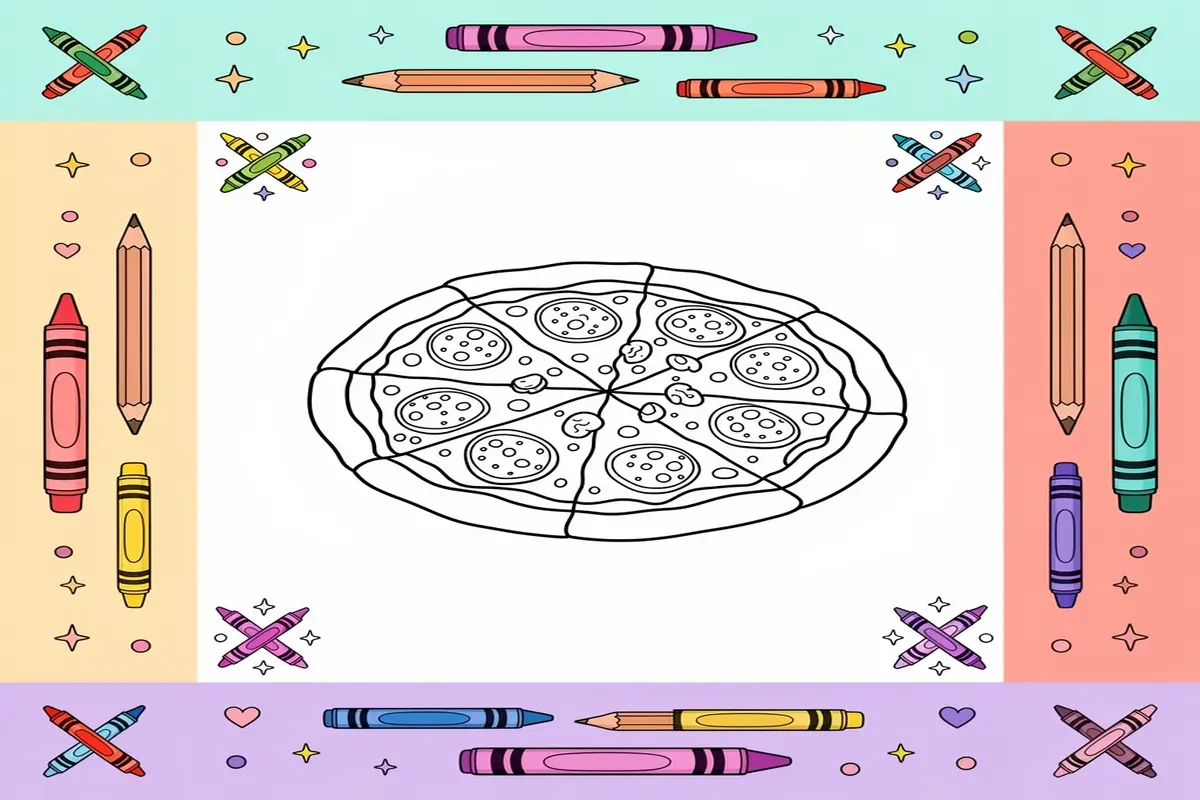
In a world brimming with digital distractions, the simple act of coloring offers a tangible, calming escape. It’s a portal to mindfulness, where focus narrows to the gentle sweep of a crayon and the joy of bringing a blank page to life. When that page features a universally beloved subject like pizza, the engagement multiplies. Pizza coloring pages for kids combine a favorite food with artistic expression, creating an activity that is instantly relatable and endlessly fun. These aren’t just drawings; they are blank canvases for imagination, where a child can design their ultimate pie with rainbow peppers, polka-dot pepperoni, or a glittery cheese blend. The appeal stretches beyond the kitchen, serving as a playful tool for learning about shapes, fractions, and even food groups. As a delightful complement to other popular themes, such as our vibrant collection of fish coloring pages, pizza coloring pages for kids secure their place in the pantheon of creative play, offering a unique blend of whimsy and skill-building that captivates young minds.
The Universal Slice: Why Pizza Captivates Young Artists
What is it about this iconic dish that makes it such a perfect subject for a coloring adventure? The magic lies in its familiar, customizable structure, which provides both a comforting framework and an invitation for wild creativity.
The Psychology of Playful Creation
Coloring is a proven exercise in mindfulness, helping to quiet the mind and improve concentration. A pizza-themed page takes this a step further by tapping into positive associations with joy, celebration, and family time. The process of selecting colors for crust, sauce, and toppings becomes a low-stakes decision-making exercise, boosting confidence. As children ponder whether their mushroom should be purple or their olives blue, they are practicing creative problem-solving and emotional regulation, all within the safe, bounded universe of their paper plate.
A Canvas of Cultural Connection
Pizza is more than food; it’s a global phenomenon with deep cultural roots. A pizza coloring pages for kids project can be a springboard for gentle education. Parents and educators can discuss the origins of pizza from Italy, explore how toppings vary from New York to Naples to Tokyo, and celebrate how a simple idea connects people worldwide. This transforms the activity from mere coloring into a mini cultural lesson, adding layers of meaning to each colored slice and making the final artwork a conversation piece about diversity and shared human experiences.
Designed for Every Developmental Stage
The beauty of pizza coloring pages for kids is their inherent scalability. For toddlers and preschoolers, simple outlines with large slices and basic shapes help develop fine motor skills and color recognition. School-aged children can tackle more detailed pages with intricate patterns of toppings, bubbling cheese, and checkered tablecloths, challenging their precision and patience. For the truly ambitious young artist, pages featuring entire pizzerias with chefs and menus encourage storytelling and scene composition. This range ensures that every child, regardless of skill level, can find a page that offers the perfect balance of challenge and achievable fun, making it a perpetually rewarding creative pursuit.
Professional Materials & Preparation for pizza coloring pages for kids
To ensure a successful and enjoyable coloring session with your pizza coloring pages for kids, proper preparation is key. Having the right materials on hand transforms a simple activity into an engaging creative experience that can develop fine motor skills and color recognition. This section details the essential toolkit and setup to help parents and educators maximize the fun and educational value of these deliciously themed pages.
The Foundation: Selecting Paper for pizza coloring pages for kids
The paper you choose directly impacts the final artwork and the child’s experience. For standard printing of pizza coloring pages for kids, a bright white, smooth paper with a weight of 100-120 GSM (grams per square meter) is ideal. This weight is thick enough to prevent bleed-through from markers while providing a smooth surface for crayons and colored pencils. For a more premium feel, or if using wet mediums like paint, consider cardstock (160-200 GSM). If you plan to display the finished masterpieces, archival-quality, acid-free paper will prevent yellowing over time. Always ensure your printer settings match the paper type for a crisp, smudge-free outline.
Best Coloring Tools: Markers vs. Pencils for Detailed Work
The choice between markers and colored pencils often depends on the child’s age and the desired effect. For younger children, broad-tip washable markers are excellent for bold, vibrant coverage of large areas like a pizza crust or cheese. However, for finer details such as pepperoni slices, olives, or mushroom textures, colored pencils offer superior control. Look for pencils with soft, pigmented cores that blend easily. A hybrid approach works wonderfully: use markers for the base colors and layer with pencils for shading and detail. For a comprehensive collection of themed pages that pair well with these tools, explore our wide variety of food coloring pages for kids.
Finishing Touches: Gel Pens, Blenders, and Highlights
Elevate the finished pizza coloring pages for kids with special effects that add realism and sparkle. White gel pens are perfect for adding highlights to bubbly cheese or creating shiny spots on vegetables. Metallic gel pens can be used for detailing a pizza cutter or a fancy plate rim. For colored pencil work, a colorless blender pencil can smooth out strokes and create gradient effects, ideal for a toasted crust. Consider also having a fine-line black pen on hand for older children who may wish to redefine outlines or add playful doodles to their pizza scene.
Perfect Workspace: Lighting, Ergonomics, and Setup
A well-prepared environment is as crucial as the materials. Ensure the coloring area has ample, natural light or a bright, white LED lamp to reduce eye strain and allow for accurate color perception. The table surface should be at a comfortable height for the child, with their feet supported. Protect the surface with a washable mat or newspaper. Organize coloring tools in shallow containers for easy access. Having a clean cloth for quick hand wipes and a scrap paper for testing colors can keep the main pizza coloring page neat. This thoughtful setup encourages focus and allows the child to fully immerse in customizing their perfect paper pizza.
Part 3: Elevating Your Art: Advanced Techniques for Pizza Coloring Pages for Kids
Ready to transform a simple slice into a masterpiece? Moving beyond basic fills, these advanced techniques will help young artists add incredible depth, realism, and creativity to their pizza coloring pages for kids. This guide is perfect for parents and teachers looking to nurture more sophisticated artistic skills in a fun, approachable way.
For a foundational collection of fun food-themed pages to practice on, explore our wide variety of food coloring pages for kids.
Harmonious Palettes: Color Theory for Delicious Results
Understanding basic color relationships can make a pizza pop off the page. Teach kids to think like a chef-artist! For a realistic look, use analogous colors (colors next to each other on the wheel) for the crust—think golden yellows, light browns, and touches of orange for a baked effect. For vibrant, eye-catching toppings, use complementary colors (opposites on the wheel). Imagine green peppers against a reddish tomato sauce, or purple onions next to a cheesy yellow—these pairings create natural contrast and visual excitement that makes their pizza coloring pages for kids truly stand out.
From Flat to Feast: Mastering Shading for 3D Slices
Shading is the secret ingredient that adds volume. Guide your child through this step-by-step process:
1. Identify Your Light Source: Decide where the “sun” is in their picture (e.g., top left).
2. Light Side: The area facing the light stays lightest. Color the cheese here with a pale yellow.
3. Mid-Tone: The main body of an ingredient gets the true color (e.g., standard red for pepperoni).
4. Shadow Side: The area opposite the light source gets the darkest shade. Add a darker brown to the edge of the crust, or a deep red to the underside of a mushroom. Blend gently where the colors meet to avoid harsh lines, creating a rounded, three-dimensional food item.
Adding Realism: Texture Techniques for Every Topping
Each topping has a unique feel, and we can replicate that with mark-making:
Bubbly, Melted Cheese: Use small, uneven circular scribbles or leave tiny white dots uncolored within a yellow area to suggest stretchy, molten cheese.
Meaty Pepperoni: Create a slightly greasy look by coloring smoothly and then adding tiny, random dots of a darker red or pink to mimic spice spots. A thin white highlight along one curve can make it look glossy.
Crispy Crust: Use short, directional strokes with a brown pencil to follow the curve of the crust, leaving tiny speckles of the paper showing through to suggest a rough, baked texture.
Fluffy Cloud-Like Toppings: For ingredients like ricotta or dollops of cream, use soft, circular, cloud-like strokes with no hard edges. This technique is also fantastic for other soft subjects, much like the gentle forms found in our cloud coloring pages (under abstract themes).
The Art of Correction: Gracefully Fixing Coloring Mistakes
Mistakes are part of the process! Here’s how to fix them without frustration:
Over-Color Blending: If a color goes outside the line, don’t panic. Use the background color to gently cover the stray marks. A little green can tidy up cheese that spilled onto the basil leaf.
Too Much Pressure: If an area is colored too darkly, use a white colored pencil or a kneaded eraser to gently lift and lighten the pigment, then layer the correct color on top.
* Turn a Smudge into a Feature: A stray mark on the cheese can become a new sesame seed on the crust with a little creative re-imagining. Encourage problem-solving by asking, “What else could this be?” This transforms an “error” into a unique part of their creative pizza story.
Showcasing Your Pizza Coloring Pages for Kids: Creative Display Ideas
Once your young artist has filled their pizza coloring pages for kids with vibrant color, it’s time to celebrate their work! Moving beyond the coloring book, displaying their creations builds confidence and transforms their art into a cherished part of your home.
Preserving Your Masterpiece: Archival Tips
To ensure those colorful slices stay bright, consider simple preservation methods. For long-term keepsakes, use acid-free glue sticks to mount pages on construction paper or cardstock before framing. A quick, light spray with a clear art sealant (used in a well-ventilated area) can prevent crayon wax from smudging. For a digital archive, scan or photograph the finished pages to create a gallery you can revisit anytime.
Beyond Display: Creative DIY Projects
Turn completed coloring pages into delightful DIY projects. Laminate a colorful slice to make a quirky bookmark or cut out individual toppings to create unique gift tags. You can also decoupage several pages onto a plain tray or storage box for custom kitchen decor. For a fun party activity, use the colored pages as vibrant placemats. If your child loves all things cute, they might also enjoy personalizing their space with our Cute Kawaii Coloring Pages.
Your Pizza Coloring Pages for Kids Questions Answered
How do you draw a cute pizza step by step?
Start with a circle for the crust. Draw wavy lines inside for the melted cheese. Add simple shapes like circles for pepperoni, small ovals for mushrooms, and tiny rectangles for peppers. Finish by drawing a happy face on the crust or giving the whole pizza cartoon eyes for instant charm. It’s a fun way to engage before using pizza coloring pages for kids.
Where can I find free printable pizza coloring pages?
You can find a fantastic variety of free, high-quality printable pizza coloring pages for kids right here on our site! We offer everything from simple slices for toddlers to detailed whole pies for older children. Simply browse our food-themed collections, select your favorite design, and download it for instant creative fun.
What are the benefits of coloring for kids’ development?
Coloring enhances fine motor skills and hand-eye coordination as children practice staying within lines. It fosters creativity and color recognition, while also serving as a calming, focused activity that can improve concentration and reduce anxiety. It’s a foundational artistic and developmental exercise.
What colors should I use for a pizza drawing?
For a classic look, use golden yellow for the crust, orange or red for the sauce, and light yellow for the cheese. Toppings offer a rainbow: red pepperoni, green peppers, black olives, brown mushrooms, and pink ham. For a fantastical pizza, encourage any color combination—imagination is the best ingredient!
How to print coloring pages at home?
Ensure your printer has ink and paper. Download the PDF or image file to your computer. Open the file, select “Print,” and in the settings, choose “Fit to Page” for proper sizing. Use standard printer paper for practice or slightly heavier cardstock for a better coloring experience with markers.
Final Thoughts: Your Pizza Coloring Pages for Kids Journey Begins
The journey through pizza coloring pages for kids is about so much more than just filling in shapes. It’s a slice of creative time that blends imaginative play with developmental growth, resulting in artwork that’s as unique as your child. From learning about colors and food to proudly displaying their delicious masterpieces, each page offers a opportunity for joy and accomplishment.
We hope this guide inspires countless hours of colorful fun and artistic pride. Remember, every masterpiece starts with a single crayon stroke. Ready for your next adventure? Explore our Delicious Dessert Coloring Pages for Kids to continue the sweet creative feast!