We offer a wide collection of free, high-quality printable coloring pages for kids and adults. From cute animals to intricate mandalas, our designs bring creativity and relaxation to everyone. Download, print, and start coloring today!

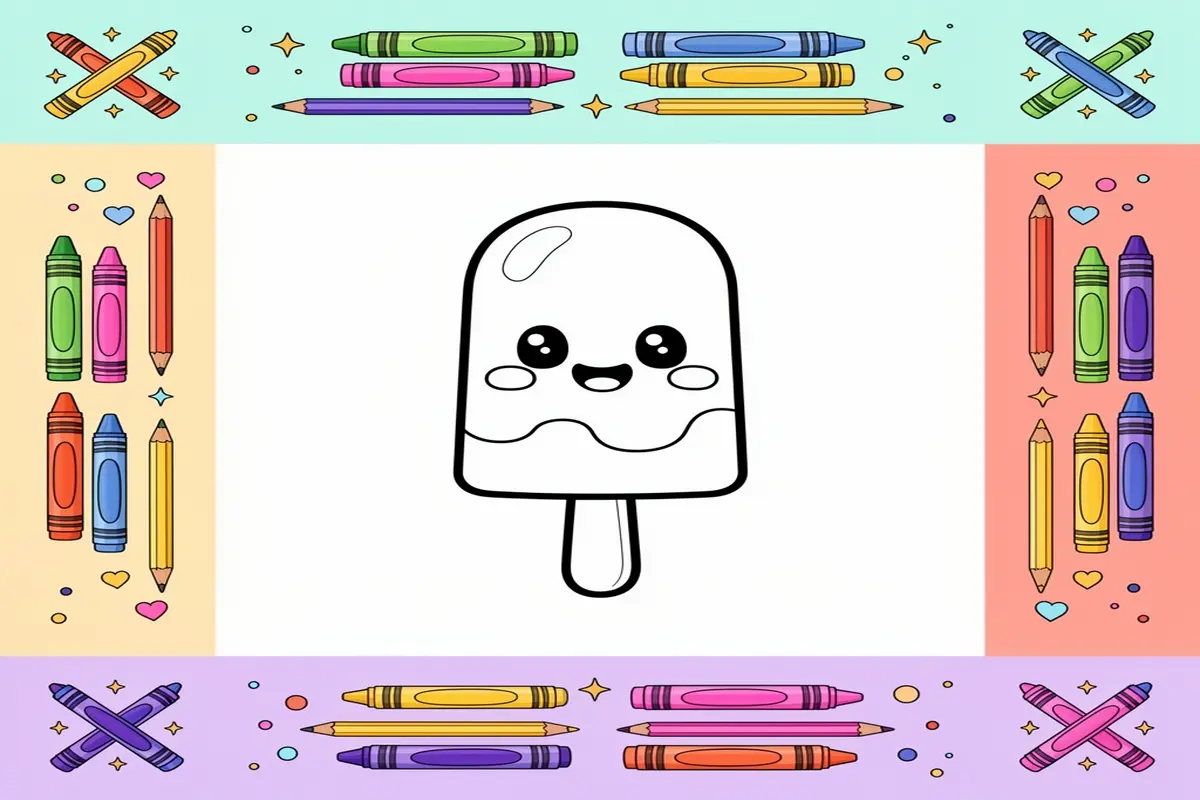
Imagine the simple joy of a warm afternoon, the promise of a cool treat, and the boundless imagination of a child with a box of crayons. This is the delightful essence captured in popsicle coloring pages for kids. More than just outlines on a page, these whimsical designs are a gateway to a world of color, flavor, and creative expression. They transform the nostalgic symbol of summer—the humble, joyful popsicle—into a personal canvas for young artists. Whether depicting classic twin-pops, fruity rockets, or silly character-shaped treats, these pages invite children to explore a palette as vibrant and varied as a freezer full of flavors. From practicing fine motor skills to learning about colors and shapes in the most delicious context, popsicle coloring pages for kids offer a uniquely engaging activity. They are a perfect thematic bridge between other popular categories, like the cool blues of our ocean coloring pages or the sweet themes found in our dessert coloring pages for kids, providing a cohesive and fun artistic journey.
The Icy Allure: Psychology & Universal Appeal of a Frozen Treat
What is it about the simple popsicle that captivates children and makes it such a compelling subject for art? The answer lies in a powerful blend of sensory memory, joyful symbolism, and creative freedom.
A Palette of Pure Joy: The Emotional Connection to Color
Coloring is a proven mindfulness activity for all ages, and popsicle coloring pages for kids leverage this by associating the act with a universally positive object. The very shape and idea of a popsicle evoke feelings of reward, refreshment, and happiness. When a child selects a fiery red for a cherry pop or a sunny yellow for a lemon twist, they are not just filling space—they are making emotional and cognitive connections. This process can be incredibly soothing, helping to focus the mind and channel energy into a tangible, colorful outcome. The low-stakes, high-reward nature of completing a popsicle coloring page builds confidence and provides a sweet sense of accomplishment.
From Sidewalk Staple to Cultural Icon: A Brief, Flavorful History
The popsicle itself has a charming, accidental origin story that began with a forgotten drink on a cold night. This bit of trivia adds a layer of fun to the coloring experience. As a cultural artifact, it represents summer, community, and simple pleasures. Coloring pages allow children to engage with this icon, reimagining it in rainbow hues or inventing their own fantastical flavor combinations. It’s an accessible way to tap into a shared cultural experience, making art feel both personal and connected to wider, joyful memories.
Designed for Every Hand: Inclusivity and Developmental Stages
The beauty of popsicle coloring pages for kids lies in their versatility. For toddlers and preschoolers, large, simple outlines with bold shapes help develop grip and hand-eye coordination. Older children can tackle more intricate designs featuring detailed patterns, dripping syrup, or complex backgrounds, which challenge their precision and color-blending skills. This inherent scalability ensures that every child, regardless of age or ability, can find a page that feels just right. It’s an inclusive activity that grows with the artist, offering endless opportunities to revisit a beloved theme with increasing sophistication.
Part 2: Essential Materials & Professional Setup for popsicle coloring pages for kids
Before your child dives into the vibrant world of popsicle coloring pages for kids, assembling the right toolkit is crucial. The correct materials elevate the experience from a simple activity to a developmental exercise in fine motor skills and color theory. This section details the professional-grade supplies and preparation needed to ensure every coloring session is successful, comfortable, and creatively fulfilling. For a broader selection of fun food-themed activities, explore our extensive collection of food coloring pages for kids.
The Foundation: Selecting Premium Paper for popsicle coloring pages for kids
The paper you choose is the canvas for creativity and directly impacts the final result. For standard crayon or colored pencil work on popsicle coloring pages for kids, a smooth, bright white paper with a weight of around 100-120 GSM (grams per square meter) is ideal. This weight prevents bleed-through from markers and can handle light layering. If using wet mediums like markers or gel pens, opt for specifically labeled “marker paper” or heavy cardstock (160+ GSM). Cardstock is excellent for creating durable art that can be displayed or turned into decorations, allowing those colorful popsicle designs to last.
Best Coloring Tools: A Detailed Medium Comparison
The choice of coloring medium defines the texture and vibrancy of the finished artwork.
Colored Pencils: The go-to for control and detail. Wax-based pencils offer smooth blending, ideal for creating realistic ice-pop gradients and juicy textures. Look for pencils with soft, pigmented cores. For younger children, triangular grips can aid proper pencil holding technique.
Markers: Provide bold, saturated color perfect for vibrant, eye-catching popsicles. Alcohol-based markers (blendable) offer a professional, streak-free finish for advanced artists, while water-based markers are excellent and washable for younger kids. Always test markers on a corner to check for bleed-through.
Crayons: The classic choice for toddlers and preschoolers. Their broad strokes are great for filling large areas on simple popsicle coloring pages for kids. Opt for non-toxic, break-resistant versions for a frustration-free experience.
Finishing Touches: Gel Pens, Highlights, and Embellishments
To make artwork truly pop, incorporate special-effect tools. White or metallic gel pens are indispensable for adding tiny highlights to mimic ice crystals or glossy syrup drips on a popsicle. Fine-line ink pens (e.g., 0.3mm) can be used to outline or add intricate patterns to the popsicle stick. For a mixed-media approach, consider safe, child-friendly glitter glue or watercolor paints for a soft, dreamy background wash that makes the central popsicle image stand out.
Creating the Perfect Workspace: Ergonomics and Lighting
A proper workspace fosters focus and comfort. Ensure the coloring surface is stable and at an appropriate height to prevent hunching. Natural light is the gold standard for accurate color perception; position the workspace near a window. For evening sessions, use a bright, white LED desk lamp to reduce eye strain. Keep supplies organized in cups or trays—this not only minimizes clutter but also encourages independence and responsibility. Having a dedicated, well-prepared area signals to a child that their creative time is valued.
Mastering popsicle coloring pages for kids: Advanced Techniques for Vibrant Art
Ready to transform those simple outlines into stunning, gallery-worthy masterpieces? Moving beyond basic filling, these advanced techniques will unlock a new level of creativity and skill for young artists working on popsicle coloring pages for kids. This section provides actionable, step-by-step methods to teach depth, realism, and artistic confidence.
Harmonious Palettes: Color Theory for Popsicle Perfection
Understanding simple color relationships can make artwork pop. For popsicle coloring pages for kids, this is a delicious opportunity to experiment.
Complementary Colors: These are opposites on the color wheel (like red & green, blue & orange, purple & yellow). Using them for a popsicle and its stick or for different drips creates vibrant, eye-catching contrast.
Analogous Colors: These sit next to each other on the wheel (like blue, teal, and green). This scheme is perfect for creating a “berry mix” popsicle or a beautiful sunset-gradient effect. It’s inherently harmonious and pleasing to the eye.
Tip: Start with a base color and use its lighter and darker shades to add natural highlights and shadows, a technique also useful for creating realistic fruit coloring pages for kids.
From Flat to 3D: Shading for Succulent Sweets
Shading is what gives a flat popsicle roundness and makes it look cold and tangible.
1. Identify Your Light Source: Decide where the “sun” is (e.g., top left). Every shadow will be opposite this.
2. Apply Base Color: Color the entire popsicle evenly with your main flavor color.
3. Add Core Shadow: Using a slightly darker shade of your base color, apply gentle pressure to color along the edge opposite your light source. Imagine the curve of the popsicle.
4. Create Highlight: Leave a thin strip of the paper white or use a very light color (like a pale yellow on a red popsicle) on the edge closest to the light source. This makes it look glossy and wet.
5. Blend: Use a lighter touch with your original crayon or pencil to softly blend the dark shadow and light highlight into the mid-tone base color.
Adding Realism: Texture Techniques for Frosty Treats
Different parts of your scene need different textural feels.
The Ice Pop Itself: To create a smooth, icy texture, color in small, tight, circular motions with consistent pressure. For a “crushed ice” or “granita” look, use tiny dots or short, uneven strokes.
The Wooden Stick: Use quick, short, parallel strokes following the length of the stick. Leave tiny gaps of white between strokes to mimic wood grain. Then, take a brown or gray and add thin, darker lines across your first strokes for a realistic grainy texture.
Melting Drips: Color drips solidly, but add a thick highlight on one side of each drip with a white gel pen or by leaving a sliver of white paper. This gives them a rounded, liquid look. For more textural fun, explore the glossy surfaces in ice cream coloring pages.
The Art of Correction: Gracefully Fixing Coloring Errors
Mistakes are part of the process. Here’s how to manage them without frustration.
Over-Coloring: Accidentally colored outside the lines? Embrace it! Thicken the outline on that side with a darker color to create a bold, graphic style.
Color Choice Regret: If a color looks wrong, don’t scribble. Layer a new color on top. Coloring lightly with a white crayon first can help a new top color appear more vibrant and cover the old one.
Blending Blunders: If shading gets too dark or muddy in one spot, use a kneaded eraser to dab (not rub) and lift some pigment. You can then go over it again with a lighter touch.
* The Power of Backgrounds: Can’t fix a big smudge? Incorporate it! Turn it into a splash, a small bug, or a background pattern. Sometimes the best fix is creative camouflage.
Part 4: Showcasing Your Popsicle Art: Creative Display & DIY Magic
Your child’s finished popsicle coloring pages for kids are more than just paper—they’re vibrant expressions of creativity ready to be celebrated! Moving beyond the coloring book, here are inspiring ways to preserve and transform their artwork into cherished keepsakes.
Preserving Your Masterpiece: Archival Tips
To ensure those colorful creations last, consider simple preservation methods. For long-term storage, place finished pages in acid-free sheet protectors within a binder. To display them proudly, use washi tape for a damage-free gallery wall or place them in inexpensive frames from a craft store. For a glossy, finished look, a light spray of clear acrylic sealer can prevent crayon or marker from smudging.
Beyond Display: Creative DIY Projects
Transform colored pages into delightful DIY projects! Cut out the popsicles to create unique greeting cards, gift tags, or laminated bookmarks. For a fun summer decoration, glue the cut-outs onto wooden craft sticks to make real-looking popsicle puppets or a festive garland. These projects not only extend the fun but also give kids a wonderful sense of accomplishment, turning their art into gifts or room decor. For more delicious inspiration, check out our sweet donut coloring pages for kids.
Part 5: Your Popsicle Coloring Pages Questions Answered
How do you draw a popsicle step by step?
Start by drawing a simple, rounded rectangle or oval for the ice pop. Add a slightly curved line near the top for the stick. Draw the stick itself as two parallel lines extending down. Finally, add fun details like drips, a face, or patterns. Let your child trace the outline from a popsicle coloring pages for kids printable to build confidence first!
What are the benefits of coloring for kids?
Coloring boosts fine motor skills and hand-eye coordination as children practice staying within lines. It fosters creativity, color recognition, and focus. It’s also a fantastic, screen-free activity for emotional expression and stress relief, providing a calm, mindful moment in a busy day.
What are the best markers for coloring pages?
For vibrant popsicle coloring pages for kids, washable broad-tip markers like Crayola Super Tips are excellent for coverage and easy clean-up. For finer details, consider dual-tip markers (broad and fine). Always test markers on the back of the page to prevent bleed-through on standard printer paper.
Is coloring good for fine motor skills?
Absolutely. The precise grip and controlled movements required for coloring strengthen the small muscles in hands and fingers. This practice is crucial for developing the dexterity needed for writing, buttoning clothes, and using utensils effectively.
Where to find free popsicle printables?
You can find a wonderful variety of free, high-quality printable coloring pages right here on our website! We offer numerous themes to keep the creativity flowing. Simply search for your desired theme, like “popsicle,” and download your favorite designs to print at home.
Conclusion: Begin Your Colorful Popsicle Adventure Today
The simple joy of coloring a popsicle can open a world of creativity, learning, and quality time. From the first stroke of color to the proud display of a finished masterpiece, popsicle coloring pages for kids offer a delightful blend of artistic expression and developmental benefits. They are a sweet reminder that the best childhood memories are often made during these simple, unplugged moments of creation.
So gather your crayons, print your pages, and let the colorful fun begin. Watch as your child’s imagination—and fine motor skills—flourish with every page they complete.
Ready for your next adventure? Explore our ice cream coloring pages for more delicious artistic fun!