We offer a wide collection of free, high-quality printable coloring pages for kids and adults. From cute animals to intricate mandalas, our designs bring creativity and relaxation to everyone. Download, print, and start coloring today!

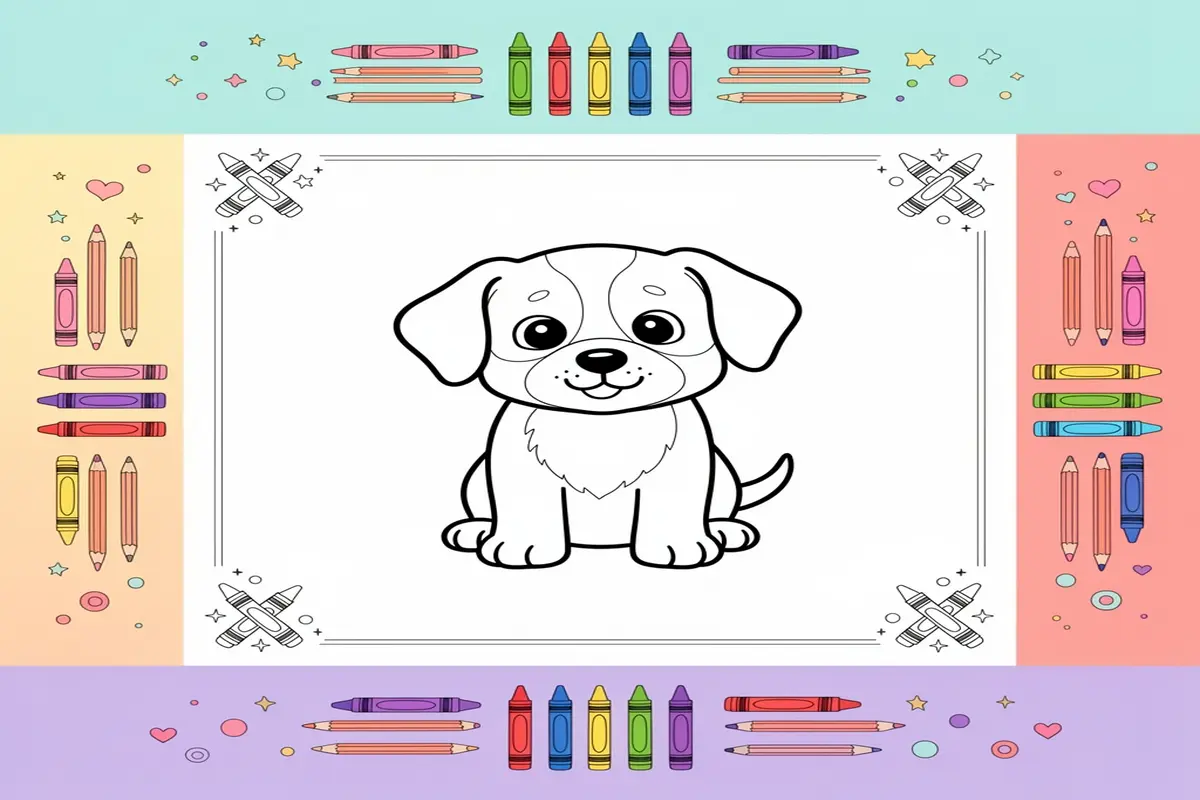
There’s a special kind of magic that happens when a child picks up a crayon and brings a blank page to life. It’s a quiet, focused joy that blends imagination with fine motor skill development. When the subject is as universally beloved as a playful puppy, that magic is amplified tenfold. Puppy coloring pages for kids are more than just a simple pastime; they are a gateway to storytelling, emotional connection, and artistic discovery. These pages capture the essence of childhood wonder—floppy ears, wagging tails, and curious eyes—inviting young artists to explore color, texture, and expression. Whether your child dreams of a spotted Dalmatian or a fluffy Golden Retriever, these printables offer a canvas for endless creativity. And for those who adore all creatures great and small, the artistic journey can continue with our majestic collection of free dolphin coloring pages. From the deep sea to the family hearth, the world of animal-themed art is boundless, starting with these heartwarming puppy coloring pages for kids.
The Pawsitive Psychology: More Than Just a Pretty Picture
Why do children (and adults!) feel an instant draw to images of puppies? The answer lies at the intersection of developmental psychology and pure, unadulterated joy. Coloring these friendly faces is not merely an activity; it’s a multifaceted tool for growth and well-being.
The Comfort of Canine Companionship
Puppies symbolize unconditional love, loyalty, and playfulness. For a child, coloring a puppy can be a profoundly comforting experience, fostering feelings of safety and happiness. This emotional connection transforms the act of coloring from a task into a therapeutic exercise. As they choose a sunny yellow for a puppy’s bandana or a soft brown for its fur, children project their emotions onto the page, practicing empathy and care. This makes puppy coloring pages for kids a subtle yet powerful resource for emotional literacy, allowing them to express feelings in a safe, non-verbal way.
A Historical Hobby with Modern Benefits
The tradition of coloring has evolved from simple outline drawings in the 19th century to the vast digital libraries we enjoy today. What began as a method for teaching art and design has blossomed into a recognized tool for mindfulness and cognitive development. Puppy coloring pages for kids sit perfectly within this evolution, combining timeless subject matter with contemporary understanding of child development. They serve as a bridge between traditional play and essential skill-building, honoring a historical pastime while preparing young minds for future learning.
Designed for Developing Hands and Minds
The beauty of these resources is their inherent accessibility. With outlines ranging from thick, simple borders for preschoolers to more detailed scenes for older children, there is a perfect puppy page for every skill level. Toddlers can practice grip and boundary recognition, while school-aged kids can experiment with shading, patterns, and complex color combinations. This scalability ensures that the humble puppy coloring pages for kids remain a engaging activity for years, growing alongside the child’s abilities and providing a consistent, confidence-boosting creative outlet.
Essential Materials for Puppy Coloring Pages for Kids: A Professional Setup Guide
To transform your puppy coloring pages for kids from a simple activity into a rich, educational, and motor-skill-building experience, the right materials are paramount. Proper tools not only enhance the final artwork but also increase a child’s engagement and comfort. This guide details a professional-grade setup that parents and educators can assemble to ensure every coloring session is successful, whether your child is tackling a playful pup or exploring our extensive collection of animal coloring pages for kids.
The Foundation: Premium Paper for Puppy Coloring Pages for Kids
The paper you choose is the single most important factor in coloring success. For standard puppy coloring pages for kids, a smooth, bright white paper with a weight of 100-120 GSM (grams per square meter) is ideal. This weight is thick enough to prevent bleed-through from markers and can handle light layers of colored pencil without tearing. For a more artistic approach, consider mixed-media paper (140+ GSM), which allows for experimentation with water-based markers and light blending techniques. Always print or purchase coloring pages on paper that matches the intended medium; printer paper (70-80 GSM) is sufficient for crayons and pencils but will buckle with wet media.
Best Coloring Tools: A Detailed Medium Comparison
Selecting the right coloring tool depends on the child’s age, skill level, and desired outcome.
Colored Pencils: The go-to for control and detail. Wax-based pencils (e.g., Crayola) offer vibrant colors and are excellent for younger children. For older kids ready to blend fur textures on their puppy coloring pages for kids, oil-based or soft-core pencils (e.g., Prismacolor Premier) provide superior pigment laydown and blendability. Look for pencils with a strong core to resist breaking under pressure.
Markers: Provide bold, vibrant color. For children, water-based markers are the safest and easiest to clean. They are ideal for filling large areas but can bleed through thinner paper. Alcohol-based markers (e.g., Copic, but use child-safe alternatives) offer professional blending for realistic effects but are permanent and require special paper. A quality set of fine-tip and broad-tip markers offers versatility for both outlining and filling.
Crayons: Perfect for toddlers and preschoolers. Their blunt tip encourages broader strokes and is excellent for developing grip strength. While less precise, they are durable and non-toxic. For a richer experience, opt for crayons with higher pigment concentration.
Finishing Touches: Gel Pens, Blenders, and Erasers
Elevate the artwork with tools for detail and correction.
Gel Pens & White Ink: Metallic and glitter gel pens are perfect for adding whimsical details like a puppy’s collar or a shiny nose. A white gel pen is indispensable for adding highlights to eyes or creating texture on fur, rescuing areas that have been colored too dark.
Blending Tools: For pencils, paper blending stumps or colorless blender pencils soften lines and create smooth gradients, perfect for rendering a puppy’s soft coat. For markers, a dedicated blender marker is essential for professional shading techniques.
High-Quality Eraser: A soft, vinyl eraser is gentle on paper and effectively removes pencil guidelines without smudging or tearing the page, allowing children to correct mistakes confidently.
The Perfect Workspace: Optimizing Lighting and Ergonomics
A proper workspace prevents fatigue and fosters focus.
Lighting: Ensure the coloring area is well-lit with natural light or a cool-white LED desk lamp (5000-6500 Kelvin). This reduces eye strain and allows for true color perception, so the golden fur on a puppy looks as intended.
Ergonomics: The table surface should be at elbow height when the child is seated. Feet should rest flat on the floor or a stool. For very young children, a tilted drafting board or binder can angle the puppy coloring pages for kids toward them, improving posture and wrist position.
Organization: Use cups or trays to separate tools by type. This not only keeps the space tidy but also encourages mindful selection of colors and mediums, turning the preparation into part of the creative process. A simple placemat or protective sheet makes for easy cleanup.
Part 3: Elevating Your Art: Pro Techniques for Puppy Coloring Pages for Kids
Ready to transform a simple puppy coloring page into a stunning piece of art? This section moves beyond basic filling-in to explore professional techniques that will bring your child’s furry friends to life. Mastering these skills with puppy coloring pages for kids builds confidence, refines motor skills, and unlocks a new level of creative satisfaction for young artists.
Harmonious Palettes: Color Theory for Puppy Coloring Pages
Understanding a few basic color relationships can make artwork pop. For puppy coloring pages for kids, try these approaches:
Analogous Colors: Use colors next to each other on the color wheel for a natural, calming look. Think golden yellows, oranges, and browns for a Labrador puppy, creating warm, realistic fur.
Complementary Colors: Colors opposite each other (like blue & orange or purple & yellow) create vibrant contrast. Use a bright blue for a collar or background to make a golden puppy truly stand out.
Nature’s Palette: Encourage observation! Study real puppies or other animals, like the majestic creatures found in our Realistic Animal Coloring Pages, to see how nature combines colors softly and effectively.
From Flat to 3D: Mastering Simple Shading
Shading adds volume and makes your puppy look soft and touchable. Teach this easy step-by-step method:
1. Identify Your Light Source: Decide where the light is coming from (e.g., the top left). All highlights and shadows will follow this rule.
2. Light Side: Leave areas facing the light slightly lighter. Apply less pressure with your crayon or pencil.
3. Dark Side: Add more layers of color or use a slightly darker shade on the opposite side. This is often under the chin, behind the legs, and on the lower body.
4. Blend: Use a white colored pencil, a blending stump, or even a gentle finger rub to smooth harsh lines between light and dark areas.
Adding Realism: Creating Fluffy Puppy Fur Texture
Fur is what makes a puppy cuddly on the page. Avoid coloring in one solid direction.
Short Fur: Use quick, short, overlapping strokes that follow the puppy’s body contour. Change your stroke direction slightly around the legs and face.
Fluffy Fur: For breeds like Pomeranians, use longer, curving strokes. Layer a lighter color as a base, then add darker “clumps” with tiny, wispy lines on the edges.
The Magic of Highlights: After coloring, use a white gel pen or a very sharp white colored pencil to add a few fine hairs on top of the colored area, especially on the puppy’s back or cheeks where light hits.
The Art of Correction: Gracefully Fixing Coloring Mistakes
Mistakes are part of the process! Here’s how to handle them gracefully:
Waxy Crayons: Gently scrape away wax buildup or a stray mark with a blunt toothpick, then color over it.
Colored Pencils: A good art eraser can lift some pigment. For a more stubborn mistake, incorporate it! Turn a dark smudge into a shadow or a freckle on the puppy’s nose.
Going Outside the Lines: This is common and can be charming. If desired, use a fine-tip black marker to carefully redefine the outline, embracing the new, slightly fuller shape of your pup. Remember, the goal is creative expression, and exploring different subjects, like those in our Animal Coloring Pages for Kids, is a great way to practice these techniques without pressure.
Part 4: Showcasing Your puppy coloring pages for kids Masterpieces
Once your child has filled their puppy coloring pages for kids with vibrant hues, the fun doesn’t have to stop! Transforming their artwork into cherished keepsakes or gifts adds another layer of joy and pride to the creative process.
Preserving Your Masterpiece: Archival Tips
To ensure those adorable puppy portraits last, consider simple preservation methods. For long-term storage, place finished pages in acid-free sheet protectors within a binder. If you want to display them, inexpensive frames or a dedicated art wire with clips can turn any wall into a gallery. For a glossy, finished look, a light spray of clear, non-yellowing sealant (used in a well-ventilated area) can protect crayon or colored pencil art from smudging.
Beyond Display: Creative DIY Projects
Your child’s colored pages can become wonderful DIY projects. Carefully cut out the colored puppy and glue it onto a folded cardstock to create a heartfelt greeting card. Laminated and hole-punched, it makes a charming bookmark. For a grander gift, assemble several finished pages into a custom calendar or a simple storybook about the puppy’s adventures. This not only celebrates their work but also teaches them the value of repurposing art, much like the creative projects you can make with our cute bunny coloring pages.
Part 5: Your puppy coloring pages for kids Questions Answered
Where can I find free puppy coloring pages?
You can find a wonderful variety of free, high-quality puppy coloring pages for kids on dedicated educational and art websites like Safari Coloring. These sites often categorize pages by difficulty and theme, offering everything from simple cartoon pups to more detailed realistic drawings, ensuring you find the perfect match for your child’s age and interest.
What are the benefits of coloring for kids?
Coloring boosts fine motor skills and hand-eye coordination as children learn to grip pencils and stay within lines. It’s a fantastic, screen-free activity that encourages focus, patience, and color recognition. Furthermore, it serves as a calming, creative outlet that builds confidence with each completed puppy coloring page for kids.
How to print coloring pages from the internet?
First, find and select your desired image. Click “Print” from your browser’s menu or use the website’s print button. Ensure you select “Fit to Page” in your printer settings for optimal sizing. For best results, use standard printer paper, though cardstock is excellent for markers as it prevents bleed-through.
What are the best coloring materials for toddlers?
For toddlers, prioritize safety and ease of use. Chunky, triangular crayons or washable broad-tip markers are ideal as they are easy to grip and promote proper hand positioning. Always look for non-toxic, washable formulas to make clean-up from their puppy coloring pages for kids a stress-free experience for everyone.
How to teach a child to color inside the lines?
Start with larger, simpler shapes on puppy coloring pages for kids. Demonstrate holding the crayon near the tip and using slow, controlled strokes. Encourage them to outline the shape first before filling it in. Most importantly, praise their effort rather than perfection, making it a positive experience that improves naturally with practice.
Final Thoughts: Your puppy coloring pages for kids Journey Begins
The simple act of coloring a puppy page opens a world of developmental benefits and shared creative moments. From the first bold stroke of color to the proud display of a finished masterpiece, this activity nurtures patience, skill, and joyful self-expression in children. It’s more than just keeping busy—it’s about building memories, fostering a love for art, and celebrating every small achievement.
We hope this guide inspires you to create, display, and cherish these special artworks. Remember, every page colored is a step in your child’s creative journey. Ready for your next adventure? Explore our farm animal coloring pages for a whole new set of friendly faces to bring to life!