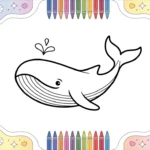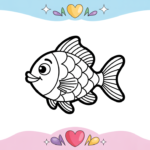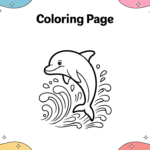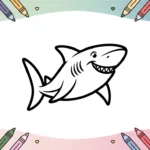
We offer a wide collection of free, high-quality printable coloring pages for kids and adults. From cute animals to intricate mandalas, our designs bring creativity and relaxation to everyone. Download, print, and start coloring today!

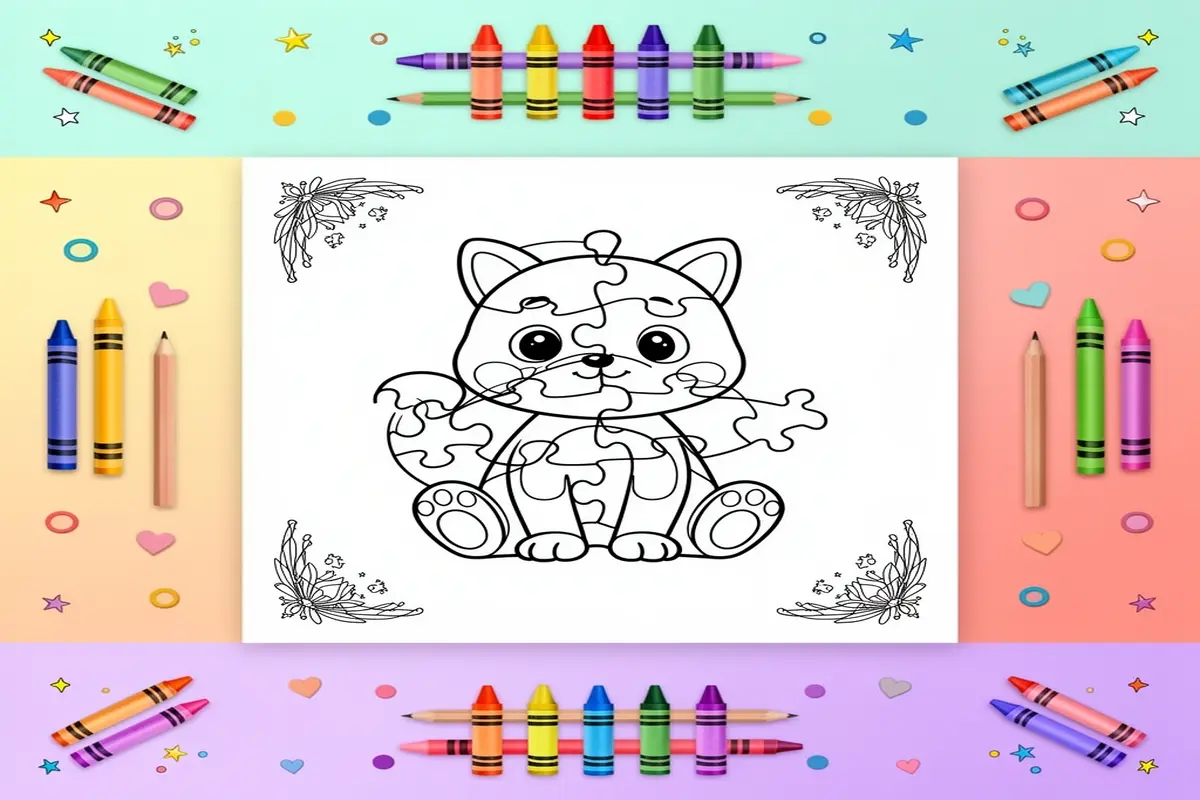
In a world saturated with digital screens, the simple act of coloring offers a profound return to tactile, imaginative play. Yet, when this beloved activity merges with the structured challenge of a puzzle, it transforms into something even more powerful. Puzzle coloring pages for kids represent a brilliant fusion of art and logic, designed to captivate young minds on multiple levels. These aren’t just pictures to fill in; they are engaging mysteries where the final image is revealed only through careful attention to numbers, symbols, or segmented shapes. This unique format turns a quiet pastime into an active discovery process, fostering not only artistic expression but also critical problem-solving skills. Whether it’s a color-by-number ocean scene or a segmented geometric animal, each page promises a rewarding ‘aha!’ moment upon completion. For a delightful standalone coloring adventure that complements this puzzle theme, explore our collection of free dolphin coloring pages. The journey into puzzle coloring pages for kids is one where focus, fine motor control, and fun intersect, creating a deeply satisfying and educational experience.
The Dual Delight: Where Art Meets Intellect
Puzzle coloring pages are far more than a diversion; they are a sophisticated tool for child development disguised as play. By integrating cognitive challenges with creative freedom, they engage both hemispheres of the brain, providing a holistic activity that is as beneficial as it is enjoyable.
The Cognitive Hook: Engagement Through Discovery
The core appeal of puzzle coloring pages for kids lies in their inherent mystery. A child isn’t simply coloring a pre-defined lion; they are deciphering a code to reveal the lion. This process of discovery—following clues, matching colors to keys, and watching a hidden image emerge—provides a powerful intrinsic reward. It cultivates sustained attention, improves number or symbol recognition, and teaches the valuable lesson of following step-by-step instructions to achieve a desired outcome. The puzzle element transforms passive coloring into an active quest, keeping motivation high from the first stroke to the last.
A Brief History: From Educational Tool to Creative Staple
The concept of learning through structured art isn’t new. Paint-by-number kits, popularized in the mid-20th century, introduced the masses to the joy of creating art through guided, puzzle-like systems. Puzzle coloring pages for kids are the natural, accessible evolution of this idea, democratized for home printing. They draw from Montessori and other educational methodologies that emphasize hands-on, self-correcting activities. Today, they have blossomed into a vast genre encompassing everything from simple color-by-letter sheets for preschoolers to intricate mosaic and geometric designs for older children, proving their timeless and adaptable allure.
Designed for All Stages: From Toddler to Tween
The beauty of this format is its remarkable scalability. For the youngest artists, large, simple sections with basic color keys build confidence and teach color names. School-aged children can tackle more complex number-based pages or thematic puzzles that align with their learning, such as historical figures or scientific diagrams. For older kids and even adults seeking a mindful challenge, intricate geometric patterns or advanced mystery images offer a perfect blend of concentration and creative release. This ensures that puzzle coloring pages for kids remain a relevant and enriching resource throughout a child’s developmental journey, growing in complexity alongside their abilities.
Part 2: Essential Materials for High-Quality puzzle coloring pages for kids
To transform a simple activity into an enriching developmental experience, the right materials are paramount. For puzzle coloring pages for kids, the choice of paper, coloring tools, and workspace setup directly impacts the child’s enjoyment, fine motor skill development, and the final masterpiece. Proper preparation prevents frustration and allows young artists to focus on the creative and problem-solving aspects of their puzzle page. This guide details the professional-grade supplies that will elevate your coloring sessions.
The Foundation: Selecting Premium Paper for puzzle coloring pages for kids
The paper is the canvas for creativity and the first critical choice. Standard printer paper (20-24 lb/75-90 GSM) is prone to bleeding and tearing, especially with markers or enthusiastic coloring. For superior results, opt for heavyweight paper. Cardstock (65-110 lb/176-300 GSM) provides a durable, non-porous surface that prevents bleed-through, allowing kids to color on both sides of the page. This is ideal for intricate puzzle coloring pages for kids with small, detailed sections. For a specialized experience, consider marker paper, which is smooth and specifically designed to prevent feathering. A high-quality paper ensures that the puzzle’s lines remain crisp and the colors vibrant, making the completed work display-ready. For animal-themed puzzles, starting with our detailed shark coloring pages free printable kids on cardstock is an excellent test of your setup.
Professional Coloring Mediums: A Detailed Comparison
The choice between colored pencils, markers, and crayons defines the artistic outcome. Each has distinct advantages for different stages and styles of puzzle pages.
Colored Pencils (Core Tools): The most versatile and recommended tool for detailed work. Look for pencils with soft, pigmented cores (like wax- or oil-based) that blend easily and require less pressure. They allow for precise shading within small puzzle segments and are excellent for teaching gradient techniques. A set of 24-48 colors offers ample range without overwhelming a child.
Markers (Vibrant Impact): Markers deliver bold, saturated color perfect for larger areas. Use alcohol-based markers for professional, bleed-free blending on marker paper, or high-quality water-based markers for easier cleanup. They are less ideal for extremely fine details but fantastic for making sections of a puzzle page pop. Always test on a corner first to check for bleed-through.
Crayons (Fundamental & Tactile): Excellent for younger children developing grip strength. Modern crayons are often break-resistant and designed for smoother application. While less precise, they encourage broad, confident strokes and are perfect for less intricate puzzle designs.
Finishing Touches: Gel Pens, Blenders, and Erasers
Elevate the completed puzzle page with tools for detail and correction. Gel pens and metallic markers are perfect for adding highlights, tracing outlines, or filling in the tiniest puzzle pieces with shimmering color. A colorless blender pencil (for wax-based pencils) or a specialized blending stump is a professional secret for smoothing pencil strokes and creating seamless color transitions. Never underestimate a high-quality eraser; a vinyl or kneaded eraser cleanly removes stray pencil marks without damaging the paper, empowering kids to correct mistakes and build confidence in their work.
Creating the Optimal Workspace: Ergonomics and Lighting
A dedicated, well-prepared space maximizes focus and comfort. Ensure the work surface is at an appropriate height to prevent hunching—consider a lap desk or an adjustable children’s table. Proper lighting is non-negotiable; a bright, white LED desk lamp that eliminates shadows reduces eye strain and allows for accurate color perception, which is crucial when working on complex puzzle coloring pages for kids. Organize supplies within easy reach using cups for pencils and markers and small trays for erasers and sharpeners. This organized environment minimizes distractions, supports the child’s independence, and turns coloring time into a calm, structured activity.
Part 3: Elevating the Art: Advanced Techniques for Puzzle Coloring Pages for Kids
Link: Transform your child’s coloring from simple to spectacular with these professional techniques. For foundational practice with intricate animal designs, explore our zebra coloring pages free printable or leopard coloring pages free printables.
Mastering puzzle coloring pages for kids goes beyond staying inside the lines. It’s about teaching young artists how to bring their two-dimensional puzzles to vibrant, three-dimensional life. These advanced techniques foster patience, observation, and immense creative pride.
Harmonious Palettes: Color Theory for Young Artists
Understanding basic color relationships can prevent muddy results and make artwork pop. Teach your child about complementary colors (opposites on the color wheel, like orange and blue used in our abstract coloring pages for kids), which create high contrast and energy. For a calmer, more cohesive look, guide them toward analogous colors—those next to each other on the wheel, like blue, teal, and green. When working on a complex puzzle coloring pages for kids scene, suggest they choose one color scheme for the main subject and a complementary one for the background to make it stand out.
From Flat to 3D: Mastering Light and Shadow
The secret to making shapes look solid is shading. Start by deciding where an imaginary light source is (e.g., the sun in the top corner). Then, practice this simple three-step method on a rounded object: 1) Base Color: Apply the main color evenly. 2) Shadow: Add a darker shade of the same color (or a cool gray) on the side opposite the light. 3) Highlight: Apply a lighter tint or leave a tiny white spot on the side closest to the light. This technique transforms a simple circle into a sphere and adds incredible depth to animal faces or geometric patterns.
Adding Realism: Creating Texture with Strokes
Texture makes a picture feel tangible. Show your child how different stroke techniques can mimic real-world surfaces:
Fur/Feathers: Use short, quick, overlapping strokes that follow the direction the hair grows (perfect for our lion coloring pages for kids).
Scales: Draw small, curved “U” shapes that overlap like shingles on a roof.
Smooth Metal or Glass: Use long, very smooth, even strokes with bold highlights.
Sky or Water: Use light, circular motions for clouds and long, horizontal strokes for calm water. Encouraging them to think about the object’s feel before coloring makes the process more mindful and detailed.
The Art of Correction: Graceful Fixes for Coloring Mistakes
Mistakes are part of the learning process. Instead of frustration, teach these recovery strategies:
Embrace It: Can a stray mark become a leaf, a spot, or a tiny bug? Creative integration is a professional skill.
Layer Lightly: If a color is too dark, gently go over it with a white colored pencil or a lighter color to blend and soften the mistake.
Strategic Cover-Ups: Use a contrasting color to turn a smudge into a deliberate pattern or texture element.
* The Power of Backgrounds: If an error is near the edge, extending a detailed background (like grass, vines, or patterns) can beautifully obscure it. This teaches problem-solving and resilience, turning a potential setback into a creative triumph within their puzzle coloring pages for kids.
Showcasing Your puzzle coloring pages for kids: Creative Display Ideas
Once the final piece is colored, the fun doesn’t have to stop! Transforming finished pages into home décor or heartfelt gifts adds another layer of creativity and pride to the activity. It’s a wonderful way to celebrate your child’s effort and turn their artwork into something lasting.
Preserving Your Masterpiece: Archival Tips
Protect your child’s colorful creations for years to come. For simple display, slip pages into inexpensive clear plastic frames or clipboards for easy rotation. For a more permanent keepsake, consider laminating the page. This not only flattens and protects it from tears and spills but also allows kids to use dry-erase markers on it later for reusable fun. Storing flat in a portfolio or large art folder prevents creasing.
Beyond Display: Creative DIY Projects
Turn completed puzzle coloring pages into personalized treasures. Cut out beautifully colored sections to create unique greeting cards, gift tags, or bookmarks laminated for durability. For a grand project, assemble a gallery wall in the playroom or create a custom calendar. A colored page also makes a fantastic, thoughtful gift for grandparents when framed. For more artistic inspiration, our abstract coloring pages for kids offer perfect patterns for these crafts.
Your puzzle coloring pages for kids Questions Answered
What skills does coloring develop in a child?
Coloring is a powerhouse for developmental skills. It primarily enhances fine motor control and hand-eye coordination as children learn to stay within lines. It fosters focus, patience, and color recognition. Furthermore, it serves as a creative outlet for self-expression and can be a calming, mindful activity that helps in emotional regulation, making puzzle coloring pages for kids a valuable tool.
How do puzzles help a child’s development?
Puzzles develop critical thinking, problem-solving, and spatial reasoning as children figure out how pieces connect. They improve memory, concentration, and perseverance. When combined with coloring, as in puzzle coloring pages for kids, it adds a layer of artistic planning and execution, engaging both the logical and creative hemispheres of the brain for holistic cognitive growth.
What are the benefits of color by number for kids?
Color by number pages provide structured creativity, boosting number and color recognition. They teach children to follow instructions and understand a sequence, building pre-math skills. This format reduces the anxiety of a blank page, builds confidence as the picture reveals itself, and is an excellent introduction to more complex artistic endeavors.
Where to find free printable coloring pages?
Numerous educational and parenting websites offer vast libraries of free printables. Look for sites that categorize by theme, holiday, or skill level. For instance, you can find thousands of high-quality, free options ranging from animals to holidays, perfect for your next puzzle coloring pages for kids session, all available for instant download and printing.
How to turn a photo into a coloring page?
You can easily convert a personal photo using free online tools or apps. Upload your image, and the software will trace the outlines and remove color details to create a black-and-white line drawing. Adjust the contrast to simplify details. Print it out for a uniquely personalized coloring puzzle that makes a wonderful gift or memory keeper.
Final Thoughts: Your puzzle coloring pages for kids Journey Begins
The journey through puzzle coloring pages for kids is one of quiet discovery and vibrant achievement. It’s more than just an activity to pass the time; it’s a foundational practice that nurtures a child’s mind, refines their motor skills, and provides a safe canvas for their imagination. Each finished page is a testament to their growing focus and creativity, a tangible piece of pride you can share and celebrate together.
We hope this guide inspires you to explore the endless possibilities that coloring presents. Remember, every page is a new adventure waiting to be brought to life with color. Ready for your next adventure? Explore our ocean coloring pages for a deep dive into underwater wonders!