We offer a wide collection of free, high-quality printable coloring pages for kids and adults. From cute animals to intricate mandalas, our designs bring creativity and relaxation to everyone. Download, print, and start coloring today!

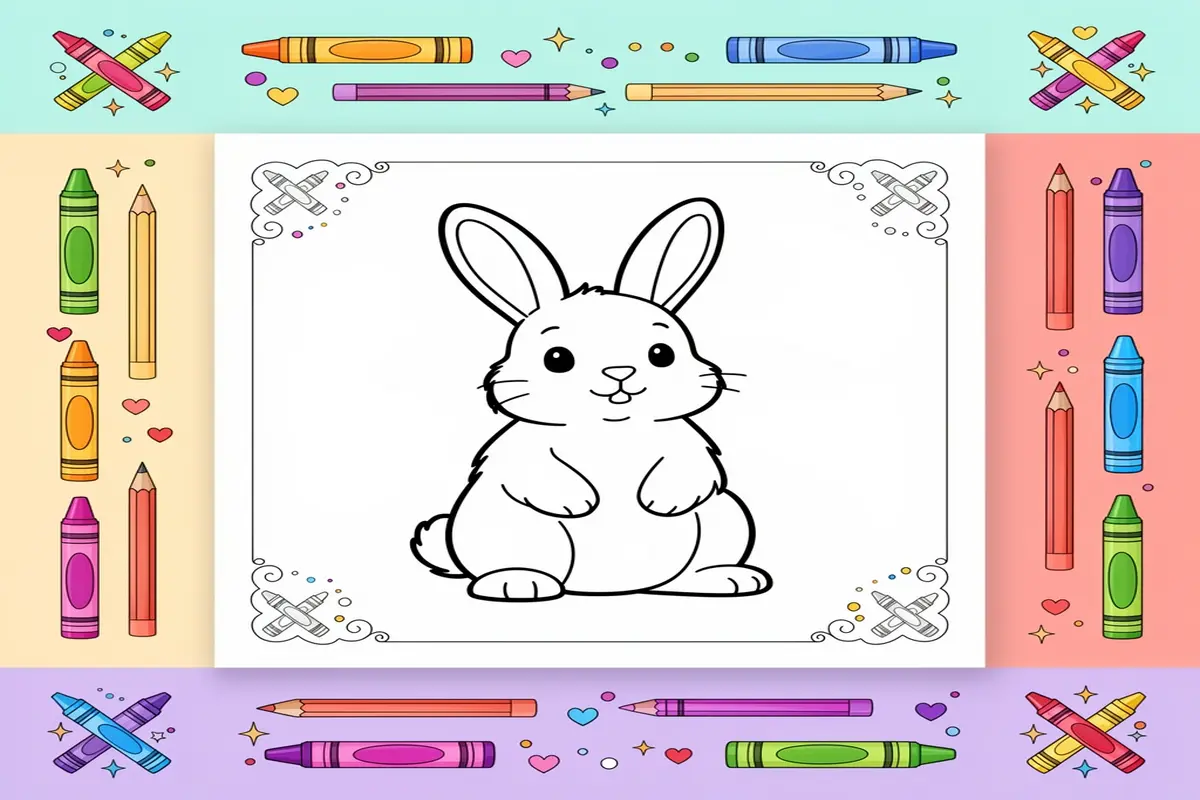
In a world saturated with digital noise, the simple act of coloring offers a profound sanctuary for young minds. It’s a tactile, imaginative journey back to basics, where a blank page transforms into a universe of possibility. Among the most cherished subjects for this creative exploration are the gentle, long-eared creatures that hop through folklore and fields alike. Introducing a child to rabbit coloring pages for kids is to offer them more than just an activity; it’s an invitation to develop fine motor skills, explore color theory, and engage in mindful storytelling. These pages, featuring everything from realistic hares to cartoon bunnies with oversized carrots, provide a perfect canvas for artistic expression. As part of a broader menagerie of printable fun, such as our delightful farm animal coloring pages, rabbit coloring pages for kids serve as a foundational and endlessly engaging artistic pursuit that grows with the child.
The Enduring Charm: More Than Just a Bunny
At first glance, a rabbit outline may seem simple, but its appeal is deeply rooted in psychology and culture. Coloring these familiar forms taps into a child’s innate love for animals and narrative, making rabbit coloring pages for kids a timeless favorite.
The Psychology of Playful Focus
Why does a child become so engrossed in filling a bunny’s fur with swirls of color? The activity operates on multiple cognitive levels. It demands focus, pulling attention away from distractions and into the present moment—a foundational practice in mindfulness. The repetitive motion of coloring within lines enhances fine motor control and hand-eye coordination, essential skills for writing. Furthermore, making decisions about color palettes—will this rabbit be realistic brown or a fantastical blue?—fosters creative confidence and emotional expression in a low-pressure environment.
A Hop Through History and Myth
The rabbit is no ordinary animal in our collective imagination. It’s a symbol of fertility and spring, the speedy hero of fables, the curious companion in beloved storybooks, and the central figure of Easter traditions. This rich cultural tapestry adds layers of meaning to the coloring experience. When a child colors a rabbit, they are unconsciously connecting to centuries of storytelling and symbolism. This connection transforms the activity from a simple pastime into a subtle cultural lesson, sparking curiosity about nature, seasons, and folklore.
Designed for Every Young Artist
The true genius of well-crafted rabbit coloring pages for kids lies in their scalability. For toddlers, pages with bold, simple lines and large areas help them practice grip and control without frustration. For older children, more intricate designs featuring rabbits in detailed garden settings or with patterned fur challenge their precision and patience. This inclusivity ensures that every child, regardless of skill level, can find joy and a sense of accomplishment. It’s a creative tool that adapts, making it a perennial resource for parents and educators seeking to nurture a love for art.
Part 2: Essential Materials & Preparation for Rabbit Coloring Pages for Kids
Before your child hops into the delightful world of rabbit coloring pages for kids, having the right tools and a prepared space can transform a simple activity into an enriching creative session. Proper materials enhance the final artwork and boost confidence and fine motor skill development. This guide details the professional-grade supplies and setup considerations that parents and educators should know to maximize the potential of every rabbit coloring pages for kids project.
The Foundation: Premium Paper Selection for Rabbit Coloring Pages for Kids
The paper you choose is the literal canvas for creativity and dramatically impacts the final result. For standard crayon or pencil work, a smooth, bright white paper around 100-120 GSM (grams per square meter) prevents bleed-through and provides a clean surface for blending. If your young artist prefers markers, especially alcohol-based ones, seek heavyweight marker paper (160+ GSM) or even bleed-proof paper designed specifically for wet media. For a thematic twist, consider printing your rabbit designs on textured “watercolor” paper if your child enjoys using paints or water-based pencils. This elevates the activity, allowing exploration of different mediums on a single rabbit coloring pages for kids printable.
Best Coloring Tools: A Detailed Mediums Comparison
The choice between coloring mediums defines the artistic experience and outcome.
Colored Pencils: Ideal for developing precision and control. Wax-based pencils offer smooth application, while oil-based cores (like those in professional brands) allow for superior layering and blending, perfect for creating soft, furry textures on a rabbit’s coat. Look for pencils with high pigment concentration for vibrant results without excessive pressure.
Markers: Provide bold, saturated color. For children, water-based markers are less messy and often washable. For older kids seeking a professional look, alcohol-based markers (with proper ventilation) offer seamless blending, ideal for creating gradients on Easter eggs or dynamic backgrounds. A dual-tip marker (fine and broad) is incredibly versatile for both large areas and tiny details on rabbit coloring pages for kids.
Crayons & Gel Sticks: Excellent for younger children, offering ease of use and durability. Gel sticks provide intense color with less effort than traditional crayons. While less blendable, they are fantastic for covering large areas quickly and can be layered for interesting effects.
Finishing Touches: Enhancing Details with Specialized Tools
Once the base coloring is complete, introducing specialty tools can add excitement and teach new techniques.
Gel Pens & Metallic Markers: These are perfect for adding magical highlights to a rabbit’s eye, creating sparkling dewdrops on grass, or tracing patterns on a rabbit’s ear. White gel pens are indispensable for adding highlights on top of darker marker or pencil layers.
Blending Tools: A simple colorless blender marker can teach kids about color mixing and smoothing. For pencils, a paper stump or tortillon helps blend colors smoothly to create realistic shading and soft fur effects.
Fine Liners: A set of archival ink pens in various tip sizes (e.g., 0.1, 0.3, 0.5 mm) allows children to confidently outline their work or add intricate patterns after coloring, defining the adorable features of their bunny masterpiece.
Perfect Workspace: Optimizing Lighting and Ergonomics
A well-prepared workspace fosters focus and comfort, allowing children to immerse themselves in their farm-themed art, much like they would when exploring our farm animal coloring pages.
Lighting: Natural, north-facing light is ideal. If that’s not available, a high-CRI (Color Rendering Index) LED desk lamp provides bright, shadow-free illumination that shows true colors, reducing eye strain.
Ergonomics: Ensure the chair and table height allow the child’s feet to rest flat on the floor (or a stool) with elbows at a 90-degree angle. The coloring page should be angled slightly, using a clipboard or drawing board, to prevent neck hunching.
* Organization: Use cups or trays to separate tools by type. A simple damp cloth for quick clean-ups and a sheet of scrap paper to place under the working hand prevents smudging, keeping the rabbit coloring pages for kids pristine throughout the creative process.
Part 3: Elevating Your Art: Professional Techniques for Rabbit Coloring Pages for Kids
Ready to transform a simple rabbit coloring page into a stunning piece of art? This section moves beyond basic crayon strokes to explore professional techniques that will bring your child’s (or your own!) rabbit illustrations to life. Mastering these skills with rabbit coloring pages for kids builds confidence, refines motor skills, and unlocks a new level of creative satisfaction. For more adorable animal inspiration, be sure to explore our collection of cute bunny coloring pages and other farm animal coloring pages.
Harmonious Palettes: Color Theory for Bunny Art
Choosing colors isn’t just about picking favorites; it’s about creating mood and harmony. Teach young artists two simple concepts. Complementary colors (opposites on the color wheel, like blue and orange) make elements pop—perfect for a bright carrot or a detailed eye. Analogous colors (neighbors on the wheel, like various blues and purples) create serene, natural looks, ideal for a twilight scene or a mystical storybook rabbit. For a rabbit in a spring meadow, try analogous greens and yellows for the grass, with a complementary purple flower for a delightful contrast.
From Flat to 3D: Mastering Shading and Depth
The secret to making a rabbit look soft and round is shading. Start by identifying a single light source (e.g., the sun at the top left). The areas farthest from this light will be darkest. Practice gradient shading: color an area heavily and gradually lighten pressure until the stroke fades. For the rabbit’s body, use gentle, curved strokes that follow the body’s contour. Add a dark shadow underneath the rabbit to “ground” it on the page. This simple step-by-step approach—light source, gradient, cast shadow—instantly adds professional-looking dimension.
The Fluffy Factor: Creating Realistic Rabbit Textures
A rabbit’s defining feature is its fur. Avoid coloring in solid, waxy blocks. Instead, use short, directional strokes with colored pencils to suggest fur layers. Start with a base mid-tone, then add lighter strokes for highlights on the brow and cheeks, and darker strokes in shadowy areas like under the ears. For a super-soft effect, try blending: use a colorless blender pencil or gently layer a white pencil over colors to soften lines. For other textured animals, techniques like these can also bring realistic animal coloring pages to life.
The Art of the Fix: Gracefully Correcting Coloring Mistakes
Mistakes are part of the process! Here’s how to fix them gracefully. For waxy crayon marks outside the lines, carefully scrape away the excess with a blunt toothpick. For pencil smudges, a good art eraser is your best friend. If a color turns out too dark, try lifting color by dabbing the area with a kneaded eraser. The most transformative trick? Embrace the “mistake.” An accidental dark spot can become a shadow; a stray line can become a blade of grass. This mindset turns frustration into creative problem-solving, making the process with rabbit coloring pages for kids more enjoyable and less stressful.
Showcasing Your Rabbit Coloring Pages for Kids: Creative Display Ideas
Once your young artist has filled their rabbit coloring pages for kids with vibrant hues, it’s time to celebrate their creativity! Moving beyond the coloring book, displaying their work builds confidence and transforms their art into a cherished part of your home.
Preserving Your Masterpiece: Archival Tips
To ensure those colorful bunnies last, consider simple preservation methods. For flat displays, use acid-free tape or photo corners in a frame to prevent adhesive damage. If you plan to handle the pages often, like in a homemade book, a quick pass with a laminator sheet adds a durable, wipeable surface. For a gallery wall, clip pages to a string with decorative clothespins for an easy-to-rotate art exhibition.
Beyond Display: Creative DIY Projects
Transform completed pages into delightful keepsakes and gifts. Cut out the colored rabbits to create unique greeting cards, bookmarks, or gift tags. Adhere them to a plain canvas or wooden box with decoupage glue for a personalized treasure box. You can even create a custom storybook by binding several themed pages together, perhaps alongside other farm friends from our farm animal coloring pages.
Your Rabbit Coloring Pages for Kids Questions Answered
How do you color a realistic rabbit?
Start with light layers of brown, gray, or white as a base. Use short, directional strokes to follow the fur’s flow. Add depth with slightly darker shades in shadowed areas (like under the ears and belly) and use a white pencil or gel pen for highlight touches on the nose and fur tips for a 3D effect.
What are the benefits of coloring for kids?
Coloring boosts fine motor skills, hand-eye coordination, and focus. It serves as a calming, screen-free activity that reduces anxiety and fosters creative expression. It’s also a wonderful opportunity for color recognition and storytelling, making rabbit coloring pages for kids both educational and therapeutic.
Where can I find free bunny coloring pages?
You can find a wonderful variety of free, high-quality printable bunny coloring pages right here on our site! We offer everything from simple outlines for toddlers to detailed scenes for older children. Simply visit our dedicated collection of rabbit coloring pages for kids to download and print your favorites instantly.
What are the best markers for coloring pages?
For beginners, washable broad-tip markers are ideal. For more vibrant, blendable results, alcohol-based markers (like Copic or Ohuhu) are excellent but require thicker paper to prevent bleed-through. A good all-around choice is a set of fine-tip water-based markers, which offer precision and are generally less messy for young artists.
How to print coloring pages at home?
Use standard printer paper for practice, but for best results with markers, choose a slightly heavier paper (like cardstock). Ensure your printer’s ink settings are on “high quality” for crisp lines. Always download the PDF file for the sharpest image and select “fit to page” in your print dialog box to preserve all the delightful details.
Final Thoughts: Your Rabbit Coloring Pages for Kids Journey Begins
The journey with rabbit coloring pages for kids is about so much more than staying inside the lines. It’s a springboard for imagination, a quiet moment of connection, and a tangible way to celebrate your child’s growing abilities. From the first stroke of color to the proud display on your refrigerator, each page represents a story, a feeling, and a burst of creative joy. We hope this guide inspires countless happy hours of coloring and crafting.
Ready for your next adventure? Explore our cute bunny coloring pages for even more adorable artistic fun!