We offer a wide collection of free, high-quality printable coloring pages for kids and adults. From cute animals to intricate mandalas, our designs bring creativity and relaxation to everyone. Download, print, and start coloring today!

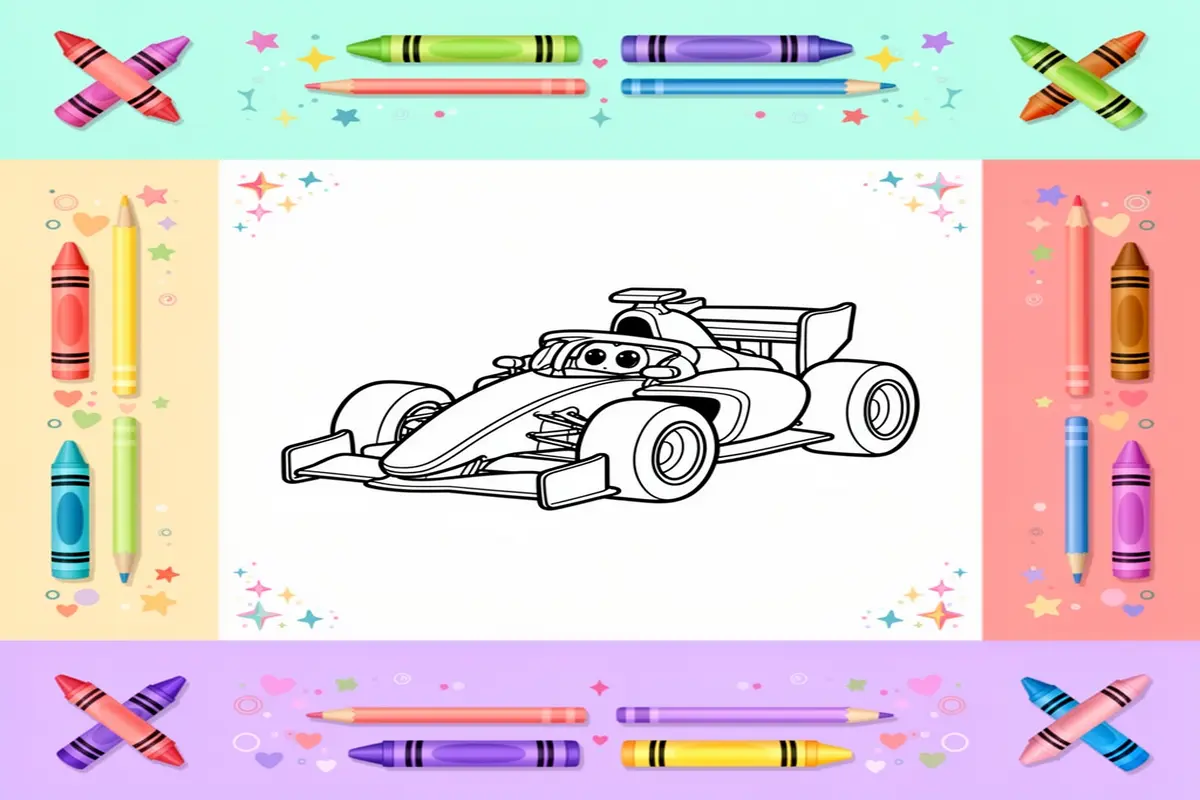
In a world saturated with digital noise, the simple act of coloring offers a profound sanctuary for young minds. It’s a tactile, imaginative journey where focus is forged, and creativity is given the green flag to race ahead. Among the myriad of themes that captivate children, the high-octane world of motorsports holds a special allure. Introducing a child to race car coloring pages for kids is more than just handing them an activity; it’s an invitation to a dynamic universe of speed, design, and vibrant color. These pages transform the roar of engines and the blur of checkered flags into a personal canvas, where every stripe, number, and sponsor logo becomes a choice in their artistic pit stop. While the serene beauty of ocean creatures captivates in its own right, as seen in our free dolphin coloring pages, the adrenaline-fueled appeal of race car coloring pages for kids taps into a different, equally powerful vein of excitement and mechanical wonder, making every coloring session a thrilling Grand Prix of imagination.
The Need for Speed: Psychology & Universal Appeal of Racing Art
What is it about race cars that captures the imagination so completely? The answer lies at the intersection of psychology, culture, and pure, undiluted fun. Coloring these powerful machines is not merely an exercise in staying within the lines; it’s a form of storytelling and empowerment for a young artist.
The Psychology of Color on the Fast Track
Engaging with race car coloring pages for kids is a masterclass in focused play. The intricate details of a car’s aerodynamic body, the pattern of its tires, and the layout of its cockpit require a level of concentration that naturally quietens a busy mind. This mindful engagement is a powerful tool for developing fine motor skills and visual-spatial awareness. Choosing a color scheme—will it be the classic red of Ferrari, a splash of neon, or a completely original palette?—becomes a decision-making process that boosts confidence and self-expression. The act of bringing a static, black-and-white speed machine to vibrant life provides a tangible sense of accomplishment, crossing a finish line of their own making.
A Cultural Canvas: From Garage Dreams to Global Phenomenon
The race car is more than a vehicle; it’s a cultural icon representing innovation, competition, and human ambition. From the early days of automotive pioneers to the high-tech spectacle of modern Formula 1, the imagery of racing is woven into our collective consciousness. Race car coloring pages for kids serve as an accessible gateway to this exciting world. They allow children to connect with themes of engineering, teamwork, and perseverance, all through the tip of a crayon or marker. It’s a first step in appreciating design and the stories behind legendary liveries and racing stripes.
Curated for Every Driver: From Toddlers to Aspiring Designers
The beauty of this theme is its incredible versatility. Simple, bold outlines of race cars are perfect for tiny hands just learning to grip a crayon, providing clear, satisfying areas to fill. For older children and even adults, highly detailed illustrations of specific car models, complete with complex sponsor decals and background pit-stop scenes, offer a rewarding challenge. This range ensures that race car coloring pages for kids are not a one-size-fits-all activity but a scalable creative pursuit that grows with the artist, fueling a passion that could extend from the coloring book to the drafting table.
Professional Materials & Preparation for race car coloring pages for kids
Before your young artist hears the starting flag drop, having the right materials prepared is key to a smooth and enjoyable coloring session. This guide will walk you through the essential toolkit for bringing race car coloring pages for kids to life, ensuring vibrant results and fostering a love for creative expression. Proper preparation not only enhances the final artwork but also builds good habits and focus from the very beginning.
The Foundation: Selecting Premium Paper for race car coloring pages for kids
The paper you choose is the literal canvas for your child’s creativity and directly impacts the performance of coloring tools. For standard use with crayons or colored pencils, a smooth, bright white paper around 100-120 GSM (grams per square meter) is ideal. It provides enough tooth for pencil application while being sturdy enough to prevent easy tearing. If your child prefers using markers, especially alcohol-based ones, seek out marker-specific paper or heavyweight cardstock (160+ GSM) to prevent bleed-through and allow for blending techniques. For a truly professional look, consider printing your chosen race car coloring pages for kids on matte photo paper; it produces brilliant colors with most mediums. Remember, a quality foundation makes every detail pop, from sleek car bodies to checkered flags.
The Driving Force: Comparing Coloring Mediums and Tools
The choice between markers, colored pencils, and crayons defines the artwork’s texture and visual impact.
Colored Pencils: The versatile workhorse. Wax-based pencils offer smooth application and are excellent for layering colors and adding fine details like sponsor logos or intricate engine parts. Oil-based pencils provide richer pigment and superior blendability. A set with a good range of reds, blues, yellows, blacks, and silvers is perfect for race car coloring pages for kids.
Markers: For bold, graphic, and vibrant results. Alcohol-based markers (like Copic or similar) blend seamlessly and dry quickly, allowing for gradient effects on car bodies. Water-based markers are more child-friendly and easier to clean but can warp thinner paper. They are fantastic for solid, eye-catching colors.
Crayons: Excellent for younger children, offering durability and ease of use. While less precise, they can create wonderful textured effects for sandy racetracks or smoky skies.
Precision Detailing: Gel Pens, Highlighters, and Erasers
The details transform a simple coloring page into a masterpiece. Gel pens, especially in metallic silver, gold, and white, are indispensable for adding highlights to chrome bumpers, shiny rims, and headlights. Fine-tip black pens are perfect for redefining outlines or adding small sponsor decals. A quality white eraser is crucial for correcting pencil mistakes without smudging or damaging the paper. Don’t overlook a simple pencil sharpener to maintain fine points for detailed work. For a fun, glowing effect on neon accents or flames, consider using UV-reactive highlighters.
The Pit Stop: Organizing an Optimal Workspace
A well-prepared workspace is the unsung hero of a successful coloring session. Ensure ample, natural light or a bright, neutral-white LED desk lamp to reduce eye strain and allow for accurate color perception. The seating should support good posture—feet flat on the floor and the table at elbow height. Use a clipboard or a hardback book under the paper for a solid surface if not at a desk. Organize materials within easy reach in cups or trays, and always lay down a protective mat or scrap paper to safeguard your table. This dedicated, tidy space signals that it’s time to focus and create, much like a driver prepares their cockpit. For other high-detail projects that require similar preparation, our advanced coloring pages for kids offer a great next challenge.
Mastering race car coloring pages for kids: Advanced Artistic Techniques
Ready to shift your child’s coloring into high gear? Moving beyond basic fills, these advanced techniques will transform their race car coloring pages for kids from simple pictures into dynamic, gallery-worthy art. This guide is designed for parents and teachers to coach young artists toward professional-looking results, building both skill and immense pride in their creations.
Harmonious Palettes: Color Theory for Speedy Success
Choosing colors isn’t just about preference; it’s a science that creates visual impact. For race car coloring pages for kids, teach these simple principles:
Complementary Colors: Use opposites on the color wheel (like blue and orange or red and green) to make the car pop against the background. A bright green car on a rust-red dirt track is instantly eye-catching.
Analogous Colors: For a sleek, unified look, select colors next to each other on the wheel (like blue, teal, and green). This is perfect for creating a cool, metallic sheen on the car’s body.
Warm vs. Cool: Explain that warm colors (reds, oranges, yellows) look like they’re advancing, while cool colors (blues, greens, purples) recede. This can be used to make flames look hot or distant mountains look hazy. For more practice with vibrant, contrasting palettes, explore our tropical fish coloring pages.
From Flat to 3D: Mastering Shading and Depth
The secret to making a car look fast and solid is shading. Guide your artist step-by-step:
1. Identify Your Light Source: Decide where the “sun” is (e.g., top left). Every shadow will be opposite this point.
2. Apply Base Color: Color the entire car evenly with your main hue.
3. Add Shadows: Using a darker shade of your base color (or a cool gray), gently layer color on the sides of the car opposite the light, under the spoiler, and inside the wheel wells.
4. Create Highlights: Leave a thin strip of paper white or use a very light color (like yellow mixed with your base) on the edges closest to the light source. This contrast creates a rounded, three-dimensional form.
Adding Realism: Texture Techniques for Metal, Rubber, and Smoke
Different parts of the scene demand different textures. Show how to vary their strokes:
Shiny Metal: Use smooth, even, and heavy pressure for a glossy finish. Leave long, sharp white streaks for reflections.
Smoky Skies or Exhaust: Use small, tight circular motions with a grey or blue pencil to create a soft, cloudy, blended effect.
Gritty Tracks: For a gravel or dirt texture, use short, sharp, jagged strokes with browns and greys. This technique is also fantastic for creating other natural landscapes, which you can practice with our mountain coloring pages for kids.
Tire Rubber: Combine a dark grey base with lighter grey curved lines to suggest the tread’s roundness and texture.
The Art of Correction: Gracefully Fixing Coloring Mistakes
Even professional artists make mistakes. Teach these recovery strategies:
Over-Coloring: If a section gets too dark, gently lift color with a sticky-tack eraser. Press and lift repeatedly—don’t scrub.
Blending Errors: If colors get muddy, define edges again with a sharp, dark pencil to bring back clarity.
Going Outside the Lines: Frame the “mistake” creatively. Turn a stray mark into a flying pebble, a skid mark, or a distant bird. This reframes errors as creative opportunities.
Paper Tears: Apply gentle pressure. If the paper pills, smooth it gently with a clean finger and avoid coloring that spot heavily again.
By mastering these techniques, children do more than just color—they learn to see like artists, problem-solve, and turn their race car coloring pages for kids into masterpieces of speed and imagination.
Showcasing Your Race Car Coloring Pages for Kids: Creative Display Ideas
Once the checkered flag waves and the coloring is complete, it’s time to celebrate your child’s artistic victory! Moving beyond the coloring book, displaying their masterpieces boosts confidence and transforms their room into a personalized gallery of speed and creativity.
Preserving Your Masterpiece: Archival Tips
To ensure those vibrant race cars stay looking race-day fresh, consider simple preservation methods. For long-term display, use acid-free tape or photo corners to mount pages on colorful backing paper before framing. Laminating sheets are a quick, durable option for artwork destined for the fridge or a busy playroom. For a digital archive, scan or photograph the finished pages to create a lasting portfolio of your young artist’s progress.
Beyond Display: Creative DIY Projects
Turn completed race car coloring pages for kids into fun, functional crafts. Create custom greeting cards by folding a colored page in half and adding a heartfelt message inside. Laminate and cut out individual cars to make unique bookmarks or gift tags. For a grand project, bind a collection of finished pages into a custom storybook, or use mod podge to decoupage them onto a small toy box for a truly personalized storage solution. These activities extend the fun and teach kids to repurpose their art.
Your Race Car Coloring Pages for Kids Questions Answered
How to draw a race car step by step?
Start with simple shapes: a long rectangle for the body and circles for wheels. Add a diagonal line for the windshield and a fin at the back. Encourage kids to add details like a racing number, headlights, and a spoiler. Remember, the goal is fun and creativity, not perfection! This foundational drawing skill can make their race car coloring pages for kids even more personal.
What are the benefits of coloring for kids?
Coloring enhances fine motor skills and hand-eye coordination as children practice staying within lines. It fosters creativity, color recognition, and focus. It’s also a wonderful, screen-free activity for emotional expression and stress relief, providing a calm and mindful moment in a busy day.
Where can I find free race car coloring pages?
Many educational and parenting websites offer free, printable coloring sheets. For a fantastic selection of themed pages, including vehicles and animals, check out our collection of free airplane coloring pages for kids, which follow a similar high-speed theme!
How do you color a race car?
Use bright, bold colors for the car body—think fiery reds, electric blues, or sunny yellows. Color the tires grey or black and add shiny silver for hubcaps. Don’t forget a racing stripe or sponsor logos! For backgrounds, use greens for grass or blues for a sky to make the race car coloring pages for kids really pop off the page.
At what age should a child color inside the lines?
Most children begin to show the coordination to color within lines between ages 3 and 5. However, this varies greatly. Prior to that, scribbling is a vital developmental stage. Always encourage the effort and joy of creating over precision, as pressure can diminish the fun and benefits of the activity.
Final Thoughts: Your Race Car Coloring Pages for Kids Journey Begins
The journey with race car coloring pages is about so much more than filling in spaces. It’s a track where imagination takes the wheel, driving the development of essential skills and creating cherished moments of quiet concentration and pride. Each finished page is a trophy, a testament to your child’s growing abilities and unique creative vision.
We hope this guide fuels your family’s artistic adventures, providing tips for drawing, coloring, displaying, and preserving those speedy masterpieces. Remember, every child’s artistic pace is different; the real victory is in the joy of the creative process itself. So, grab those crayons, fire up the printer, and let the coloring races begin!
Ready for your next adventure? Explore our free dinosaur coloring pages for kids for more prehistoric fun!