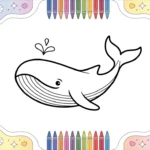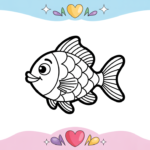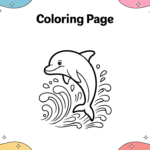
We offer a wide collection of free, high-quality printable coloring pages for kids and adults. From cute animals to intricate mandalas, our designs bring creativity and relaxation to everyone. Download, print, and start coloring today!

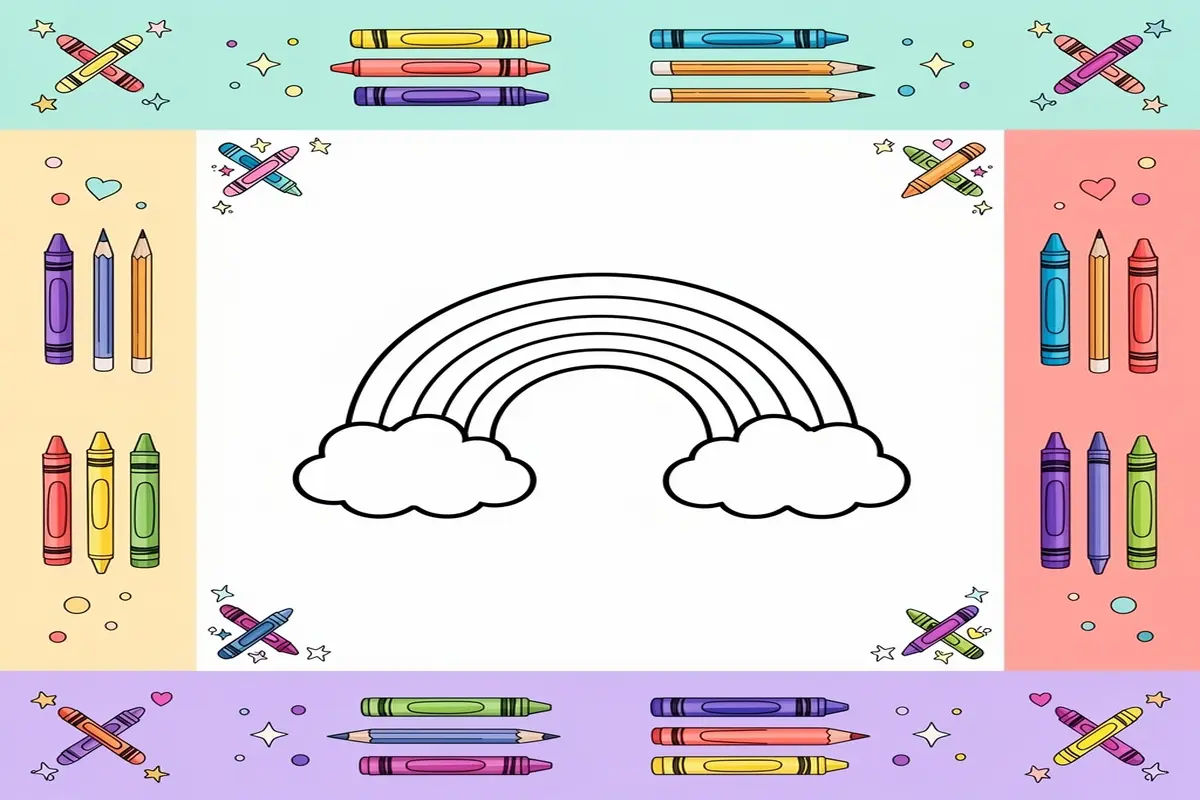
In a world increasingly dominated by screens, the simple act of coloring offers a tangible, calming escape. It’s a portal back to a fundamental joy of childhood—the pure pleasure of making a mark. Among the vast universe of printable art, rainbow coloring pages for kids hold a special, luminous place. They are more than just outlines; they are invitations to play with light, to understand sequence, and to create something inherently hopeful and beautiful. The very concept of a rainbow bridges science and wonder, teaching color theory through the enchanting ROYGBIV spectrum while sparking imagination. Whether a child is meticulously blending hues in a majestic arc over a castle or joyfully coloring a rainbow-maned unicorn, these pages provide a structured yet wildly creative outlet. They complement other nature-themed explorations perfectly, such as the serene beauty found in our collection of free dolphin coloring pages. Ultimately, engaging with rainbow coloring pages for kids is a vibrant exercise in mindfulness, focus, and unbridled artistic expression.
The Chromatic Connection: Psychology and Universal Appeal
The Palette of Emotion: Why Color Calms the Mind
The appeal of rainbow coloring pages for kids is deeply rooted in psychology. The act of coloring itself induces a meditative state, lowering heart rates and quieting the chatter of a busy mind. When the subject is a rainbow, this effect is amplified by the emotional language of color. Children instinctively associate red with energy, blue with calm, and yellow with happiness. Navigating through the spectrum allows them to process these emotions in a safe, non-verbal way. It’s a focused activity that builds concentration and fine motor skills, yet feels like pure play. The predictable order of the rainbow provides a comforting framework, reducing anxiety and offering a sense of accomplishment as each band is completed. This makes these pages a powerful, accessible tool for emotional regulation and mindful relaxation.
A Symbol Across Cultures: More Than Just Light Refracted
Rainbows are a rare cultural universal, appearing in myths, stories, and beliefs across every continent. They symbolize promise, diversity, and the beautiful connection between storm and sun. By coloring a rainbow, a child isn’t just filling in shapes; they are interacting with a symbol that has captivated humanity for millennia. This context adds a layer of richness to the activity. Parents and educators can use rainbow coloring pages for kids as a springboard for discussions about science (how rainbows form), folklore (pots of gold and bridges), and important values like inclusivity and hope. The rainbow’s story transforms the page from a simple task into a canvas for learning and conversation, connecting a child’s personal creation to a wider, wondrous world.
Designed for All Hands: From First Scribbles to Detailed Masterpieces
The genius of the rainbow theme lies in its scalability. For a toddler, a simple, bold rainbow arc is perfect for practicing grip and learning color names. For older children and even adults, intricate designs—like rainbows woven through complex mandalas, forest scenes, or geometric patterns—offer a satisfying challenge. This inclusivity is key. Rainbow coloring pages for kids are truly for everyone; they meet the artist at their current skill level and invite growth. Whether a page is adorned with chunky crayon strokes or meticulously shaded with colored pencils, the result is always a personal burst of color and pride. They are a testament to the idea that creativity has no age limit and that joy can be found in every hue of the spectrum.
Part 2: Essential Materials & Professional Setup for rainbow coloring pages for kids
To transform your rainbow coloring pages for kids from a simple activity into a vibrant masterpiece, the right materials and preparation are key. This professional toolkit ensures that every color pops and every creative session is enjoyable, fostering a love for art and detail in young artists. Proper preparation not only enhances the final result but also makes the process smoother and more engaging for children.
The Foundation: Premium Paper Selection for rainbow coloring pages for kids
The paper you choose is the single most important factor in the coloring experience. For standard rainbow coloring pages for kids, a smooth, bright white paper with a weight of 100-120 GSM (grams per square meter) is ideal. This weight prevents bleed-through from markers and can handle light layers of colored pencil without tearing. For a more luxurious feel, especially with wet mediums, consider cardstock (160-200 GSM). If you’re printing at home, invest in a dedicated pack of premium printer paper rather than using standard multi-purpose paper; the difference in color vibrancy and durability is substantial. For themed projects, like our vibrant fish coloring pages, high-quality paper makes the underwater scenes truly come alive.
Advanced Coloring Mediums: Markers, Pencils, and Crayons Compared
The choice of coloring tool defines the texture and intensity of the final artwork.
Colored Pencils: Opt for soft-core, artist-grade pencils (e.g., Prismacolor Premier) for their superior blendability and pigment load, which is perfect for creating smooth gradients in a rainbow. They allow for detailed work and are less messy, making them excellent for developing fine motor skills.
Markers: Alcohol-based markers (like Copic or Ohuhu) provide seamless, bleed-free blends ideal for large, vibrant areas. For younger children, high-quality water-based markers with dual tips (broad and fine) offer good color payoff without the permanence or odor of alcohol inks. Always test markers on a corner to check for bleed-through.
Crayons: Modern gel crayons or twistable crayons offer bold, opaque coverage and are effortless for small hands to use. They excel at creating a rich, textured layer of color.
Precision Tools: Enhancing Details and Adding Brilliance
Once the base layers are down, these tools add professional polish.
Gel Pens & Highlighters: Metallic, glitter, and white gel pens are indispensable for adding highlights, tracing outlines, and creating magical effects like sparkling raindrops or sunbeams on rainbow coloring pages for kids. A set of pastel highlighters can be used for soft, glowing auras.
Blending Tools: For colored pencils, a colorless blender pencil or paper stumps (tortillons) are essential for smoothing gradients. A small, soft paintbrush can be used to blend pencil dust for an airbrushed effect.
Erasers & Sharpeners: A high-quality, kneaded eraser lifts color without damaging paper, while a precision electric or manual sharpener keeps pencil points fine for intricate work.
Creating the Optimal Creative Workspace
A well-prepared environment prevents frustration and nurtures focus.
Lighting: Ensure the workspace is flooded with natural light or use a daylight-simulating LED lamp. This reduces eye strain and allows children to see true colors, which is critical when working with the spectrum of a rainbow.
Ergonomics & Surface: Provide a flat, hard surface. A portable drawing board or a simple piece of smooth masonite under the paper gives a perfect firm base. For seating, ensure the child’s feet can rest flat and the table height allows forearms to be parallel to the floor.
Organization & Protection: Use cups or organizers to separate tools by type. Always place a blotter sheet or spare paper underneath the rainbow coloring pages for kids to protect the table surface, especially when using markers or heavy pressure with pencils.
Part 3: Elevating Your Art: Advanced Techniques for Rainbow Coloring Pages for Kids
Ready to transform those vibrant outlines into stunning works of art? Moving beyond simple fill-ins, these advanced techniques will help kids (and adults!) add incredible depth, realism, and creativity to their rainbow coloring pages for kids. This is where a simple activity becomes a masterclass in artistic skill.
Harmonious Palettes: Color Theory for Rainbow Pages
Understanding basic color theory can elevate a rainbow from a simple ROYGBIV stripe to a harmonious masterpiece. Teach young artists about complementary colors (opposites on the wheel, like blue and orange), which make each other pop when placed side-by-side. For a more calming effect, explore analogous colors (neighbors on the wheel, like blue, teal, and green). When working on rainbow coloring pages for kids, encourage them to blend these color families within each band of the rainbow for a sophisticated, gradient effect. This principle also applies beautifully to our abstract coloring pages for kids, where color relationships are the star of the show.
From Flat to 3D: Mastering Light and Shadow
The secret to making shapes leap off the page is shading. Start by choosing a light source direction (e.g., the top left corner). Then, practice pressure control: heavy pressure for dark shadows on the opposite side of the light, light pressure for mid-tones, and leaving areas white for highlights. On a rainbow, this could mean shading the underside of each arch to give it a rounded, dimensional feel. For animal-themed pages, like our realistic lion coloring pages free printable, shading defines muscle and brings the majestic creature to life.
Adding Realism: Creative Texture Techniques
Texture makes a cloud look fluffy and a river look wet. Use different strokes to create these effects:
Scumbling: Tiny, tight circular scribbles are perfect for fluffy clouds or rough tree bark.
Cross-Hatching: Drawing sets of parallel lines crossing over each other creates depth and can simulate scales, woven baskets, or gritty surfaces.
Stippling: Using countless tiny dots builds up texture and shade gradually, ideal for a speckled frog or a starry sky behind a rainbow. Practice these methods on pages with diverse elements, like our nature coloring pages for kids, which offer a perfect canvas for grass, fur, water, and more.
The Art of Correction: Graceful Fixes for Coloring Mistakes
Even professional artists make “happy accidents.” Teach resilience with these fixes:
1. Blending Out: A small, unintended mark can often be softened by gently blending it into the surrounding area with a lighter color or a colorless blender pencil.
2. Strategic Embellishment: Turn a stray dot into a deliberate part of the design—a dewdrop on a leaf, a tiny star, or a freckle on an animal’s face.
3. Layered Cover-Up: For darker mistakes, let the area dry completely, then layer a slightly thicker, opaque color (like white or a light pastel) over it before applying the correct color on top. Remember, the goal is creative expression, not perfection.
Showcasing Your Rainbow Coloring Pages for Kids: Creative Display Ideas
Once your young artist has filled their rainbow coloring pages for kids with vibrant hues, the fun doesn’t have to stop! Transforming their artwork into cherished displays or gifts adds a wonderful layer of pride and purpose to their creative journey.
Preserving Your Masterpiece: Archival Tips
To ensure those brilliant colors last, consider simple preservation methods. For a permanent display, place the finished page in a standard frame with UV-protective glass to prevent fading. For a more flexible, rotating gallery, use clip frames or simply laminate the artwork. This not only protects it from spills and tears but also allows you to easily swap out new masterpieces, creating a dynamic art wall in your child’s room or play area.
Beyond Display: Creative DIY Projects
Rainbow art is perfect for upcycling into delightful keepsakes. Help your child turn their colored page into a cheerful greeting card by folding and decorating it. You can also laminate and cut out sections to make vibrant bookmarks or decoupage them onto a plain wooden box for a personalized treasure chest. These projects make heartfelt, handmade gifts for family members, extending the joy of their creation. For more artistic inspiration, explore our collection of abstract coloring pages for kids, which offer another wonderful avenue for creative expression and craft projects.
Your Rainbow Coloring Pages for Kids Questions Answered
What is the correct order of colors in a rainbow?
The classic sequence is red, orange, yellow, green, blue, indigo, and violet. A handy mnemonic to help kids remember is the name “Roy G. Biv.” Each letter stands for a color in order. This is a perfect lesson to pair with your rainbow coloring pages for kids, turning art time into a fun science moment.
How do you draw a rainbow step by step?
Start by drawing a curved line for the top arch. Then, draw parallel curved lines underneath, leaving even space between each. You’ll typically draw seven arches to represent the seven colors. Finally, add fluffy clouds at each end. It’s a simple, joyful shape that kids can master, making it a great precursor to filling in their rainbow coloring pages.
Why is coloring important for early childhood?
Coloring strengthens fine motor skills and hand-eye coordination as children learn to control crayons and stay within lines. It fosters creativity, color recognition, and focus. It’s also a calming activity that can help young children express emotions and build confidence in their abilities, making rainbow coloring pages for kids a powerful developmental tool.
How to teach kids the colors of the rainbow?
Use the “Roy G. Biv” acronym as a song or chant. Pair each color with a familiar object (e.g., red like an apple, orange like a carrot). The most engaging method is hands-on learning through art—provide them with rainbow coloring pages and guide them to color each band in the correct order, reinforcing the lesson through practice.
What does a rainbow represent for kids?
For children, a rainbow often symbolizes happiness, hope, and magic. It’s a sign of beauty after a storm, promoting optimism. In stories and media, rainbows are frequently tied to treasure, fantasy, and kindness. This positive symbolism makes working on rainbow coloring pages for kids an uplifting activity that sparks joy and imaginative play.
Final Thoughts: Your Rainbow Coloring Pages for Kids Journey Begins
The simple act of coloring a rainbow opens a spectrum of opportunities for learning, creativity, and family connection. From mastering the order of colors to developing essential motor skills and finding calm in a busy day, these vibrant pages offer far more than just a way to pass the time. They are a canvas for growth, expression, and shared moments of pride as you display and craft with your child’s finished artwork.
We hope this guide inspires you to embrace the color, joy, and educational fun that comes with this timeless activity. Remember, every masterpiece starts with a single stroke of color. Ready for your next adventure? Explore our outer space coloring pages to launch your creativity into a whole new galaxy!