We offer a wide collection of free, high-quality printable coloring pages for kids and adults. From cute animals to intricate mandalas, our designs bring creativity and relaxation to everyone. Download, print, and start coloring today!

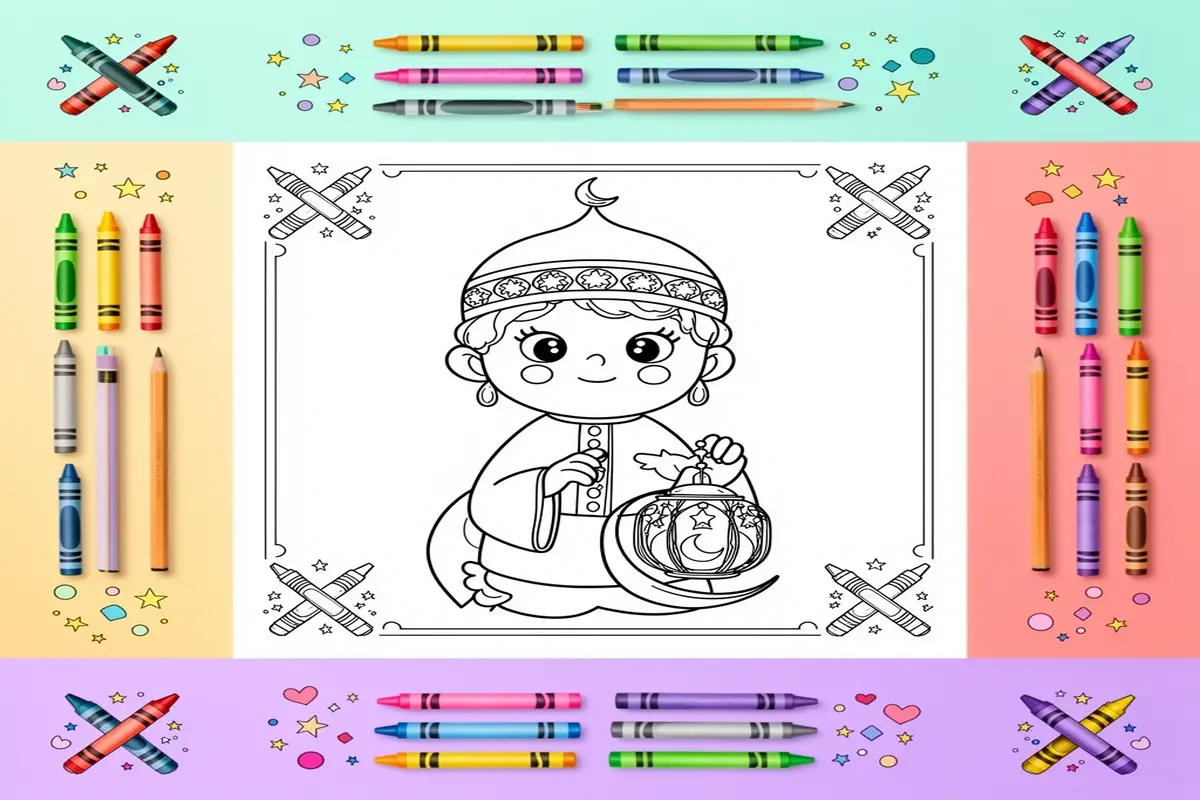
As the crescent moon heralds the arrival of Ramadan, families worldwide seek meaningful ways to engage their children in the spirit of this holy month. Beyond the fasts and prayers, creativity offers a beautiful bridge to understanding and celebration. Enter the world of Ramadan coloring pages for kids, a simple yet profound tool that transforms abstract concepts into tangible art. These pages do more than just occupy little hands; they open doors to conversations about generosity, reflection, and community. In a time focused on spiritual growth, providing a calm, focused activity like coloring can be a sanctuary for young minds, helping them process the unique rhythms of Ramadan. From intricate mosque silhouettes and glowing lanterns (fanous) to cheerful crescents and baskets of dates, each Ramadan coloring page for kids is a story waiting to be brought to life with color. This artistic exploration complements other thematic activities, much like our collection of Islamic coloring pages for kids, fostering a holistic and joyful learning experience.
The Psychology & Cultural Canvas: More Than Just Coloring
The Calming Crescent: Mindfulness Through Art
At its core, coloring is a mindfulness practice. The focused attention required to stay within lines and choose colors quiets the mind, reducing anxiety and promoting a state of flow. For children observing Ramadan, especially those who may be fasting for the first time or adjusting to altered schedules, this meditative quality is invaluable. Ramadan coloring pages for kids provide a constructive, peaceful outlet for energy, helping to cultivate the patience and inner stillness that the month encourages. It’s a sensory activity that grounds them in the present moment, turning waiting times before iftar into periods of creative and spiritual calm.
Symbols of Faith: A Visual Language for Young Learners
Every element on a Ramadan-themed page is a teaching opportunity. The star and crescent, the mosque dome, the prayer rug—these are not just shapes to fill but symbols with deep significance. As children color a lantern, you can share stories of light guiding the way; as they decorate a charity (zakat) box, discussions about generosity unfold naturally. This visual language makes the tenets of Islam accessible and memorable. By engaging with Ramadan coloring pages for kids, children actively participate in building their cultural and religious literacy, creating a personal connection to traditions that might otherwise seem distant or complex.
Curated for Every Young Artist: From Toddlers to Tweens
The beauty of this medium lies in its inclusivity. For the youngest hands, simple, bold outlines of moons and dates build fine motor skills and color recognition. For older children, more detailed scenes featuring families at iftar or intricate geometric patterns offer a satisfying challenge that boosts concentration and artistic confidence. This scalability ensures that every child, regardless of age or skill level, can find a Ramadan coloring page for kids that feels just right. It becomes a shared family activity where siblings and parents can color side-by-side, each at their own level, fostering togetherness—a core theme of Ramadan itself.
Professional Materials & Preparation for ramadan coloring pages for kids
To ensure a smooth, enjoyable, and high-quality coloring experience for children during the holy month, proper preparation is key. Gathering the right materials for ramadan coloring pages for kids transforms a simple activity into a cherished creative ritual. This section details the essential supplies and setup, helping parents and educators create an environment that fosters both artistic expression and a connection to Ramadan’s themes. Thoughtful preparation of these tools can make coloring sessions with ramadan coloring pages for kids more engaging and less messy.
The Foundation: Selecting Premium Paper for ramadan coloring pages for kids
The paper you choose directly impacts the final artwork and the child’s experience. For standard home printing, opt for a bright white, smooth cardstock between 120-160 GSM (grams per square meter). This weight prevents bleed-through from markers and handles erasing without tearing, which is crucial for detailed designs like mosques or intricate lanterns often found in ramadan coloring pages for kids. For a more tactile, premium feel, consider matte presentation paper. If you plan to display the finished pieces, perhaps as decorations during Eid, a heavier 200+ GSM paper or mixed-media paper provides a substantial, frame-worthy base. Always perform a printer test on a single sheet before a full batch print.
Best Coloring Tools: A Detailed Medium Comparison
The choice of coloring medium depends on the child’s age, desired effect, and the page’s detail level.
Colored Pencils: Ideal for most situations. Look for soft-core pencils with high pigment content for vibrant, blendable layers. They offer excellent control for small patterns and Arabic calligraphy. A set of 24-36 colors provides ample variety for skin tones, festive clothing, and night skies.
Markers: Provide bold, saturated color perfect for celebratory scenes. Fine-tip markers are essential for details, while broad-tip or brush markers cover large areas. To prevent bleed-through on thinner paper, use markers specifically labeled “no-bleed” or place a scrap sheet underneath. For younger children, water-based markers are easier to clean.
Crayons: A classic, budget-friendly choice best suited for younger children. While less precise, they encourage bold expression and are perfect for simpler designs. For a richer result, choose crayons with high wax density.
Finishing Touches: Gel Pens, Highlights, and Embellishments
Elevate the completed ramadan coloring pages for kids with special effects that make the artwork shine—literally. Metallic and glitter gel pens are perfect for highlighting crescent moons, stars, and decorative elements on lanterns or mosque domes. White gel pens can add highlights and correct minor mistakes on darker colors. For a collaborative or extended project, consider incorporating washi tape for borders or using stickers with Islamic themes. If using paints or very wet mediums, a final spray of workable fixative (used by an adult in a well-ventilated area) will protect the artwork from smudging.
Creating the Perfect Workspace: Ergonomics and Lighting
A well-prepared space enhances focus and comfort. Ensure the coloring surface is stable and at an appropriate height to prevent hunching; a table with a slight tilt can reduce neck strain. Natural daylight is the ideal light source for accurate color perception. Supplement with a bright, white LED desk lamp to eliminate shadows and reduce eye fatigue during evening sessions, which may coincide with Iftar preparations. Keep supplies organized in cups or trays, and always protect the table surface with a large craft mat or newspaper. Having related resources on hand, like our islamic coloring pages for kids, can help explain the significance of the images being colored. Finally, keep a soft cloth for wiping hands and a pencil sharpener close by to maintain workflow and minimize distractions.
Part 3: Elevating Your Art: Advanced Techniques for Ramadan Coloring Pages for Kids
Ready to transform those beautiful Ramadan coloring pages for kids from simple sheets into stunning works of art? This section moves beyond basic coloring to introduce techniques that add depth, realism, and a professional touch. These methods are perfect for older kids, teens, and even adults looking to create a more impactful display during the holy month. Let’s explore how to bring these meaningful images to life.
Harmonious Palettes: Color Theory for Sacred Scenes
Understanding a bit of color theory can make your Ramadan coloring pages for kids truly sing. For scenes of mosques under starry skies or families sharing Iftar, consider these approaches:
Complementary Colors: Use opposites on the color wheel for vibrant contrast. Think deep blues for a night sky paired with warm, glowing yellows and oranges for lanterns and crescent moons. This makes the light sources “pop.”
Analogous Colors: For a more harmonious, calming feel (perfect for prayer scenes), use colors next to each other on the wheel. A serene scene could use various shades of blue, turquoise, and green.
Cultural Significance: Incorporate traditional colors like greens (associated with Islam), golds (for prosperity and light), and whites (for purity and peace). For more inspiration on using nature’s palette, explore our nature coloring pages for kids.
From Flat to 3D: Mastering Light and Shadow
Shading is the magic that turns a flat circle into a spherical moon or a simple arch into a domed mosque. Here’s a step-by-step approach:
1. Identify Your Light Source: Decide where the light is coming from (e.g., the moon, a lantern). Consistency is key.
2. Start Light: Color the entire area with your base color using very light pressure.
3. Build Shadows: On the side opposite your light source, apply the same color with gradually increasing pressure. For deeper shadows, add a layer of a slightly darker, analogous color (e.g., add a touch of purple to blue).
4. Add Highlights: Leave the area closest to the light source the lightest. You can gently erase a tiny spot or use a white gel pen for a specular highlight on a glass lantern or star.
Adding Realism: Texture Techniques for Ramadan Themes
Texture adds a tactile feel to your artwork. Here’s how to render common elements in Ramadan pages:
Starry Sky: Use a white gel pen on a softly shaded blue background. Vary star sizes and add tiny crosses for a twinkling effect.
Intricate Patterns (on mosque tiles or prayer rugs): Use fine-tip markers or sharp colored pencils. Color the background first, then carefully draw the pattern over it, or painstakingly color around the pattern lines.
Fabric (like hijabs or tablecloths): Use directional, consistent strokes to show the flow of the fabric. For velvet or silk textures on our elegant animal coloring pages, you can practice soft blending and sharp highlight contrasts.
Metallic Lanterns: Use a gradient from bright yellow to deep orange or brown. Leave a stark white highlight and add small, sharp lines of dark brown for engraved details.
The Art of Correction: Graceful Fixes for Coloring Errors
Mistakes happen! Here’s how to handle them gracefully:
Waxy Pencil Smudges: Use a sticky-tack or a specialized colored pencil eraser to lift excess wax before trying to erase.
Color Outside the Lines: Turn the “mistake” into a feature. Gently blend the stray color outward to create a soft glow or shadow effect around the object.
Overly Dark Shadows: If an area becomes too dark, you can often layer a lighter color over it. A white or cream pencil can soften and blend a harsh shadow.
Embrace Imperfection: Remember, the spiritual intent behind coloring these Ramadan coloring pages for kids is what matters most. A perceived flaw can become a unique part of your family’s creative journey.
Showcasing Your Ramadan Coloring Pages for Kids: Creative Display Ideas
Once your little artists have filled their Ramadan coloring pages for kids with vibrant hues, it’s time to celebrate their work! Moving beyond the fridge door, creative display honors their effort and reinforces the holiday’s spirit. Here are inspiring ways to preserve and repurpose their beautiful creations.
Preserving Your Masterpiece: Archival Tips
To ensure these special artworks last, consider simple preservation methods. For flat displays, use acid-free photo corners in a large frame to create a rotating gallery. For a more durable finish, a budget-friendly laminator seals pages, making them perfect for placemats or wall hangings that can be wiped clean. Storing original pages in a dedicated portfolio or large binder celebrates the collection as a visual diary of your child’s Ramadan journey year after year.
Beyond Display: Creative DIY Projects
Transform completed coloring pages into meaningful gifts and decorations. Cut out lantern or crescent moon shapes to create handmade greeting cards for Eid, adding a personal touch to well-wishes. Strips of colored pages can be glued onto popsicle sticks to make beautiful bookmarks—a wonderful gift for grandparents. For a communal project, attach individual pages to a long string to craft a “Ramadan Countdown Banner,” adding a new piece each day. This approach mirrors the creative reuse seen in projects like our DIY Gingerbread House Coloring Pages, where art becomes an interactive craft.
Your Ramadan Coloring Pages for Kids Questions Answered
What are good Ramadan activities for kids?
Beyond Ramadan coloring pages for kids, wonderful activities include reading age-appropriate Islamic stories, helping prepare Iftar (like dates or simple snacks), creating simple decorations like paper lanterns, and participating in age-appropriate charity projects, such as packing a food box. These hands-on experiences make the values of Ramadan tangible and memorable.
How do you explain Ramadan to a child?
Explain Ramadan as a special month for Muslims to practice being their best selves. Use simple terms: it’s a time for fasting (not eating or drinking) from sunrise to sunset to understand how others feel, for praying more, sharing with people in need, and being extra kind. Ramadan coloring pages for kids that feature moons, lanterns, and families sharing meals can visually support this conversation.
What are the symbols of Ramadan?
Common symbols include the crescent moon and star (marking the lunar month), the lantern (or fanous, symbolizing light and guidance), dates (the traditional food to break the fast), mosques, and the Quran. These symbols are perfect subjects for Ramadan coloring pages for kids, helping children visually identify and connect with the holiday’s themes.
Where can I find free Ramadan printables?
Many educational and parenting websites offer free Ramadan printables. You can find a fantastic variety of high-quality, free thematic coloring pages on sites like Safari Coloring, which specializes in engaging activities for children. Always look for reputable sources that provide culturally respectful and accurate images.
What are the traditional colors of Ramadan?
Traditional colors associated with Ramadan are often greens (symbolizing nature and paradise), blues (for spirituality and the night sky), golds and yellows (representing the moon, stars, and lantern light), and whites (for purity and peace). Encouraging kids to use this palette on their Ramadan coloring pages can deepen their cultural connection.
Final Thoughts: Your Ramadan Coloring Pages for Kids Journey Begins
Embarking on the journey with Ramadan coloring pages for kids is about so much more than just staying occupied. It’s a gentle, creative pathway to introducing faith, culture, and family values. Each colored lantern and crescent moon becomes a conversation starter about patience, gratitude, and community. As you display and craft with these pages, you’re building cherished traditions and tangible memories that celebrate this holy month’s true spirit.
We hope this guide inspires a colorful, meaningful Ramadan for your family. Remember, the goal is connection and joy, not perfection. Ready for your next creative adventure? Explore our vast collection of Ocean Coloring Pages for Kids to keep the artistic inspiration flowing all year long!