We offer a wide collection of free, high-quality printable coloring pages for kids and adults. From cute animals to intricate mandalas, our designs bring creativity and relaxation to everyone. Download, print, and start coloring today!

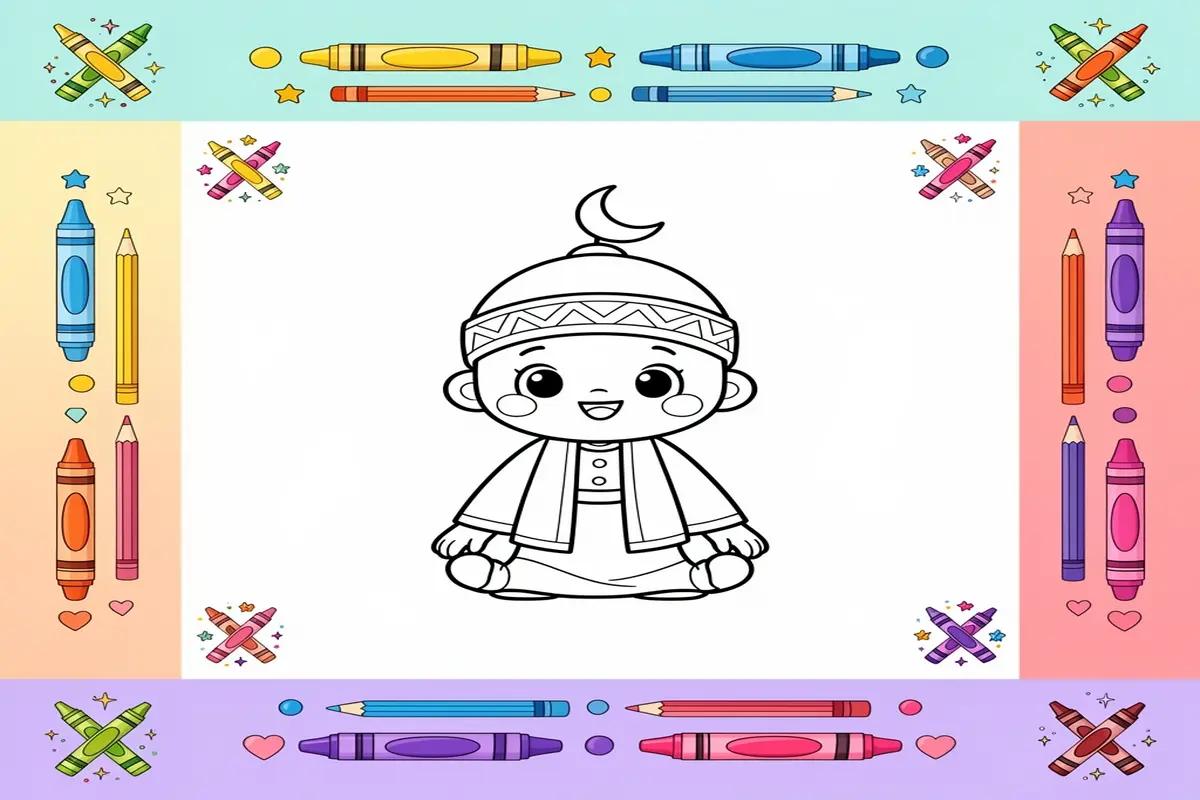
In the quiet moments between dawn and dusk, during a month of reflection and renewal, families seek meaningful activities that engage young hearts and minds. The simple act of coloring transforms into a profound tool for connection, education, and calm. Ramadan coloring pages for kids offer a unique bridge, blending artistic expression with the rich traditions and values of the holy month. Far more than just a pastime, these pages become a canvas for storytelling, allowing children to visualize the crescent moon, intricate mosque designs, lanterns (fanoos), and scenes of family togetherness. They provide a gentle, hands-on way to discuss themes of generosity, patience, and gratitude. While exploring the wonders of the ocean with our free dolphin coloring pages can spark a love for nature, Ramadan coloring pages for kids nurture a child’s spiritual identity and cultural understanding, making the season’s lessons vibrant and personal.
The Art of Meaningful Engagement: More Than Just Color
The Psychology of Calm: Mindfulness in Every Stroke
In our fast-paced world, coloring is a recognized antidote to overstimulation, promoting focus and reducing anxiety. For children observing or learning about Ramadan, this mindful practice is especially valuable. The rhythmic motion of coloring within the lines of a star and crescent design or a plate of dates for Iftar can create a peaceful, meditative state. This focused activity helps channel a child’s energy positively, mirroring the month’s emphasis on inner peace and self-discipline. Engaging with Ramadan coloring pages for kids turns a quiet afternoon into an exercise in mindfulness, building patience—a core tenet of the fasting month—in a tangible, accessible way.
A Cultural Canvas: Illustrating Traditions and Values
Each element on a Ramadan-themed page is an opportunity for dialogue. A coloring sheet featuring a mosque isn’t just a building to fill with color; it’s a chance to talk about community and prayer. A page with a charity (Zakat) box introduces concepts of sharing and empathy. Through these illustrations, children visually and creatively absorb the pillars and customs of Ramadan. This artistic exploration fosters a deeper, more personal connection to their heritage and faith than passive learning alone. It allows them to ask questions, choose colors that express their feelings, and ultimately, create a personal artifact of their Ramadan experience.
Curated for All Ages: From Toddlers to Tweens
The beauty of Ramadan coloring pages for kids lies in their versatility. For the youngest artists, simple outlines of moons and lanterns help develop fine motor skills. Older children can tackle more complex scenes of bustling night markets (Ramadan bazaars) or geometric patterns inspired by Islamic art, which challenge their precision and creativity. This inclusivity ensures that every child, regardless of age or skill level, can participate in a shared family activity that celebrates the season. It’s a screen-free endeavor that cultivates pride in their work and their culture, making the spiritual journey of Ramadan a colorful, collective family memory.
Part 2: Professional Materials & Preparation for ramadan coloring pages for kids
To ensure a smooth and enjoyable coloring experience that honors the spirit of the month, having the right materials is key. Proper preparation for ramadan coloring pages for kids allows young artists to focus on creativity and reflection. This guide outlines the essential toolkit, from foundational paper to specialized tools, helping you create an ideal workspace for this meaningful activity.
The Foundation: Selecting Premium Paper for ramadan coloring pages for kids
The choice of paper directly impacts the final artwork and the child’s experience. For standard printing of ramadan coloring pages for kids, a bright white, smooth printer paper (around 100-120 GSM) is sufficient for pencils and light marker use. However, if children are using markers or wet mediums, upgrading to a heavier weight paper (160 GSM or higher) or dedicated marker paper is crucial to prevent bleed-through and buckling. For a luxurious feel and to create keepsake artwork, consider textured mixed-media paper, which holds layers of color beautifully. Always perform a printer test on a single sheet before printing a full set to ensure compatibility with your chosen paper.
Best Coloring Tools: A Detailed Medium Comparison
The coloring medium defines the artwork’s texture and vibrancy. Here’s a professional comparison:
Colored Pencils: Ideal for detailed patterns and shading often found in Islamic art. Wax-based pencils offer smooth blending, while oil-based provide richer layers. They are clean, precise, and perfect for younger children or quieter moments.
Markers: Deliver bold, vibrant colors that make designs pop. For ramadan coloring pages for kids, alcohol-based markers offer seamless blending but require bleed-proof paper. Water-based markers are a safer, less messy option for younger kids. Look for dual-tip markers (broad and fine) for versatility in coloring large areas and intricate details like geometric patterns or mosque architecture.
Crayons: A classic, budget-friendly choice for very young children. Their waxiness can limit detail but encourages broad, expressive strokes.
Finishing Touches: Gel Pens, Metallics & Highlights
Elevate the artwork with special effects that can mimic the brilliance of mosque mosaics or festive lanterns. Gel pens, especially in metallic gold, silver, and white, are perfect for adding highlights to stars, moons, and decorative borders. They write smoothly over most pencil and marker layers. Fine-line paint markers can outline key elements for added definition. For a collaborative project, consider using glitter glue (applied with supervision) to specific areas, making the pages shine—much like the cute star and moon designs you might find on our abstract coloring pages for kids. These details encourage children to add their personal touch to the sacred themes.
Perfect Workspace: Optimizing Lighting & Ergonomics
A well-prepared space fosters focus and comfort. Ensure ample, natural light if possible, supplemented by a soft, white LED desk lamp to reduce eye strain. The coloring surface should be stable and at an appropriate height for the child to sit with their feet flat on the floor and forearms supported. Keep materials organized within reach using cups for pencils and a flat tray for markers. Having a dedicated folder or portfolio to store finished ramadan coloring pages for kids not only keeps the space tidy but also helps create a cherished collection to reflect upon throughout the month and beyond.
Part 3: Elevating Your Art: Professional Techniques for Ramadan Coloring Pages for Kids
Ready to transform those beautiful Ramadan coloring pages for kids from simple sheets into stunning works of art? This section moves beyond basic coloring, introducing techniques that will add depth, realism, and a professional touch to your child’s creations. These skills not only enhance the final piece but also build patience, focus, and artistic confidence.
Link: For foundational practice with simpler shapes and patterns, explore our Abstract Coloring Pages for Kids or Pattern Coloring Pages for Kids.
Harmonious Palettes: Color Theory for Sacred Scenes
Understanding basic color theory can make your Ramadan-themed art truly sing. For the serene and spiritual themes found in Ramadan coloring pages for kids, consider these approaches:
Analogous Colors: Create peaceful, cohesive scenes by using colors next to each other on the color wheel. For a night sky over a mosque, try blending deep blues, purples, and blue-greens. For a sunset scene (Iftar time), use oranges, reds, and yellows.
Complementary Colors for Pop: Use opposites on the color wheel sparingly to make key elements stand out. A purple Ramadan lantern (Fanous) could have tiny yellow flame details, or a green border on a page might feature small red crescent moons.
Theme-Conscious Choices: Encourage the use of traditional colors associated with Ramadan and Eid: metallic gold and silver for stars and lanterns, various shades of green, and rich blues and purples for nighttime scenes.
From Flat to 3D: Mastering Light and Shadow
Shading is what gives a two-dimensional drawing the illusion of three-dimensional form. Teach this step-by-step process:
1. Choose Your Light Source: First, decide where the light is coming from (e.g., the top left corner). Every shadow will be cast opposite this point.
2. Apply Base Colors: Fill in all areas with your main, medium-tone color.
3. Add Shadows: Using a darker shade of your base color (or a cool grey), color lightly along the sides of objects away from the light. For example, shade the right side of a mosque dome if the light is top-left.
4. Add Highlights: Using a lighter shade or by leaving a tiny white space, add a bright spot on the areas closest to the light source. This makes lanterns look shiny and moons look luminous.
Adding Realism: Texture Techniques for Ramadan Themes
Different elements in your Ramadan scenes should feel different. Here’s how to create texture:
Starry Night Skies: Instead of just coloring the sky solid blue, use the side of a pencil tip or a very light crayon touch to create a soft, grainy texture. Add tiny dots with a white gel pen for stars.
Intricate Patterns: Many Ramadan pages feature geometric designs on mosque tiles or prayer mats. Use fine-tipped markers or colored pencils to carefully define these patterns. Alternating two colors in a sequence can make them pop.
Fabric and Food: For Iftar table scenes, use short, overlapping strokes to color a tablecloth, suggesting fabric weave. For dates or fruits, leave a small white highlight to make them look plump and juicy.
The Art of Correction: Graceful Fixes for Coloring Mistakes
Mistakes happen, and learning to fix them is part of the artistic journey. For ramadan coloring pages for kids, which often have detailed areas, here are some graceful saves:
Pressing Too Hard: If an area is colored too darkly, try gently dabbing it with a kneaded eraser to lift some pigment without tearing the paper.
Color Outside the Lines: Turn the “mistake” into a design feature! Use a matching marker to even out the stray line, turning it into a glow around a lantern or a shadow behind a crescent moon.
Wrong Color Choice: Layer over it! Colored pencils are great for this. You can often alter a color by layering a new one on top (e.g., layering a bit of blue over a green can create a cooler, more shadowy tone). Test layering on a separate sheet first.
By practicing these techniques, children and adults alike can create truly breathtaking and meaningful artwork that honors the spirit of the season.
Showcasing Your Ramadan Coloring Pages for Kids: Creative Display Ideas
The joy of creating beautiful Ramadan coloring pages for kids doesn’t have to end when the last crayon is put away. Transforming these artworks into cherished decorations is a wonderful way to extend the celebration and involve children in the festive spirit of the month.
Preserving Your Masterpiece: Archival Tips
To ensure your child’s artwork lasts, consider simple preservation methods. For a professional touch, use a spray fixative or clear laminate sheets to prevent wax crayon from smudging. For a budget-friendly option, place the finished page inside a clear sheet protector in a binder, creating a growing portfolio of their Ramadan art. This not only protects their work but also builds a beautiful, tangible memory of their creative journey through the holy month.
Beyond Display: Creative DIY Projects
Elevate the coloring pages into meaningful crafts and gifts. Cut out colored lanterns or crescent moons to create handmade greeting cards for Eid, adding a personal message inside. You can also laminate smaller designs to make bookmarks, perfect for marking pages in a Quran storybook. For a collaborative family project, assemble several colored pages into a “Ramadan Mubarak” banner to hang in your home, creating a warm, personalized atmosphere that celebrates their artistic contribution.
Your Ramadan Coloring Pages for Kids Questions Answered
What are good Ramadan activities for kids?
Beyond Ramadan coloring pages for kids, excellent activities include helping to prepare Iftar, creating simple charity boxes for donations, reading age-appropriate Islamic stories, and making paper lanterns or crescent moon crafts. These hands-on activities teach the values of the month—patience, generosity, and faith—in an engaging, memorable way for young children.
How do you explain Ramadan to a child?
Explain Ramadan as a special month for Muslims where we practice being our best selves. We fast from food and drink during the day to understand how people who are less fortunate feel, we pray more, and we try to be extra kind and helpful. It’s like a spiritual “training month” that ends with a big celebration called Eid!
What are the symbols of Ramadan?
Common symbols include the crescent moon and star (marking the Islamic calendar), the lantern (or fanous, symbolizing light and guidance), dates (the traditional food to break the fast), mosques, and the Quran. These symbols are perfect subjects for Ramadan coloring pages for kids, helping them visually connect with the holiday’s themes.
Where can I find free Ramadan printables?
You can find a wonderful variety of free, high-quality Ramadan printables, including Ramadan coloring pages for kids, right here on our website! We offer designs for all ages and skill levels. For more artistic exploration, check out our beautiful abstract coloring pages for kids which can also inspire unique, mindful creations.
What are the traditional colors of Ramadan?
Traditional colors are often rich greens (symbolizing Islam and paradise), blues (for spirituality and the night sky), golds and yellows (representing the moon, stars, and lantern light), and whites (for purity and peace). Encouraging kids to use this palette on their coloring pages can deepen their connection to the holiday’s aesthetic.
Final Thoughts: Your Ramadan Coloring Pages for Kids Journey Begins
The journey of creating and sharing Ramadan coloring pages for kids is about so much more than just staying within the lines. It’s a gentle, creative pathway to introducing the profound beauty of the holy month—fostering patience, sparking meaningful conversations about faith and charity, and building joyful anticipation for Eid. Each colored page becomes a personal expression of your child’s growing understanding and a cherished keepsake of these formative years.
We hope this guide inspires your family to create, display, and celebrate together. Remember, the goal is connection, not perfection. So, gather your art supplies, embrace the colorful mess, and let the creativity flow. Ready for your next adventure? Explore our ocean coloring pages for kids for another world of artistic discovery!