We offer a wide collection of free, high-quality printable coloring pages for kids and adults. From cute animals to intricate mandalas, our designs bring creativity and relaxation to everyone. Download, print, and start coloring today!

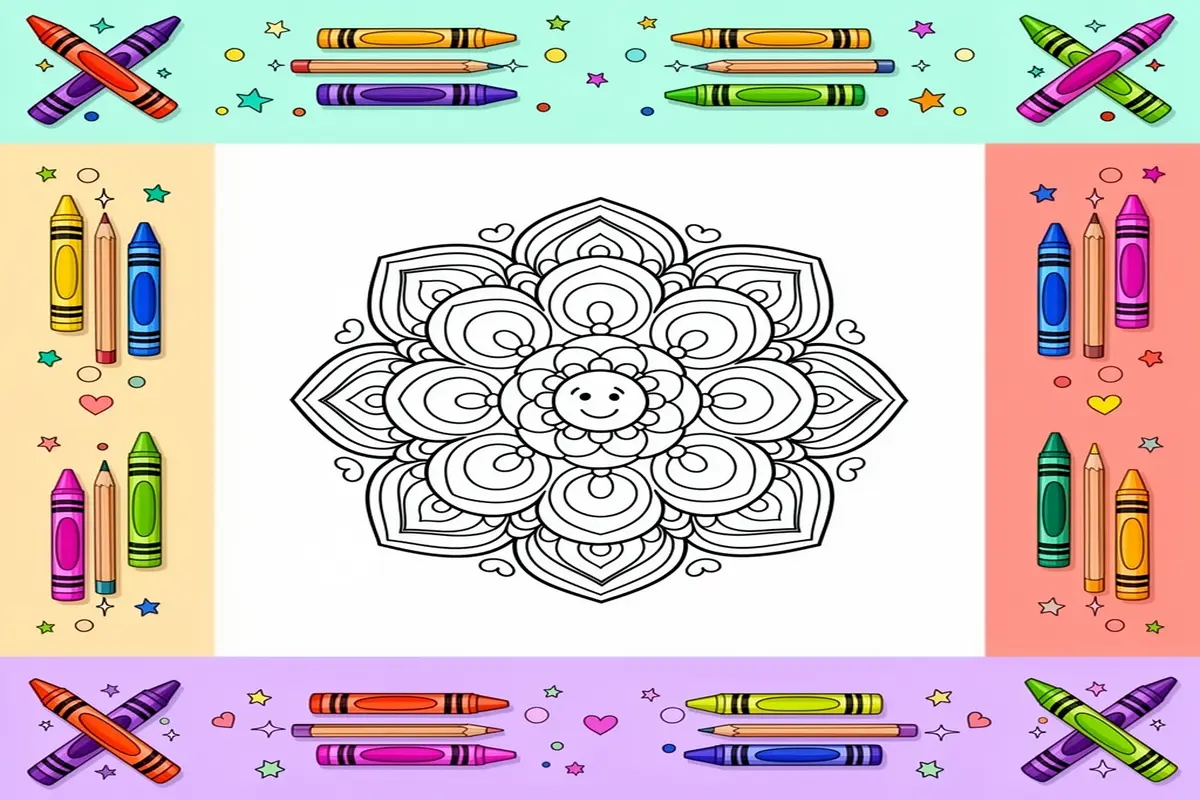
In a world saturated with digital screens, the simple act of coloring offers a profound return to tactile, mindful creation. It’s a quiet space where focus blossoms and imagination takes the lead. When this universal joy meets the rich, geometric beauty of rangoli art, something magical happens. Rangoli coloring pages for kids become more than just an activity; they are a vibrant introduction to a centuries-old tradition of welcome and celebration. These intricate designs, adapted for young artists, invite children to explore symmetry, pattern, and a dazzling palette of colors, transforming a blank page into a festival of hues. It’s a creative journey that builds fine motor skills while quietly imparting lessons in cultural appreciation. Whether as a standalone art project or a companion to learning about global festivals like Diwali, these pages offer a unique and engaging experience. For parents and educators seeking to diversify a child’s artistic horizons beyond beloved subjects like our free dolphin coloring pages, introducing rangoli coloring pages for kids opens up a wonderful new world of pattern-based creativity.
The Symmetry of Mind & Art: Why Rangoli Captivates
At first glance, the complex patterns of a rangoli design might seem merely decorative. Yet, for a developing mind, they represent a captivating puzzle—a balance of form, repetition, and harmony that engages the brain in uniquely beneficial ways.
The Meditative Magic of Mandala-like Patterns
Much like their cousin the mandala, rangoli designs often radiate from a central point, creating a natural focal point for the eye and mind. This structure is inherently calming. The repetitive nature of filling in symmetric shapes allows a child’s busy thoughts to settle, promoting a state of flow and mindfulness. Coloring within the intricate lines demands a gentle concentration that can quiet anxiety and build patience, offering a creative form of stress relief that is as effective as it is beautiful.
A Tapestry Woven in Time: Cultural Roots & Storytelling
To color a rangoli is to touch a living history. This art form, originating in the Indian subcontinent, is traditionally created on the ground at the entrance of homes using materials like colored rice, flour, or sand. It is an ancient gesture of hospitality, a way to welcome both guests and deities. By engaging with rangoli coloring pages for kids, children become connected to this global heritage. Each motif—from peacocks and lotus flowers to geometric stars and swirls—carries symbolic meaning, turning a coloring session into an informal lesson in cultural storytelling and global awareness.
Designed for All Hands: From Beginner Blooms to Complex Masterpieces
The true genius of printable rangoli art lies in its scalability. Simple designs with larger, clear segments are perfect for preschoolers, helping them practice grip and color recognition. For older children and even adults, highly detailed pages offer a satisfying challenge that rewards steady hands and creative color choices. This inclusivity makes rangoli coloring pages for kids a fantastic family or classroom activity, where everyone can participate at their own level, sharing in the joy of creating something spectacularly colorful together.
Professional Materials & Preparation for rangoli coloring pages for kids
To ensure a vibrant and successful coloring session with rangoli coloring pages for kids, proper preparation is key. Having the right materials on hand transforms a simple activity into an enriching artistic experience, allowing children to explore color theory, fine motor skills, and cultural appreciation. This guide details the essential toolkit for bringing these intricate designs to life.
The Foundation: Selecting Paper for rangoli coloring pages for kids
The paper you choose directly impacts the final result. For standard printing, a bright white, smooth cardstock (around 160-200 GSM) is ideal. Its heavier weight prevents bleed-through from markers and allows for layering and blending of colored pencils without warping. If your child enjoys using wet mediums like watercolor pencils or diluted markers, consider a specifically marked mixed-media or watercolor paper. For a traditional feel, you can even explore lightly textured paper, though intricate details in rangoli coloring pages for kids are best rendered on a smooth surface. Always print an extra copy; experimentation is part of the creative process.
Best Coloring Tools: Markers vs. Pencils for Rangoli Art
The choice between markers and colored pencils defines the artwork’s style. For bold, festival-worthy brilliance, alcohol-based markers provide seamless, bleed-free blends perfect for large, symmetrical patterns. However, high-quality wax-based colored pencils offer superior control for the fine lines and intricate details commonly found in these designs. They allow for gradual layering to build depth and intensity of color—a technique that mirrors the careful placement of colored powders in traditional rangoli. A hybrid approach is often best: using pencils for detailed sections and markers for filling larger background areas. For a diverse artistic experience, explore our mandala coloring pages for kids, which share a similar need for precision and symmetry.
Finishing Touches: Gel Pens, Highlights, and Embellishments
This is where rangoli coloring pages for kids truly sparkle. Metallic and glitter gel pens are indispensable for adding the classic rangoli shimmer. Use them to outline patterns, create dot accents (“Bindi” dots), or highlight central motifs. White gel pens are excellent for adding highlights on darker colors and correcting small overruns. For a mixed-media approach, consider safe, non-toxic glitter glue or even small, flat sequins for a tactile element. These embellishments encourage creativity beyond flat coloring, allowing children to think about texture and light, elevating their finished piece to a celebratory display.
Perfect Workspace: Lighting, Ergonomics, and Setup
A well-prepared workspace maximizes focus and enjoyment. Ensure ample, natural light or a bright, neutral-white LED lamp to reduce eye strain and allow for true color perception. The seating surface should be firm and flat—a kitchen table is often better than a soft carpet. For ergonomics, the child’s feet should rest flat, with the coloring page angled slightly using a clipboard or binder to promote good posture. Organize materials within easy reach: a palette of selected colors, a sharpener, a clean blending stump (for pencils), and scrap paper for testing colors. This organized, dedicated setup signals that their artistic time is valued and helps them engage fully with the beautiful complexity of rangoli designs.
Mastering Rangoli Coloring Pages for Kids: Advanced Artistic Techniques
Ready to transform your child’s rangoli coloring pages for kids from simple outlines into breathtaking works of art? This section moves beyond basic filling-in to explore professional techniques that build artistic skill and confidence. By mastering these methods, children can bring the intricate patterns and festive spirit of rangoli to life with stunning depth and realism.
Harmonious Palettes: Color Theory for Rangoli Coloring Pages for Kids
The magic of a rangoli lies in its vibrant color harmony. Teach young artists to think like designers by understanding basic color relationships. For a traditional, energetic look, guide them to use complementary colors (opposites on the color wheel), like placing a vibrant orange next to a deep blue, to make each element pop. For a more soothing, gradient effect found in nature scenes, suggest analogous colors (neighbors on the wheel), such as blending different shades of pink, red, and orange. Starting with a limited, planned palette prevents muddy results and creates a more cohesive, beautiful final piece, much like the careful planning seen in our mandala coloring pages for kids.
From Flat to 3D: Mastering Shading and Depth
Shading is the secret to making two-dimensional art leap off the page. On your rangoli coloring pages for kids, identify a single “light source” (e.g., the top corner). Demonstrate how to apply lighter pressure or leave areas white on the sides facing this light. Then, using the same color but with firmer pressure or a slightly darker shade, fill in the opposite sides of patterns and shapes. This simple contrast instantly creates volume. Practice this technique on rounded motifs, imagining them as beads or petals, to give the rangoli a tangible, three-dimensional quality.
Adding Realism: Creating Texture and Detail
Texture brings character and story to the artwork. For rangoli designs that incorporate floral or nature elements, show kids how to use small, directional strokes to mimic the softness of petals or the grain of wood. To create the illusion of sparkling sand or powder—a key feature of real rangoli—they can try stippling (tiny dots) with a sharp colored pencil. For metallic accents on diyas or ornaments, using a smooth, solid layer of a medium tone with a sharp white highlight on one edge can simulate a shiny surface. Exploring textures found in our nature coloring pages for kids can provide excellent practice for these skills.
The Art of Correction: Gracefully Fixing Coloring Mistakes
Mistakes are part of the creative process, and learning to fix them empowers young artists. If color goes outside the lines on intricate rangoli coloring pages for kids, use a clean, sharp eraser immediately. For darker colors that are harder to erase, creatively incorporate the “mistake” into a new background pattern or border. If a chosen color isn’t working, layering a new color on top can often create a rich, new hue—turning a problem into a discovery. The most important lesson is to stay calm and see every slip as an opportunity for further creativity, building resilience with every page they complete.
Showcasing Your Rangoli Coloring Pages for Kids: Creative Display Ideas
Once your young artists have filled their rangoli coloring pages for kids with vibrant hues, it’s time to celebrate their work! Moving from the coloring table to creative display honors their effort and boosts their confidence.
Preserving Your Masterpiece: Archival Tips
To protect and showcase finished pages, consider simple preservation methods. For a glossy, durable finish, use clear contact paper or have pages laminated at a local copy shop. For a more formal display, place the artwork in an inexpensive frame with a colorful mat. You can also create a rotating “gallery wall” on the refrigerator or a dedicated hallway using washi tape, which won’t damage walls or the art.
Beyond Display: Creative DIY Projects
Transform completed rangoli pages into cherished keepsakes and gifts. Carefully cut out the colored design and glue it onto a folded cardstock to make a unique Diwali or holiday greeting card. Smaller, intricate patterns can become beautiful bookmarks when laminated and topped with a tassel. For a festive decoration, paste the page onto a cardboard backing, punch holes around the edges, and let your child thread yarn through to create a vibrant rangoli garland. This creative extension is similar to the fun you can have with our Diwali coloring pages for kids.
Your Rangoli Coloring Pages for Kids Questions Answered
How do you explain Rangoli to a child?
Explain rangoli as a beautiful, colorful welcome mat made of art! Tell them it’s an ancient tradition from India where people draw pretty patterns on the floor near their front door to welcome guests, good luck, and happiness during festivals. It’s like using chalk, colored sand, or powder to paint a big, happy picture for everyone to see.
What is the importance of Rangoli?
Rangoli is important as a symbol of warmth, hospitality, and good fortune. Traditionally, it is believed to invite positive energy and deities into the home. It transforms ordinary spaces into festive, sacred areas. The act of creating it also fosters patience, creativity, and togetherness, making it a meaningful practice beyond just decoration.
How to make easy Rangoli for kids?
Start with simple shapes like circles, stars, or basic flowers. Use a paper plate or a large sheet of paper as a base. Let kids trace stencils or use dot markers to create a symmetrical outline. Then, fill in the sections with brightly colored craft sand, dyed rice, or even vibrant crayons and markers on rangoli coloring pages for kids.
What are the benefits of Rangoli?
Creating rangoli offers numerous benefits, including enhancing fine motor skills, concentration, and understanding of symmetry and patterns. It’s a calming, screen-free activity that reduces stress and encourages creative expression. Culturally, it connects children to tradition and provides a wonderful opportunity for collaborative family time.
How to color Rangoli designs?
On paper, use crayons, colored pencils, or markers, encouraging bold, bright colors and experimentation with blending. For a traditional feel, use colored chalk on pavement or fill outlined designs with materials like flower petals, dyed salt, or lentils. The key is to have fun with color—there are no wrong choices when bringing your rangoli coloring pages for kids to life!
Final Thoughts: Your Rangoli Coloring Pages for Kids Journey Begins
The journey through rangoli coloring pages for kids is about so much more than staying inside the lines. It’s a vibrant pathway to exploring global traditions, sparking artistic confidence, and sharing joyful, focused time together. Each completed page is a celebration of color, pattern, and your child’s unique perspective. We hope this guide inspires you to embrace this creative practice, displaying your child’s masterpieces with pride and seeing the wonderful focus and calm it brings.
Ready for your next adventure? Explore our mandala coloring pages for kids for another wonderful way to practice symmetry and mindfulness through art!