We offer a wide collection of free, high-quality printable coloring pages for kids and adults. From cute animals to intricate mandalas, our designs bring creativity and relaxation to everyone. Download, print, and start coloring today!

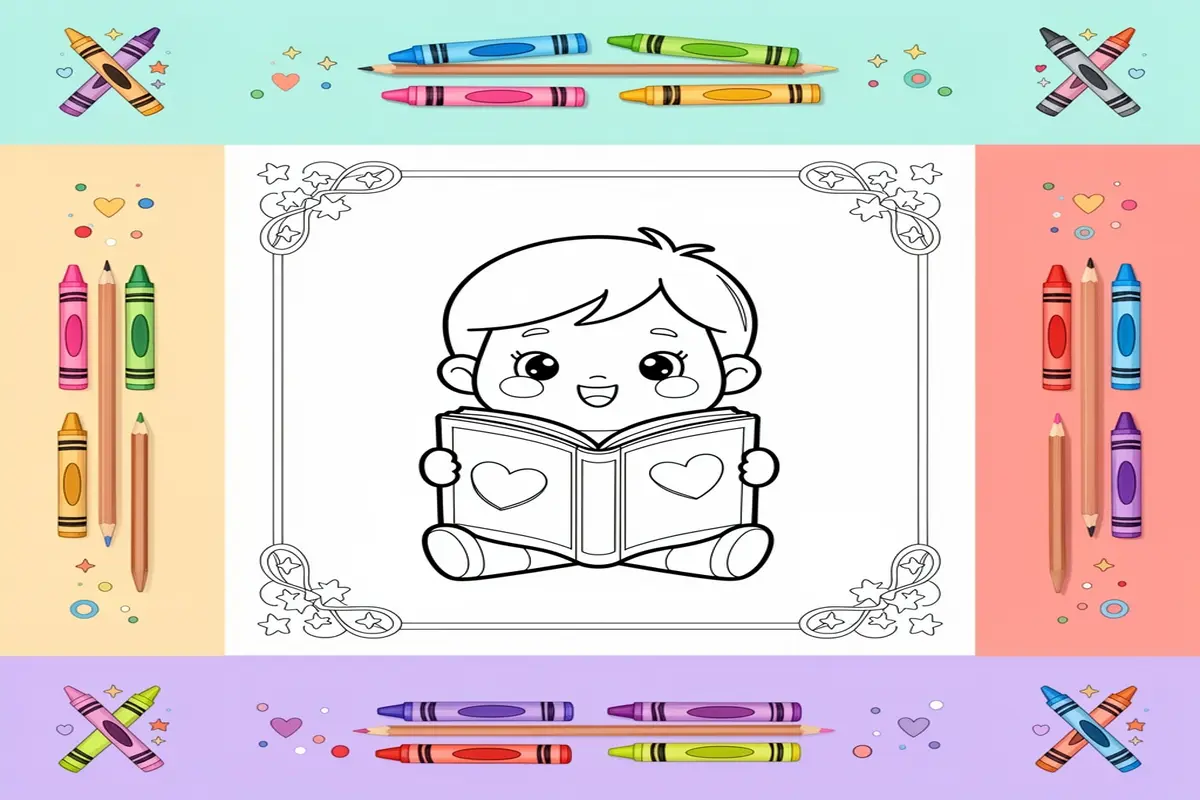
In a world of digital noise and fleeting attention spans, the simple act of coloring offers a profound sanctuary. It’s a tactile, creative journey that invites children to slow down, focus, and express themselves in vibrant hues. The magic of reading coloring pages for kids lies in this unique fusion of quiet concentration and artistic freedom. More than just a pastime, these pages are a gateway to literacy, where visual engagement with letters, words, and scenes builds foundational reading skills in a joyful, pressure-free environment. By transforming abstract symbols into colorful art, children develop a personal connection to language, making the leap from recognizing letters to loving stories. Explore our vast collection, from alphabet adventures to fantastical scenes, and discover how the right reading coloring pages for kids can turn learning into a captivating adventure.
The Alchemy of Art & Literacy: Why Coloring Builds Better Readers
At first glance, coloring and reading may seem like separate activities. Yet, when combined in thoughtfully designed reading coloring pages for kids, they create a powerful cognitive synergy. This isn’t mere child’s play; it’s a sophisticated developmental tool that engages multiple areas of a young brain simultaneously.
The Focus Factor: Cultivating a Mind Ready to Read
The very act of coloring within lines demands concentration and fine motor control. This focused attention is the same mental muscle required for tracking words across a page and comprehending sentences. As a child decides on a color for the letter ‘A’ or carefully shades a scene from a favorite tale, they are practicing the sustained focus essential for fluent reading. It’s a form of mindfulness that quiets distractions and prepares the neural pathways for deep engagement with text.
From Symbols to Story: The Visual Vocabulary Bridge
Reading coloring pages for kids often feature letters, sight words, or characters from beloved books. By coloring these elements, children move beyond passive recognition to active interaction. They are not just seeing the letter ‘B’; they are making it blue, decorating it, and owning it. This process embeds the symbol into memory with a positive, creative association. Similarly, coloring a scene from a story helps with narrative sequencing and comprehension, allowing the child to visually interpret and reinforce the plot, building a richer mental model of the story’s world.
A Canvas for Every Learner: Inclusivity in Early Education
The beauty of this medium is its accessibility. For the visual learner, it makes abstract letters concrete. For the kinesthetic learner, it adds a hands-on component to a sedentary task. For the reluctant or struggling reader, it removes the pressure of decoding and replaces it with the joy of creation, building confidence alongside competence. From simple letter outlines for preschoolers to intricate, text-based mandalas for older children, reading coloring pages for kids offer a scalable, stress-free entry point into the world of literacy for every skill level and interest.
Professional Materials & Preparation for reading coloring pages for kids
To transform reading coloring pages for kids from a simple activity into a rich, educational, and skill-building experience, the right materials and setup are crucial. Proper preparation not only enhances the final artwork but also supports fine motor development and sustained focus. This guide details the essential toolkit for parents and educators to maximize the benefits of reading coloring pages for kids.
The Foundation: Selecting Premium Paper
The paper you choose is the canvas for learning and creativity. For standard use, a smooth, bright white paper around 100-120 GSM (grams per square meter) is ideal. It provides enough weight to prevent bleed-through from markers while offering a smooth surface for pencil blending. For advanced techniques with wet media like watercolor pencils or markers, upgrade to a dedicated mixed-media or marker paper (135+ GSM). When printing our intricate designs, such as the beautiful patterns found in our abstract coloring pages for kids, high-quality paper ensures crisp lines and a professional feel that motivates young artists.
Best Coloring Tools: Markers vs. Pencils
The choice between markers and colored pencils significantly impacts the outcome and skill practice.
Colored Pencils: Opt for artist-grade pencils with soft, pigmented cores for effortless blending and layering. They are exceptional for teaching pressure control, shading, and detailed work. Pencils encourage a slower, more deliberate pace, which can be beneficial for focused reading coloring pages for kids sessions where attention to detail is key.
Markers: Alcohol-based markers offer vibrant, bleed-resistant color and are excellent for bold, graphic results. For younger children, high-quality washable markers are a safer bet. Markers are fantastic for building confidence with large areas of color but teach a different skill set focused on even stroke application. A hybrid approach often works best: using pencils for detail and markers for bold backgrounds.
Finishing Touches: Gel Pens & Highlighters
Elevate the artwork and engage advanced skills with specialty tools. Metallic or opaque white gel pens are perfect for adding highlights, creating patterns, or correcting small mistakes. They can be used to trace over letters or important elements on a page, reinforcing the reading aspect. Fine-line archival ink pens (e.g., 0.3 mm) are excellent for older children to add intricate patterns, textures, or outlines, further personalizing their creation and practicing extreme precision.
Perfect Workspace: Lighting & Ergonomics
A proper workspace setup is non-negotiable for comfort and concentration. Ensure the area is well-lit with natural light or a daylight-simulating LED lamp to reduce eye strain and show true colors. The seating should support good posture—feet flat on the floor, table at elbow height. Keep materials organized in cups or trays, with a clean blotter sheet under the work to protect the table. This organized, dedicated space signals that the activity of reading coloring pages for kids is valued and helps children transition into a focused, creative mindset.
Part 3: Elevating Artistry: Advanced Techniques for Reading Coloring Pages for Kids
Link: Once your young artist has mastered the basics, they can explore more complex subjects like Realistic Animal Coloring Pages or intricate Mandala Coloring Pages for Kids to apply these new skills.
Moving beyond simple fill-in, advanced techniques transform reading coloring pages for kids from flat images into vibrant, dimensional art. These methods not only produce stunning results but also deepen a child’s understanding of artistic principles, turning coloring time into a masterclass in visual literacy.
Harmonious Palettes: Color Theory for Young Artists
Understanding basic color relationships can elevate any page. Teach the concept of complementary colors (opposites on the color wheel, like red & green or blue & orange) to make elements “pop,” perfect for highlighting key characters or words on reading coloring pages for kids. Analogous colors (neighbors on the wheel, like blue, teal, and green) create serene and harmonious scenes, ideal for peaceful landscapes or underwater worlds. Start by having your child pick a main color, then use the wheel to choose its partners before they begin. This planning stage adds a thoughtful, professional layer to the process.
From Flat to 3D: Mastering Shading and Depth
Shading is the magic that adds volume. Guide your child to imagine a light source (like a sun) in one corner of the page. The sides of objects farthest from that light should be darker. Start with a base color, then use a slightly darker shade of the same color to add shadows along edges. For highlights, they can gently leave a tiny strip of the paper white or use a lighter crayon. Practice on simple rounded shapes found on Fruit Coloring Pages for Kids before moving to complex figures. This step-by-step approach builds confidence and a keen eye for light.
Adding Realism: Creating Texture with Strokes
Texture brings a page to life. Demonstrate how different stroke techniques can mimic real-world surfaces:
Fur or Hair: Use short, quick, overlapping strokes in the direction the hair grows.
Scales (like on a fish or dragon): Draw small, curved “U” shapes that overlap like shingles on a roof.
Smooth Metal or Glass: Apply color evenly with long, consistent strokes and add sharp, bold highlights.
Sky or Water: Use gentle, circular motions for a soft, blended effect.
Encourage kids to think about what the object feels like and let their pencil or crayon mimic that sensation.
The Art of Correction: Gracefully Fixing Coloring Mistakes
Mistakes are part of the artistic journey. Teach these graceful fixes:
1. Pencil First: For intricate areas, lightly sketch boundaries or plans with a pencil before committing with marker or crayon.
2. Erasing Colored Pencil: A good eraser can lighten most colored pencil marks; layer a new color on top to blend and correct.
3. Incorporating “Oops”: A stray mark outside the lines can become a butterfly, a star, or a decorative border element. This creative problem-solving is a valuable skill.
4. Strategic Layering: If a color is too dark or bold, try going over it lightly with a white crayon or a complementary color to mute and blend it into the background.
By integrating these techniques, the activity of reading coloring pages for kids becomes a rich educational experience in color science, spatial reasoning, and creative problem-solving, building both artistic skill and intellectual confidence.
Showcasing Your reading coloring pages for kids: Creative Display Ideas
The journey doesn’t end when the crayons are put away. Transforming your child’s completed reading coloring pages for kids into a gallery of their progress is a powerful way to celebrate their effort and build confidence. Thoughtful display turns a simple activity into a tangible record of their learning adventure.
Preserving Your Masterpiece: Archival Tips
Before you hang their work, consider preservation. For pages you want to keep long-term, use acid-free sheet protectors in a binder, creating a personal reading portfolio. For wall displays, a simple laminator is a game-changer—it protects from tears and allows for coloring with dry-erase markers for repeated practice. You can also mount pages on colorful construction paper borders for a framed look without the glass.
Beyond Display: Creative DIY Projects
Take the learning further by repurposing colored pages into new creations. Cut out colored letters or sight words to make custom bookmarks or greeting cards for family members. Create a personalized storybook by binding several themed pages together—like a collection of sea animals coloring pages—and adding handwritten sentences. For holiday fun, turn colored pages into festive ornaments or gift tags, reinforcing words in a celebratory context.
Your reading coloring pages for kids Questions, Answered
How does coloring help with reading skills?
Coloring builds foundational skills crucial for reading. It strengthens hand-eye coordination and fine motor control needed for writing letters. The focus required to stay within lines also enhances concentration, a vital skill for following text. When coloring pages include letters or words, children become familiar with letter shapes and common sight words in a low-pressure, engaging context.
What are the benefits of coloring pages for kids?
Beyond artistic expression, coloring pages offer cognitive and emotional benefits. They promote fine motor development, color recognition, and spatial awareness. The activity is also a fantastic tool for stress relief and mindfulness, helping children manage emotions. When used educationally, they make learning letters, numbers, and vocabulary visual and interactive, solidifying knowledge through a multi-sensory approach.
Where can I find free educational coloring pages?
Numerous educational websites and libraries offer free, printable resources. Look for sites that categorize pages by theme, letter, or skill. For a vast selection of high-quality, free options spanning animals, holidays, and the alphabet, explore dedicated platforms like Safari Coloring, which provides direct access to a library of reading coloring pages for kids and other educational themes.
How to use coloring pages to teach sight words?
Integrate sight words by using pages where the word is part of the image (e.g., a sun with the word “sun”). Have your child color the word, say it aloud, and use it in a sentence. You can also create your own by writing target words in bubble letters on a blank page for them to decorate. This multi-sensory repetition aids memorization.
How to print coloring pages from the internet?
First, find and select your desired page. Right-click on the image and choose “Save image as…” to download it to your computer, or look for a “Print” button on the website. Open the saved file, select “Print” from your software’s menu, and ensure your printer settings are set to “Fit to page” for best results. Always use adult supervision when children are browsing online.
Final Thoughts: Your reading coloring pages for kids Journey Begins
Embracing reading coloring pages for kids is about more than just keeping little hands busy. It’s a joyful strategy that bridges the gap between play and literacy, transforming early learning into a colorful, confidence-building experience. Each page completed is a step forward in fine motor development, focus, and foundational word recognition, all achieved within a framework of creativity and fun.
Remember, the goal is to foster a positive association with letters and words. Celebrate every scribble, every correctly identified letter, and every proudly displayed masterpiece. This journey builds the patience, skills, and curiosity that are the true bedrock of reading success. Ready for your next adventure? Explore our alphabet coloring pages for kids to continue blending color and language in exciting new ways!