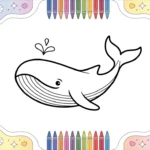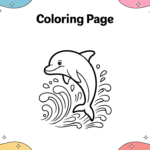
We offer a wide collection of free, high-quality printable coloring pages for kids and adults. From cute animals to intricate mandalas, our designs bring creativity and relaxation to everyone. Download, print, and start coloring today!

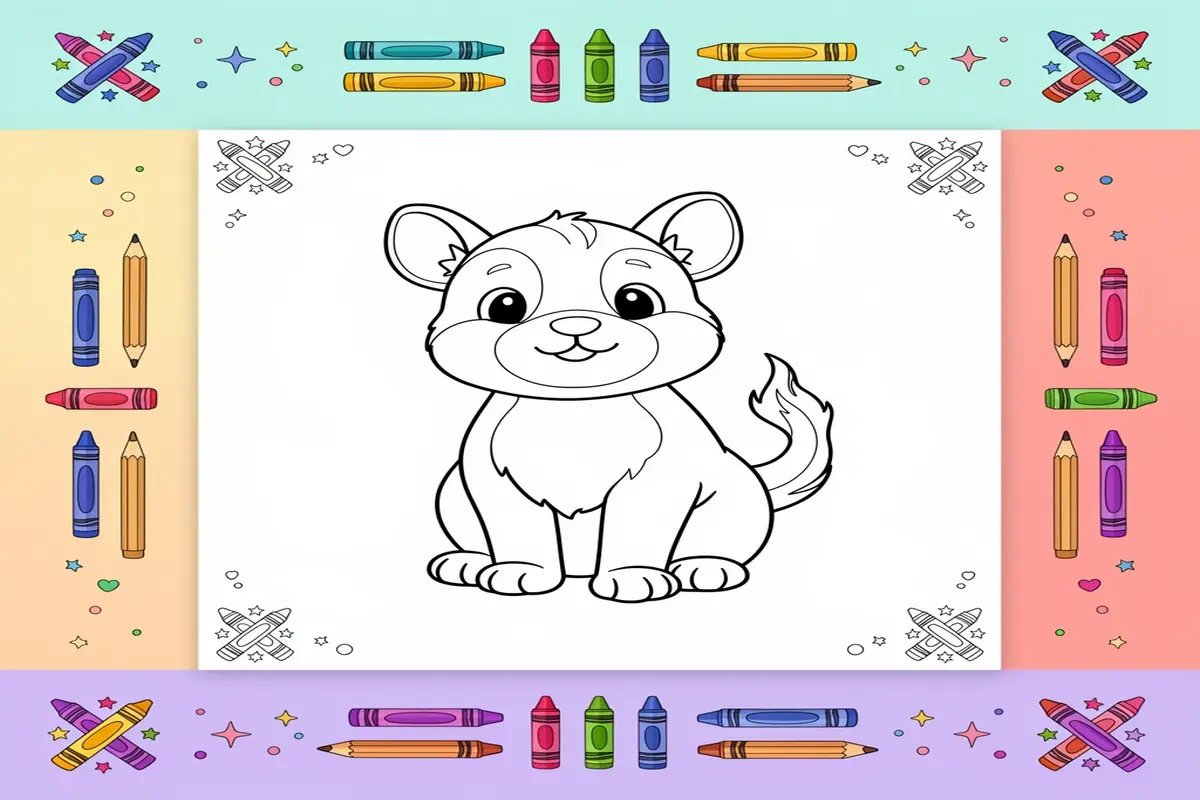
In an age of digital saturation, the simple act of coloring offers a profound return to tactile creativity and focused calm. For children, this experience is magnified when the subject matter connects them to the awe-inspiring diversity of the natural world. This is where realistic animal coloring pages for kids shine, transforming a quiet activity into an engaging educational journey. Unlike fantastical cartoons, these detailed illustrations invite young artists to observe, learn, and appreciate the true forms of wildlife, from the powerful stride of a lion to the intricate patterns of a zebra’s stripes. By focusing on authentic anatomy and habitats, these pages do more than entertain—they foster a deeper respect for biology and ecology. As children select shades for a humpback whale’s fluke or a leopard’s spots, they are not just filling space; they are internalizing the beauty of biodiversity. Explore our collection, starting with majestic creatures from the deep in our free whale coloring pages, to begin this adventure. The journey through realistic animal coloring pages for kids is a quiet yet powerful tool for nurturing both artistic skill and naturalist curiosity.
Beyond Crayons: The Cognitive & Emotional Canvas
Why do children gravitate toward images of a towering giraffe or a stealthy cheetah? The appeal of realistic animal coloring pages for kids is rooted in a powerful blend of psychology, education, and innate wonder. These pages serve as a unique medium for development, offering far more than a simple pastime.
The Focus Factor: Mindfulness in Every Stroke
The intricate lines and realistic details of an elephant’s wrinkled skin or a jellyfish’s flowing tentacles demand a level of concentration that is inherently calming. This focused engagement acts as a form of active meditation for a child, quieting the mind and reducing anxiety. The repetitive, within-the-lines motion of coloring, paired with the mindful choice of colors to represent reality, enhances fine motor control while providing a safe space for emotional regulation. It’s a screen-free zone where patience and attention to detail are quietly rewarded.
From Cave Walls to Coloring Books: A Timeless Tradition
The urge to depict animals is etched into human history, from ancient cave paintings to classical scientific illustrations. Realistic animal coloring pages for kids are a modern continuation of this timeless practice—a first step in visual literacy and biological observation. They connect children to a long lineage of artists and naturalists who sought to understand the world by rendering it. This context transforms the activity from a simple task to participating in a grand, cultural story of exploration and documentation.
Designed for Growing Minds: Accessibility Meets Challenge
The beauty of this genre lies in its scalability. For a young child, a bold, clear outline of a farm animal like a cow provides a satisfying and achievable canvas. For an older child or even a parent, a highly detailed portrait of a realistic lion with its complex mane offers a welcome and engrossing challenge. This range ensures that realistic animal coloring pages for kids are not a one-size-fits-all resource, but a versatile toolkit that grows with the artist, continually offering new opportunities for learning and artistic expression.
Part 2: Essential Materials & Preparation for realistic animal coloring pages for kids
To truly bring realistic animal coloring pages for kids to life and maximize the educational and creative benefits, the right materials and a prepared workspace are crucial. This isn’t about expensive art supplies, but about choosing tools that enhance detail, blend naturally, and make the process enjoyable for young artists. Proper preparation prevents frustration and allows children to focus on observing textures like fur, scales, and feathers found in our detailed pages, such as our zebra coloring pages free printable.
The Foundation: Selecting Premium Paper for realistic animal coloring pages for kids
The paper you choose is the single most important factor after the design itself. Standard printer paper (20-24 lb) is too thin for most coloring mediums; it will bleed, warp, and prevent layering. For realistic animal coloring pages for kids, opt for:
Heavyweight Paper (32 lb / 120 GSM minimum): This weight handles markers without bleed-through and allows for multiple pencil layers without tearing.
Smooth to Medium (Vellum) Finish: A smooth surface (found in many marker papers) allows for fine, sharp lines and even color application, perfect for capturing the sleek coat of a dolphin or leopard. A slight tooth (texture) is excellent for colored pencils, helping to grip multiple layers of pigment for rich, textured fur and feathers.
Printing Tip: Always use your printer’s “Best Quality” or “Photo” setting when printing our pages. This ensures sharp lines and captures all the intricate details intended for a realistic coloring experience.
Best Coloring Tools: A Detailed Medium Comparison
The choice between markers, pencils, and crayons dramatically affects the final outcome of your realistic animal coloring pages for kids.
Colored Pencils (Recommended for Realism): The ideal tool for detail and control. Look for soft-core pencils (like Prismacolor Premier or similar) which have higher pigment concentration and blend beautifully. They allow children to use layering and pressure variation to create depth—light strokes for highlights and heavier pressure for shadows, mimicking the natural contours of an animal’s body. A basic set of 24-36 colors provides ample range for blending.
Markers (Vibrant & Smooth): Alcohol-based markers (like Copic or Ohuhu) offer seamless blends and vibrant, streak-free fills, great for larger areas like sky or water in a scene. However, they require the heavyweight paper mentioned above. Water-based markers are more child-friendly but can be harder to blend without streaking. Use fine-tip markers for outlining and detailing.
Crayons & Gel Crayons: While traditional wax crayons can be challenging for small details, gel crayons or crayon rocks offer richer pigment and can be blended with a finger, providing a tactile option for younger children working on simpler realistic forms.
Finishing Touches: Enhancing Details with Specialty Tools
Once the base colors are down, these tools add professional polish and bring out the realism:
White Gel Pen: An indispensable tool for adding crisp highlights. Use it to create light reflections in an animal’s eyes, bright spots on wet noses, or highlights on shells and scales. It instantly adds dimension.
Blending Tools: For colored pencils, a colorless blender pencil smooths layers and creates soft textures. A paper stump (tortillon) is perfect for blending small areas of fur or gradients. For markers, a dedicated blender marker is essential for smooth transitions.
Fine-Line Black Pen: A waterproof, archival ink pen (size 0.3 or 0.5) can be used to carefully redefine any outlines that may have become obscured during coloring, sharpening the final image.
Perfect Workspace: Optimizing Lighting & Ergonomics
A well-prepared space fosters focus and prevents fatigue, allowing for longer, more engaged coloring sessions.
Lighting: Natural daylight is best for color accuracy. Position the workspace near a window. For evening work, use a bright, white LED desk lamp that eliminates shadows and reduces eye strain, making it easier to see the fine lines on realistic animal coloring pages for kids.
Surface & Posture: Ensure the table and chair height allow the child’s feet to rest flat on the floor. Use a hard, flat surface for coloring. A simple clipboard can provide a portable, firm base.
Organization: Use cups or trays to organize pencils/markers by color family. This not only keeps the workspace tidy but also subtly teaches color theory and makes the selection process efficient, encouraging children to think about the realistic color variations in animal coats and habitats.
Part 3: Elevating Your Art: Professional Techniques for Realistic Animal Coloring Pages for Kids
Moving beyond simple fill-in, this section unlocks professional techniques that transform flat images into vibrant, lifelike art. Mastering these skills with realistic animal coloring pages for kids builds confidence and turns a fun activity into a true artistic achievement. Let’s explore the tools and methods that bring creatures to life.
Harmonious Palets: Color Theory for Realistic Animal Coloring Pages for Kids
Understanding basic color theory is the first step toward realism. For animals, think in terms of complementary and analogous colors. Complementary colors (opposites on the color wheel, like blue and orange on a realistic lion coloring page) make each other pop and can be used subtly in shadows. Analogous colors (neighbors on the wheel, like yellows, oranges, and browns for a cheetah) create natural, harmonious blends perfect for fur and feathers. Start with a base mid-tone, then add darker analogous shades for depth and lighter ones for highlights.
From Flat to 3D: Mastering Shading and Depth
Shading is what gives an animal form. Identify your light source first—imagine the sun in one corner of the page. The areas facing the light are lightest; opposite sides are darkest. Use a step-by-step approach: 1) Lay down your base color evenly. 2) Apply a slightly darker shade in shadow areas with gentle, directional strokes. 3) Use your lightest color or leave the paper white for highlights on the animal’s brow, cheek, or shoulder. Blend using light pressure or a colorless blender to smooth transitions. This technique works wonders to add muscle definition to a horse or roundness to a dolphin’s body.
Adding Realism: Texture Techniques for Fur, Scales, and Skin
Texture sells the illusion of reality. For realistic animal coloring pages for kids, different creatures demand different strokes.
Fur & Hair: Use short, quick strokes in the direction the hair grows. Layer colors, starting light and adding darker strokes for depth. For a shaggy look, like on a cape buffalo, use longer, more erratic strokes.
Scales & Reptile Skin: For animals like the leatherback sea turtle, color the entire scale area with a base, then carefully outline individual scales with a darker pencil. Add a tiny dot of highlight on each scale for a glossy effect.
* Smooth Skin: For creatures like dolphins or whales, smooth, even layers with seamless blending are key. Use circular motions with your pencil to avoid visible strokes.
The Art of Correction: Gracefully Fixing Coloring Mistakes
Mistakes are part of the process. A heavy hand or stray line isn’t the end of your masterpiece. For small errors outside the lines, a white gel pen can be a savior for precise cover-ups. If an area becomes too dark, gently lift color using sticky tack or a specialized colorless blender with heavy pressure. For larger areas, sometimes the best fix is to incorporate the “mistake”—turn a dark smudge into intentional shadow or a textured part of the habitat. The goal is progress, not perfection, and every correction is a learning step toward more confident coloring.
Showcasing Your Realistic Animal Coloring Pages for Kids: Creative Display Ideas
Once your young artist has completed their masterpiece, the fun doesn’t have to end! Displaying their work celebrates their effort and boosts confidence. Here are creative ways to honor their artistic journey with realistic animal coloring pages for kids.
Preserving Your Masterpiece: Archival Tips
To ensure those detailed lions and delicate jellyfish last, proper storage is key. For flat storage, use a large portfolio or a simple binder with clear sheet protectors. If you want to display them, consider inexpensive frames with UV-protective glass to prevent fading from sunlight. For a more rustic look, laminate the page and use wooden clips on a string gallery wall. This protects their work and turns their room into a personal art museum.
Beyond Display: Creative DIY Projects
Transform completed pages into functional art and heartfelt gifts. Create custom greeting cards by gluing the colored page onto folded cardstock—a colored elephant makes a wonderful birthday card! For everyday use, laminate the page and cut it into unique bookmarks. You can also decoupage them onto wooden boxes, create a personalized calendar, or even make a “year in art” scrapbook. These projects extend the life of the artwork and teach kids about repurposing creatively.
Your Realistic Animal Coloring Pages for Kids Questions Answered
How do you color animals realistically?
Start by observing real animal photos to understand their true colors and patterns. Use light, layered strokes to build up color gradually instead of pressing hard immediately. Blend different shades to create depth—for example, use three browns on a realistic animal coloring page of a horse to show muscle definition. Focus on the direction of fur or scales and follow those lines with your pencil or marker for authentic texture.
What are the benefits of coloring for kids?
Coloring enhances fine motor skills and hand-eye coordination as children learn to stay within lines. It fosters creativity and color recognition while providing a calming, focused activity that can reduce anxiety. Working on detailed realistic animal coloring pages for kids also boosts concentration, patience, and can spark an interest in wildlife, biology, and natural science.
Where can I find free realistic animal coloring pages?
Many educational and art websites offer free, high-quality printables. Look for sites that categorize animals by habitat or type, offering everything from ocean creatures to safari beasts. For instance, you can find a fantastic selection of detailed sea life, like our free Dolphin Coloring Pages, to start your collection.
How do you color realistic fur?
Color realistic fur by using multiple shades of the same color family. Apply short, quick strokes in the direction the fur grows. Start with a mid-tone base, then add a darker shade in shadowed areas (like under the neck), and finish with a light shade on top for highlights. Avoid coloring in solid blocks; let some of the paper show through as shine.
What are the best colored pencils for realistic coloring?
For beginners, Prismacolor Premier or Faber-Castell Polychromos are excellent choices. They are soft, blend beautifully, and offer a wide range of colors for layering. For a more budget-friendly option that still performs well, consider Crayola or Staedtler Ergosoft. The key is having a set with multiple shades of basic colors to achieve depth on your realistic animal coloring pages for kids.
Final Thoughts: Your Realistic Animal Coloring Pages for Kids Journey Begins
The journey with realistic animal coloring pages for kids is about so much more than just staying inside the lines. It’s a gateway to creativity, a lesson in patience, and a wonderful opportunity for family bonding. Each page completed is a celebration of focus and artistic growth, building skills that extend far beyond the coloring table. As you display their art or transform it into gifts, you’re nurturing a sense of pride and accomplishment in your young learner.
We hope this guide inspires countless hours of creative exploration and quiet concentration. Remember, every stroke of color brings them closer to the natural world and their own creative potential.
Ready for your next adventure? Explore our Zebra Coloring Pages to discover the striking beauty of wildlife patterns!