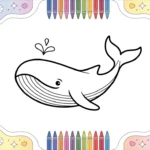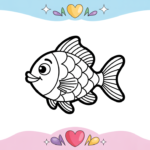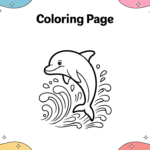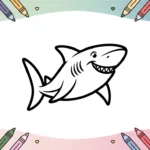
We offer a wide collection of free, high-quality printable coloring pages for kids and adults. From cute animals to intricate mandalas, our designs bring creativity and relaxation to everyone. Download, print, and start coloring today!

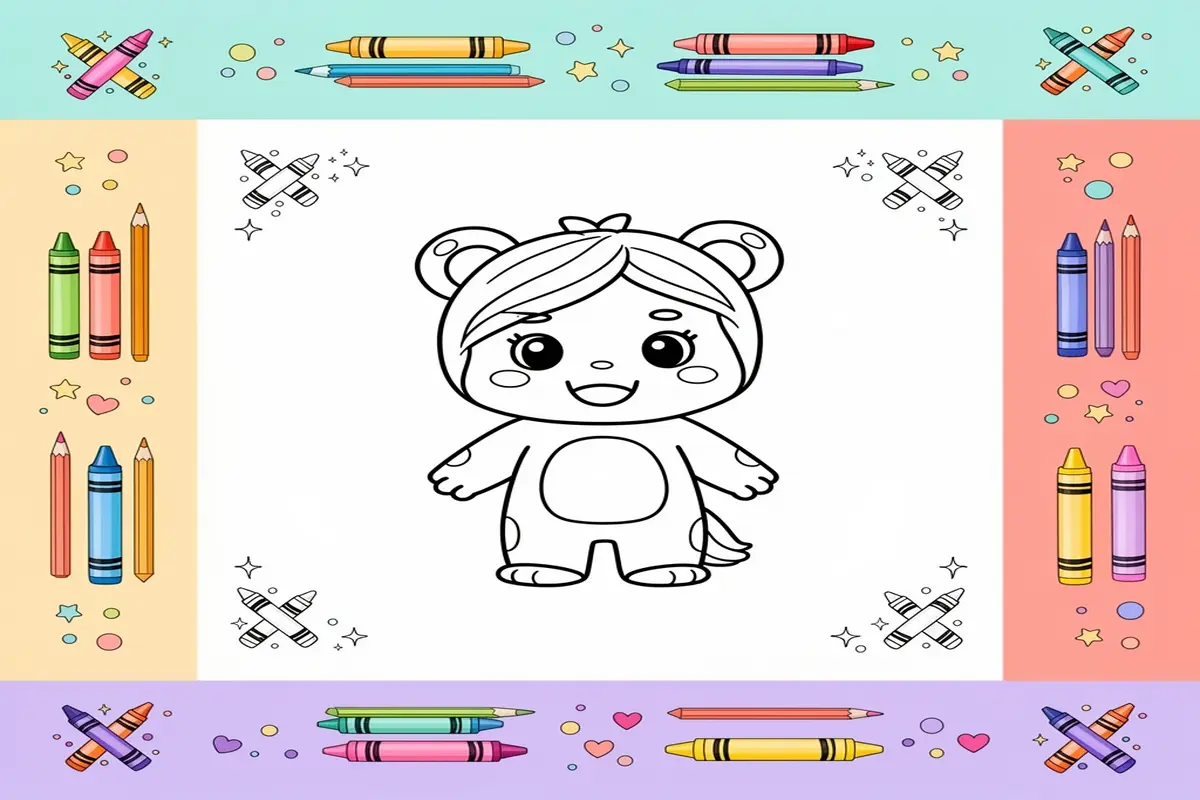
In a world of constant digital stimulation, finding a quiet, focused activity for children can feel like a rare treasure. The simple act of coloring, often dismissed as mere child’s play, has re-emerged as a powerful tool for mindfulness and emotional regulation. Relaxing coloring pages for kids offer more than just an artistic outlet; they provide a sanctuary where young minds can slow down, process their day, and express themselves without words. From the gentle curves of a seahorse to the intricate patterns of a mandala, these pages are designed to engage the senses and soothe the spirit. The therapeutic benefits are profound, helping to reduce anxiety, improve concentration, and foster a sense of peaceful accomplishment. Whether your child is drawn to the majestic creatures of the savanna or the serene depths of the ocean, starting with a collection like our free whale coloring pages can be a wonderful gateway into this calming practice. By integrating relaxing coloring pages for kids into daily routines, we gift children a lifelong skill for managing stress through creativity.
The Quiet Power of the Pencil: More Than Just Art
The Mindful Stroke: How Coloring Cultivates Focus
At its core, coloring is a form of active meditation for children. The repetitive motion of filling in shapes, the need to stay within lines (or the joyful choice to go outside them!), and the decision-making involved in color selection all require a present-moment focus. This act gently pulls a child’s attention away from external distractions and internal worries, anchoring them in a tangible, manageable task. Neuroscience shows that such focused activities can lower the brain’s amygdala activity (the fear center), reducing feelings of stress. This makes relaxing coloring pages for kids a non-verbal, accessible form of emotional processing, ideal for children who may not yet have the vocabulary to articulate complex feelings.
From Cave Walls to Coloring Books: A Timeless Human Impulse
The desire to make marks and apply color is a fundamental human expression, tracing back to prehistoric handprints on cave walls. Modern relaxing coloring pages for kids are the evolution of this innate drive, structured to provide both freedom and gentle guidance. Historically, art has always been intertwined with ritual and relaxation. Today’s curated pages continue this tradition, offering themes from nature, fantasy, and culture that resonate across ages. They serve as a child’s first canvas for exploring aesthetics, symbolism, and personal taste, connecting them to a long lineage of human creativity in a simple, joyful way.
Designed for All Stages: From Toddler Grip to Tween Detail
The beauty of this medium lies in its universal adaptability. For a toddler, a large, simple outline of a friendly animal builds fine motor skills and color recognition. For a school-aged child, more detailed scenes with relaxing coloring pages for kids featuring intricate patterns or realistic animals provide a satisfying challenge that boosts patience and pride. Pre-teens may gravitate towards sophisticated themes like geometric designs or realistic portraits, using coloring as a creative outlet and a break from academic pressures. The key is providing age-appropriate complexity that engages without frustrating, ensuring the activity remains a source of calm and not a stressor.
Part 2: Essential Materials & Workspace Setup for Relaxing Coloring Pages for Kids
To transform the simple act of coloring into a truly calming and enriching experience, the right materials and environment are key. This section details the professional-grade supplies and setup that will elevate your child’s engagement with relaxing coloring pages for kids, fostering better focus and more satisfying results.
The Foundation: Selecting Premium Paper for Relaxing Coloring Pages for Kids
The paper is the canvas for creativity and directly impacts the final artwork. For standard coloring tools like colored pencils and crayons, a smooth, bright white paper with a weight of 100-120 GSM (grams per square meter) is ideal. It provides enough tooth for pencil application while preventing bleed-through from markers. When using wet media like markers or gel pens, opt for specifically labeled “marker paper” or heavyweight cardstock (160+ GSM). This prevents frustrating bleed-through and allows for blending techniques. For a special sensory experience, consider printing intricate designs, like our mandala coloring pages for kids, on slightly textured mixed-media paper.
Best Coloring Tools: A Detailed Medium Comparison
The choice of coloring medium defines the tactile and visual outcome of the activity.
Colored Pencils: The premier choice for control and detail. Look for pencils with soft, pigmented cores (oil- or wax-based) that blend smoothly. They are excellent for teaching pressure variation and gradient creation, making them perfect for detailed relaxing coloring pages for kids. A set of 24-48 colors offers ample range without overwhelming a child.
Markers: Provide vibrant, saturated color with immediate gratification. For children, alcohol-based markers are less ideal due to strong odor and high bleed. Instead, choose high-quality water-based or “brush” markers with dual tips (fine and broad). These allow for both outlining and filling, and some are even blendable. Always test on a spare sheet to check for bleed-through.
Crayons & Gel Sticks: Fantastic for younger children, offering bold, opaque coverage. Modern gel crayons are less waxy and provide stronger pigment deposition with less pressure, reducing hand fatigue during longer coloring sessions.
Finishing Touches: Enhancing Details with Specialty Tools
Once the base colors are down, specialty tools can add excitement and a professional touch.
Gel Pens & Metallic Markers: These are indispensable for adding highlights, creating patterns, or outlining. Metallic silver, gold, and opaque white gel pens can make elements “pop” on darker backgrounds. They are particularly engaging for adding sparkle to fantasy-themed pages.
* Blending Tools: For colored pencils, a simple colorless blending pencil or paper stumps can teach children how to create smooth gradients and shadows. For a mess-free option, blending stumps are highly effective.
Perfect Workspace: Crafting an Ergonomic and Calm Environment
The physical setup is as crucial as the materials for a relaxing session. Ensure ample, natural light or a bright, neutral-toned desk lamp to reduce eye strain. The seating should support good posture; feet should rest flat on the floor or a stool, with the table at elbow height. A clean, clutter-free surface minimizes distractions and allows full immersion in the activity. Keep supplies organized in cups or trays for easy access. Introducing soft background music or nature sounds can further enhance the calming atmosphere, making the most of the time spent with relaxing coloring pages for kids.
Part 3: Elevating the Experience: Advanced Techniques for relaxing coloring pages for kids
Moving beyond simple filling-in, advanced techniques can transform a child’s coloring session into a true artistic journey. These methods not only produce stunning results but also deepen the focus and satisfaction that make relaxing coloring pages for kids so beneficial. By mastering a few key skills, parents and teachers can guide young artists to see their pages in a whole new dimension.
Harmonious Palets: Color Theory for Calm Creations
Understanding basic color relationships can prevent chaotic results and promote visual harmony. Teach children about complementary colors (opposites on the wheel, like blue and orange), which make each other pop, and analogous colors (neighbors on the wheel, like blue, teal, and green), which create serene, cohesive scenes. For a peaceful ocean scene from our fish coloring pages, suggest an analogous scheme of blues and greens. For a vibrant sunset on a safari animal page, use complementary oranges and blues to make the scene dramatic yet balanced.
From Flat to 3D: Mastering Shading for Depth
Shading is the magic trick that brings flat images to life. Start with a simple three-step method: 1) Identify the Light Source: Decide where the “sun” is on the page. 2) Apply Base Color: Color the entire area with your main, medium-tone hue. 3) Add Shadows and Highlights: Using a slightly darker shade of the same color, gently add more pressure on the side opposite the light. On the side facing the light, use a lighter shade or less pressure. Practice this on rounded objects like the shells on our crab coloring pages to instantly create a spherical effect.
Adding Realism: Simple Texture Techniques
Texture makes a picture feel tangible. For fur, like on a lion or rabbit, use short, quick strokes in the direction the hair grows, leaving tiny gaps of white for sheen. For scales on a fish or reptile, try overlapping small “U” shapes. For a smooth, metallic surface, like on a race car, use even, solid coloring with a sharp, bright highlight. Sky and water benefit from gradients: start with a dark blue at the top of the sky and gradually lighten your pressure to a pale blue or pink near the horizon. Explore the intricate patterns on our mandala coloring pages for kids to practice controlled, repetitive textures that are inherently meditative.
The Art of Correction: Gracefully Fixing Coloring Errors
Mistakes are part of the process, and handling them calmly preserves the relaxing nature of the activity. For small slips outside the lines, turn the error into a feature: a stray green mark near a flower can become a new leaf. For larger areas where a color didn’t work, try layering. Coloring a light color like yellow over a dark mistake won’t work, but layering a darker color (e.g., purple) over an unwanted light mark can cover it beautifully. Embrace mixed media: if using colored pencils, a white gel pen can add brilliant highlights over darker colors to correct a shape. The key is to encourage problem-solving, showing that in art—as in relaxation—there are no true failures, only opportunities for creative solutions.
Showcasing Your Relaxing Coloring Pages for Kids: Creative Display Ideas
Once the final crayon is set down, the journey isn’t over. Transforming completed relaxing coloring pages for kids into displayed art validates your child’s effort and boosts their confidence. It turns a quiet activity into a shared celebration of creativity.
Preserving Your Masterpiece: Archival Tips
To ensure those vibrant creations last, consider simple preservation. For a professional touch, use acid-free spray fixatives to prevent wax bloom from crayons. Slipping pages into inexpensive clear page protectors or laminating them protects against smudges and tears. For a gallery wall, clip pages to a string with decorative clothespins or frame them in colorful, budget-friendly frames. This shows your child their mindful work is valued and worth protecting.
Beyond Display: Creative DIY Projects
Take the relaxation further by repurposing colored pages into new creations. Cut out beautifully colored animals or shapes to make unique greeting cards, gift tags, or bookmarks laminated for durability. For a collaborative family project, create a scrapbook or a “calm corner” poster by assembling themed pages, like our serene Ocean Coloring Pages. These DIY projects extend the mindful benefits and turn art into heartfelt gifts.
Your Relaxing Coloring Journey: Common Questions Answered
Is coloring good for anxiety in kids?
Absolutely. Coloring provides a focused, screen-free outlet that helps calm a child’s nervous system. The rhythmic, repetitive motion and required concentration act as a form of meditation, pulling focus away from anxious thoughts and into the present moment, which naturally reduces feelings of stress and anxiety.
What are the benefits of mindfulness coloring for kids?
Mindfulness coloring for kids enhances focus, improves emotional regulation, and boosts self-esteem. By concentrating on the here-and-now—the feel of the tool, the choice of color, the movement on the page—children practice mindfulness skills that help them manage big emotions and find a sense of peaceful accomplishment.
How does coloring reduce stress in children?
Coloring reduces stress by lowering activity in the amygdala, the brain’s fear center. The structured, creative activity demands just enough attention to provide a mental break from worries, promoting a relaxed state. This makes accessing relaxing coloring pages for kids a simple, effective tool for emotional co-regulation.
Why is coloring therapeutic for a child?
Coloring is therapeutic because it’s a non-verbal form of expression that allows children to process emotions safely. It builds fine motor skills and offers a sense of control and predictable outcome in their world. The act of creating something beautiful is inherently healing and confidence-building.
What kind of coloring pages are best for relaxation?
The best relaxing coloring pages for kids feature flowing patterns, natural scenes, or gentle animals with ample space to color. Think mandalas, ocean waves, friendly forest creatures, or sweeping landscapes. Pages with overly complex, tight details can frustrate younger children, so choosing age-appropriate, soothing themes is key to maintaining the calm experience.
Final Thoughts: Embracing the Calm with Relaxing Coloring Pages for Kids
The simple act of coloring is a powerful gateway to tranquility for a child. It’s more than just staying within the lines; it’s a practice in mindfulness, a tool for emotional resilience, and a celebration of quiet creativity. By providing these opportunities, you’re gifting your child lifelong skills for finding calm and expressing themselves in a colorful, positive way. Remember, this journey is about the process, not perfection. Each page completed is a step toward greater focus and inner peace.
Ready for your next adventure? Explore our Nature Coloring Pages for Kids to continue the journey of calm and discovery!