We offer a wide collection of free, high-quality printable coloring pages for kids and adults. From cute animals to intricate mandalas, our designs bring creativity and relaxation to everyone. Download, print, and start coloring today!

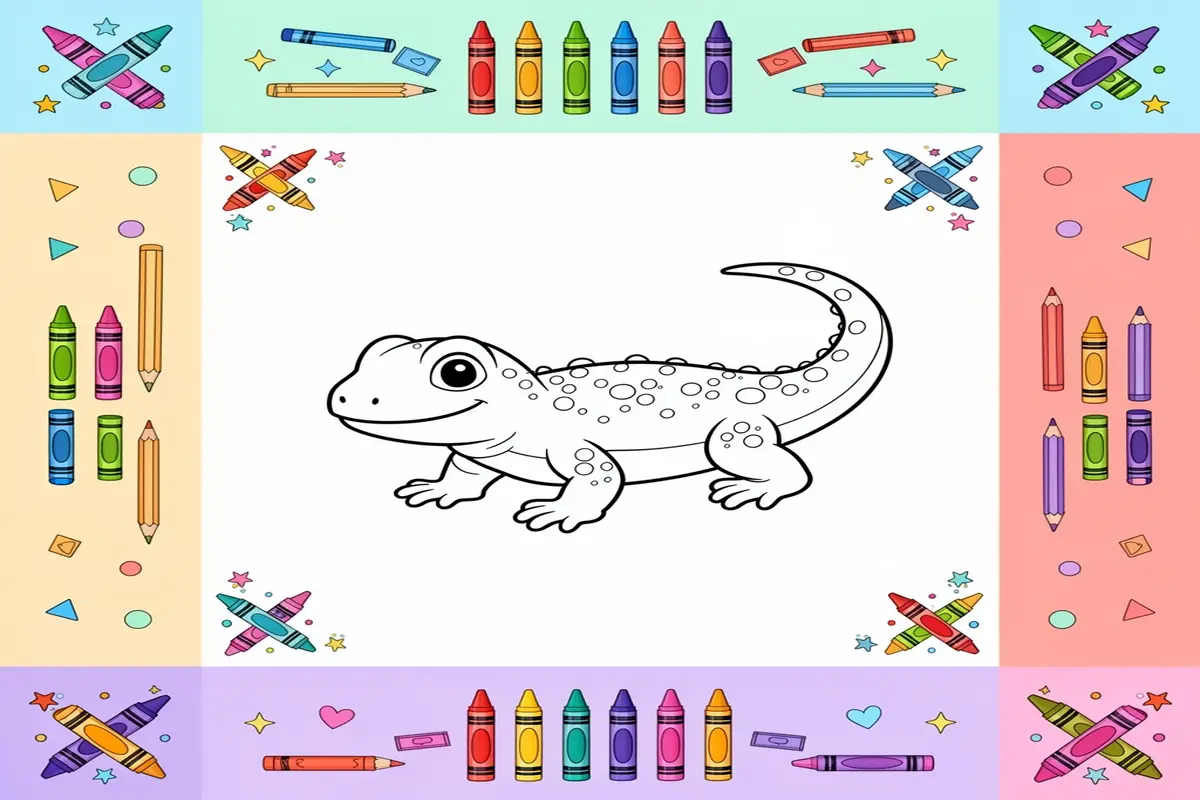
In a world saturated with digital noise, the simple act of coloring offers a sanctuary of focus and tangible creation. For young minds brimming with curiosity, few subjects ignite the imagination quite like the ancient and fascinating world of reptiles. This is where reptile coloring pages for kids transform from a simple pastime into a portal for discovery. These pages invite children to explore the scaly textures of a gecko, the intricate patterns of a python, and the majestic silhouette of a sea turtle, all while developing fine motor skills and color recognition. More than just an activity, it’s a foundational artistic adventure that connects them to creatures both real and imagined. If your child’s interests also swim in the deep blue, our collection of free dolphin coloring pages offers another wonderful avenue for aquatic exploration. Ultimately, engaging with reptile coloring pages for kids is a perfect blend of education, artistry, and quiet, focused fun.
The Scaly Canvas: Psychology & Primal Appeal
Why do children find lizards, dinosaurs, and turtles so endlessly captivating? The answer lies in a powerful combination of psychology, education, and pure visual intrigue. Reptile coloring pages for kids tap into a primal fascination with creatures that are often mysterious, wonderfully textured, and vastly different from ourselves. This engagement is more than mere entertainment; it’s a developmental tool disguised as play.
The Mindful Stroke: Focus and Fine Motor Mastery
Navigating the detailed scales of an iguana or the rugged shell of a tortoise requires a gentle, controlled hand. This focused attention is a form of active mindfulness for children, calming the nervous system and training the brain to concentrate on a single, rewarding task. As they decide whether a chameleon should be vibrant green or a fantastical purple, they are not just coloring—they are making executive decisions, honing precision, and building the fine motor skills essential for writing. The repetitive, peaceful motion of filling in these unique textures provides a sensory-rich experience that digital screens simply cannot replicate.
From Stegosaurus to Skink: A Lesson in Natural History
Each page is a mini-lesson in biology and natural history. A child coloring a reptile coloring page for kids featuring a leatherback sea turtle is subtly learning about ocean conservation. Coloring a frilled-neck lizard introduces concepts of adaptation and habitat. This thematic coloring moves beyond generic shapes, offering a springboard for questions and conversations about evolution, ecosystems, and the incredible diversity of life on Earth. It connects artistic expression with a sense of wonder for the natural world.
Curated for Every Young Explorer: From Simple Shapes to Complex Patterns
The beauty of this theme lies in its incredible range. For the youngest artists, friendly cartoon chameleons with bold outlines build confidence. For older kids seeking a challenge, highly detailed illustrations of coiled rattlesnakes or a page filled with various dinosaur skeletons provide hours of immersive engagement. This scalability ensures that reptile coloring pages for kids grow with the child, continually offering an appropriate level of complexity to keep them interested and proud of their evolving skills.
Professional Materials & Preparation for reptile coloring pages for kids
To ensure your young artist gets the most out of their reptile coloring pages for kids, proper preparation is key. The right materials not only enhance the final artwork but also make the coloring process more enjoyable and skill-building. This guide outlines the essential toolkit for bringing scaly textures and vibrant patterns to life.
The Foundation: Selecting Paper for reptile coloring pages for kids
The paper you choose is the canvas for creativity and directly impacts the performance of your coloring tools. For standard printing of reptile coloring pages for kids, a bright white, smooth cardstock (around 120-160 GSM) is ideal. Its heavier weight prevents bleed-through from markers and allows for better blending with colored pencils without warping. If your child enjoys using wet mediums like watercolor pencils or thin markers, consider a specifically marked “marker paper” or mixed-media paper. For a more textured, realistic effect on scales and skin, a lightly textured pastel paper can add an interesting dimension, though it may be more challenging for very young children.
Best Coloring Tools: Markers vs. Pencils
The choice between markers and pencils often defines the final look of your reptile artwork.
Colored Pencils: The superior choice for detail and control, essential for capturing the intricate patterns on a lizard or the rough plates on a turtle’s shell. Wax-based pencils (like Crayola or Prismacolor) offer smooth, vibrant layering, while oil-based pencils (like Faber-Castell Polychromos) are excellent for fine, sharp details and intricate scales. They encourage patience and fine motor skill development, making them perfect for school-aged children.
Markers: Brilliant for bold, solid areas of color and creating dramatic contrasts. Broad-tip markers are great for filling large backgrounds, while fine-tip markers are necessary for outlining and adding small details. Be sure to use bleed-proof markers or place a scrap paper underneath to protect your workspace, as some reptile coloring pages for kids feature large, open areas perfect for marker application. For a less permanent and more blendable option, consider high-quality crayons, which are excellent for younger children.
Finishing Touches: Gel Pens & Highlighting Tools
Elevate the artwork from simple to spectacular with specialty tools. Gel pens and metallic markers are perfect for adding shimmering highlights to a snake’s eye or creating a dewy effect on a frog’s skin. A white gel pen is indispensable for adding tiny scale highlights, teeth, or claw details over darker colors. For artists using pencils, a colorless blender marker can smooth gradients and blend colors seamlessly, perfect for creating the subtle color shifts on a chameleon. Consider exploring our realistic animal coloring pages for more advanced techniques that can be applied to your reptile projects.
Perfect Workspace: Lighting & Ergonomics
A well-prepared workspace prevents fatigue and fosters focus. Ensure the coloring area is well-lit with natural light or a bright, white LED lamp to reduce eye strain and allow for accurate color perception. The chair and table should be at an appropriate height so the child’s feet can rest flat and their forearms can be supported. Keep tools organized in cups or trays—separating pencils, markers, and pens makes the creative process smoother. Having a clean, flat surface and perhaps a clipboard to secure the paper will give your child the stable foundation they need to carefully color within the lines of their favorite reptile coloring pages for kids.
Part 3: Elevating Your Art: Professional Techniques for Reptile Coloring Pages for Kids
Ready to transform those simple outlines into stunning, gallery-worthy art? This section moves beyond basic coloring to explore professional techniques that will bring your reptile coloring pages for kids to life. These methods are perfect for older children, teens, and adults looking to add depth, realism, and creativity to their work. Let’s unlock the artist within!
Link: For more detailed animal textures and patterns, explore our Realistic Animal Coloring Pages collection.
Harmonious Habitats: Color Theory for Reptilian Realism
Understanding basic color theory can elevate your reptile art from good to breathtaking. For the scaly subjects of your reptile coloring pages for kids, consider these palettes:
Analogous Colors: Create a serene, natural look by using colors next to each other on the wheel. Think greens, yellow-greens, and blues for a chameleon resting on a leaf. This scheme is perfect for blending and creating smooth gradients on scales.
Complementary Colors: For dynamic, eye-catching contrast, use opposites. A red-eyed tree frog (green body) pops dramatically against a subtle red or purple background. Use this powerful combination sparingly to make key features stand out.
Earth Tones: For authenticity, build your palette from browns, olives, rusty oranges, and sandy yellows. These colors naturally mimic the environments of lizards, turtles, and snakes, lending instant realism to your page.
From Flat to Fierce: Mastering Shading and Depth
Shading is what gives a two-dimensional drawing a three-dimensional form. Here’s a simple step-by-step approach for your reptile:
1. Identify Your Light Source: Decide where the light is coming from (e.g., top left). Every shadow will be cast opposite this point.
2. Apply Base Layers: Color the entire area with your main, mid-tone color lightly and evenly.
3. Build Shadows: On the sides opposite the light, add a darker shade of your base color. For a coiled snake, the inner curves and lower scales will be darkest.
4. Add Highlights: Using a very light color or by leaving small areas white, add bright spots where the light hits directly—like on the top of a turtle’s shell or the brow of a crocodile.
5. Blend: Use a blending tool, a white colored pencil, or gentle, circular pencil strokes to soften the lines between your light, mid-tone, and shadow areas.
Scale, Skin, and Scutes: Crafting Convincing Textures
The key to a believable reptile lies in its texture. Use these stroke techniques to render different surfaces:
Scales: Avoid coloring scales as solid shapes. Instead, use small, crescent-shaped strokes along the edges of each scale, leaving the center slightly lighter. This creates a rounded, overlapping effect.
Smooth Skin (Frogs/Snakes): For sleek skin, use long, continuous strokes in one direction. Add subtle speckles or irregular patterns with a sharp pencil tip for character.
Rough, Bumpy Skin (Toads, Crocodiles): Employ short, stippling dots or tight, scribbly circles to build up a rough texture. Vary the pressure for a more natural, organic feel.
Backgrounds: Place your reptile in a lush Jungle Coloring Pages scene or a rocky desert. Use layered greens for foliage or light, horizontal strokes for sandy soil to ground your subject in its world.
The Art of the Rescue: Gracefully Fixing Coloring Mistakes
Even pros make mistakes. The secret is in the graceful recovery.
Pencil Smudges: Use a clean kneaded eraser to lift graphite or colored pencil off the page without abrasion.
Color Outside the Lines: Instead of erasing, integrate the stray mark. Turn it into a leaf, a shadow, or a rock in the background. Often, the best fix is to make it look intentional.
Overly Dark Areas: If you’ve colored too heavily, gently layer a lighter, complementary color over it to neutralize and soften the area. A light peach can tone down a too-dark green.
* Waxy Bloom: Heavy colored pencil layers can create a waxy haze. Use a colorless blender pencil or a gentle touch with a tissue to even out the pigment.
By practicing these techniques, you’re not just finishing a page—you’re developing artistic skills, patience, and a deeper appreciation for the intricate beauty of the reptile kingdom.
Showcasing Your Reptile Coloring Pages for Kids: Creative Display Ideas
The fun doesn’t end when the coloring is done! Transforming your child’s completed reptile coloring pages for kids into cherished displays or gifts adds another layer of creativity and pride to the activity.
Preserving Your Masterpiece: Archival Tips
To ensure those vibrant reptiles last, consider simple preservation methods. For a classic look, place the artwork in a frame with a UV-protective glass to prevent fading. Alternatively, use a clear sheet protector in a binder to create a growing portfolio of their work. For a more durable, glossy finish, a light spray of clear acrylic sealer can protect crayon or marker art from smudging, making it perfect for frequent handling.
Beyond Display: Creative DIY Projects
Turn colored pages into meaningful projects. Laminate a favorite lizard or turtle and punch a hole at the top to create a unique bookmark. Cut out the reptile shape, glue it onto a folded cardstock, and make a one-of-a-kind greeting card. For a grand project, create a “reptile habitat” mural on a bedroom wall by arranging and overlapping several colored pages. This celebrates their art and builds a personal connection to the natural world. For more animal-themed fun, explore our collection of Jungle coloring pages.
Your Reptile Coloring Adventure Questions Answered
Where can I find free printable reptile coloring pages?
You can find a wonderful variety of free, high-quality printable reptile coloring pages for kids right here on our site! We offer everything from friendly cartoon lizards to detailed, realistic snakes and turtles. Simply browse our animal categories, select your favorite pages, download, and print for instant creative fun.
What are the benefits of coloring for child development?
Coloring is a powerhouse for development. It significantly strengthens fine motor skills and hand-eye coordination as children practice staying within lines. It also fosters focus, patience, color recognition, and creativity. On an emotional level, it provides a calming, screen-free outlet for self-expression and stress relief, making it a beneficial activity for kids of all ages.
How do you draw a simple reptile?
Start with basic shapes! For a simple lizard, draw an oval for the body and a smaller circle for the head. Connect them with a curved line for the neck. Add four short legs, a long tail, and simple eyes. Encourage kids to use their completed reptile coloring pages for kids as a reference for shapes and patterns, building their confidence in drawing.
What colors do you use for a realistic lizard?
Realistic lizards often feature earthy tones like greens, browns, grays, and tans. Look for patterns like stripes, spots, or bands in contrasting colors. Don’t forget subtle highlights on scales and darker shadows underneath the body. Using colored pencils in layers can help achieve this textured, lifelike effect on your reptile coloring pages.
Does coloring help with fine motor skills?
Absolutely. Coloring is an excellent exercise for developing fine motor skills. The precise grip and controlled movements required to maneuver a crayon or pencil strengthen the small muscles in the hands and fingers. This practice is foundational for future tasks like handwriting, buttoning clothes, and using utensils effectively.
Final Thoughts: Your Reptile Coloring Pages for Kids Journey Begins
Embarking on a creative journey with reptile coloring pages for kids opens a world of artistic discovery and developmental benefits. From the first stroke of color on a gecko’s back to the proud moment of displaying a finished Komodo dragon masterpiece, this simple activity nurtures patience, skill, and a love for nature’s fascinating creatures. It’s more than just coloring—it’s an adventure in learning, focus, and family bonding.
We hope this guide inspires you to create, display, and explore the incredible world of reptiles through art. Remember, every page colored is a step forward in your child’s creative story. Ready for your next adventure? Explore our Realistic Animal Coloring Pages for even more detailed artistic challenges!